Domestic violence took 4 lives in Wake County this week. And it’s getting worse.
READ MORE
Shooting at Raleigh’s Renaissance Park neighborhood
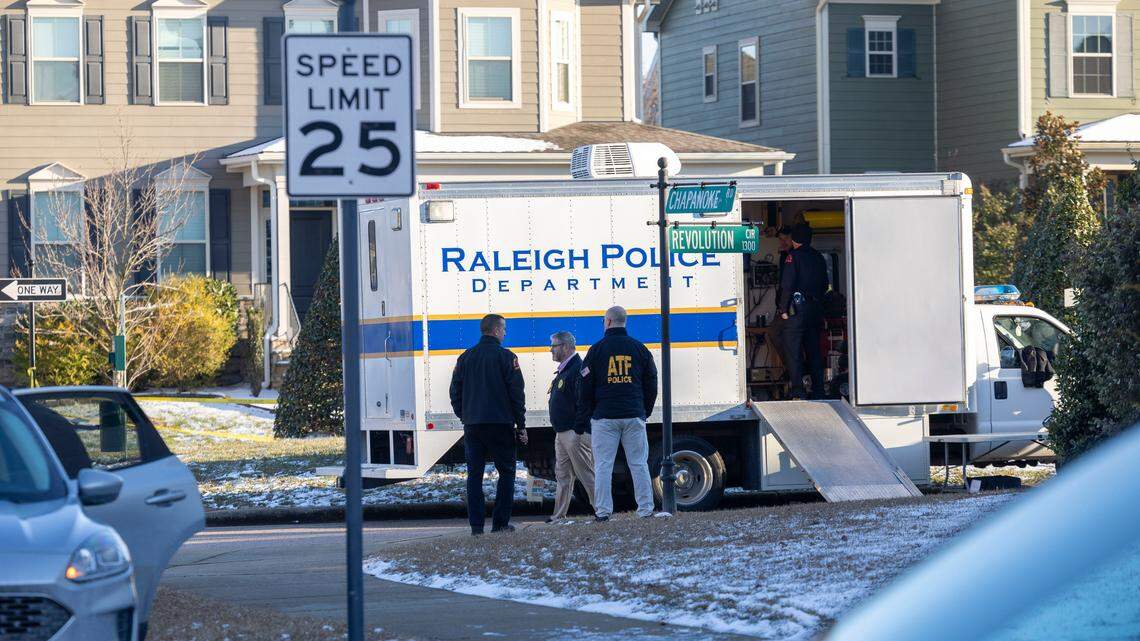
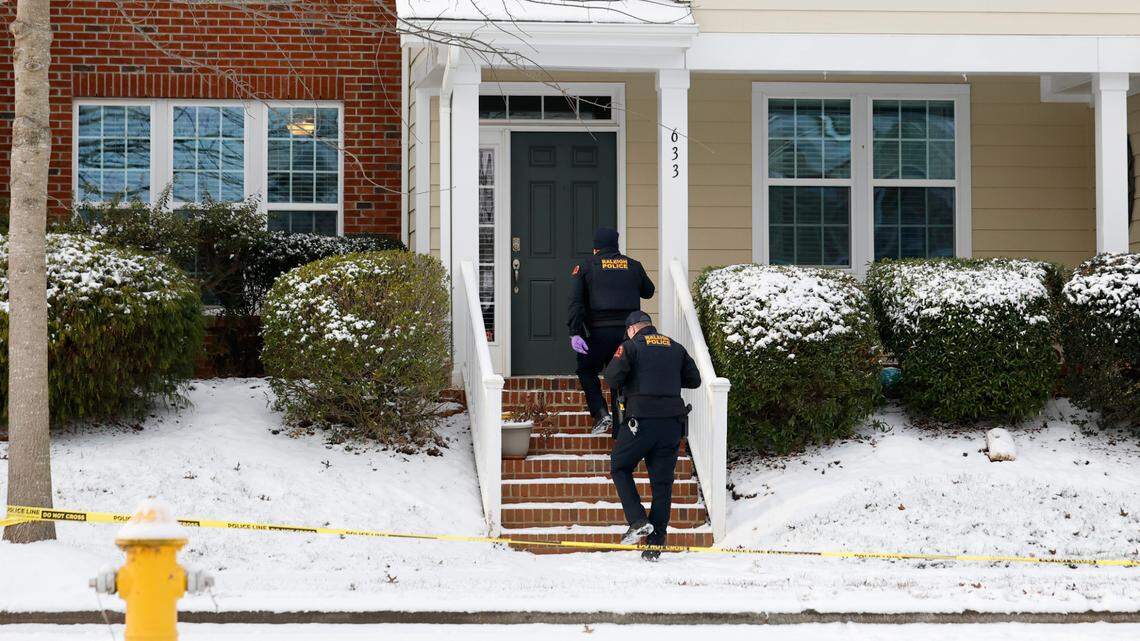
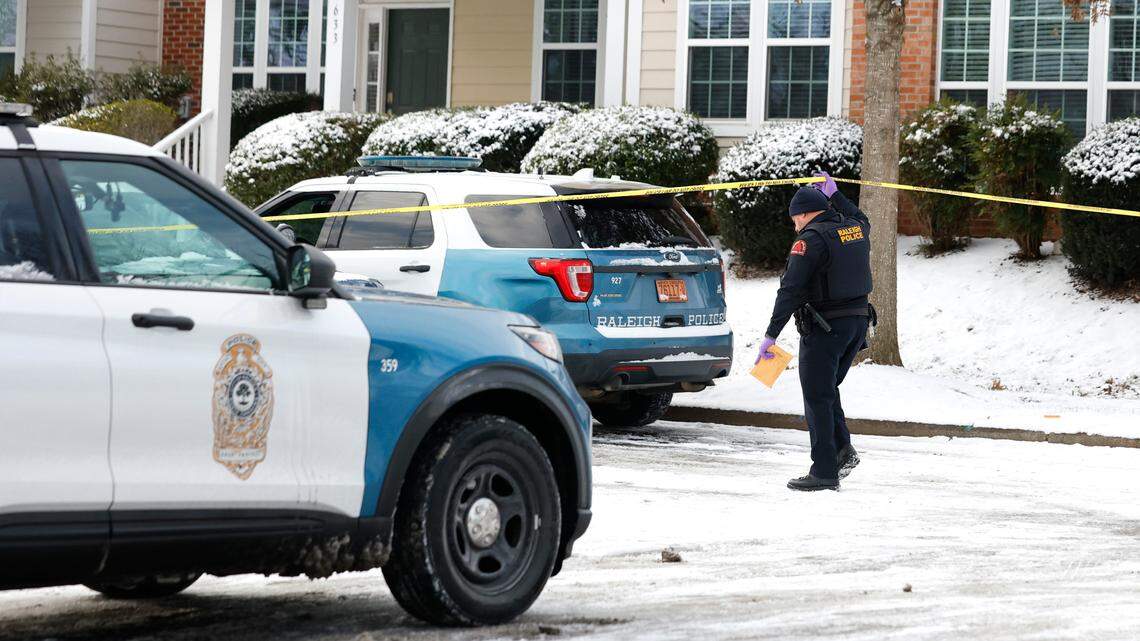
A shooting on Jan. 21, 2025, in the Renaissance Park neighborhood left two men dead, including the suspect, and a police officer critically injured. Here is ongoing coverage from The News & Observer about the shootout and aftermath.
Expand All
Jill Rohner went to Durham on Thursday to retrieve her cat and belongings from her boyfriend’s apartment, while fielding calls from news outlets.
Just two days earlier, she and John Rowe, 73, were at her home on Democracy Street in Raleigh when Rohner’s ex-husband, Antonio Rodrigues, 70, knocked on the door around 5:30 p.m., wearing a mask and carrying flowers.
Rodrigues wrestled with Rowe, before shooting him. Rohner fled the house, running down the street without her shoes, a neighbor told The News & Observer.
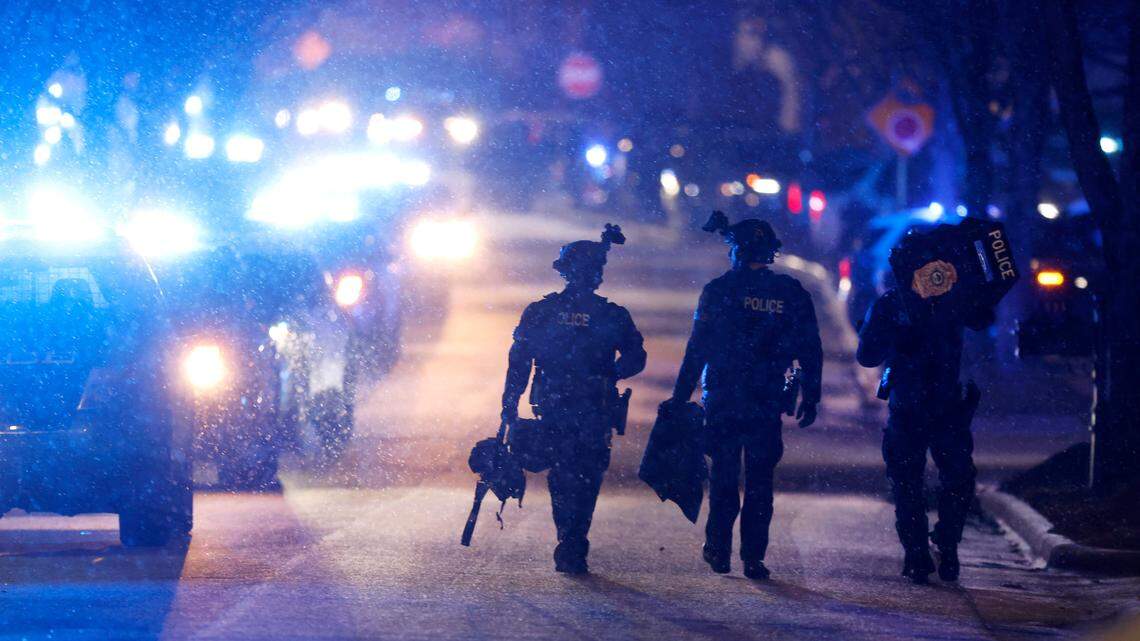
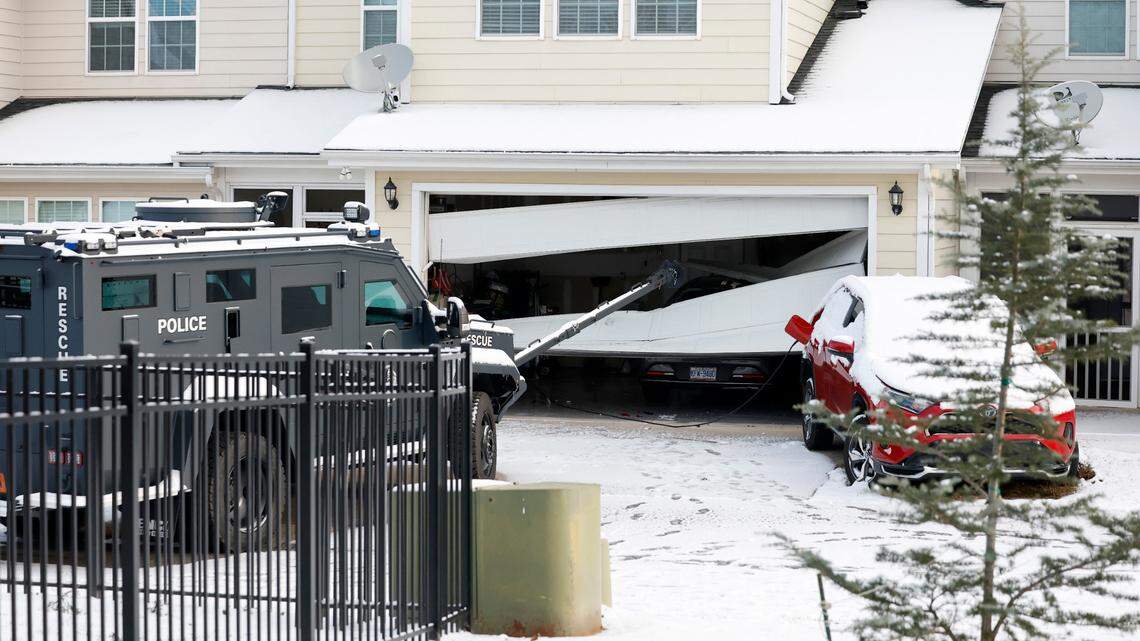
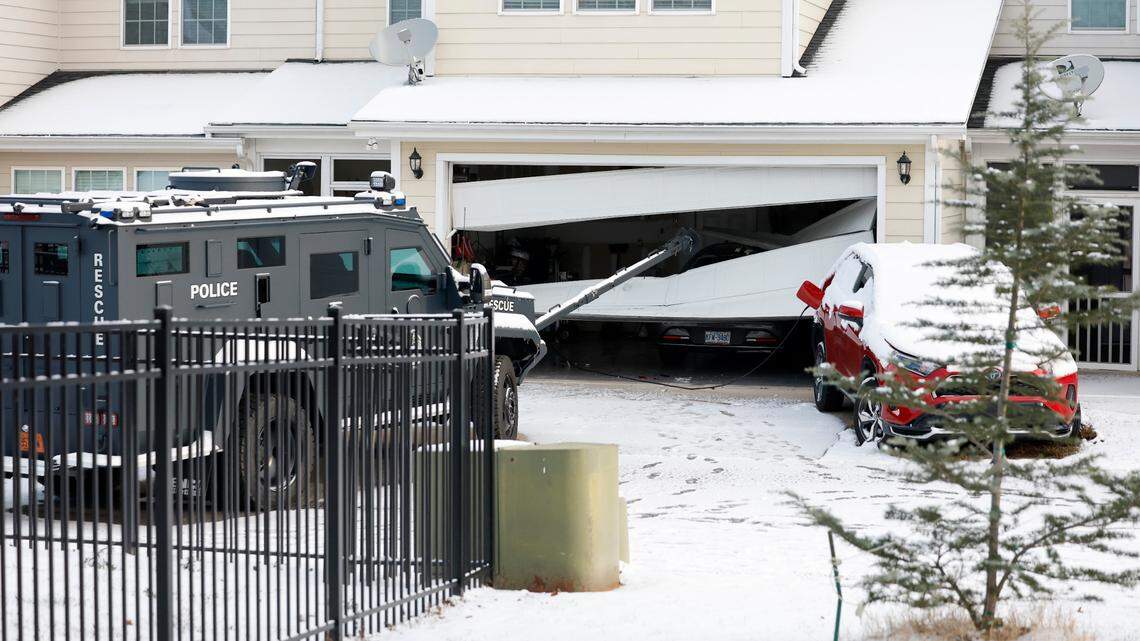
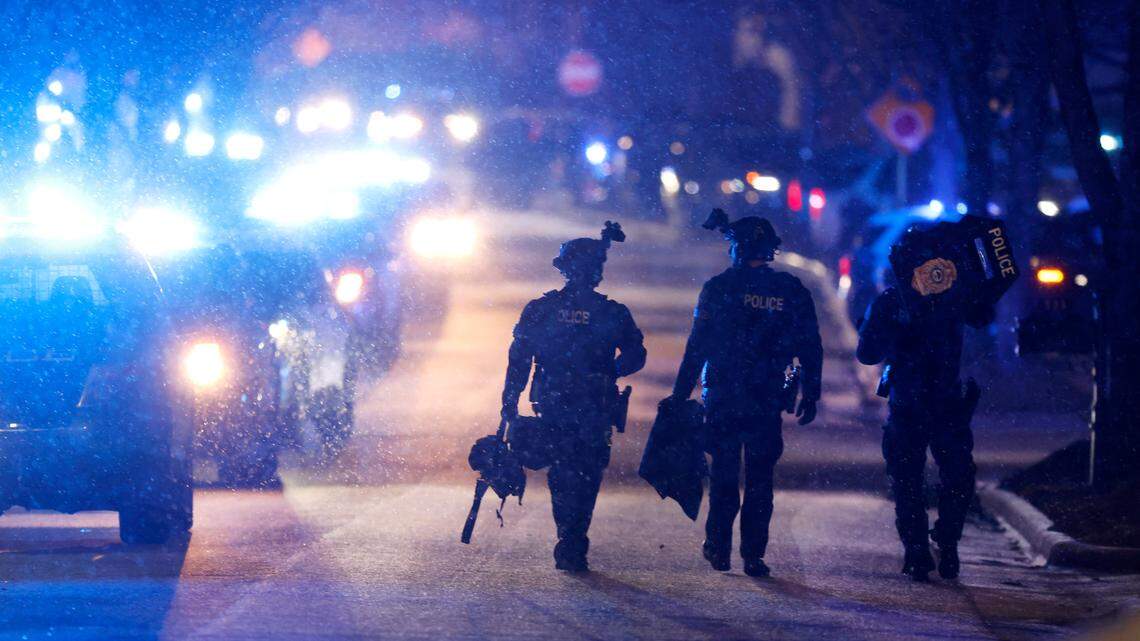
When Raleigh police arrived, they heard gunfire and a man in the house shot at them, Police Chief Estella Patterson said. Police returned fire, killing Rodrigues. Rowe died later at the hospital.
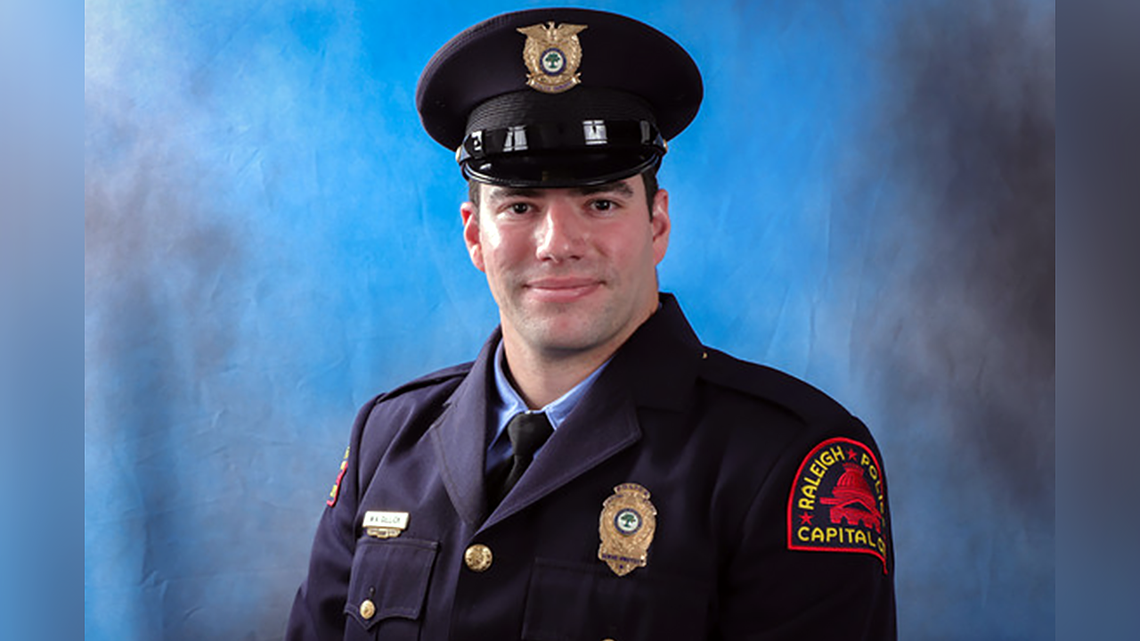
Raleigh police officer M.A. Gillick, who also was shot in the gunfight, remained in critical condition Friday.
It was Wake County’s second fatal shooting in a week related to a domestic dispute. On Saturday, a Fuquay-Varina man shot his wife before turning the gun on himself, police said.
Both incidents reflect a growing problem of domestic violence-related homicides in North Carolina, the State Bureau of Investigation reports. Between 2019 and 2021, local law enforcement saw a nearly 44% increase in domestic violence-related homicides, the SBI reported, and the number grew again in 2023 to 135 homicide victims — an increase of 17.4% in one year.
Roughly 58% of the victims were female, and 75% of the offenders were male, the SBI reported. Six victims had taken out domestic violence orders at some time before their death; three orders were still active when they were killed.
Felony stalking charges before Raleigh shooting
Local property records show Rohner and Rodrigues were married and living in New Jersey until at least 2010, when they bought a home in Carteret County, North Carolina.
By 2014, a Carteret County judge had granted their divorce. Rohner kept the home in North Carolina, and Rodrigues moved back to the home in New Jersey, property records show. He pleaded no contest to felony stalking in Carteret County, receiving probation and a suspended sentence, court records show.
Rohner, who said she had taken multiple restraining orders out on Rodrigues, moved to Raleigh in 2016, but he continued to stalk and harass her, court records show. In March 2023, he pleaded guilty in Wake County to seven counts of stalking, stalking with a prior conviction, and disclosing private images, records show.
The judge suspended his 32-month prison sentence, gave him 36 months of probation, and ordered him to join an abuser treatment program, undergo a mental health assessment, and discard any images of his former wife.
The judge, in a “domestic violence judgment,” told Rodrigues to stay at least 300 yards from Rohner and not have any contact with her.
NC domestic violence, protections
More than 35% of North Carolina women and 30% of men experience domestic violence and stalking in their lifetime, according to the N.C. Coalition Against Domestic Violence.
An estimated 1.1 million people were victims in 2023 of domestic violence committed by a spouse, boyfriend or girlfriend, according to the National Crime Victimization Survey by the federal Bureau of Justice.
Over half did not contact police, it found, in many cases because the survivor was trying to protect the abuser, feared the abuser’s response, or considered the incident a private or family matter.
Research is limited as to whether domestic violence protection orders keep survivors safe, the U.S. Justice Department reports.
Anecdotally, victim advocates and law enforcement officials have said it depends on whether the abuser is willing to obey the order, which can limit contact with their victim at home, work and school, and include specific conditions, such as who can stay in the home.
A 2000 survey found 17.1% of women who were physically assaulted and 36.6% who were stalked had obtained a protective order, the Justice Department reports. Of those women who were raped or stalked, more than two-thirds had their orders violated, while about half of those who were physically assaulted said their order was violated, the survey found.
Most dangerous police calls
The danger is not just to victims, according to a key study, “Deadly Calls and Fatal Encounters.”
The study, completed for the National Law Enforcement Officers Memorial Fund and the Justice Department’s COPS office, found domestic disputes and disturbances accounted for roughly 40% of the nation’s police line-of-duty deaths between 2010 and 2014.
Domestic disputes were the most dangerous calls, it found, followed by disturbance calls, ranging from noise to disorderly conduct.
Disturbance calls were especially dangerous when the suspect had threatened family members or police before and was known to be armed, the study’s authors found. In all but one of the cases studied, the officers were killed with a firearm, they said.
Help for domestic violence survivors
North Carolina has three main types of restraining orders, depending on the relationship:
▪ Domestic violence protective order: Also called a 50B order, it applies to couples who live together, share a child, or are married, dating or divorced.
▪ Civil no-contact orders: Also called a 50C order, it protect victims who are being continuously stalked or subjected to unwanted sexual behavior when there is no intimate or family relationship.
▪ Workplace no-contact orders: Protects employees facing violence, continued harassment or physical threats at work.
The N.C. Courts system has extensive information online about restraining orders and how they work at tinyurl.com/24wunhe8.
Here are the basics:
▪ A temporary ex parte order can be obtained quickly at the local courthouse or through a domestic violence agency.
▪ Within 10-14 days, a judge will hold a hearing to consider a permanent protective order, which lasts for a year. A judge can also renew a permanent order for up to two years.
▪ Protective order violations should be reported to police, or call 911 for an immediate danger. An abuser who violates a protection order can be arrested and charged with a misdemeanor. A victim who violates the order can be held in contempt of court by a judge.
More help is available from the National Domestic Violence Hotline day or night at 1-800-799-7233 or TTY at 1-800-787-3224.
This story was originally published January 24, 2025 at 2:26 PM with the headline "Domestic violence took 4 lives in Wake County this week. And it’s getting worse.."

.jpg)