North Carolina

NC’s first Black physician also blazed trails as businessman, candidate for Raleigh mayor

EDITOR’S NOTE: In honor of Black History Month, The Charlotte Observer is highlighting the lives and accomplishments of nine people whose contributions might not be as well known as others, local “hidden figures” as it were.

Dr. Manassa Thomas Pope became a trailblazer in North Carolina: he was the first Black physician in the state. He also was a businessman, soldier and the only Black man to run for mayor in Raleigh during Jim Crow.

Pope was born in 1858 on the lead-up to the Civil War and was raised in Northampton County by free parents. He attended Shaw University and finished with a bachelor of arts degree in 1879.
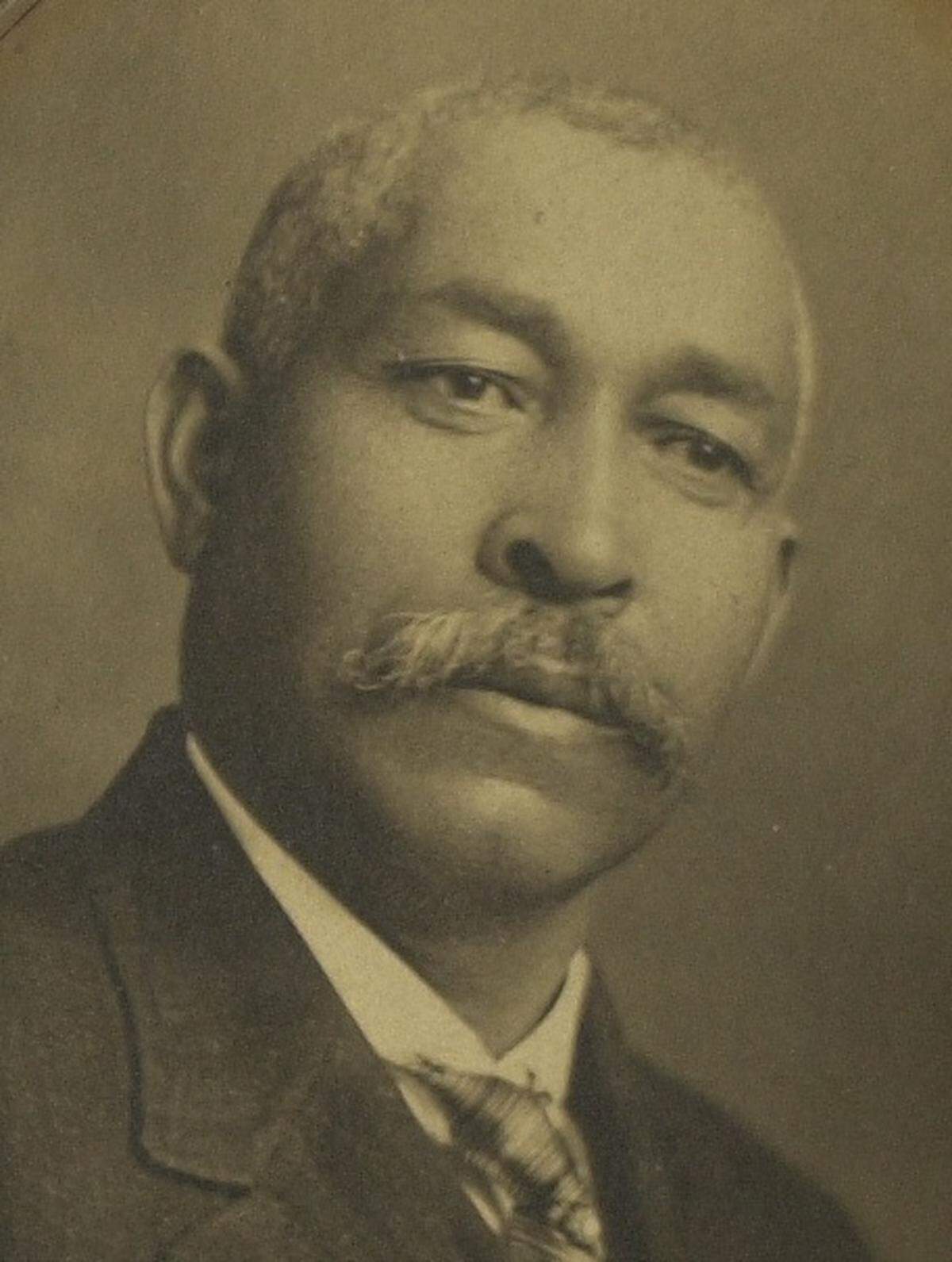
Dr. Manassa T. Pope
Dr. Manassa T. Pope The News & Observer file photo

Pope continued his education at the Leonard Medical School in Raleigh and earned a medical degree from the school in 1886 — becoming the first Black person licensed to practice medicine in North Carolina.

A year later, he married Lydia Walden. After moving to Charlotte in 1892, he opened a medical practice as well as the Queen City Drug Company and People’s Benevolent Association insurance company.

Pope also fought for his country during the Spanish-American War in an all-Black regiment. After the war, Pope moved to the Raleigh area and built a house in the early 1900s.
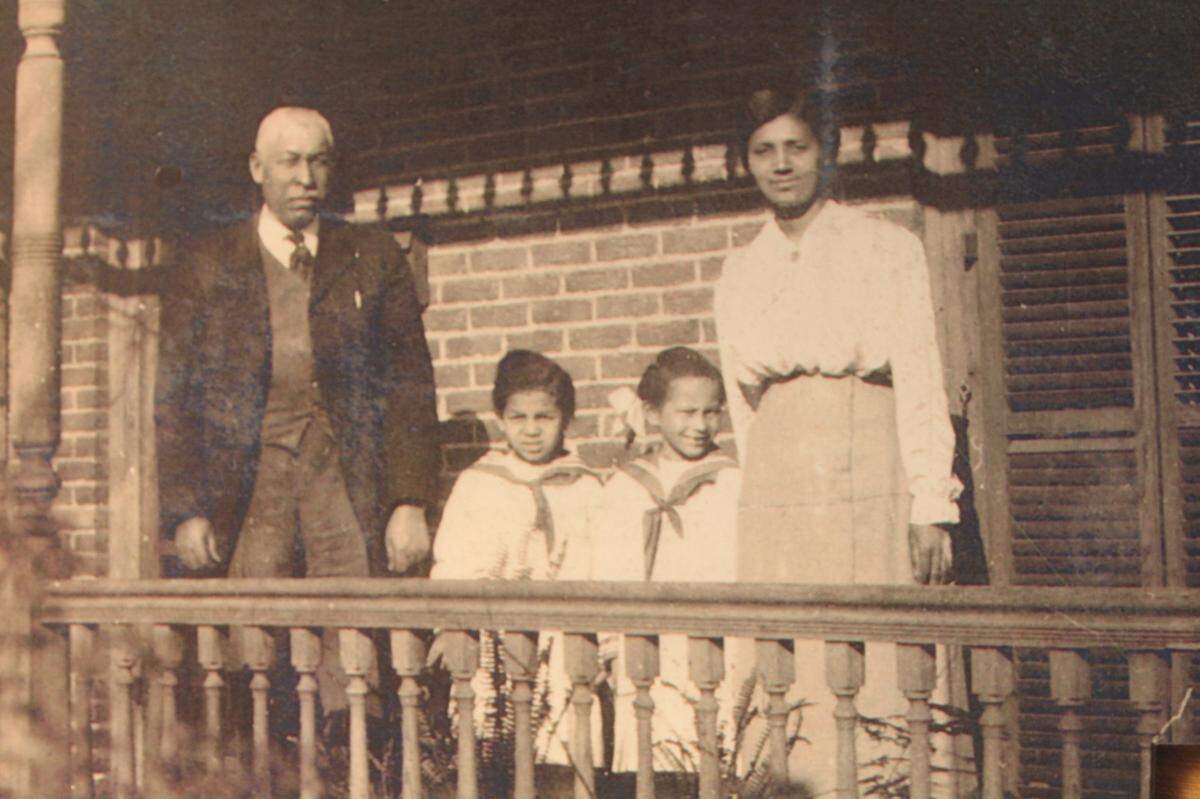
A family portrait of Dr. Manassa Pope, his wife, Delia, and daughters Ruth and Evelyn.
A family portrait of Dr. Manassa Pope, his wife, Delia, and daughters Ruth and Evelyn. News & Observer file photo

During this period of Jim Crow laws, where Black residents faced racism and obstacles to vote, he was one of seven Black residents in Raleigh able to vote. That was from a legal loophole with literacy and grandfather clauses involving illiterate white men. It said anyone whose father or grandfather was able to vote before 1867 was exempt from the voting test.
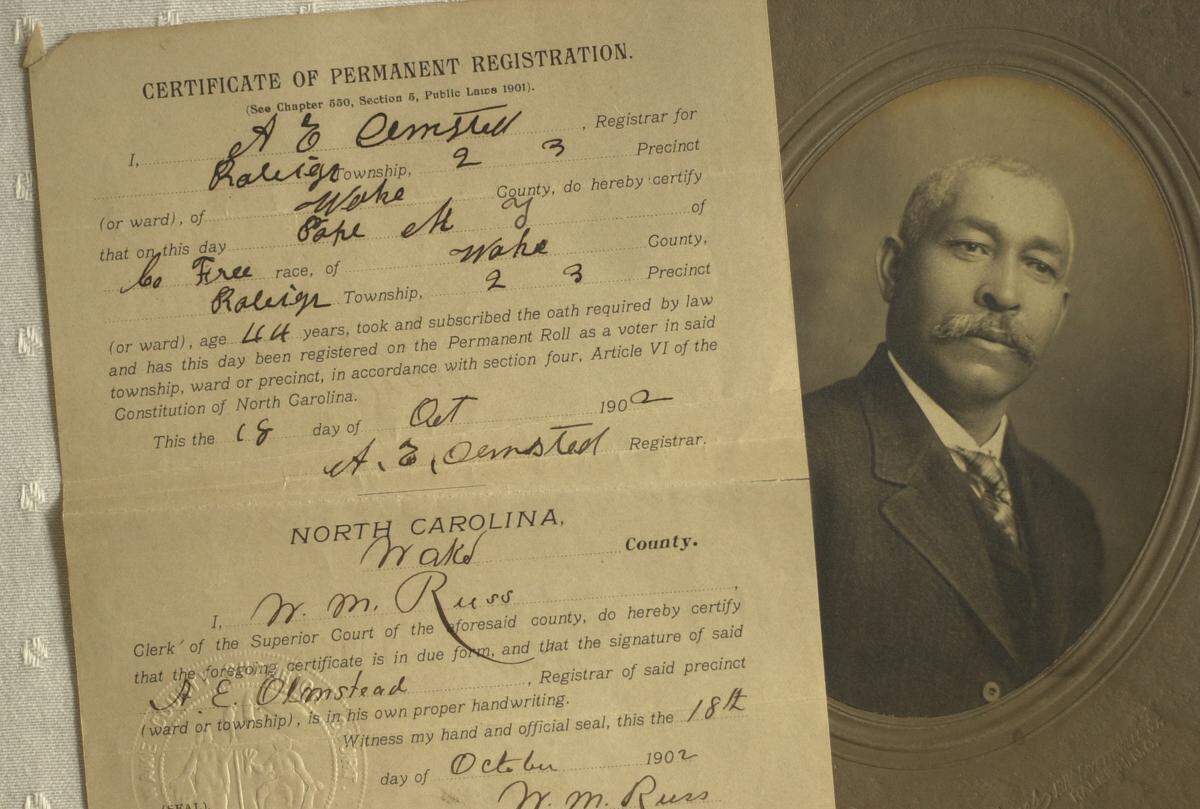
Detail photo of two items in the family papers of Raleigh’s Dr. Manassa T. Pope (cq) - left, a rare original of Dr. Pope’s 1902 Wake Co. voter registration card alongside a photograph of Dr. Pope taken ca. 1919, when he was approx. 60yrs. old.The Pope House Foundation Museum, located at 511 S. Wilmington St. is giving a collection of these historical papers to UNC-CH.These documents, among others in the Pope collection tell the story of blacks in the years between the Civil War and the Civil Rights Movement.NAMES ARE CQ. STAFF/HARRY LYNCH
Detail photo of two items in the family papers of Raleigh’s Dr. Manassa T. Pope (cq) - left, a rare original of Dr. Pope’s 1902 Wake Co. voter registration card alongside a photograph of Dr. Pope taken ca. 1919, when he was approx. 60yrs. old.The Pope House Foundation Museum, located at 511 S. Wilmington St. is giving a collection of these historical papers to UNC-CH.These documents, among others in the Pope collection tell the story of blacks in the years between the Civil War and the Civil Rights Movement.NAMES ARE CQ. STAFF/HARRY LYNCH Harry Lynch News & Observer file photo

Pope ran for mayor in 1919 but did not get many votes. Still, he was revered for making the attempt and being the only Black man to run for mayor of a capital city in the South during segregation.
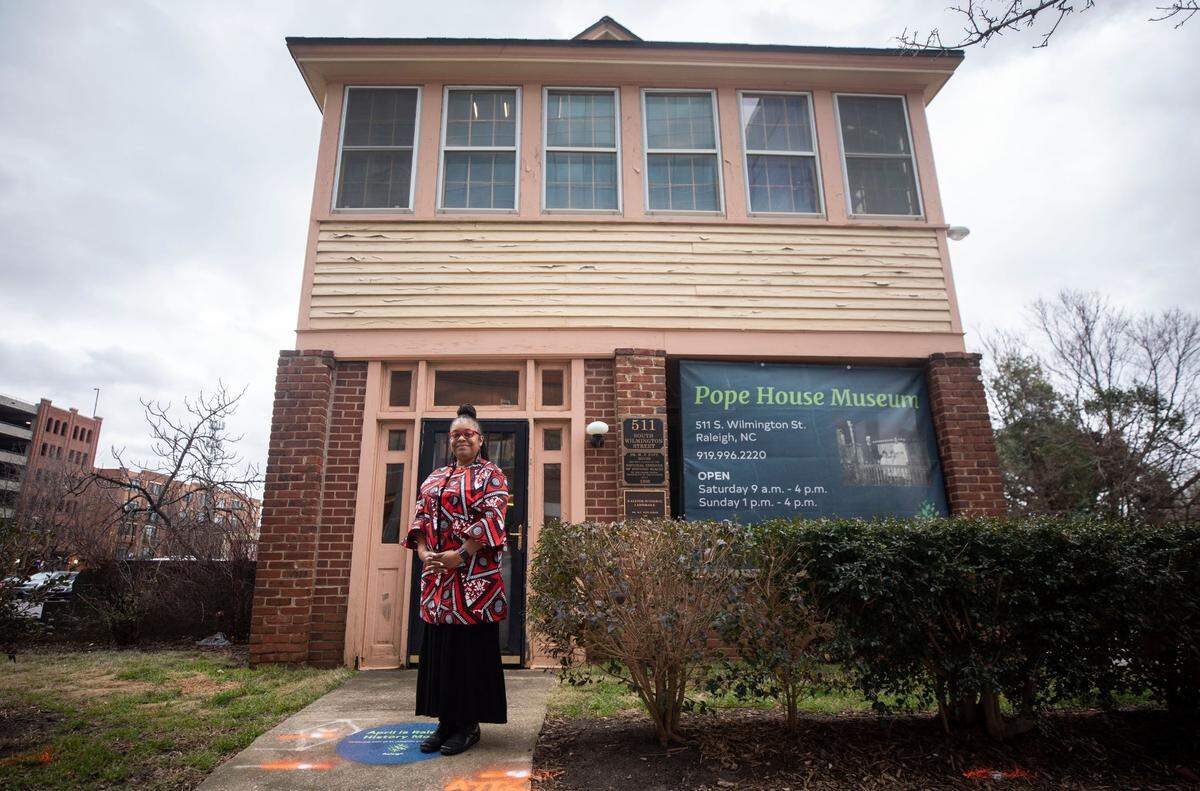
Bettina Pope, the great-grandniece of Dr. Manassa T. Pope, poses for a portrait outside of the Pope House Museum in downtown Raleigh in 2022.
Bettina Pope, the great-grandniece of Dr. Manassa T. Pope, poses for a portrait outside of the Pope House Museum in downtown Raleigh in 2022. Julia Wall News & Observer file photo

His 124-year-old house in downtown Raleigh was preserved and became the Pope House Museum. The historic site is the only Black house museum in North Carolina, according to the city of Raleigh. It’s also on the National Register of Historic Places.
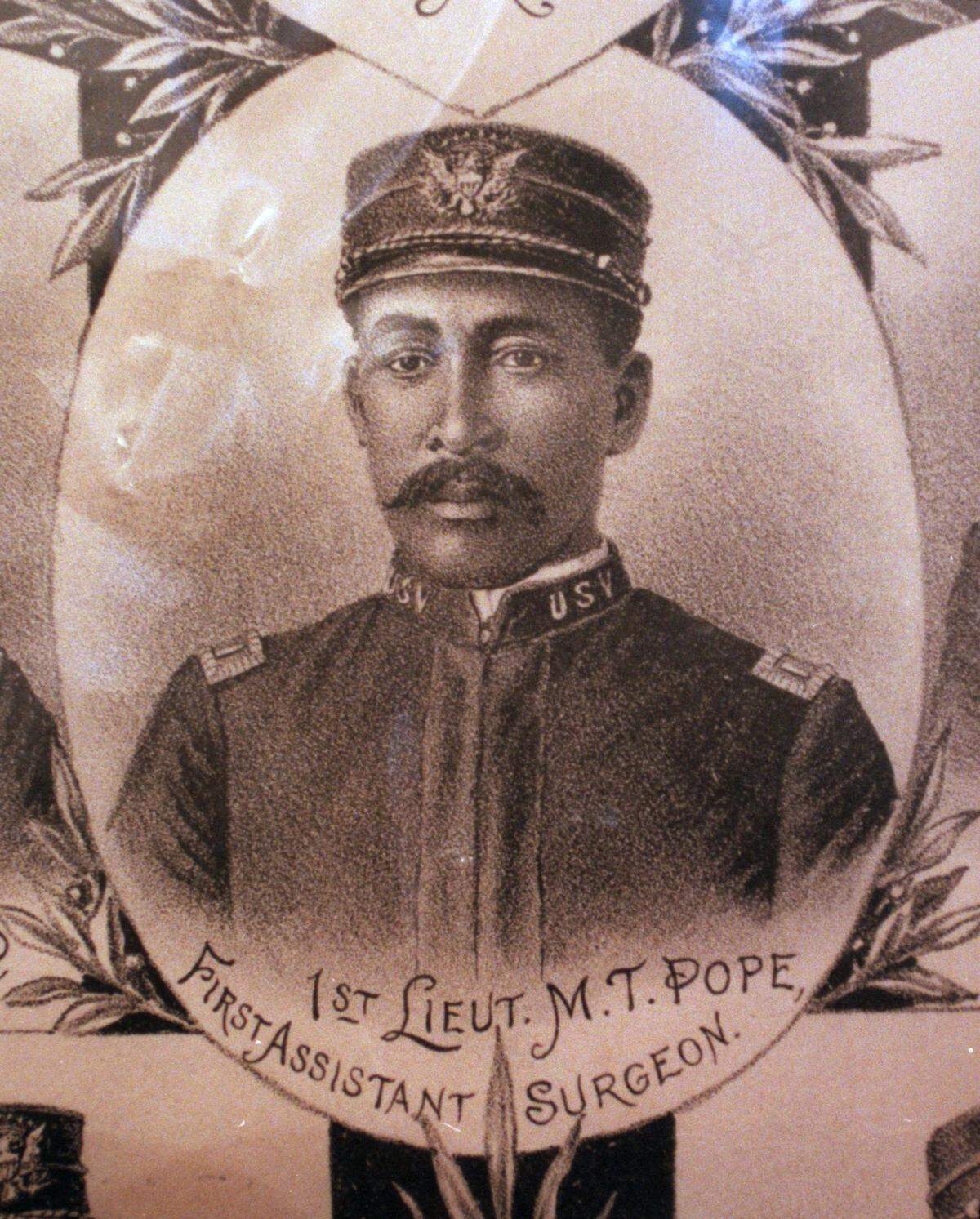
This is an 1898 portrait of Dr. Manassa T. Pope from a group photo showing the Third Regiment, an all-black volunteer regiment formed to fight in the Spanish-American War. Pope was a prominent Raleigh doctor whose house still sits at 511 S. Wilmington St. in downtown Raleigh. The Pope family was one of Raleigh’s most prominent black families in the early 20th century. Now a group is trying to preserve the family’s home and convert it into a museum. Pope served as a first lieutenant and first assistant surgeon in the Third Regiment, although the unit never saw action.
This is an 1898 portrait of Dr. Manassa T. Pope from a group photo showing the Third Regiment, an all-black volunteer regiment formed to fight in the Spanish-American War. Pope was a prominent Raleigh doctor whose house still sits at 511 S. Wilmington St. in downtown Raleigh. The Pope family was one of Raleigh’s most prominent black families in the early 20th century. Now a group is trying to preserve the family’s home and convert it into a museum. Pope served as a first lieutenant and first assistant surgeon in the Third Regiment, although the unit never saw action. Swayne B. Hall

This story was originally published February 24, 2025 at 6:00 AM.
Follow More of Our Reporting on Uniquely Charlotte

Related Stories from Charlotte Observer
Chase Jordan
The Charlotte Observer
Chase Jordan is a business reporter for The Charlotte Observer, and has nearly a decade of experience covering news in North Carolina. Prior to joining the Observer, he was a growth and development reporter for the Wilmington StarNews. The Kansas City native is a graduate of Bethune-Cookman University.
Get unlimited digital access
#ReadLocal

Try 1 month for $1

CLAIM OFFER