
He fought bigotry in NC, made the FBI’s ‘Most Wanted List’ and was eulogized by Rosa Parks
EDITOR’S NOTE: In honor of Black History Month, The Charlotte Observer is highlighting the lives and accomplishments of nine people whose contributions might not be as well known as others, local “hidden figures” as it were.
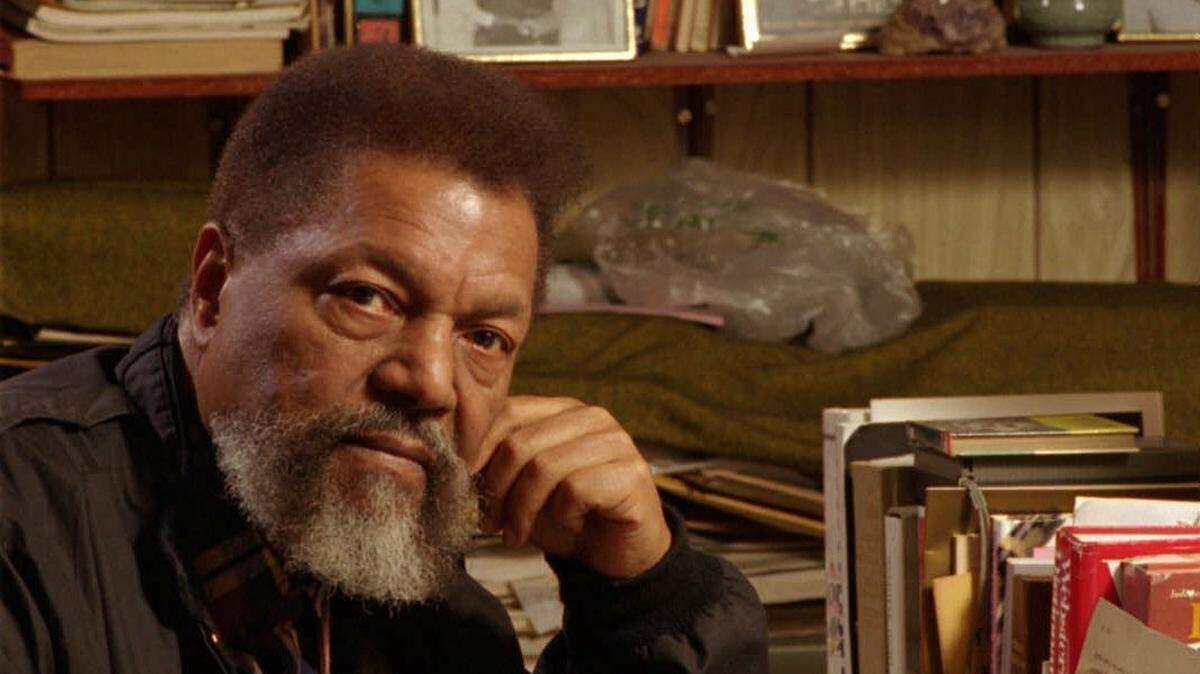
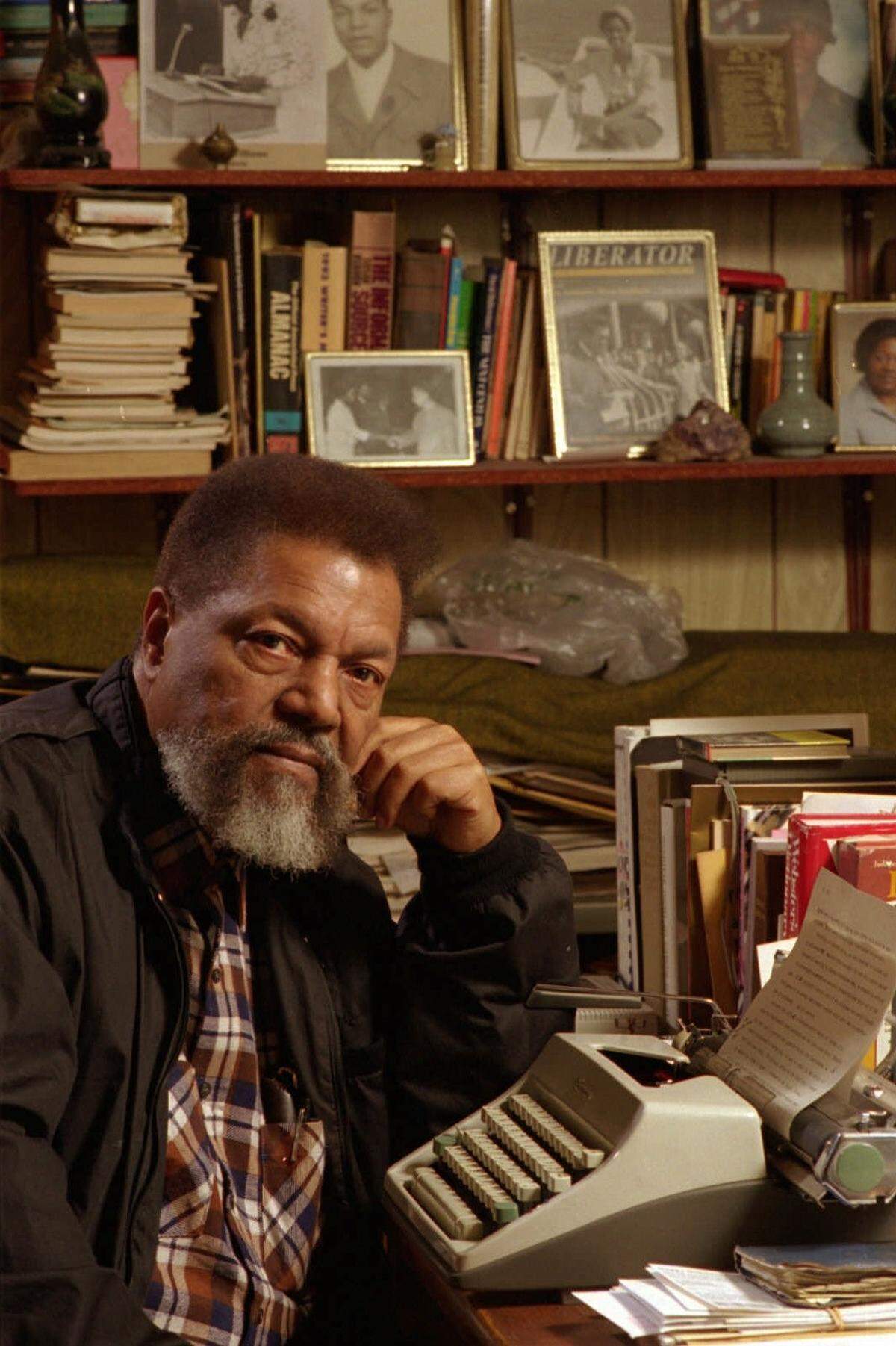
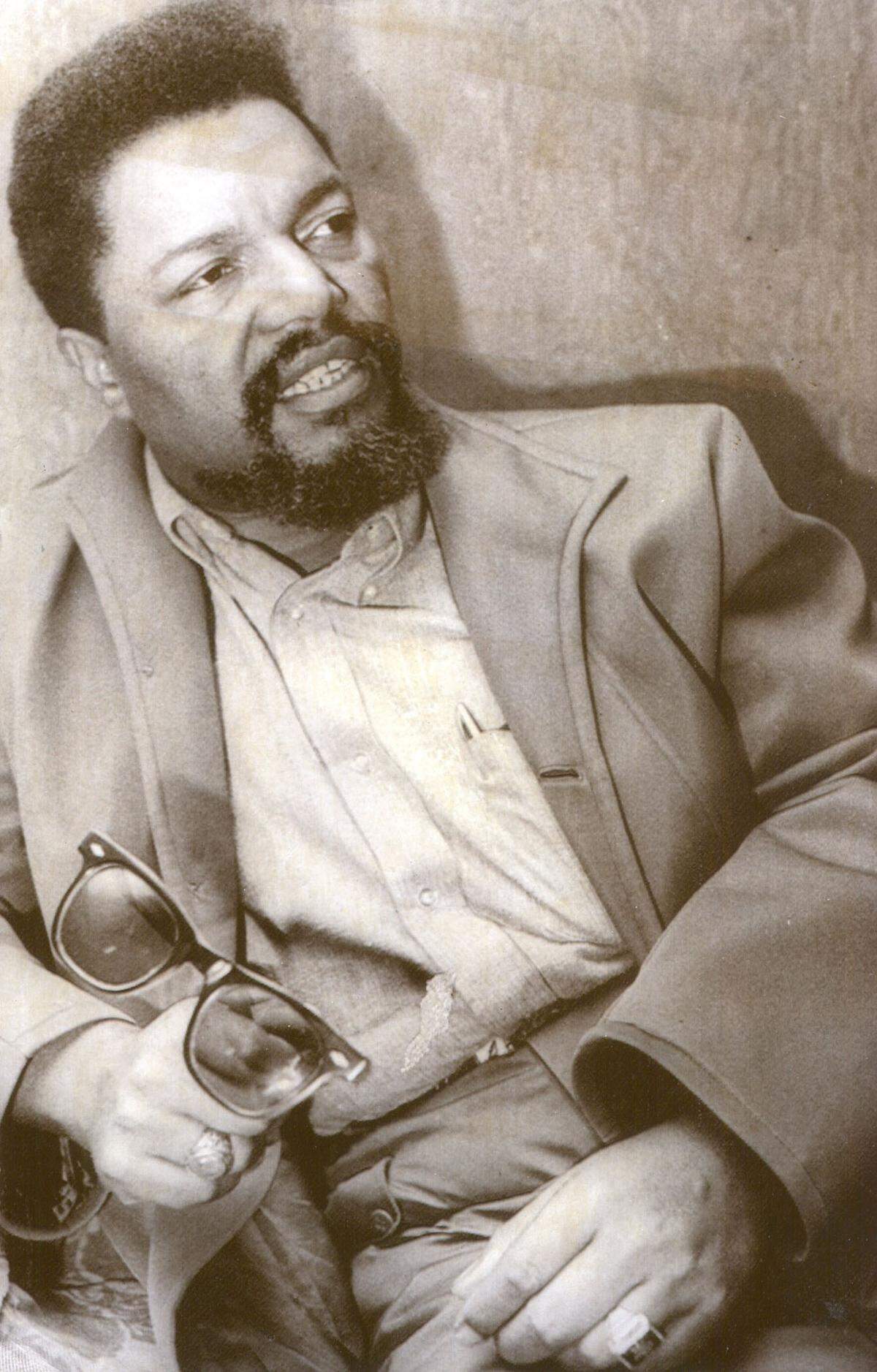
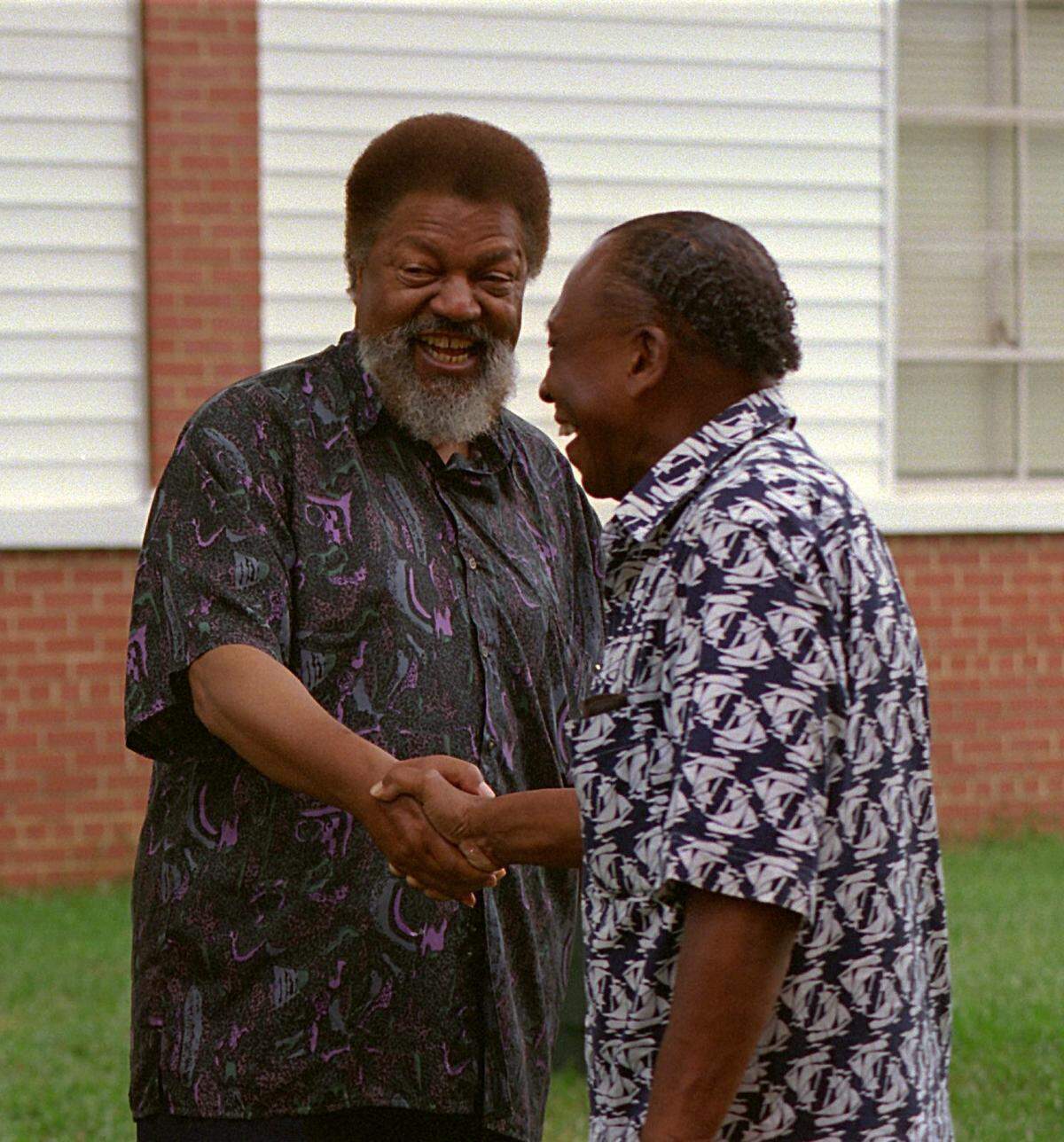
Robert Franklin Williams, a Black civil rights leader from Monroe, drew national attention in the 1950s and ‘60s for his approach to fighting bigotry.
As head of the Union County NAACP, Williams organized armed squads of Black people, mostly former military members like himself, “for self-defense and to protect others,” former Charlotte Observer associate editor Fannie Flono wrote in 2007.
“He raised money in the North to buy guns and so inspired the people of Monroe that on one October night in 1957, when the Klan swooped in to harass and harm Black citizens, scores of armed Black men turned them back,” Flono wrote.
In 1958, Williams chaired the Committee to Combat Racial Injustice, which organized to defend two Black boys, ages 7 and 9, who were arrested for being kissed on the cheek by a white girl while playing a game. In what became known as the Monroe “Kissing Case,” Gov. Luther Hodges pardoned the boys after pressure from the committee.
In 1961, Williams and his wife, Mabel, fled to Cuba after he was accused of kidnapping a white couple in Monroe during a race-related riot. Williams said he was providing shelter for the couple after they’d inadvertently wandered into a Black neighborhood. He also landed on the FBI’s Most Wanted List because of the charges.
While in Cuba, his “Radio Free Dixie” broadcasts offered music, news and critical commentary about U.S. domestic and foreign policies. The Williamses also met Fidel Castro on the island nation.
In Cuba, Williams also wrote “Negroes with Guns,” his seminal account of how taking up arms in self-defense prevented the slaughter of Black people in Monroe.
In 1966, Williams and his family moved to China at then-Chinese leader Mao Zedong’s invitation and stayed for three years — the first years of the Cultural Revolution period of upheaval under Mao. But three years later, Williams returned to the U.S., living in Michigan and working to clear the false kidnapping charges in Monroe. The charges were dropped in 1975.
Williams lived in Michigan until he died of Hodgkin’s Disease in 1996 at age 71. He was buried in Monroe, where civil rights icon Rosa Parks eulogized him at his funeral.
Parks praised him “for his courage and for his commitment to freedom,” according to African American Registry.org, a Black history site. “The sacrifices he made, and what he did, should go down in history and never be forgotten.”
Observer Business and Arts Editor Adam Bell contributed to this report