Don’t touch this ‘adorable’ insect, it’s one of the most venomous in NC. What to know
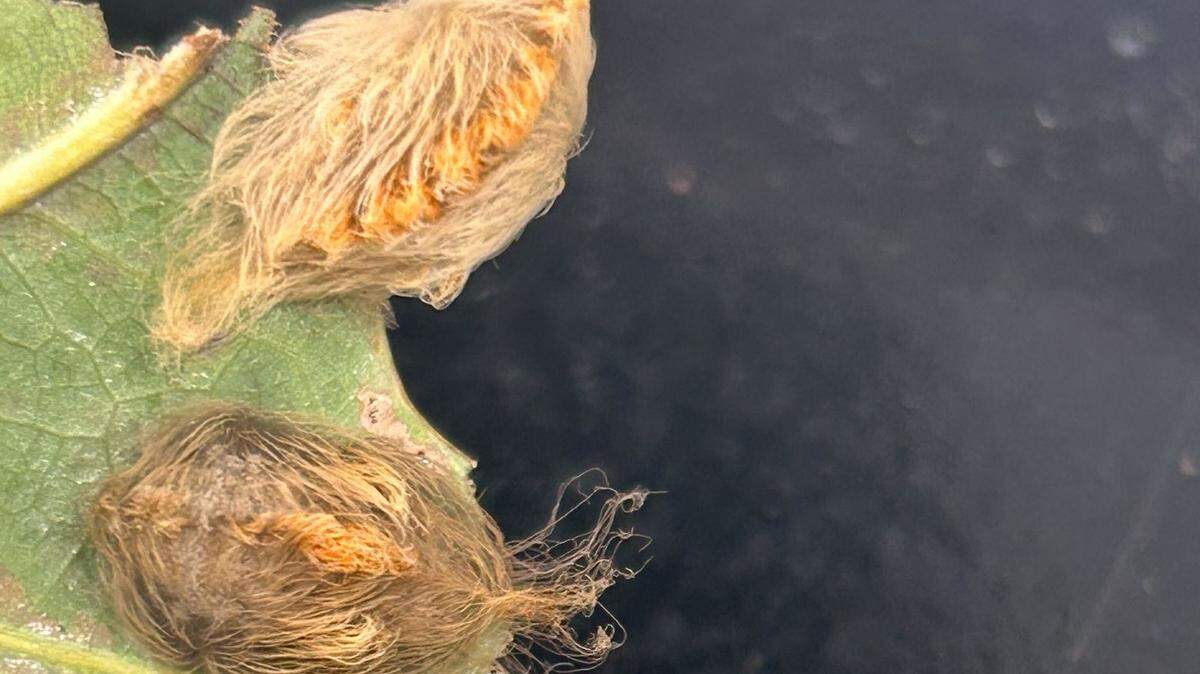
Eric LoPresti, an assistant professor of ecology at the University of South Carolina, used the words “fuzzy” and “adorable” to describe the southern flannel moth, a common springtime insect in North Carolina.
“They look like toupees,” LoPresti said.
While that may be true, these aren’t animals you’ll want to pet.
In 2018, a visitor to Falls Lake described the consequences of his encounter with a southern flannel moth as “the worst pain he’d ever experienced,” The News & Observer reported.
The moth, referred to as the “puss caterpillar” in its larval stage, is scheduled to arrive in North Carolina in April, LoPresti said.
Here’s what to know about the furry insects.
What does the southern flannel moth look like?
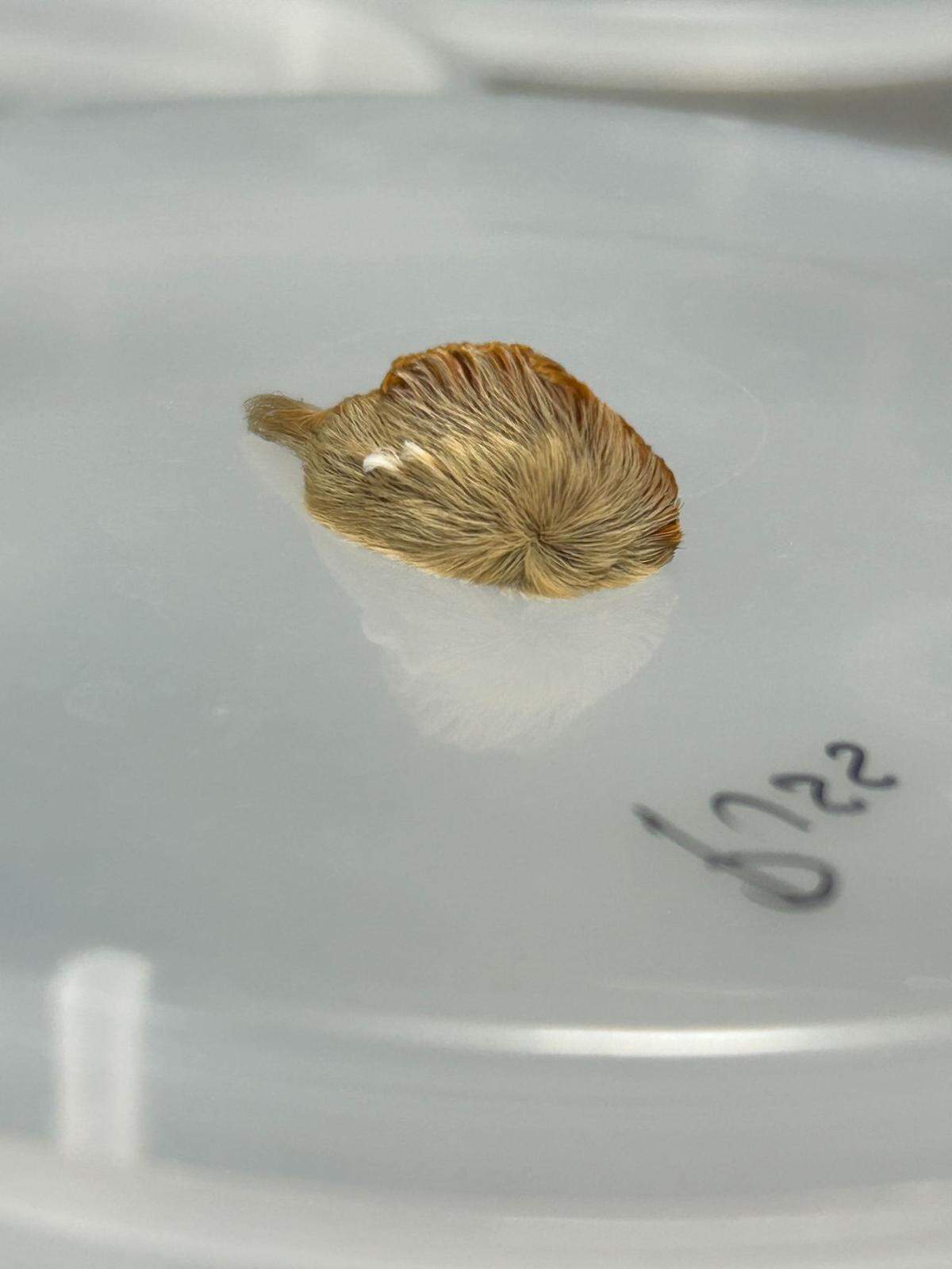
The name “puss caterpillar” comes from their thick, fluffy coat that resembles the fur of a pussycat, according to the N.C. State Extension.
According to the N.C. Division of Parks and Recreation, the inch-long caterpillars are “covered by long, dense, gray to tan hairs” with a “rusty-red crest” along the midline of their backs.
Where are southern flannel moths usually found in NC?
The southern flannel moth is common in the Piedmont and coastal areas of the state, LoPresti said.
As for their habitat, the insects are usually found in trees and forest areas, he added.
Flannel moths typically feed on elms, maples, hackberries, hollies, oaks and sycamores, according to the NC State Extension, so people who have these plants around their properties are more likely to encounter these caterpillars.
How are southern flannel moths dangerous?
The caterpillars produce the “most painful and severe reactions” among animal species that sting, according to the N.C. Division of Parks and Recreation.
They sting through “urticating hairs,” which can get into the skin and release venom, LoPresti said.
The sting can cause a burning sensation, followed by numbness and occasional localized swelling, nausea and vomiting.
“Reddened blotches or mottling develop at the contact site, and in some cases the entire limb from hand to shoulder can become swollen,” the N.C. Division of Parks and Recreation says — but there is good news.
“The nice thing is it’s really easy to avoid getting stung by them,” LoPresti said. “It’s not like they go out of their way to sting you. You’d have to be brushing up against foliage that happens to have the caterpillar there or directly grabbing them for them to sting you.”
What should you do if you’re stung by a southern flannel moth?
If you are stung by a puss caterpillar, you can try these methods from Merck Manuals to treat the pain:
Washing the sting with soap and water and using a hair dryer set on low to dry the area
Putting tape on the site and pulling it off to remove embedded hairs to prevent further injury
Applying isopropyl alcohol (rubbing alcohol) to the sting
Applying a baking soda slurry
Applying calamine lotion
Placing an ice pack or an ice cube wrapped in plastic and a thin cloth over the sting
If you have a more severe reaction to a sting, you should seek immediate medical attention.
How to protect yourself from the southern flannel moth
Protecting yourself from the southern flannel moth is a simple as wearing long sleeves and pants to cover your limbs while doing yard work, LoPresti said, re-emphasizing that stings are rare.
“They’re not something you’re going to encounter on a daily basis in a normal year,” LoPresti said. “It’s good for people to know that these exist, but it’s also not something for people to worry about.”