Do these 4 things to make your AC unit work better this summer
AI-generated summary reviewed by our newsroom.
- Homeowners should check and replace or clean HVAC air filters regularly.
- Thicker 4-6 inch air filters offer better airflow and longer service life.
- Set thermostats to 78°F at home and 80°F when away to reduce system strain.
We’re just a couple of weeks into summer, which means high temperatures in North Carolina aren’t going anywhere anytime soon.
To help homeowners keep their HVAC systems in top shape during the warmer months, The News & Observer contacted Mark Woodruff, senior product manager for ducted outdoor products at Trane, who shared his best tips for smooth operation.
Here’s what you need to know.
Check and clean your air filters
If you want to keep your HVAC system in good shape for the summer season, one of the first things you should do is check your air filters, Woodruff told the N&O in an email.
“Changing the air filters, or cleaning them if applicable, regularly is the top thing you can do to keep your system running efficiently during a heatwave but also year-round,” he said. “If your system uses a common 1-inch air filter, it is recommended that you change your air filters every 30 to 90 days.”
If your air filters require cleaning, you should clean them at least once a month, and be sure to let them air dry for at least 20 minutes to prevent mold from building up in your home, according to The Home Depot.
Avoid certain air filters
While checking your air filters is important, so is making sure you’re using the right ones, Woodruff said, adding that you should avoid using filters that are “too restrictive.”
“If you plan to use high-efficiency air filters, we recommend the 4-inch to 6-inch variety rather than the 1-inch air filters,” he explained. “These thicker filters will have lower restrictions on your system and will usually have a longer service life, only requiring replacement every three to six months in most cases.”
Maintain your HVAC unit
Regular maintenance is important to keep HVAC running efficiently, Woodruff said.
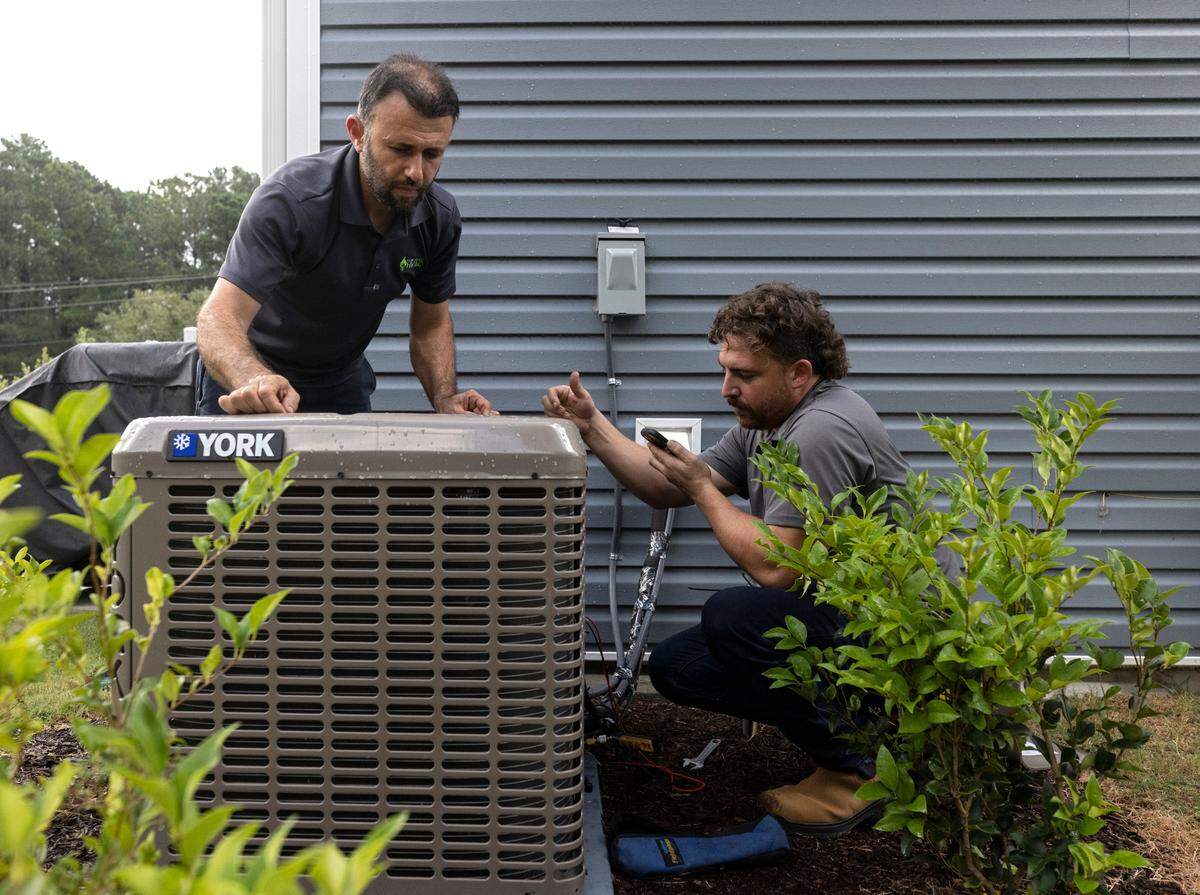
He recommended contacting a specialist to schedule a maintenance check before temperatures rise to ensure all of the parts are in working order.
There are also signs you can look out for that signal your HVAC system may need repairs, The Charlotte Observer previously reported. If you notice any unusual noises, musty smells or weak airflow coming from your air conditioner, you should contact an HVAC technician to examine it.
Optimize your thermostat settings
Woodruff said the best thermostat setting to combat the heat is the highest possible temperature you can set it “to still maintain a level of comfort.”
“The Department of Energy recommends a setting of 78 degrees when you’re home and 80 degrees when you’re away,” Woodruff said. “It’s also important to avoid turning the thermostat down drastically when you come home as this won’t cool your house any faster and can stress your system.”
You should also avoid setting your thermostat lower than usual when you first turn on your air conditioner, since it won’t cool your home faster and could actually increase your energy costs, according to the U.S. Department of Energy.
How to stay safe during a heat wave
To help you beat the heat and stay safe during high temperatures, Ready.gov offers these helpful tips:
Never leave children or pets alone in a parked car, even for a short time.
Cool off with a cold shower and light, breathable clothing.
Cut back on using the oven to keep your home from getting even hotter.
When outdoors, stick to shady areas, wear a hat with a wide brim and avoid being out during the peak afternoon heat.
Drink water regularly to stay hydrated, even if you don’t feel thirsty.
Try to schedule outdoor work or exercise for early morning or evening hours.
Check in on elderly neighbors, relatives or anyone who may be vulnerable to the heat.
Keep pets safe with plenty of water, access to shade and protect their paws from hot pavement.