After NC summer rain, ants often march indoors. Here’s how to keep them out
AI-generated summary reviewed by our newsroom.
- Heavy rain disrupts ant nests, pushing them indoors in search of dry shelter.
- Experts recommend sealing entry points, cleaning surfaces and using bait traps.
- Baits work by reaching and killing the colony's queen, not individual foragers.
When the weather heats up, ants are quick to make themselves at home in your home.
Summer is peak season for these tiny invaders, as their colonies are buzzing with activity.
And you might notice even more ants than usual marching their way inside after a heavy rain. Heavy downpours can send them scrambling for higher, drier ground, which often means your house.
Wondering why rain makes ants crash into your home, and how to stop them? Here’s what you need to know.
Why do ants invade our homes after it rains?
Sage Pest Control, a company based in North Carolina, previously told The News & Observer ants are likely to make their way to your home for the following reasons:
Flooded nests: Heavy rain can drive ants from their underground colonies, pushing them to seek dry shelter indoors.
Food shortages: Washed-away food sources force ants to expand their search, sometimes right into your house.
Drawn to dampness: Ants are naturally attracted to moisture, so wet conditions, puddles, or leaky areas around your home can lure them in.
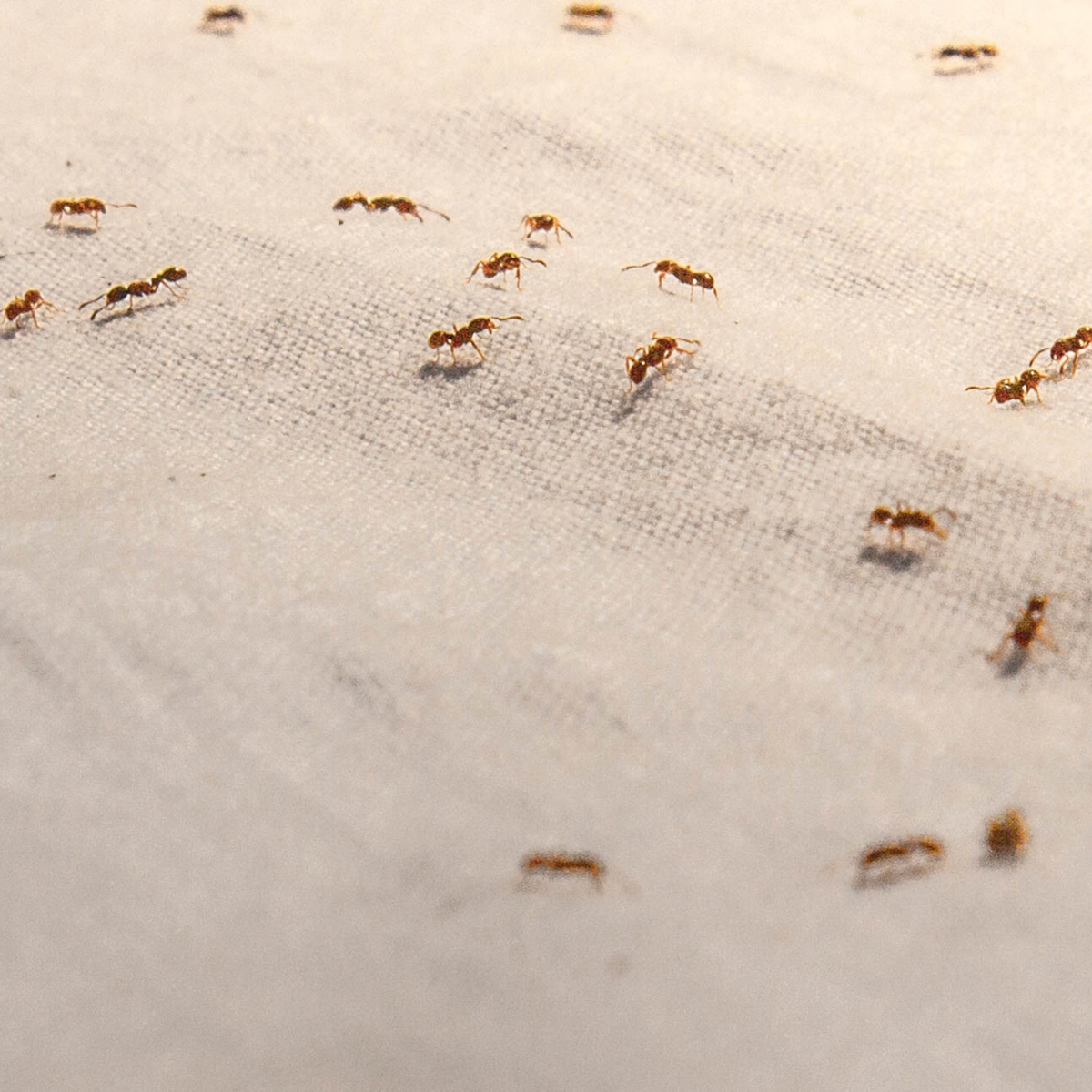
How to get rid of ants in your NC home
Entomologist Sydney Crawley, formerly with NC State Extension, previously told the N&O homeowners should use a three-part strategy to control ants: exclude, sanitize and apply pesticides.
Exclude: Seal up cracks, gaps and any other openings that could let ants inside. Check around doors, windows and utility lines. Fix torn window screens, replace worn weather stripping and trim back plants and trees that touch your house to eliminate easy access routes.
Sanitize: Ants are drawn to crumbs, spills and dirty dishes. Store food in sealed containers and wipe down counters regularly. Fix any leaky faucets or drains, as standing water and moisture can also attract them.
Apply pesticides: Ant baits containing a slow-acting poison like boric acid are effective for many household ant species, especially those with a sweet tooth. Foraging ants carry the bait back to the nest, where it eventually reaches and kills the queen – the only way to eliminate the colony for good.
How to use bait to trap ants
You can also use ant bait traps, but there’s one important thing to keep in mind when doing so, Chris Hayes, an extension associate of structural pest management at NC State University who specializes in educating the pest management industry on critter habits, previously told The Charlotte Observer.
“Once they’re eating the bait, you can’t kill them,” Hayes said. “The way it works is, they take that bait back to the nest and it kills the queen. There are colonies where you could squish 90-95% of the colony, and if the queen lives, they will come back. So the only way to get rid of an ant infestation or to kill ants around your property is to kill the queen.”
Here are a few types of ant control products to consider:
Gel baits: Ideal for applying in hidden or hard-to-reach spots inside your home.
Granular baits: Can be spread in your yard to target ants both indoors and outdoors.
Liquid pesticides: Ready-to-use sprays can be applied around your home’s foundation to help keep ants (and other pests) from getting inside.
Important tip: If you’re using bait, avoid spraying ants or their trails with chemical products like Raid. Doing so can contaminate the bait.
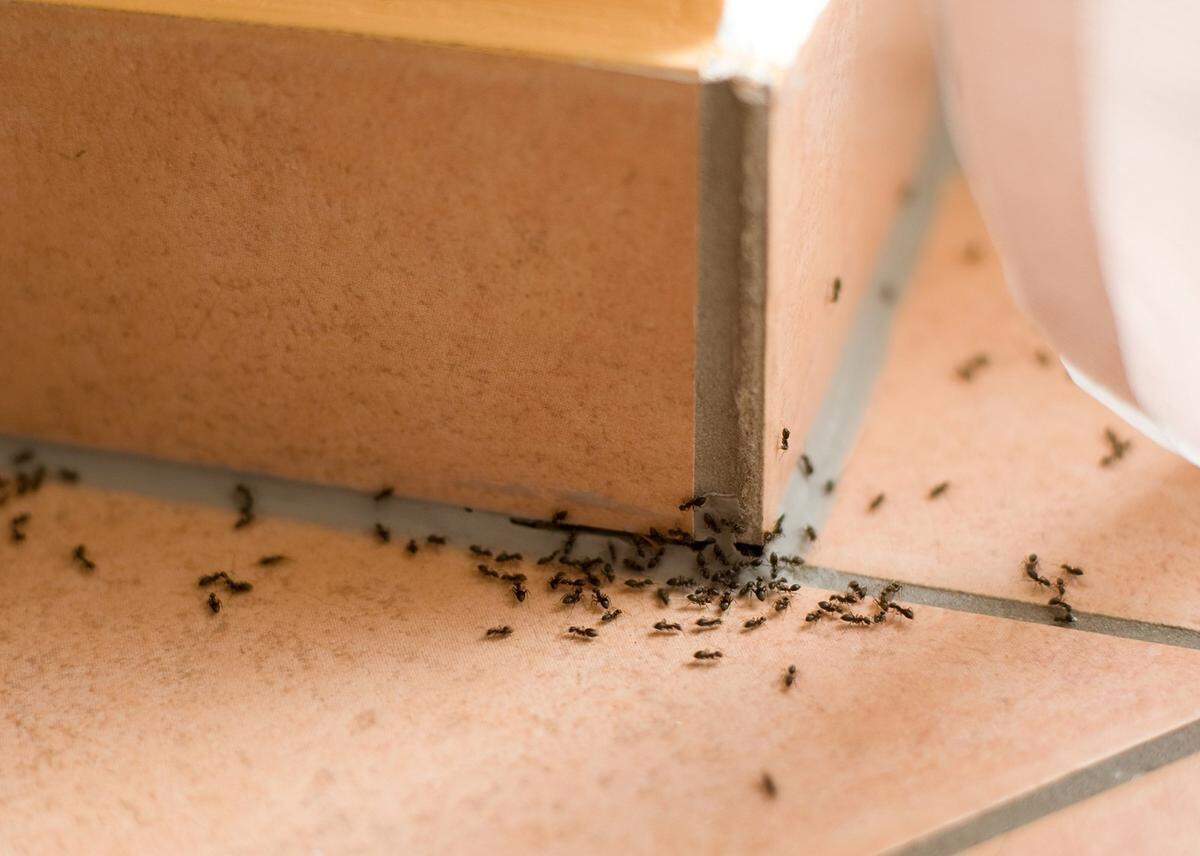
How to keep ants out of your North Carolina house
To help keep ants out of your home, it’s important to seal up entry points like doors and windows and keep trees and shrubs trimmed back, Hayes previously told the Observer.
“If you have bushes along the side of your foundation, and the branches of those bushes or the leaves are pushed up against the side of your house, that is an easy way for ants to go from nature into your structure, so keeping those cut back is important,” Hayes said.
The NC State Extension also offers these key tips for preventing ants indoors:
Wipe up food crumbs and spills right away
Rinse out containers before tossing them into the recycling bin
Clear leftover food from the sink after doing dishes
Store food in sealed containers or refrigerate it
Avoid leaving pet food out
Fix any leaks or drips around your home
Keep mulch, leaves, and plants at least 10–12 inches from the foundation
Stack firewood and lumber well away from your house
If ants have already made their way inside, your best bet is to call a licensed pest control professional.
Do essential oils or home remedies work for killing ants?
They can. Peppermint oil is a popular natural ant repellent, according to Bug Out NC, a pest control company. Its strong scent disrupts ant scent trails and irritates them, making it harder for them to navigate or communicate.
However, it’s only a short-term solution and should only be used for minor infestations, the site says.
Other essential oils that can repel ants include tea tree oil, lemon oil and lavender oil.
This story was originally published July 17, 2025 at 12:03 PM with the headline "After NC summer rain, ants often march indoors. Here’s how to keep them out."