Lawn-eating bugs are at their peak in NC. How to identify & control them
AI-generated summary reviewed by our newsroom.
- White grubs, larvae of scarab beetles, remain underground for most of the year.
- Grubs feed on plant roots and may attract raccoons or skunks that dig up lawns.
- Detection requires digging; pest control and plant selection help manage risk.
We all know about common household pests, like mice, ants and mosquitoes. But there’s another pest lurking beneath the soil — white grubs.
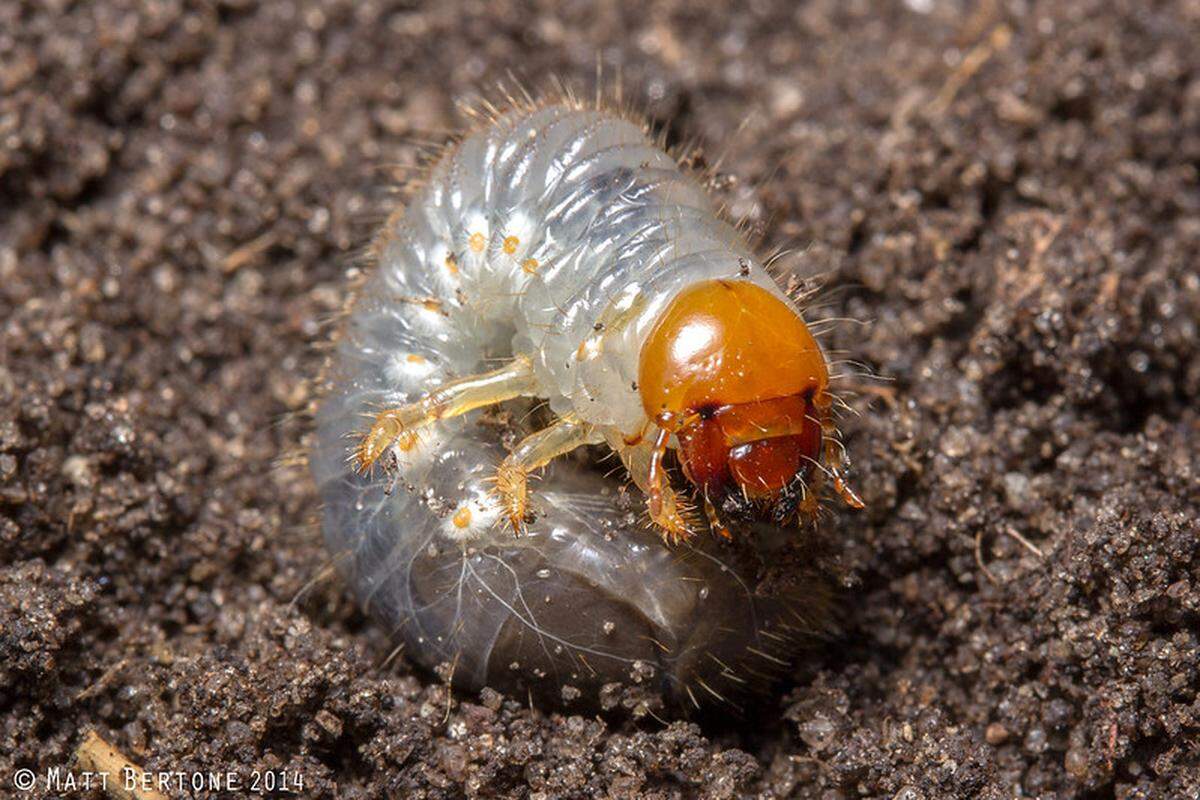
White grubs are the larvae of scarab beetles, a family that consists of more than 30,000 beetle species worldwide, Terri Billeisen, director of undergraduate programs at N.C. State’s entomology and plant pathology department, told The Charlotte Observer.
“One of the most common scarabs around here is the Japanese beetle,” Billeisen said.
And unfortunately for homeowners, if you have a white grub infestation you may not even know it — and they could damage your plants if you don’t get rid of them.
Here’s what you need to know about white grubs.
When are white grubs most active?
Nearly year-round, Billeisen said.
She explained that adult scarabs are most active during summer and lay eggs in this time, before the larvae hatch and are present for about nine months out of the year.
“They overwinter in that life stage, they spend the spring in that life stage, and then they pupate and then emerge adults a couple weeks later,” said Billeisen.
Where are white grubs found in NC?
In the soil, Billeisen said.
“They’re not super mobile,” she added. “They do have legs, but they’re awkward crawlers, so they create these little, circular depressions in the soil. And they’ll move a little bit up and down and soil profile depending on how dry it is.”
White grubs will burrow deeper into dry soil, and after rain, they’ll come up close to the surface to feed on grass roots or roots of plants growing in that area, Billeisen said.
“They just hang out there until they complete development,” said Billeisen.
Are white grubs dangerous to humans or pets?
No, Billeisen said.
“They’re just an annoyance,” she said. “If you have a lot of them feeding, they can cause plant damage.”
How do white grubs damage plants?
White grubs damage plants by feeding on their roots, according to Colorado State University’s College of Agriculture Sciences.
In severe cases, damage is so apparent that parts of lawns can be peeled back easily, “as if it had been newly laid sod,” the college says.
White grubs can also attract the attention of raccoons and skunks, which will dig up lawns in search of grubs, causing even more damage.
What are the signs of a white grub infestation?
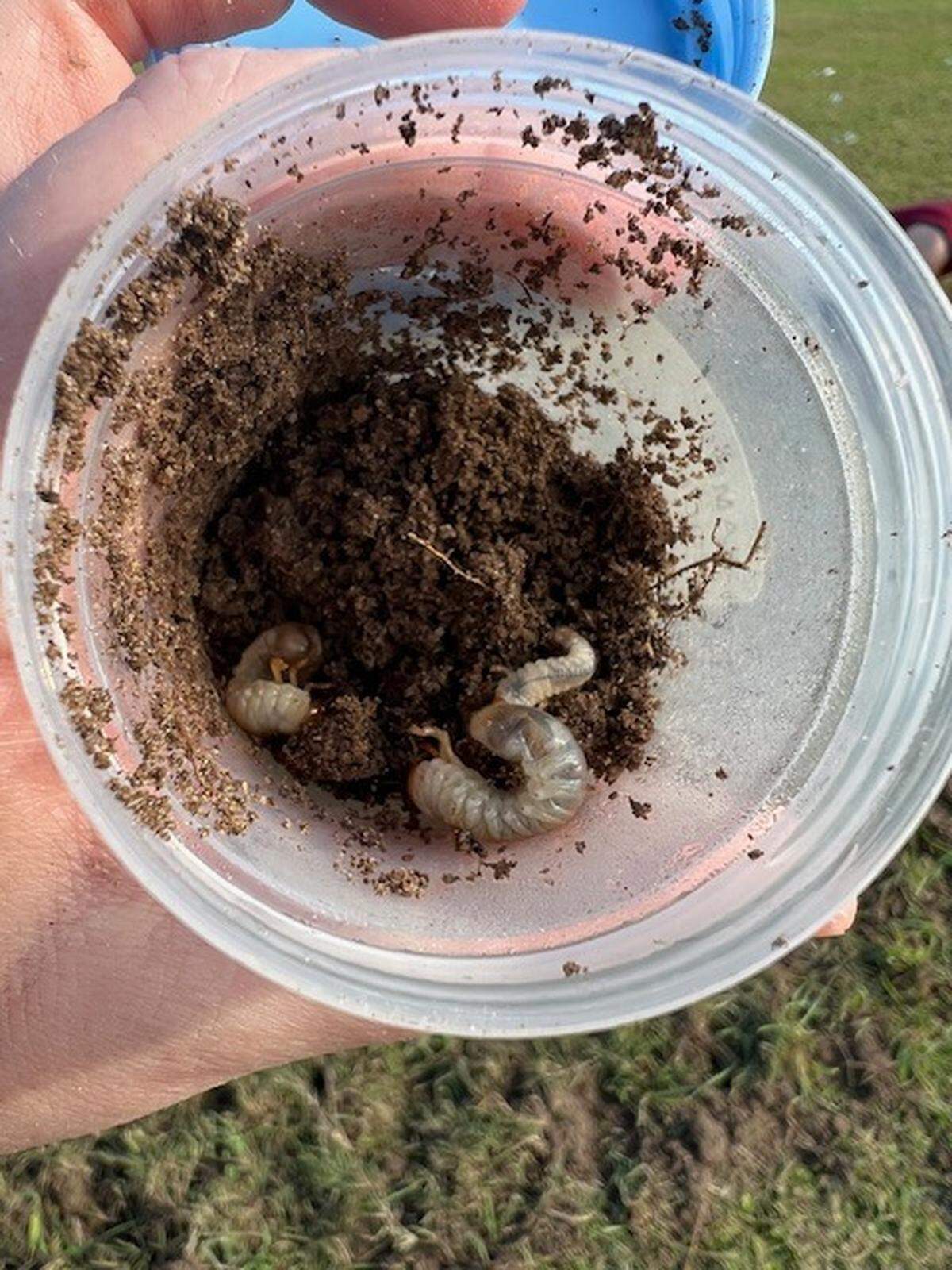
Typically, there are no visible signs of an infestation, Billeisen said.
That’s because white grubs are typically burrowed 3-5 inches deep in the soil.
“You don’t really know they’re there unless you’re seeing damage and you kind of dig around to investigate,” said Billeisen. “People who commonly find them are any kind of people that garden or that like to plant flowers in the spring and summer, they’ll inadvertently find them as they’re digging around. So you don’t really know they’re there until you actually see them.”
How to get rid of white grubs
If you find white grubs near your home, it’s best to contact a licensed pest control company to remove them, Billeisen said.
However, there are some ways you can discourage them from coming around your home.
One way is by being selective about the plants around your home, Billeisen said. For example, green June beetles, another scarab, are attracted to fruit plants, so they’re more likely to be found around apples or peaches.
Hardware stores also carry products designed to control white grub populations, she said, such as sprays, granules and concentrates.
Invasive worms in NC
White grubs aren’t the only bugs detrimental to lawns in North Carolina. Note these invasive worms to look out for:
- Flatworms: Known for being long and flat, hence the name, they’re also infamous for killing other native worms, snails and slugs, The News & Observer reported. There are five species of them in North Carolina, ranging in color from striped and brown to black and gray. They’re also only found in wet environments and can reproduce sexually and asexually, when the body breaks, and each segment becomes a new worm. Flatworms are known to kill other native worms, snails and slugs, making them a damaging predator in our region.
- Jumping worms: Another species of earthworm, these worms can grow up to seven inches in length and are often brown, with a light, cream-colored saddle, according to the N.C. State Extension. The “jumping” in its name comes from the worm’s response to being disturbed, when it makes a flailing motion. These worms consume large amounts of leaf litter and organic matter, making them harmful to soil nutrition.
- Fall armyworm: These worms (which are actually caterpillars) usually don’t appear until fall, but according to Super-Sod, a sod supplier based in the Charlotte area, sightings have already been reported in southern states. The worms are about 1 to 1.5 inches long, with striped bodies and an upside-down Y-shaped marking on their head. They eat the soft parts of grass leaves and leave behind just the tough stems, which can weaken lawns and pastures, causing brown patches that spread quickly, according to the N.C. State Extension.
This story was originally published July 29, 2025 at 1:44 PM.