NC’s humid weather attracts cockroaches. How to keep them out of your home
AI-generated summary reviewed by our newsroom.
- Warm, humid NC summers create ideal nesting conditions for cockroach infestations.
- Cockroaches spread allergens and bacteria, posing health risks to residents.
- Sealing entry points and removing food sources helps prevent indoor infestations.
North Carolina summers bring the heat — and with it, an uptick in unwanted houseguests like cockroaches.
According to Triangle Pest Control, cockroaches are “nocturnal and thrive in warm, humid conditions,” making the state’s summer weather ideal for them to multiply and spread.
These pests can also carry harmful bacteria, such as Salmonella, according to the National Pest Management Association. They’re also a known source of indoor allergens, which can trigger asthma and other respiratory issues.
Here’s what attracts cockroaches into your home, how to spot the signs and what you can do to keep them out.
Why do cockroaches go inside homes?
Cockroaches often make their way into homes in search of something specific: food, Kristin Dodd, manager of Carolina Pest Management, previously told The Charlotte Observer. Even the smallest openings can be an invitation for these pests.
“You’ll see them come in through windows and doors that aren’t sealed properly, or through plumbing,” Dodd said. “It doesn’t take a large opening for them to get through.”
Once inside, cockroaches tend to settle in dark, damp spots — especially places where food is easy to find, Dodd said. That includes kitchens, bathrooms and basements, as well as areas around trash cans or pet food bowls.
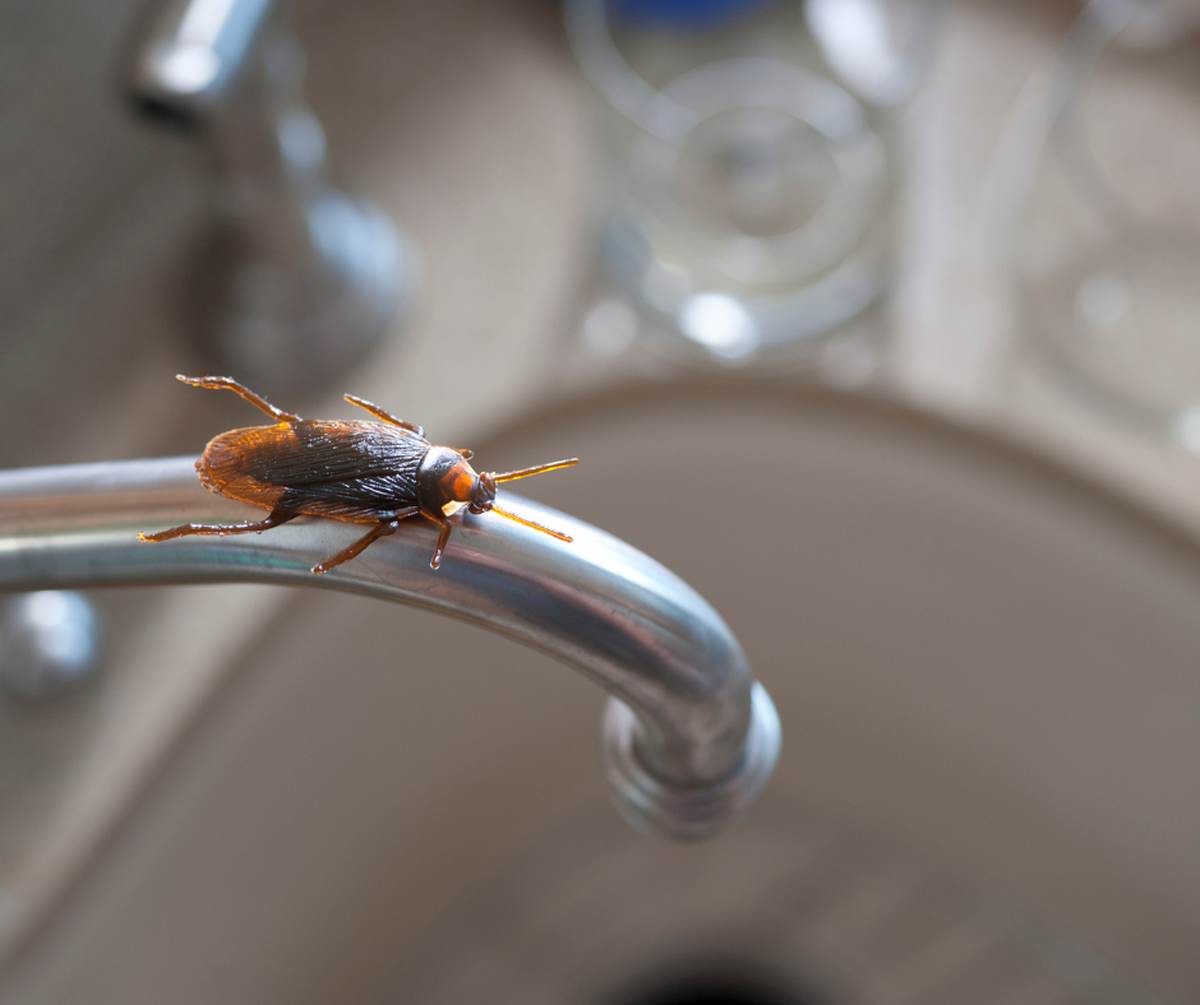
What are some signs of a cockroach infestation?
According to Orkin, signs cockroaches could be in your home include:
Droppings: Cockroach feces may look like coffee grounds, black pepper or small cylinders, depending on the size of the roach. More droppings often indicate a larger or longer-lasting infestation.
Odor and dead roaches: A strong, musty or oily smell can signal a serious infestation. You may also find dead cockroaches around the home.
Egg cases: Look for oval-shaped egg cases in hidden spots like behind furniture or between books.
Are cockroaches dangerous?
They can be.
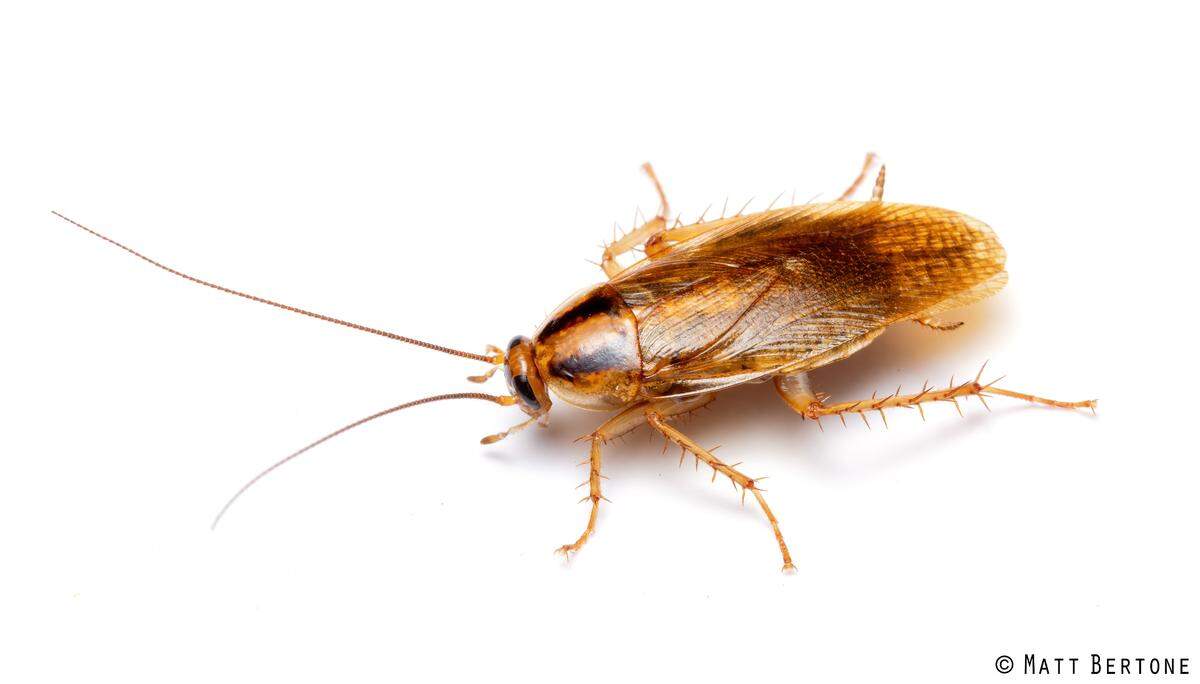
German cockroaches, one of more prevalent species in the state, are a common source of indoor allergens, Chris Hayes, a pest management specialist at NC State University, previously told the Observer. These allergens come from the roaches’ saliva, droppings and the skin they shed as they grow.
Hayes explained that German cockroaches tend to cluster in groups, or “aggregations,” often hiding together in the same small areas. Over time, allergens can build up in those spaces and spread throughout the home — even into rooms where no cockroaches are currently present.
“It could be because you moved some furniture or something and stirred it up, producing these heavy allergens,” he said.
According to the Asthma and Allergy Foundation of America, cockroach allergies can trigger symptoms like sneezing, nasal congestion, runny nose and itchy, watery eyes.
And it’s not just German cockroaches you need to worry about. American cockroaches can pick up harmful bacteria like Salmonella and listeria from sewers and bring them into your home.
How to get rid of cockroaches
To get rid of cockroaches, it’s best to call a licensed pest control professional, Hayes previously told the Observer.
While baits and insecticides can help control German cockroaches, they work best when other food sources are removed (think: dirty dishes, trash, pet food), Hayes said.
Cleaning up spills and fixing leaks can also make your home less inviting to cockroaches.
How to keep cockroaches away
To keep cockroaches out of your home, Hayes said you have to “make sure your home is inhospitable to them.”
That means:
Store all food in sealed containers and avoid leaving anything out overnight.
Repair any leaky faucets or pipes to eliminate water sources.
Seal gaps around doors, windows, and other potential entry points.
Keep gutters clean and free of debris to prevent moisture buildup.
Trim back plants or shrubs that are touching your home’s foundation.