Which NC mosquitoes, bugs carry West Nile virus? What to know after 1st case
AI-generated summary reviewed by our newsroom.
- North Carolina confirmed its first 2025 West Nile virus case in Durham County.
- Infected mosquitoes and rising virus activity underscore mosquito control urgency.
- Experts recommend removing standing water and using EPA-registered repellents.
North Carolina has confirmed its first human case of West Nile virus in 2025, health officials announced Wednesday, July 30.
The case was detected in a resident of Durham County, according to a news release from the N.C. Department of Health and Human Services (NCDHHS). No additional information was released to protect the patient’s privacy.
Mosquitoes infected with West Nile virus were also recently identified in Pitt County during routine monitoring, the department said.
“This is the time of year when West Nile virus activity typically increases across North Carolina,” Emily Herring, NCDHHS public health veterinarian, said in the release. “This recent case highlights the importance of preventing mosquito bites to reduce the risk of infection.”
West Nile virus is a mosquito-borne illness that can cause fever, headaches and body aches, though most infected people don’t show any symptoms, according to the Centers for Disease Control and Prevention. In rare cases, it can lead to serious neurological conditions like meningitis or encephalitis.
“People should take steps to prevent mosquito bites and all bug bites anytime they’re going to be outside in order to reduce their risk of getting West Nile or any vector-borne diseases, which are diseases carried by mosquitoes fleas, and ticks,” said James Salter, Durham County Environmental Health director, The News & Observer previously reported.
Read more at: https://www.newsobserver.com/news/local/counties/durham-county/article311524758.html#storylink=cpy
Here’s what you need to know about the virus and the mosquitoes that carry it.
US West Nile virus cases
As of Tuesday, July 29, there had been 98 cases of West Nile virus reported in the U.S. in 23 states, according to the CDC.
Cases have been reported in neighboring states, including South Carolina, Virginia, Tennessee and Georgia.
How is West Nile virus treated?
There’s no antiviral treatment for West Nile virus, but mild symptoms can be managed at home with over-the-counter medications, according to Cleveland Clinic.
But severe cases with neurological symptoms may require hospitalization, where doctors can provide supportive care such as IV fluids, oxygen, antiseizure meds and treatments to reduce brain swelling, Cleveland Clinic says.
Most mild cases clear up in a few weeks, though fatigue and muscle weakness can last longer. In severe cases involving the nervous system, long-term issues like memory loss or balance problems may occur, and about 1 in 10 of those cases can be fatal.
Which NC mosquitoes carry West Nile virus?
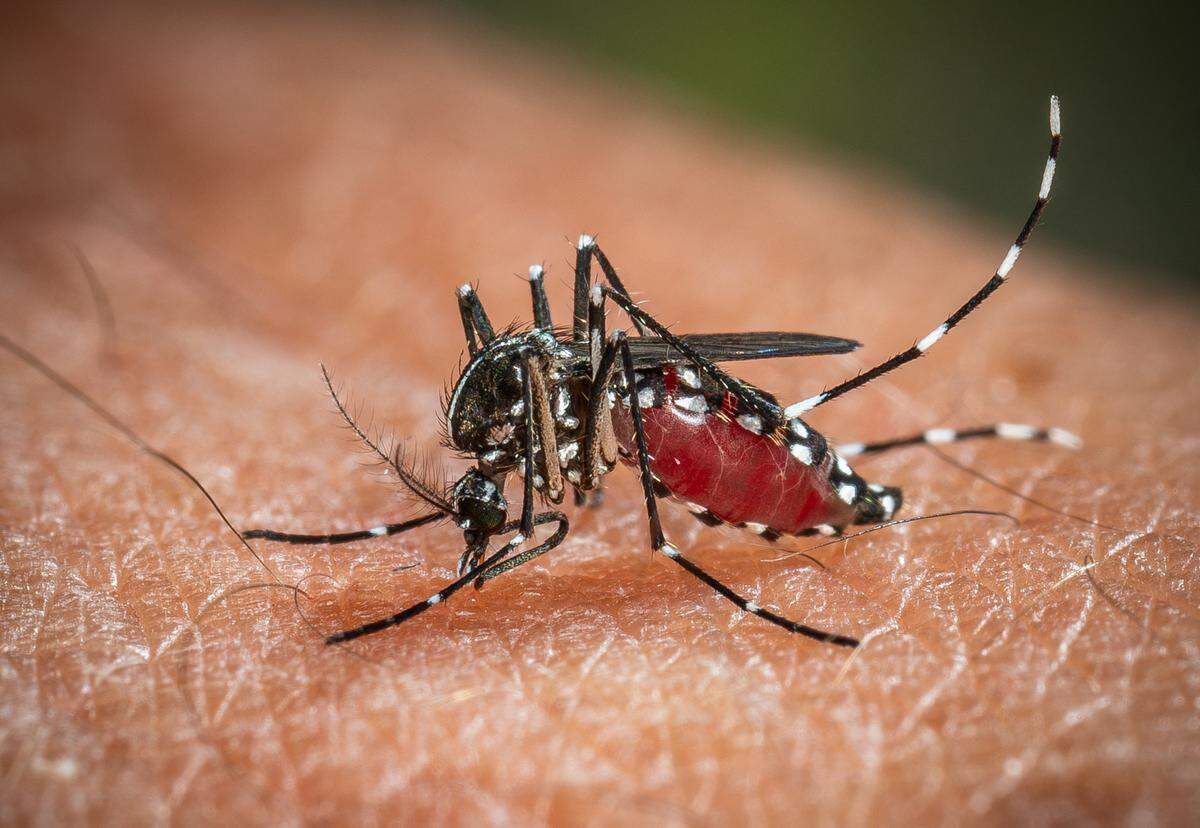
The Asian tiger mosquito, one of the most common mosquito species found in the state, is a known vector for West Nile virus, Chris Hayes, a postdoctoral scholar at N.C. State University who specializes in educating the pest management industry on critter habits, previously told The Charlotte Observer.
Asian tiger mosquitoes are considered “container breeders,” meaning they thrive in places like buckets, tires, toys or anything else that can collect and hold water, Hayes said.
To help manage mosquito populations around the home, NC State Extension’s entomology department recommends the “tip and toss” method to eliminate standing water.
“The idea is to disrupt and (preferably) to eliminate the many breeding sites that often exist around our homes and are quite likely the result of our own activities (or inactivity),” a blog post says.
Standing water can often be found in bird baths, cans, plastic tarps, swimming pools, gutters and rain barrels, according to N.C. State.
Other mosquitoes that carry West Nile virus include the northern house mosquito and eastern saltmarsh mosquito, according to Triangle Pest Control.
Are some people more prone to mosquito bites than others?
No, it’s a common misconception that mosquitoes prefer to bite certain people more than others, Hayes previously told the Observer.
“There are some people maybe who smell different to them,” said Hayes. “But really what it boils down to is an allergic response.”
According to Hayes, the itching and swelling that follow a mosquito bite are allergic reactions to proteins in the mosquito’s saliva — and some people are simply more sensitive to those proteins than others.
What are the symptoms of a mosquito bite?
Children are more likely to have a severe reaction to mosquito bites than adults, Mayo Clinic says.
According to Mayo Clinic, mosquito bite symptoms include:
- An itchy, inflamed bump that forms a few minutes after a bite
- A painful spot that looks like a hive and forms within 24 hours after a bite
- Small blisters
Severe reactions can lead to large, inflamed areas, hive-like rashes and swelling around the eyes, according to Mayo Clinic.
How to protect yourself from mosquito bites
To help avoid mosquito bites, you can use insect repellents containing picaridin, a synthetic compound designed to repel insects, Hayes previously told the Observer.
The CDC advises using insect repellents that are registered with the Environmental Protection Agency and contain at least one of the following active ingredients:
- DEET
- Picaridin
- IR3535
- Oil of lemon eucalyptus
- Para-menthol-diol
- 2-undecanone
Hayes added that natural options, like essential oil-based creams made with ingredients such as lemongrass or citronella, may also offer some protection.
How to keep mosquitoes away from your home
The most effective way to protect yourself and your home from mosquitoes is to hire a pest control professional, as they have access to mosquito management tools that aren’t available to the general public, Hayes previously told the Observer.
While over-the-counter insecticides can work, he advised homeowners to use caution when applying them.
“Be very careful when applying insecticides by yourself,” Hayes said. “The general public is not always educated on safety measures when using them.”
He also recommended wearing protective gear during application and ensuring that children and pets stay away from treated areas.
“If you get insecticides on anything, make sure you clean it or throw it away,” he said.
The News & Observer’s Kristen Johnson contributed to this report.