
Should you wear a helmet sledding? UNC doc’s advice after weekend snow injuries
AI-generated summary reviewed by our newsroom.
- Experts advise wearing bike or ski helmets while sledding to reduce head injuries.
- Choose gentle, open slopes free of trees, fences, rocks and roads to prevent crashes.
- Always sled sitting feet-first, one rider at a time, with adult supervision nearby.
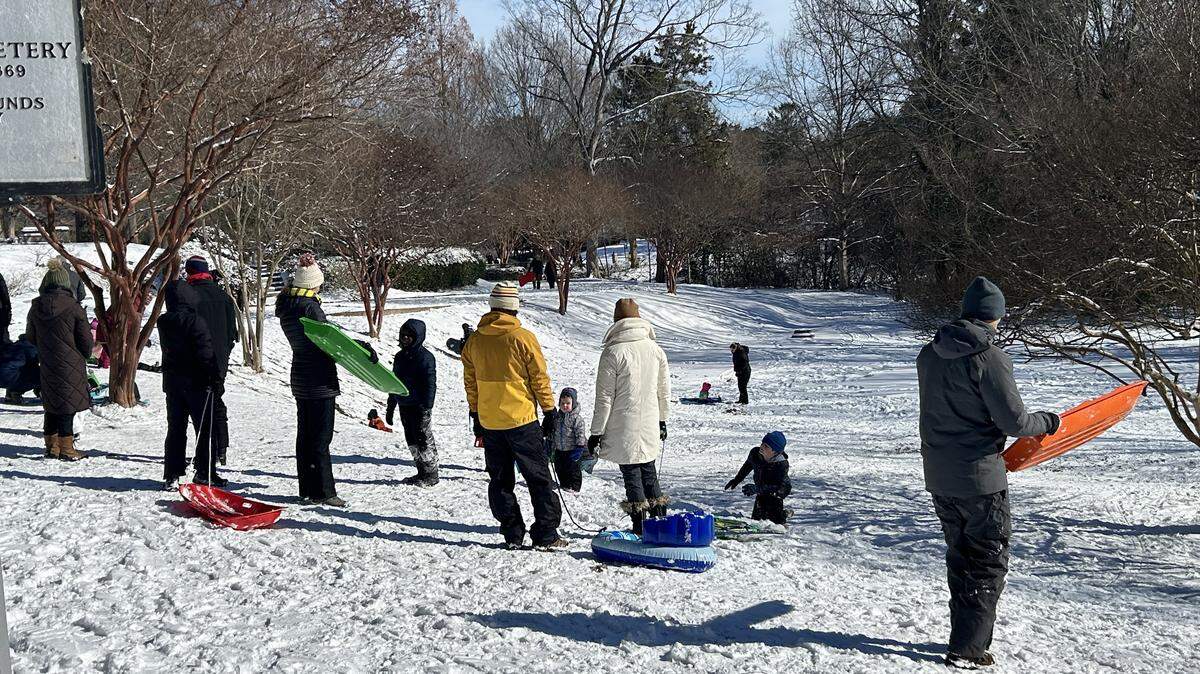
Sledders took to the slopes this weekend as North Carolina was walloped by a historic winter storm that dumped several inches of snow across the state.
Sliding down an icy hill at “upwards of 20 miles per hour” is surely a thrill, but comes with its risks — including skull fractures, according to the National Safety Council.
Across the Triangle, UNC Health’s hospital emergency departments saw “a couple dozen weather-related” injuries over the weekend, mostly from sledding or slipping. Some were orthopedic, and others were minor head injuries, Director of Media Relations Alan Wolf told the News & Observer.
“Most sledding injuries we see are preventable,” said Dr. Daniel Park, medical director of the children’s emergency department at UNC Hospitals in Chapel Hill.
“A little attention to hill choice, conditions, and supervision goes a long way toward keeping kids safe while still letting them have fun.”
But what about wearing a helmet? Here’s what experts said:
Should you wear a helmet when sledding?
The short answer? Yes.
Protective headgear should be worn by everyone, adults and kids, to prevent injury while sledding.
“The landscape changes when it snows,” Dr. Lauren Fitzpatrick, medical director of the pediatric emergency room at Anne Arundel Medical Center in Maryland, told Fox 5 DC. “So we want to make sure (children) are in areas that are safe of significant amounts of trees, any type of creek or water — we wouldn’t want them to be near. And we want to make sure they’re going out with helmets on.”
Another important tip: always slide feet first.
“It’s very important for their feet to take impact if they were to hit anything, as opposed to their head or their necks,” Fitzpatrick said.
Sledding safety tips
If you or a loved one plan to hit the slopes at the next sign of winter weather, Dr. Park suggests the following tips to stay safe and have fun.
- Find gentle, open slopes that are free of trees, fences, rocks, poles, and roads.
- Avoid icy conditions, as hard-packed snow or ice “dramatically increases speed and loss of control,” which can lead to injuries.
- Use steerable sleds or tubes specifically designed for snow.
- Use a bike or ski helmet to significantly reduce the risk of head injury,
- Always sled sitting down with feet pointing downhill; never head-first.
- Limit one rider at a time to avoid collisions.
- Adults should stick around to supervise younger sledders, getting a full view of the run.
This story was originally published February 2, 2026 at 2:45 PM with the headline "Should you wear a helmet sledding? UNC doc’s advice after weekend snow injuries."