A deadly, flesh-eating bacteria is spreading along the NC coast. What to know
AI-generated summary reviewed by our newsroom.
- North Carolina reported 135 Vibrio infections in 2025, including one death.
- Thirteen cases were Vibrio vulnificus, a species that can cause necrotizing fasciitis.
- Vibrio spreads via raw or undercooked seafood and wounds exposed to brackish water.
North Carolina saw more than 100 cases of a sometimes flesh-eating bacteria in 2025.
Vibrio, a bacteria found in salt and brackish water, is contracted when wounds are exposed to water containing the bacteria or eat raw or undercooked shellfish. The North Carolina Department of Health and Human Services told The Charlotte Observer there were 135 cases of Vibrio recorded in the state last year, including one death.
Thirteen of those cases were Vibrio Vulnificus. This species of the bacteria causes necrotizing fasciitis, a condition in which the flesh around a wound dies. One in 5 people who contract Vibrio Vulnificus typically die, according to the Center for Disease Control. Sometimes amputation is required, and the illness can progress rapidly.
Vibrio is more prevalent in summer because it thrives in higher water temperatures, The Observer previously reported. It becomes active in water temperatures above 60 degrees Fahrenheit, and it multiplies quickly as coastal waters warm throughout the summer, Grist recently reported, noting climate change is making the world’s oceans more hospitable to the bacteria.
There are more than 200 species of Vibrio, but only a few cause severe illness or necrotizing fasciitis.
Vibrio case data is released quarterly by NCDHHS. Data for the first quarter of 2026 will be released in May.
Common Vibrio symptoms
Common Vibrio symptoms according to the Center for Disease Control:
- Watery diarrhea
- Stomach cramps
- Nausea
- Vomiting
- Fever
- Chills
Signs of a vibrio bloodstream infection include:
- Fever
- Chills
- Dangerously low blood pressure
- Blistering skin lesions
A wound infection could also include:
- Redness
- Pain
- Swelling
- Warmth
- Discoloration
- Leaking fluids
Are you at risk of Vibrio?
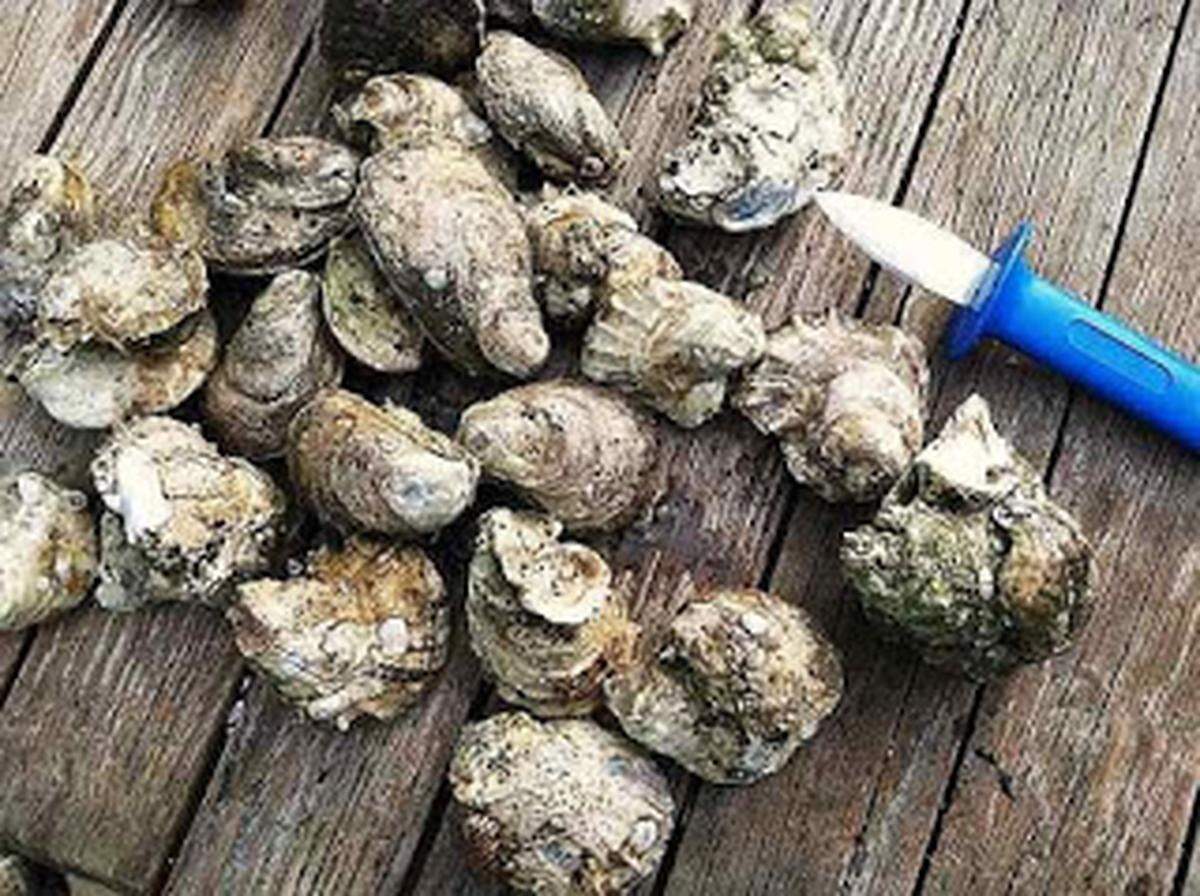
People can get Vibrio by eating raw or undercooked seafood or exposing an open wound to brackish water or seafood drippings. Raw oysters are a common culprit. The Center for Disease Control estimates that out of 80,000 vibriosis cases yearly, 52,000 are from eating contaminated foods.
Anyone can get Vibrio, but those with liver disease, cancer, diabetes, HIV, thalassemia, receiving immune-suppressing therapy, taking medicine to decrease stomach acid or having recently had stomach surgery are at high risk of severe complications.
Antibiotics are generally not used to treat milder cases, but may be used to treat severe vibrio cases, according to the CDC.
This story was originally published May 1, 2026 at 9:22 AM.