A deadly, flesh-eating bacteria is spreading in NC. What to know
AI-generated summary reviewed by our newsroom.
- North Carolina confirms 59 Vibrio infections and one death as of July 31, 2025.
- Vibrio vulnificus enters through open wounds in warm salt or brackish waters.
- State health officials advise wound protection and thorough cleaning if exposed.
State health officials are warning beachgoers about a flesh-eating bacteria that can be fatal in a matter of days if swimmers become infected with it.
There have been 59 Vibrio infections and one death in the state from the bacteria through Thursday, July 31, Hannah Jones, a press assistant for the N.C. Department of Health and Human Services (NCDHHS), told The Charlotte Observer in an email.
Vibrio live in brackish and salt water, and there are more than 200 species of them — but only a few cause health issues, according to NCDHHS.
“Vibrio infections are often associated with eating raw or under-cooked shellfish such as oysters, clams, shrimp and scallops,” Jones said, noting that some species of Vibrio can enter the body through a cut or scrape while swimming.
Seven of the 59 Vibrio cases in the state are from Vibrio vulnificus, a species of Vibrio that can get into the body through an open wound, Jones said.
Here’s what you need to know to keep yourself safe.
Vibrio vulnificus infections
Most Vibrio infections occur in the summer months when water temperatures are higher and there are more bacteria living in the water, according to NCDHHS.
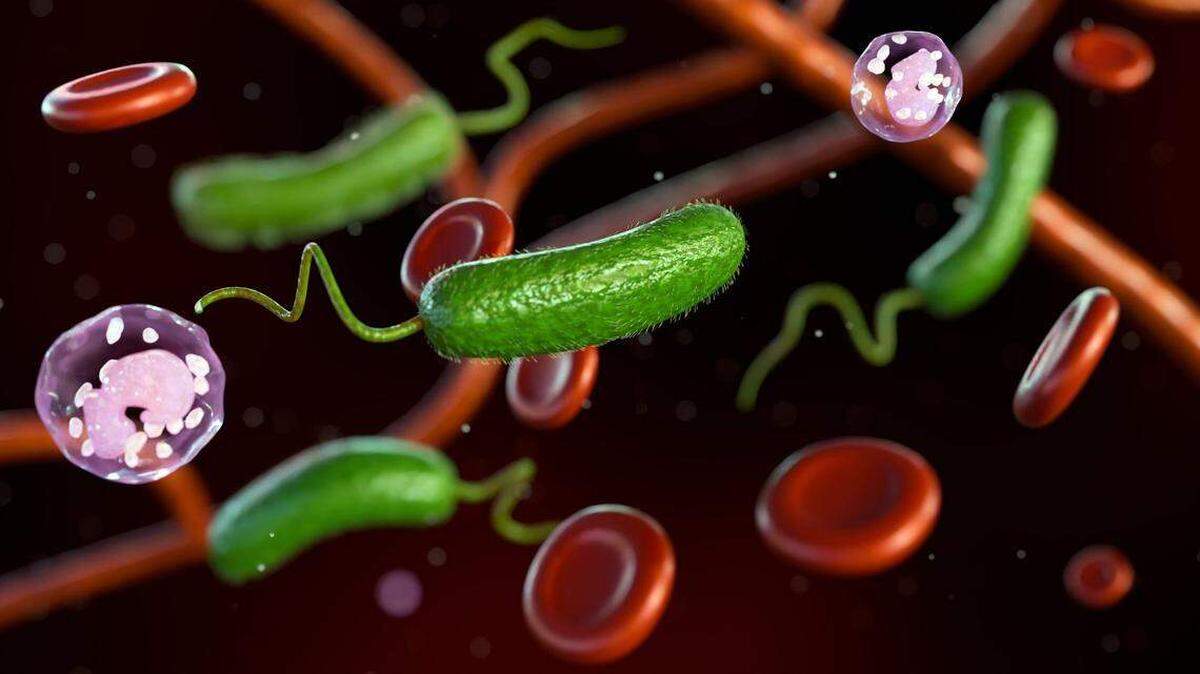
Vibrio symptoms
According to the Centers for Disease Control and Prevention, signs and symptoms of a Vibrio wound infection include:
- Fever
- Redness
- Pain
- Swelling
- Warmth
- Discoloration
- Discharge (leaking fluids)
Vibrio vulnificus infections can cause severe illness, often requiring intensive care or even limb amputation, according to the CDC. Around one in five people with the infection die – sometimes just a day or two after symptoms begin.
Who is most at risk for a Vibrio infection?
Anyone can get infected with Vibrio, but some medical conditions and treatments can increase your risk of infection and severe complications, according to the CDC. They include:
- Having liver disease, cancer, diabetes, HIV or thalassemia
- Receiving immune-suppressing therapy for the treatment of disease
- Taking medicine to decrease stomach acid levels
- Having had recent stomach surgery
People who expose open wounds to coastal waters, raw seafood or its drippings are also at higher risk of infection, the CDC says.
.jpg "8C1A9F14-1DD8-B71C-0718B4A37A8F04BDOriginal (3).jpg")
How to avoid Vibrio infections
To avoid Vibrio infections, you should stay out of salt water if you have a wound, including from a recent surgery, piercing or tattoo, according to the North Carolina Sea Grant, a state program that promotes the sustainable use of marine resources.
If your wound comes in contact with salt water, or with the juices of raw or undercooked seafood, the program recommends covering it with a waterproof bandage.
You can follow these steps if you have an open wound that has been exposed to salt water or seafood juices:
- Thoroughly wash the wound with soap and water.
- Flush the wound with hydrogen peroxide or antiseptic solutions, such as Betadine.
- If soap and antiseptic solutions are unavailable, flush the wound with bottled drinking water.