
Striking shorebird on Outer Banks has become the stuff of legend, NC park says
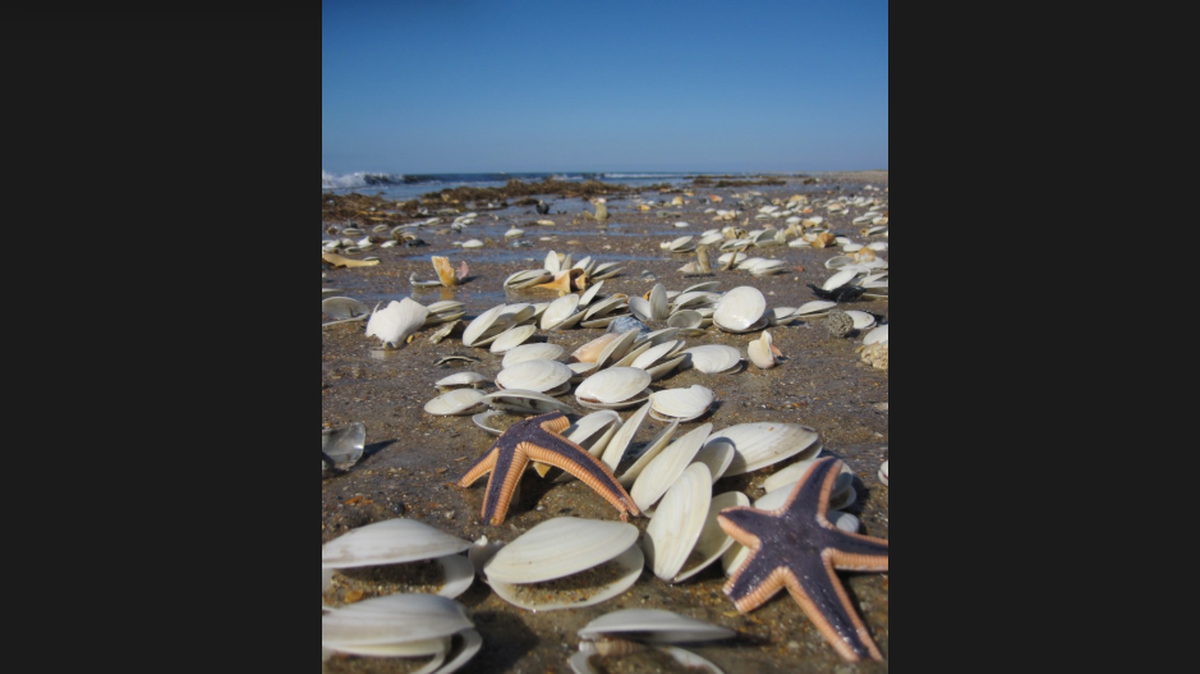
If there’s such a thing as an immortal bird, it may be living at Cape Lookout National Seashore on North Carolina’s Outer Banks.
Known as AL, the female American oystercatcher has exceeded its expected lifespan by years, according to the National Park Service.
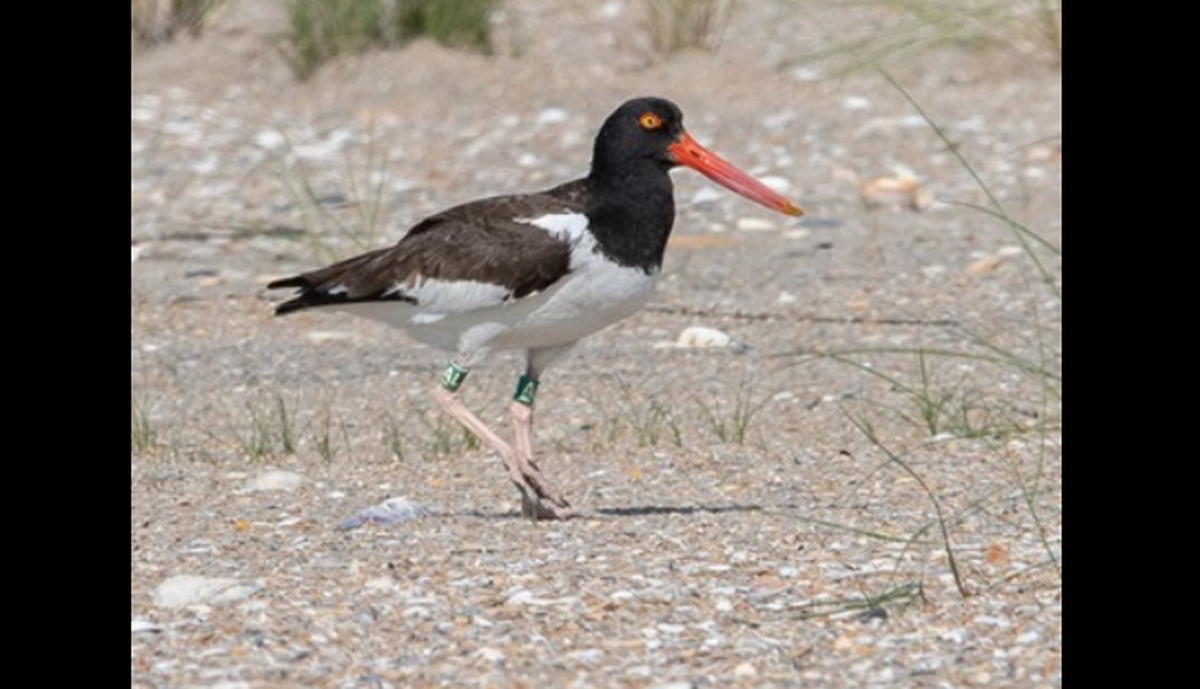
Bands put on AL’s spindly legs show she is at least 22 years old, researchers say.
“For a species with an average lifespan of around 17 years, AL is what legends are made of,” the NPS said in a May 9 Facebook post.
“In the 19 years that AL has been nesting at Cape Lookout, 32 nests have been documented for her, and she has raised 11 chicks to fledging (when chicks learn to fly).”
AL (the name comes from the letters on her leg bands) first came to the attention of researchers in 2005, when she was wintering in Georgia. She traveled to Cape Lookout for the first time in 2007 to nest, and has returned every summer since, park officials said.
AL’s secret to longevity remains a mystery.
American oystercatchers are a “high priority shorebird species” that is increasingly threatened by coastal development, according to the National Park Service. They nest in undeveloped beaches and their prescience — or lack of it — is considered a “measure of overall ecosystem well-being,” experts say.
“Many details about the American oystercatcher’s migration pattern remains a mystery to researchers,” the NPS says. “To learn more about their habits, many researchers band the birds, including Cape Lookout National Seashore, to track their migration patterns, and to see which birds stay in their nesting areas.”
The birds have a striking appearance, with a long orange bill and red-ringed, yellow eyes. Their “knife-like bill” is used to hammer open the shells of oysters so they can eat the soft insides, experts say.
Cape Lookout National Seashore is about a 180-mile drive southeast from downtown Raleigh.