
6 bears killed within 2 weeks as home break-ins rise in one NC county, state says
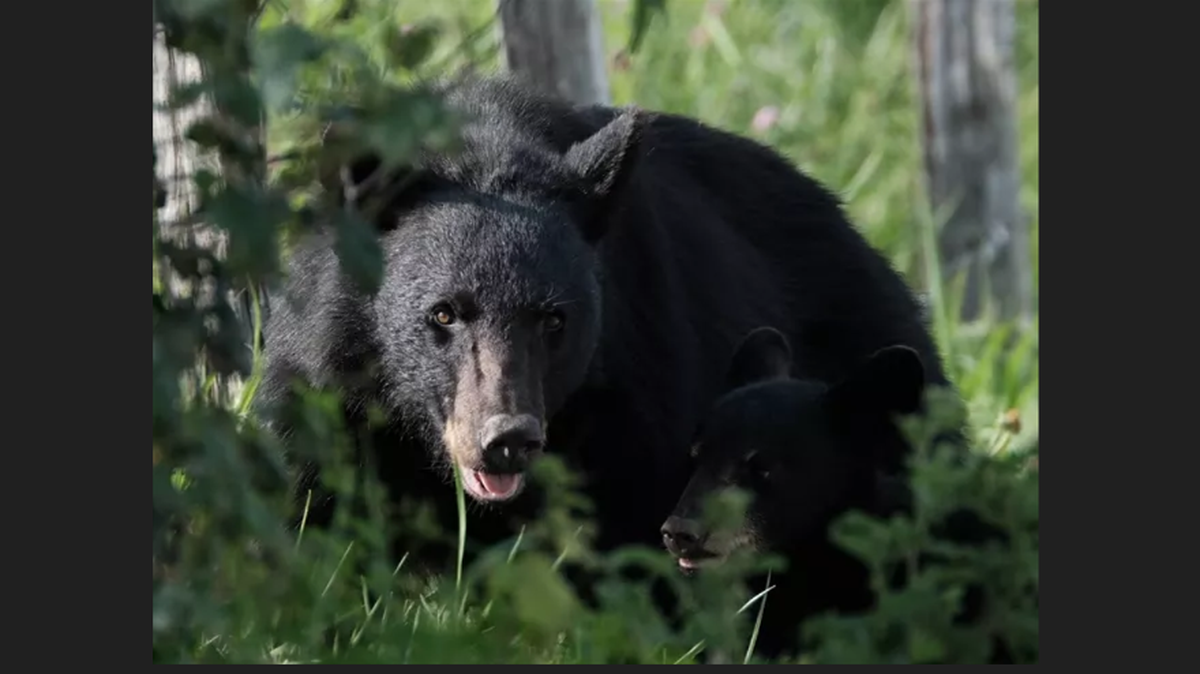
A worsening problem of bears relying on humans for food has resulted in six bears being killed over the past two weeks in Buncombe County, the North Carolina Wildlife Resources Commission says.
Among the six was a bear accused of breaking into one home multiple times within days, always while the homeowners were away. It was assisted by a bear that remains at large, officials said.
“In one instance, they saw a bear leaving their home as they were pulling up the driveway,” according to N.C. Wildlife Resources Commission Special Projects Biologist Ashley Hobbs.
“We were alerted after the fourth time it broke into the home, and we were setting on-site traps to capture the target bears when one came walking up the driveway and tried to enter my truck and my co-worker’s truck. It then walked right up to us. No fear of humans at all.”
The adult female was “dispatched” on the spot.
All six bears roamed the Black Mountain and Haw Creek areas of Buncombe County, which is about a 125-mile drive northwest from uptown Charlotte.
It’s unusual to have that many bears euthanized in such a short period of time, Hobbs said. However, it’s a clear warning sign that bears have not only come to rely on people for easy meals, but mothers are teaching their cubs that porches, garages and even homes are fair game.
That’s why officers had to euthanize two yearlings along with their mother in Black Mountain. A third yearling escaped, but remains a concern, Hobbs said.
The killing of yearlings has raised concerns in the community, with some noting humans were to blame.
“If you were one of several people ... that experienced a recent break-in or multiple ones to your home and/or car, as we did, you may be feeling a sense of relief that these bears were dispatched,” one Buncombe County resident wrote on Nextdoor.com.
“But I also feel very sad that they had to be taken down. ... We don’t have to repeat this.”
Why it’s happening
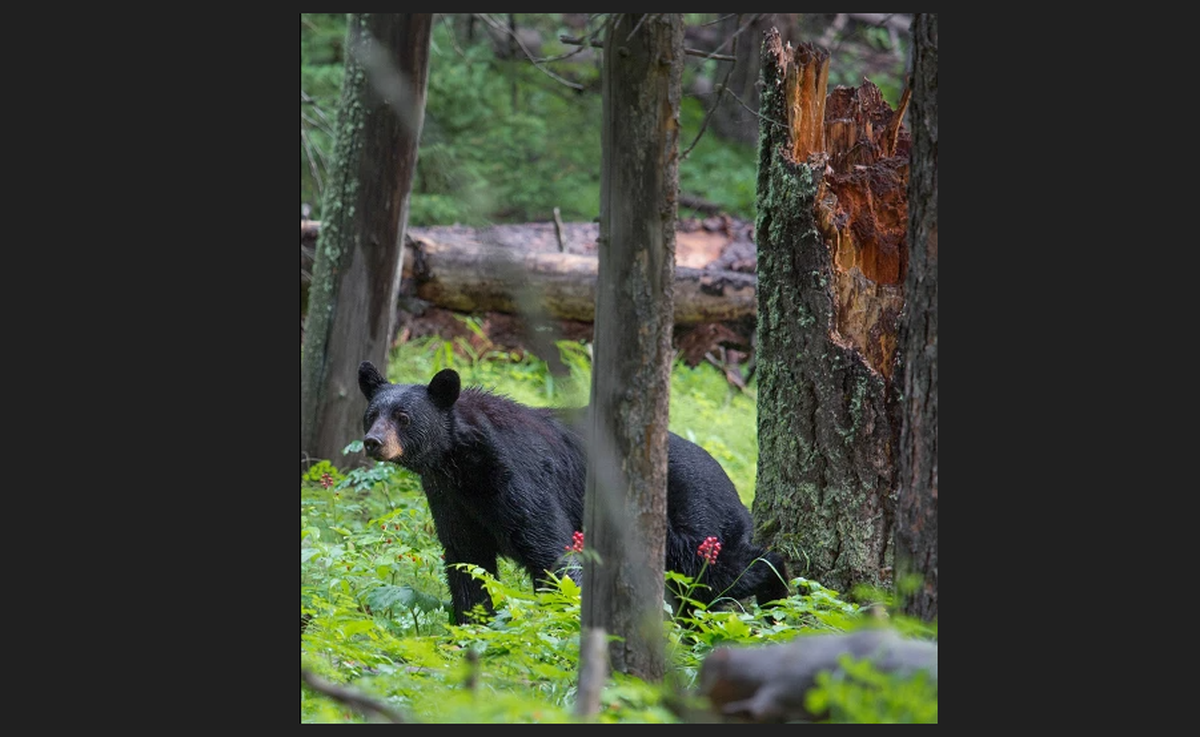
Bears have been breaking into homes for years in Buncombe County, but it’s happening more often, state officials say.
The large predators – the biggest can reach 700 pounds – are attracted to snacks left in vehicles, bird feeders on porches, pet food left in garages and any food odors wafting from kitchens, experts say.
All are plentiful in Black Mountain and Haw Creek, and bears are learning how to open doors and crawl through windows to reach the source.
“This is truly a people problem not a bear problem. Bears’ behavior is a reflection of human behavior. If the community is doing everything right, you won’t get many calls of bears breaking into homes,” Hobbs said.
“We have perfect storm in the Asheville area: the watershed and all river and streams; this dense human population, and the constant building and development in bear habitat. With more ‘people food’ comes more calories for bears ... and the extra human-provided calories are increasing their productivity rate.”
Bears in Buncombe County are giving birth at a younger age than their rural counterparts. Their broods are also larger, and their cubs are living longer, researchers say.
Necropsies performed on the six killed bears revealed five had “human-related waste” in their stomach, state officials said. In the sixth case, the bear’s stomach was empty.
The bear solution
It’s estimated North Carolina has more than 20,000 black bears, according to Bear-ology.com. They are largely found in the mountains and near the coast, but sightings are increasingly common in the Piedmont, the state says.
Bear safety for North Carolina homeowners begins with avoiding anything that alters the lifestyle of the predators, experts say.
- Never feed or approach bears. “Intentionally feeding bears or allowing them to find anything that smells or tastes like food teaches bears to approach homes and people looking for more. Bears will defend themselves if a person gets too close, so don’t risk your safety and theirs,” the state says.
- Secure food, garbage and recycling. “Food and food odors attract bears, so don’t reward them with easily available food, liquids or garbage,” the state says.
- Remove bird feeders when bears are active. “Birdseed and grains have lots of calories, so they’re very attractive to bears. Removing feeders is the best way to avoid creating conflicts with bears,” the state says.
- Never leave pet food outdoors. “Feed pets indoors when possible. If you must feed pets outside, feed in single portions and remove food and bowls after feeding. Store pet food where bears can’t see or smell it,” the state says.
- Clean and store grills. “Clean grills after each use and make sure that all grease, fat and food particles are removed. Store clean grills and smokers in a secure area that keeps bears out,” the state says.