North Carolina is seeing a rise in anaphylactic red meat allergies. Why?
AI-generated summary reviewed by our newsroom.
- Lone star ticks are common in North Carolina and tick numbers are rising.
- Over 100,000 confirmed U.S. alpha-gal cases were reported from 2010 to 2022.
- Alpha-gal reactions range from hives and GI symptoms to anaphylaxis and low blood.
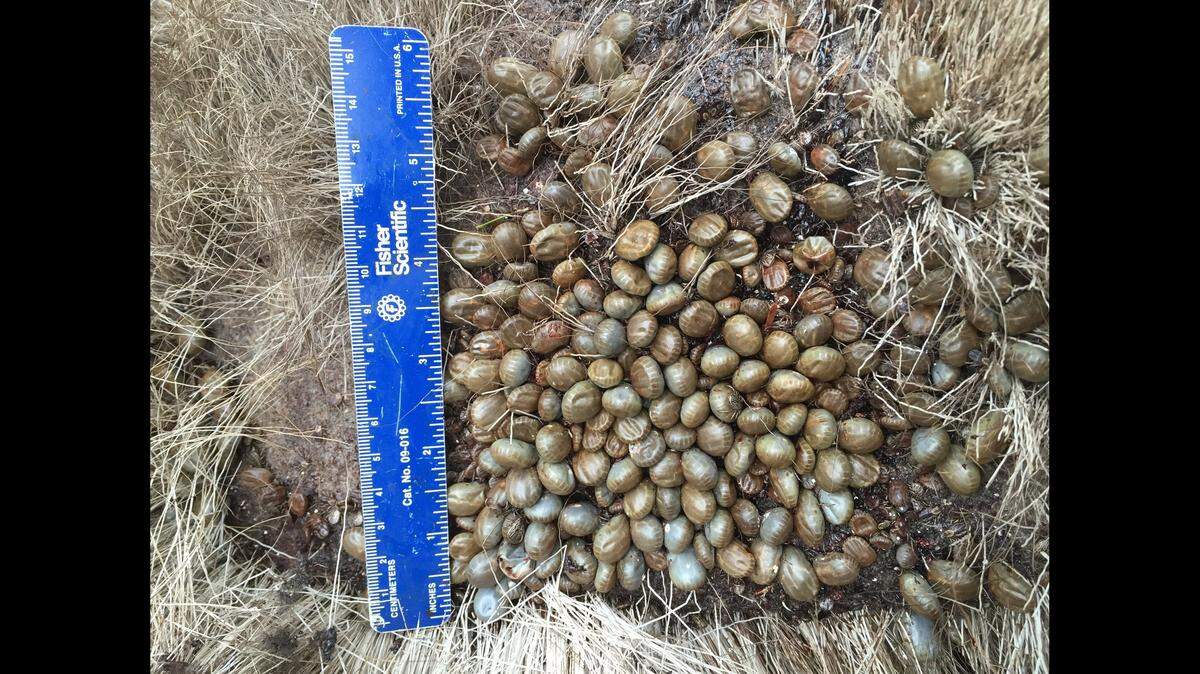
North Carolina is swarming with more and more ticks, and they are causing more medical complications — including a sometimes anaphylactic allergy to red meat.
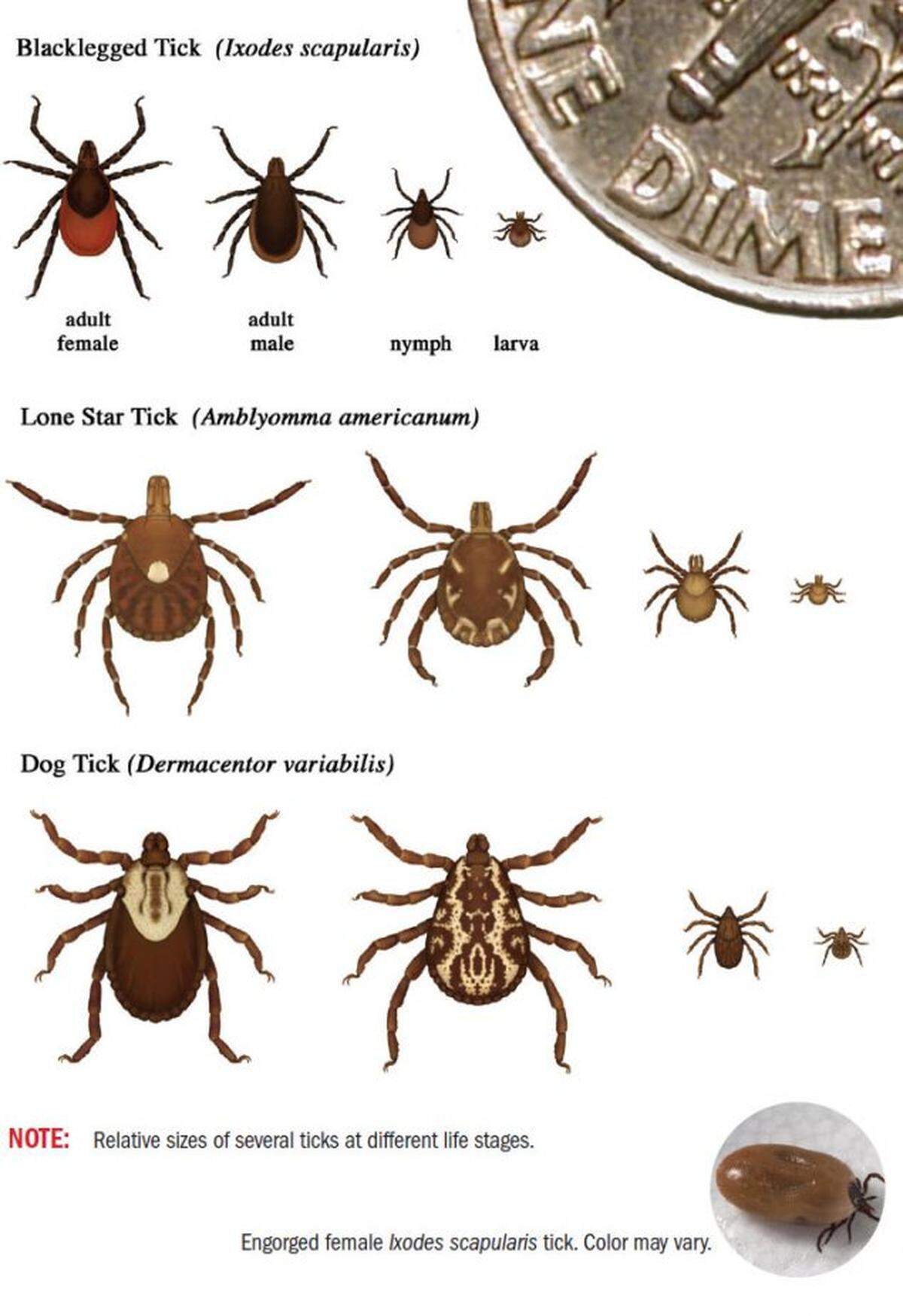
Alpha-gal syndrome causes a variety of allergic reactions to red meats, from anaphylaxis to mild gastrointestinal distress. The syndrome is most frequently triggered by lone star tick bites. The lone star is one of the most common ticks in North Carolina.
There were more than 100,000 confirmed cases of alpha-gal syndrome in The United States between 2010 and 2022. But the actual number is unknown and could be as high as 450,000, according to the CDC. Every year, 31 million Americans are bitten by ticks, and as warmer weather raises the tick population, we may see more.
Scott Commins has been researching alpha-gal syndrome for years. He is a professor of medicine at UNC Chapel Hill studying allergy and immunology. He said that while alpha-gal made national news in December when it was confirmed to have caused a death, the risk of death is low.
“That was really the first documented death, it probably wasn’t the first one. I have not seen a death amongst my patients, at least to my knowledge, but it’s definitely out there,” Commins said. “It is technically a risk, but it does fortunately seem like it’s a very, very low risk.”
Around 70% of people with alpha-gal will have anaphylactic responses, Commins said. But he said the number isn’t quite as intense as it may sound; any allergy response involving two organ systems qualifies. For example, having both hives on the skin and gastrointestinal distress.
Alpha-gal reactions
Alpha-gal reactions vary in severity from person to person.
They can include, according to the CDC:
- Hives or itchy rash
- Nausea or vomiting
- Severe stomach pain
- Heartburn or indigestion
- Diarrhea
- Cough, shortness of breath, or difficulty breathing
- Drop in blood pressure
- Swelling of the lips, throat, tongue or eye
- Dizziness or faintness
- A combination of symptoms (anaphylaxis)
Fattier red meats can cause bigger reactions, Commins said. The dose also matters, meaning someone with alpha-gal risks a bigger reaction by eating a large amount of red meat.
“I know this sounds crazy, but the higher the fat content, the more severe the reactions tend to be,” Commins said. “Sausage and hamburgers and hot dogs would often be worse than like, venison.”
We are seeing more ticks, is that causing more AGS?
Probably, Commins said.
“There were times 15 years ago that we might be seeing two to three, two to four new patients with alpha-gal allergy a week, and now it’s like 15 a week,” “I think some of that is going to be just awareness, but I think the other portion of that is the increased presence of tick populations.”
ER visits related to tick bites in 2026 are as high as they have been since 2017, the CDC reported April 23.
“As the climate changes and it becomes more temperate, more humid, there are less severe winters, fewer freezes. It is much more likely that we are going to see more ticks. Ticks love that environment. It’s very, very, very favorable for them,” NC State Assistant Professor and Extension Specialist Christopher Hayes said.
Commins also speculated he saw more cases right after the COVID-19 lockdown.
“People were going outside and hiking, and getting kind of back to nature, and so once the pandemic settled down, it seemed like there were a lot of alpha-gal cases,” Commins said.
More awareness
Commins said that the variability of responses can make it hard for people to identify alpha-gal. Someone who gets hives or has gastrointestinal distress irregularly might not identify their dinner as the trigger of the symptoms, or might assume food poisoning. He said early data showed people going an average of seven years without an AGS diagnosis.
He said that awareness has shot up in recent years as more cases have been discovered and more research is done. Increased awareness helps, as people previously might not have considered a red meat allergy to be an option, or ignored and misidentified milder symptoms.
Prevention
The good news, Commins said, is that if a patient isn’t bitten again or repeatedly, alpha-gal syndrome goes away.
“The whole thing can go away, it’s not a forever allergy,” Commins said. “If you can avoid tick bites after you get AGS, usually, in like three to five years, people are back to eating their previous diet.”
Commins said he has seen some longer cases of alpha-gal, especially in people who work outdoor careers where they are at risk of being bitten repeatedly.
“It should go away in almost everybody, but the truth is it doesn’t, and I think one reason is because people get more bites, so it just perpetuates the allergy,” he said.
Ticks are also tied to other health complications, such as Lyme disease and Rocky mountain spotted fever. The Charlotte Observer recently covered how to keep yourself safe from tick bites.
Some of the main takeaways:
- Wear long pants and socks in tick heavy areas, and consider tucking them in
- Wear repellent that is not essential oil based
- Remove the tick safely if you are bitten
- Keep the tick if possible, and bring it with you if you pursue medical care