2 venomous spiders are active in North Carolina. Here’s how to spot them
AI-generated summary reviewed by our newsroom.
- Only the black widow and brown recluse are medically concerning spiders in North Carolina.
- Black widow venom can cause nerve pain, muscle spasms, breathing trouble and more.
- Brown recluse bites may be painless at first but can develop ulcers and systemic symptoms.
Most spiders are venomous, but only two spiders in North Carolina are medically concerning for people: the black widow and brown recluse.
Of more than 700 spider species in North Carolina, these two are the only ones that will cause any medical concern, Sarah Stellwagen, a spider biologist at UNC Charlotte said. Bite responses may vary person to person based on individual health.
Stellwagen said bites aren’t all that common. In fact, many widow and recluse bites are dry, meaning no venom is released. The venom was not developed for defense.
“Bees don’t use venom for anything else except for defense. Spiders use it to digest their prey, so by releasing the venom as a defensive bite, they’re wasting a really important resource,” Stellwagen said.
Stellwagen also noted that sometimes unexplained bites or bite-like rashes may be misdiagnosed as spider bites, even if no spider was seen and it may be something else.
“Patients want to know what’s wrong, they want an answer, if the doctor says I don’t know, that’s a complicated and uneasy feeling. and by saying, ‘Oh, well, maybe it was (a spider),’ a lot of times things get misdiagnosed that way.”
Stellwagen recommends catching the spider if possible, and bringing it with you to the hospital to help make a diagnosis if you find you need medical care.
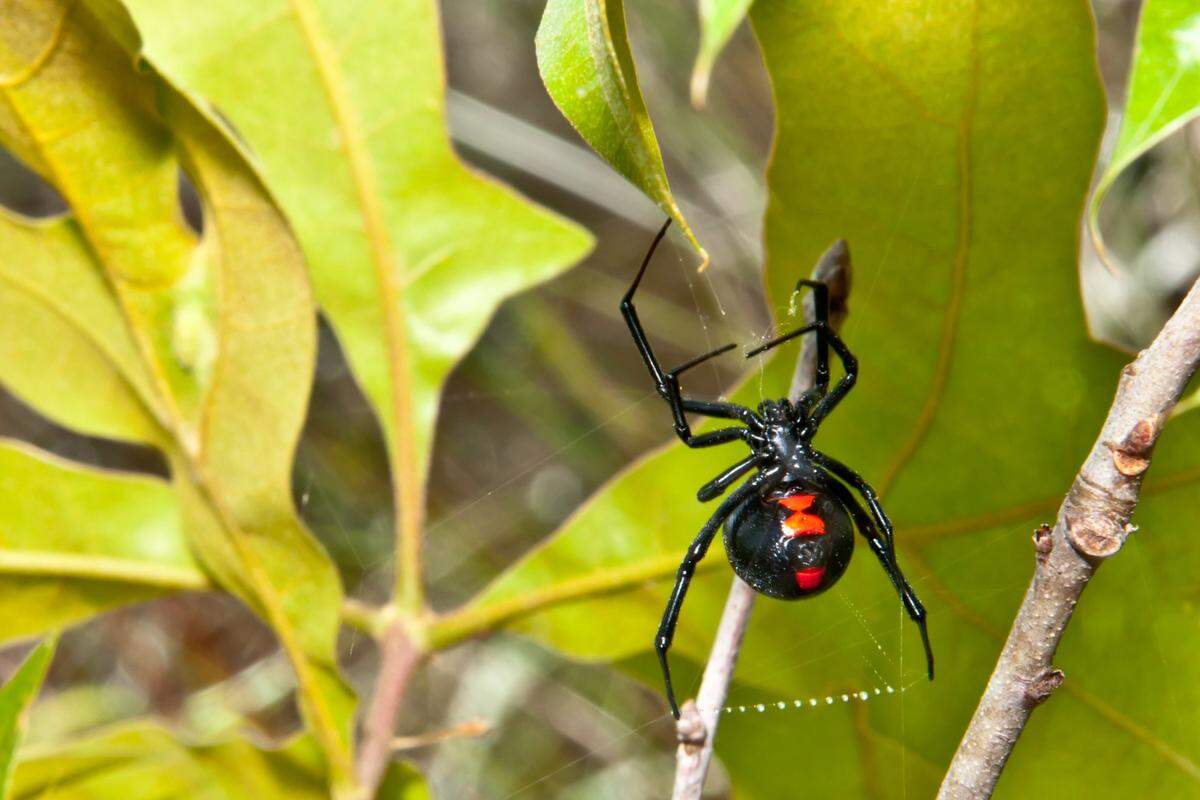
Black Widows
Many may know the black widow for the striking appearance of the female, black with a large abdomen and red hourglass marking. But juvenile and male widows may have striped markings, and the hourglass of the female may be yellow or white.
These variances can be attributed in part to the fact that there are 31 types of widows, five in the United States. In North Carolina, you will most likely come across a Southern or Northern black widow, according to North Carolina State Extension. The brown widow has been found here, but is less common.
Stellwagen said that people are more likely to correctly identify a widow than a recluse because of the distinctive appearance.
The black widow is not only the namesake of an Avenger, but used as a term for female serial killers that take out their husbands and boyfriends, as black widow spiders sometimes eat their male partners. North Carolina State Extension does note that the spiders don’t always do this, so maybe they are getting a bit of a bad rap.
The Southern black widow sets up shop close to the ground, whereas a Northern black widow often prefers a higher place to weave a web. Both can choose to do so near people, including in wood piles and porch lights. They will strike if they feel the need to defend themselves.
If a black widow bites you and the bite is not dry, the venom will cause pain by interfering with your nerve endings.
Spider bite symptoms
Symptoms may include, according to Cleveland Clinic:
- Sharp, prick-like pain, possibly followed by numbness in the area
- Stiffness and muscle spasms throughout your body
- Trouble breathing
- Headache
- Increased saliva
- Excessive sweating
- Fever and chills
- Nausea
- Swollen or droopy eyes
A healthy person may not even experience symptoms, and may not need to go to the hospital, according to the extension. Children, the pregnant and those in poor health should seek medical care immediately. The bites are not generally fatal. If you are feeling severely ill, have someone else drive you to urgent care.
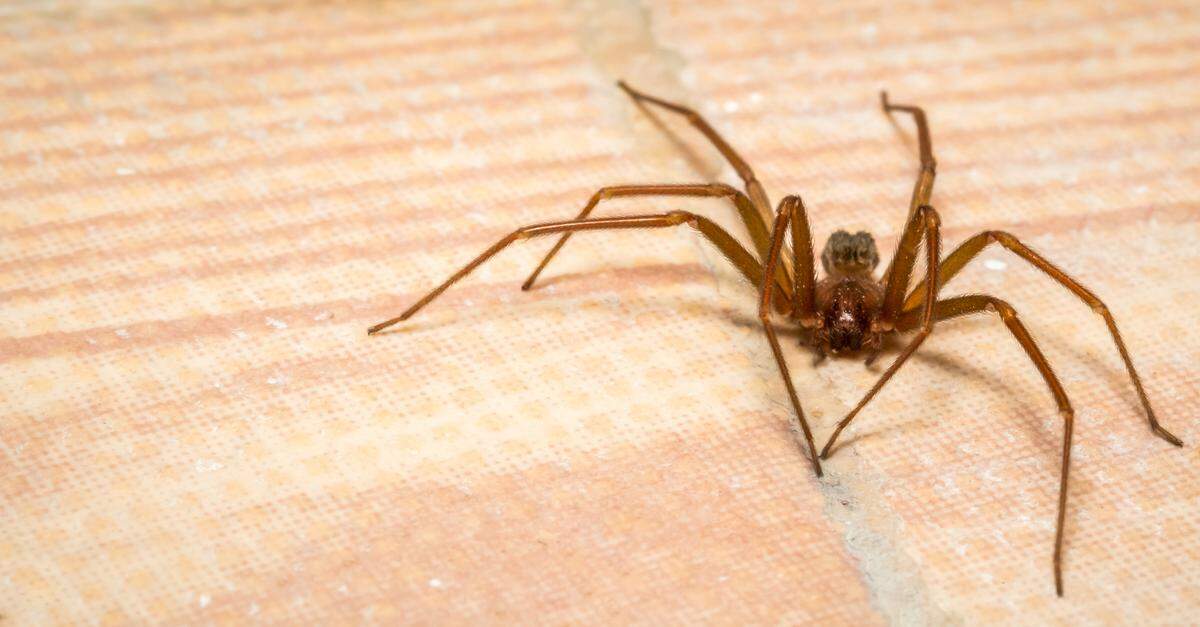
Brown Recluses
Brown recluses are not native to North Carolina, but they can be encountered in the Western tip of the state. As the name suggests, the recluse is avoidant of people.
The recluse is often a quarter to half inch in size, with a brown marking on the abdomen. However, many spiders look similar and are often misidentified as the recluse. Bacterial infections like MRSA can cause a similar appearance to a bite, leading to further misidentifications, according to the North Carolina State Extension.
“In North Carolina you would likely find them in the environment, but they’re not really coming into people’s spaces in such high numbers as you might find them in places where it stays warm for most of the year,” Stellwagen said. “Occasionally you do get infestations, but it’s much more rare this far east.”
Stellwagen said if you come across a recluse, it will generally only bite if it is pressed to you — sticking a hand into a glove, shoe or similar small space in a box or attic where a spider is residing is the most likely way to be bitten in North Carolina.
A brown recluse bite is painless, but symptoms may develop after three to eight hours, according to Cleveland Clinic. A bite will often develop a bullseye or bruised appearance.
Other symptoms:
- Ache at the site
- Pain in muscles near the bite
- Pain in your abdomen, back, chest and legs
- Blister at the site
- Swelling
- Bruising
Severe symptoms include:
- Rash
- Fever
- Dizziness
- Vomiting
- Chills
- Restlessness or difficulty sleeping
- Development of an ulcer over the bite
“If you put on a glove from your shed or your attic, or a pair of pants that’s been in your attic, where you might have some established population, and you put the clothes on, and you press the spider against your skin, then they are going to bite. Otherwise, they’re going to run away,” Stellwagen said.
There is an antidote for recluse bites, but severe ulcers may need surgery. If you strongly suspect a recluse bite, seek medical attention.
How to prevent spider bites
To keep yourself safe, you should be careful and aware in spaces where the arachnids may live. Cleaning and decluttering storage spaces like attics and garages can mitigate some risk, but it doesn’t eliminate it. It is important to use gloves when gardening or moving wood to avoid black widows, but Stellwagen also said to check gloves for spiders if they have been out of use.
It may be worth using an insecticide, especially if you have children or elderly people in the area and the spiders are seen. The North Carolina State Extension recommends liquid residual pyrethroid insecticides applied to areas where spiders are seen or suspected. Don’t apply insecticide to wood you plan to burn, or onto electrical outlets.