
Mysteries uncovered during renovation of ‘layered’ 1925 building, NC county says
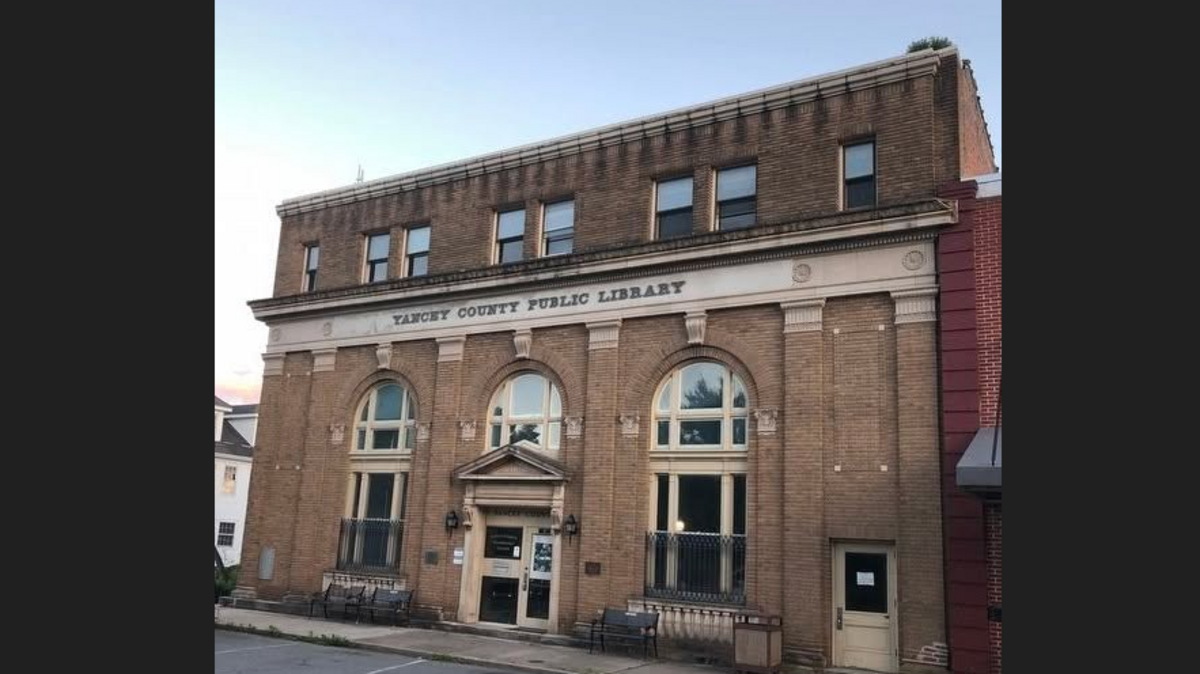
A mystery is being unraveled in Burnsville, North Carolina, as renovation crews peel away layers of a century-old building that has hidden spaces, windows below ground level and subterranean rooms that are perpetually dark.
For the past 30 years, the 6,000-square-foot bulwark served as the Yancey County Public Library, but no amount of shelving could mask the fact something more complex and was just below the surface.
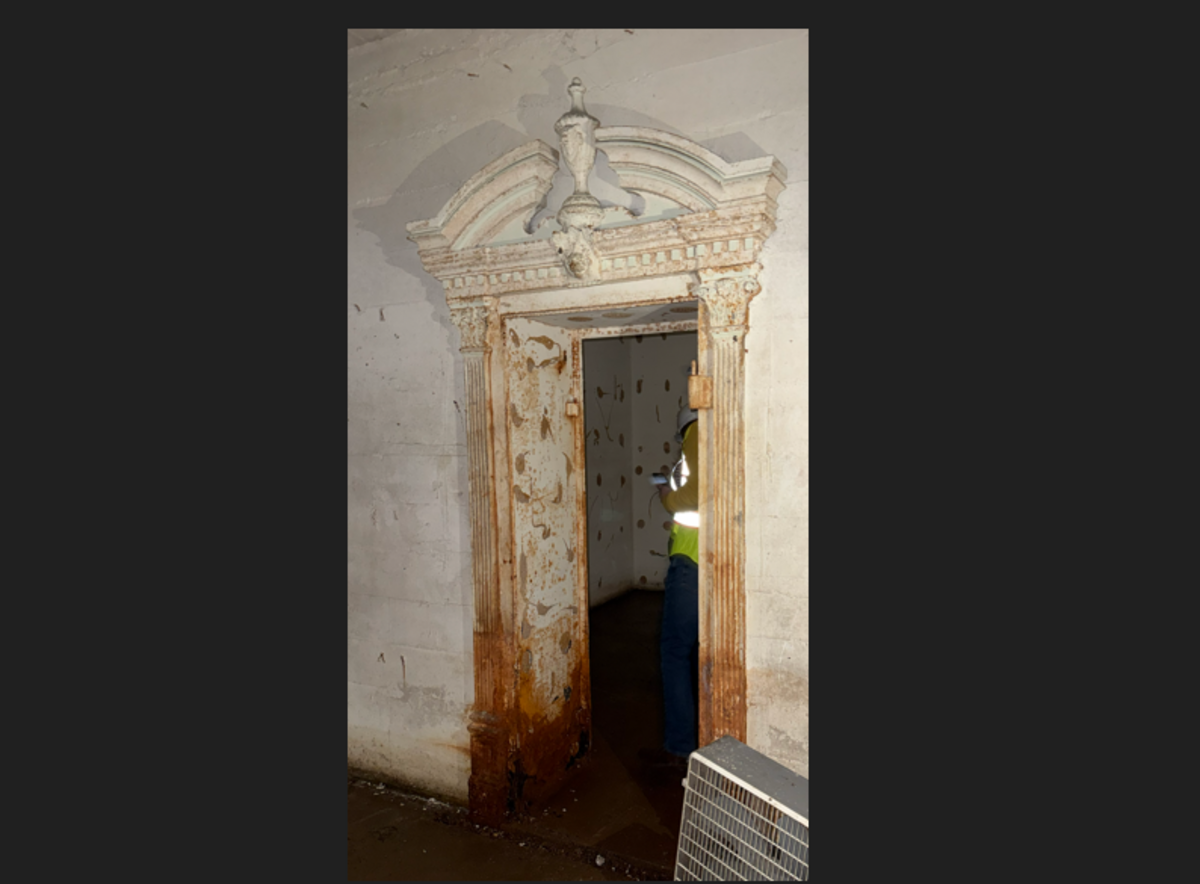
This includes a steel door that was installed in the basement.
“The building at 18 Town Square was constructed in 1925 during the economic ‘boom years’ of western North Carolina, when Burnsville was growing through the success of the lumber and mica industries,” Project Manager Morgan West told The Charlotte Observer.
“At the time, the Citizens Bank of Yancey wanted a larger and more stylish building that reflected the prosperity and optimism of the era. Today, it remains one of the many recognizable and architecturally significant buildings in downtown Burnsville, listed on the National Register of Historic Places.”
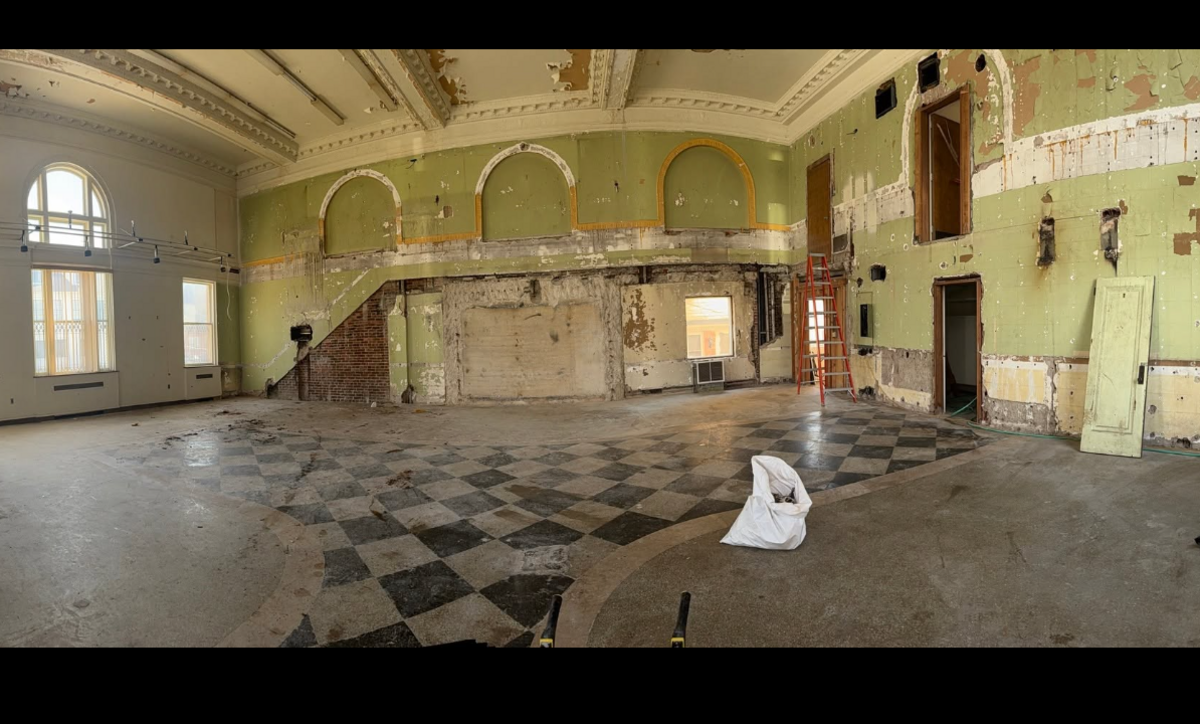
The renovation is adapting the building to an arts and culture complex and should be finished in the winter.
However, workers continue to find things that defy easy explanation, including hints of secret rooms and passages, and a mysterious “opening” installed in the floor above the vault.
A walk-in bank vault is still there, too, but crews have yet to find a way to access it from inside the main structure. It’s suspected this was a security measure, meant to confound robbers.
“There are also areas that feel ‘hidden’ or not fully understood in terms of their original use, including openings and structural features that appear to have served specific operational purposes related to its former use as a bank,” says West, who also serves as clerk to the Yancey County Board of Commissioners.
“Because of its layered construction and changes over time, there is still a strong possibility that additional original features or compartments may be discovered during continued renovation work. ... Every stage of the renovation seems to uncover another detail that tells part of the building’s story through time.”
Among the oddities she can explain are the windows below ground level. Turns out the road was built up decades ago, and windows that looked out in the 1900s are now below ground, West says.
As for the “opening” built into the floor, maybe that’s how bank tellers sent cash to the vault in the basement, she says.
They tossed it down a hole.
“Part of the renovation process is carefully evaluating features like this to better understand their history,” West says.
What’s to come
The goal is to preserve all the building’s quirks, even if they can’t be explained.
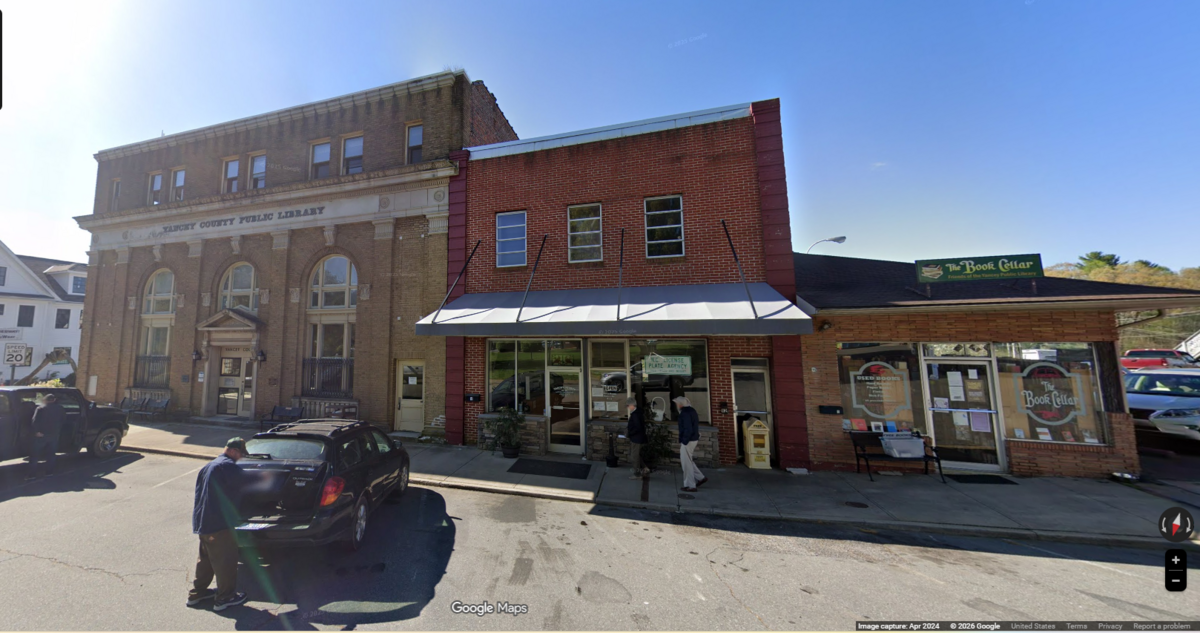
Two different banks operated at the site before it was donated to Yancey County in the 1970s. It’s the only remaining example of a “high-style Renaissance Revival” commercial structure in Burnsville (established in 1834) and prime real estate in the heart of town.
Just across the street is a block-long park known as Town Square, and next door is a storefront built in 1833.
Multiple generations have grown up using the building, West says, either as a bank or as a library.
“People throughout Yancey County have recognized that once a building like this is lost, it can never truly be replaced,” West says. “There has been a shared understanding that preserving this structure means preserving a visible piece of Burnsville’s story.”
Renovation is being coordinated with the State Historic Preservation Office, and a grant from the N.C. Department of Commerce is covering part of the cost, which will exceed $1 million, officials say.
The Toe River Arts organization intends to lease the first floor for “rotating exhibitions, community programming, and retail showcasing the work of more than 150 local artists.” The upper floor will be used as office space.
A use for the vault remains to be decided, but the space is unwelcoming and “very dark,” county officials say.
“The vault itself feels very much like a preserved time capsule, with thick reinforced walls and a heavy steel door that still conveys its original sense of security and permanence. ... It remains one of the most historically significant interior spaces in the building,” West says.
“Instead of being purely industrial, the entrance includes decorative plasterwork, classical detailing, and architectural ornamentation that reflected the confidence and prestige banks wanted to project during the 1920s.”
Burnsville is about a 120-mile drive northwest from uptown Charlotte.
This story was originally published June 22, 2026 at 6:21 AM.