Do you have the emergency supplies you need for an NC hurricane? Here’s a checklist
Anyone who has experienced a hurricane or seen coverage of severe weather events knows that once the storm arrives in your area, it’s too late to prepare.
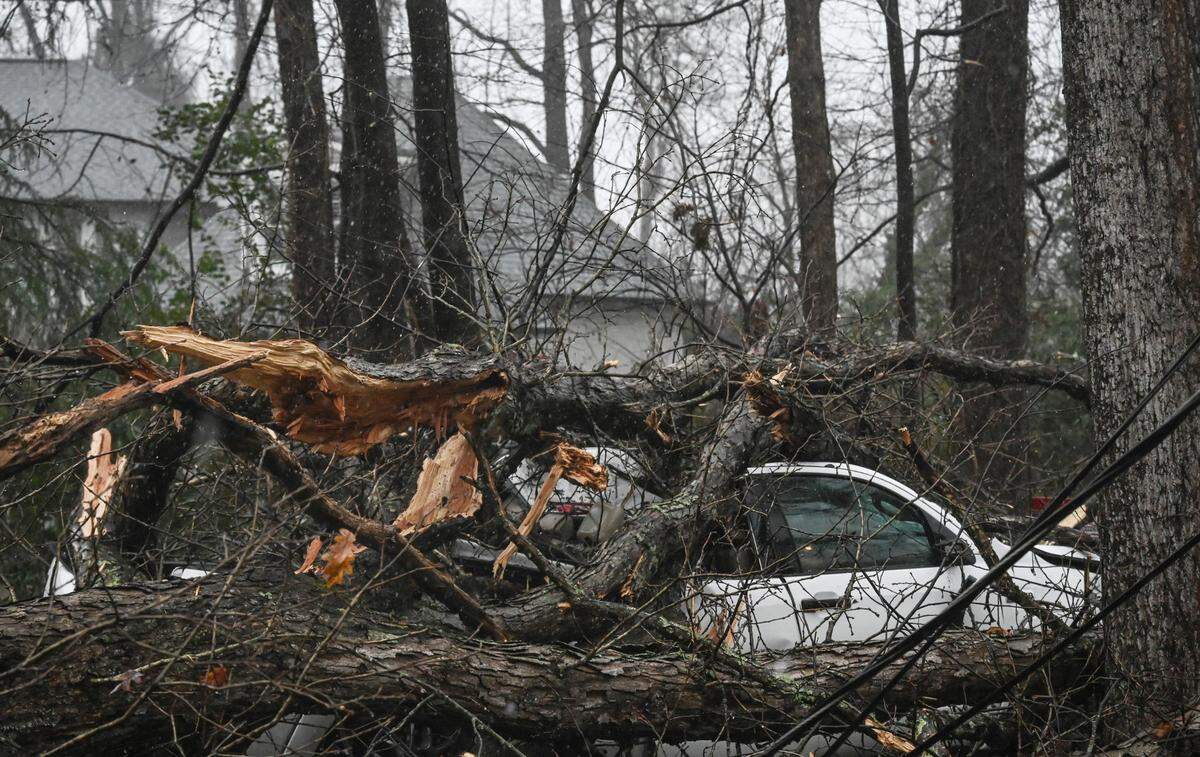
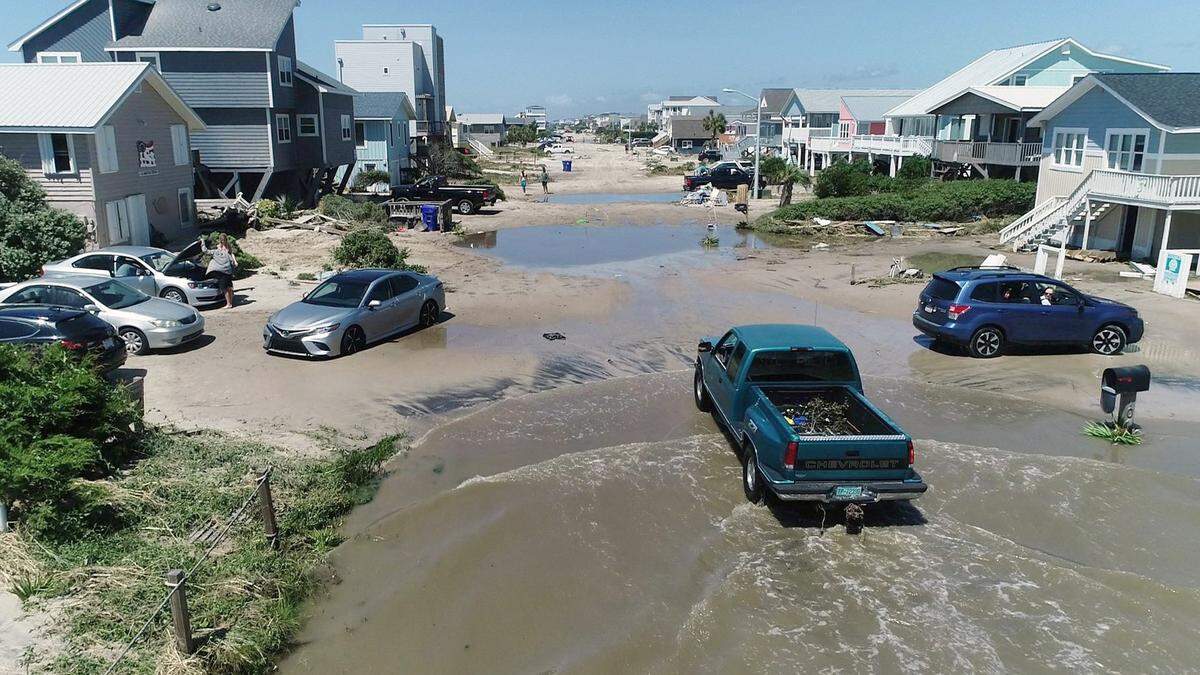
Downed trees and flooding block roads. Power outages could last for days.
That’s why planning ahead is essential. And part of preparing for storms, including hurricanes, is assembling an emergency kit.
“Disasters and emergencies can occur at any time, sometimes without any notice, and it’s important to be prepared,” said Justin Graney, the chief of external affairs and communications at North Carolina Emergency Management.
Here’s a list of supplies to put in your kit, pulled from North Carolina Emergency Management and longtime North Carolina residents.

Items to include in your emergency kit
- Water: at least 1 gallon each day per person, for three to seven days
- Food: non-perishable and canned foods, enough for three to seven days (A few examples include canned meats, chili, canned soup, canned fruits and vegetables, shelf-stable fruits, nut butters, jelly, crackers, bread, protein bars, granola bars and cereal. The News & Observer’s Martha Quillin, who has years of experience covering natural disasters, wisely noted that if you have a sweet tooth now, the rain won’t wash it away; so stock up on cookies and candy, if you need.)
- Battery-powered or hand-crank radio and/or National Oceanic and Atmospheric Administration weather radio with extra batteries
- Cell phone and charger
- First aid kit and first aid book
- Flashlights and extra batteries, and even a headlamp; LED bulbs will last the longest, and a good rule is to have at least one flashlight per person
- Manual can opener for food
- Wrench or pliers to shut off water
- Blanket or sleeping bag: one for each person
- Prescription medications (make sure you have enough for several days)
- Change of clothes, including sturdy shoes
- Toiletries including toothbrush, toothpaste, soap, feminine hygiene products
- Contact lenses and supplies
- Extra eye glasses
- Dentures
- Extra house and car keys
- Important documents: insurance policies, copy of your driver’s license, Social Security card, bank records. You can also digitize them, making them easier to transport.
- Fire extinguisher
- Cash and change
- Books, games or cards
While this list may seem daunting, Graney said preparing a disaster kit does not have to be a large financial commitment.
“You can plan to build your disaster kit each time you go to the grocery store by buying a couple things each time you go shopping and placing them in a container or on a specific shelf in your home,” he said.
The most important to items to have are food, water, a battery-powered radio or a way to recharge your cell phone, and flashlights with extra batteries.
Keep special items for babies & people with functional needs in your emergency kit
If you have a baby (or babies), make sure your emergency kit also has:
- Formula
- Bottles
- Diapers
- Baby wipes
- Pacifier
- Soap/baby powder
- Clothing
- Blankets
- Canned food and juice
If there are people with functional needs with you, remember these items, if they apply:
- A container to keep hearing aids and cochlear implant processors dry
- Extra batteries for hearing aids or cochlear implants
- A communication card explaining the best way to communicate with you
What do you need in the first aid kit?
Someone could be injured during a power outage, so it’s important to have some basic supplies to provide treatment, especially if you can’t get to a medical clinic. Here’s what NCEM suggests:
- A couple of pairs of latex or other germ-free gloves
- Germ-free bandages
- Cleansing agent/soap and antibiotic towels
- Antibiotic cream
- Burn cream
- Adhesive bandages in different sizes
- Eye wash solution
- Thermometer
- Prescription medications
- Prescribed medical supplies, such as glucose and blood pressure-monitoring equipment and supplies
- Scissors
- Tweezers
- Petroleum jelly or other lubricant
- Over-the-counter medications including aspirin or pain relievers, anti-diarrhea medication, antacid, syrup of Ipecac (used to induce vomiting to avoid poisoning)
- Laxative
- Potassium iodide (if you live near nuclear plants)
This story was originally published August 7, 2024 at 5:30 AM with the headline "Do you have the emergency supplies you need for an NC hurricane? Here’s a checklist."