
After storms, be wary of buying flood-damaged cars. Here’s what to look out for.
READ MORE
Your Storm Watch Guide
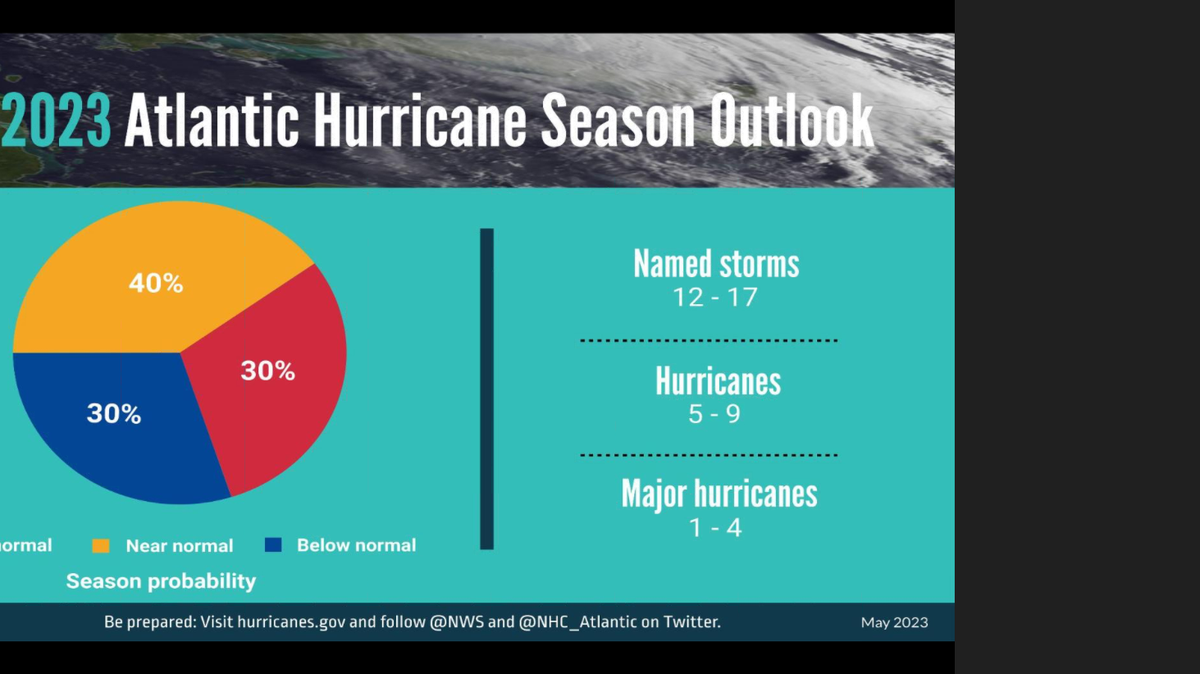
June marks the beginning of the Atlantic Hurricane Season, and that means preparations are underway across the Gulf and Atlantic Coast states. In North Carolina, weather is already a big deal, but the threat of powerful cyclones marks a new level of danger. While we cannot predict the future, we do know that preparation is key. Use this guide to get ready before storms arrive.
Expand All
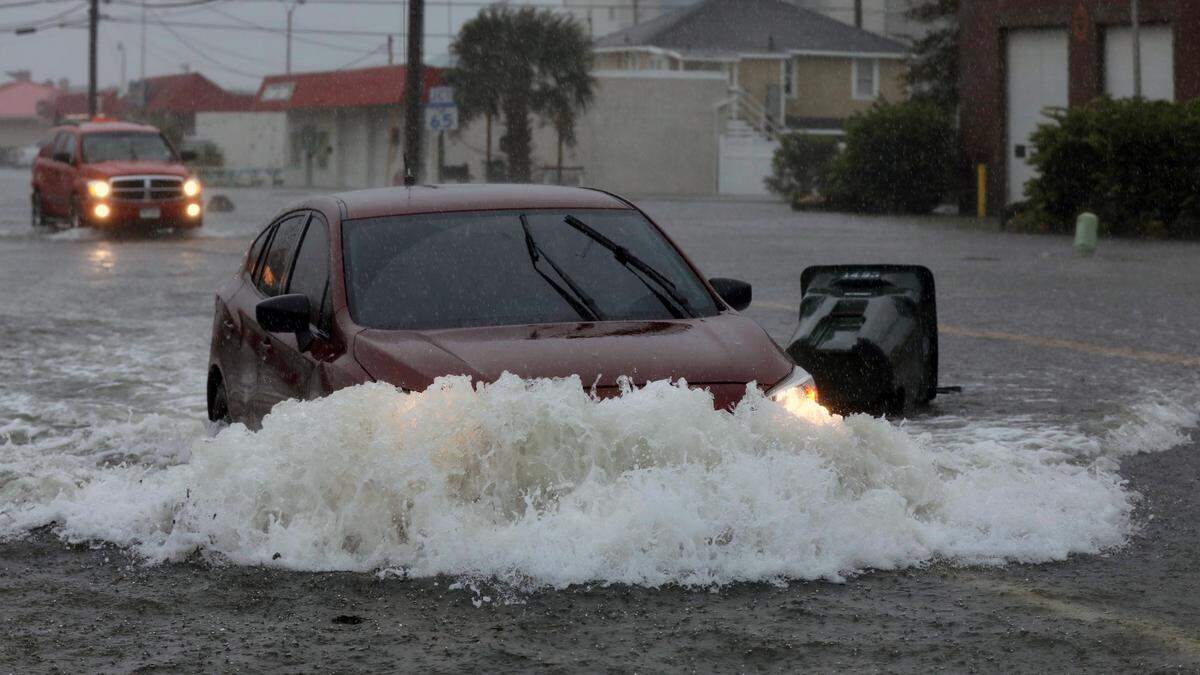
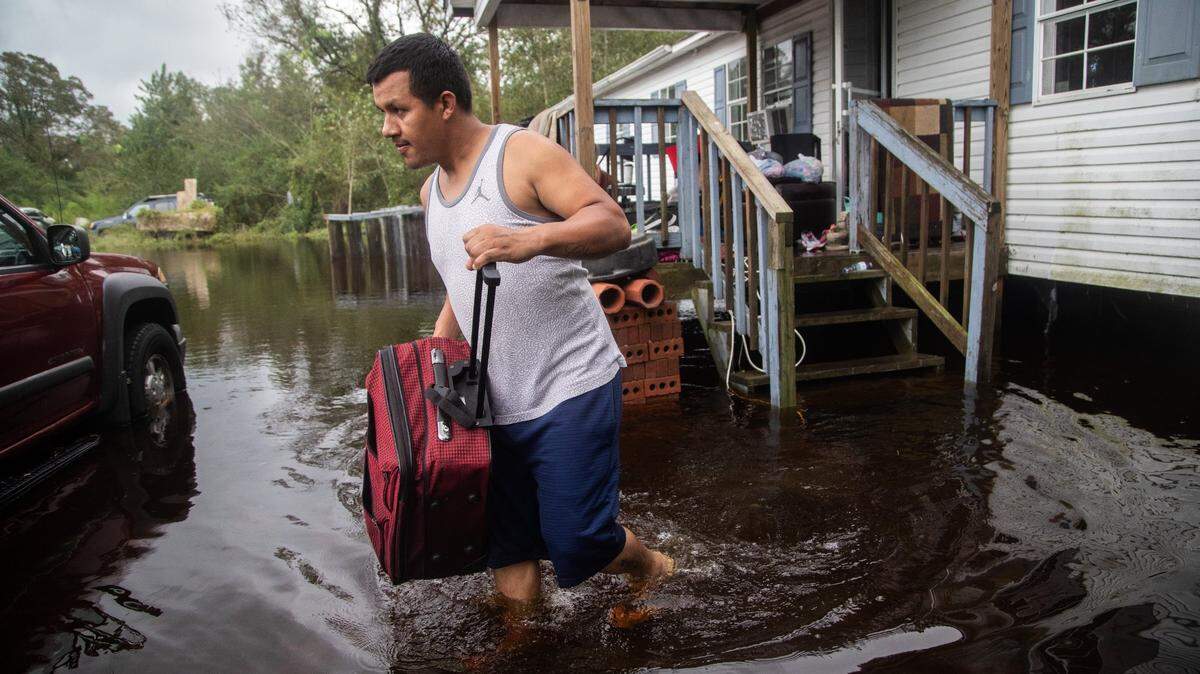
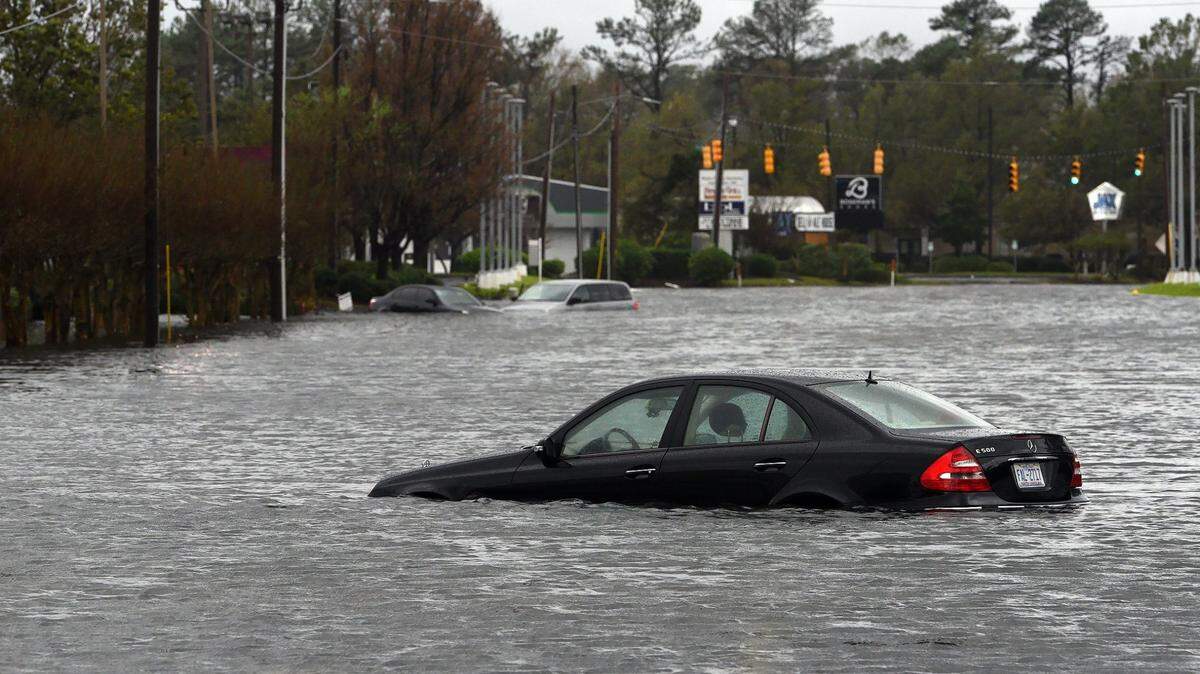
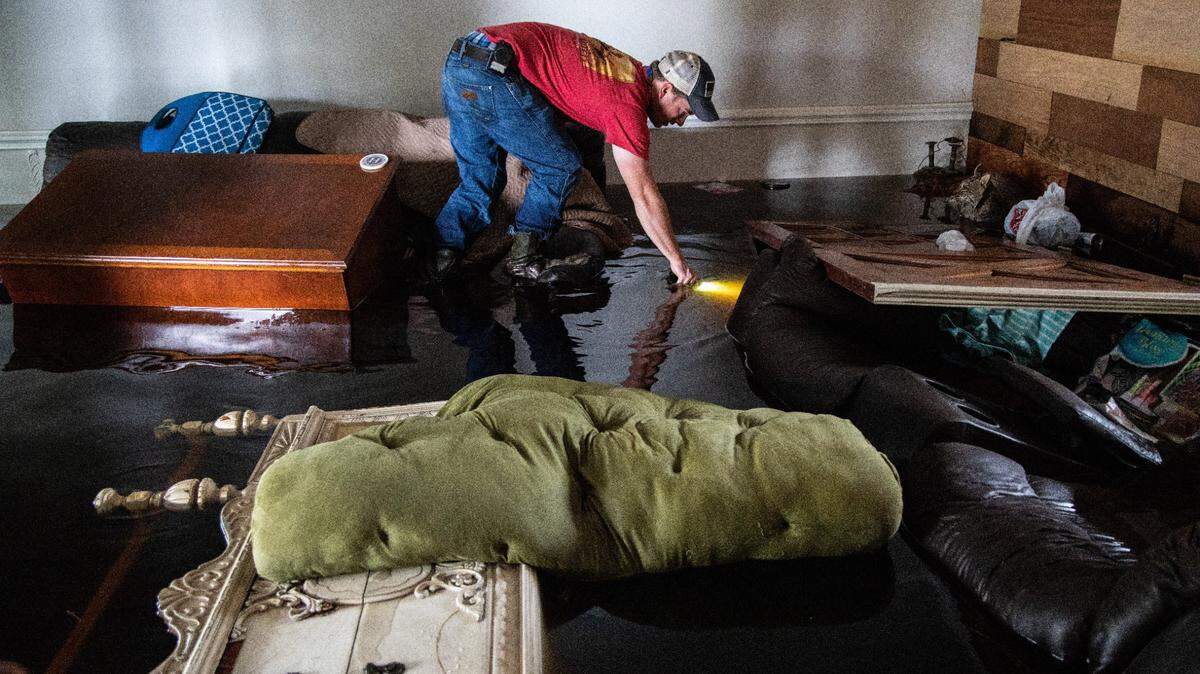
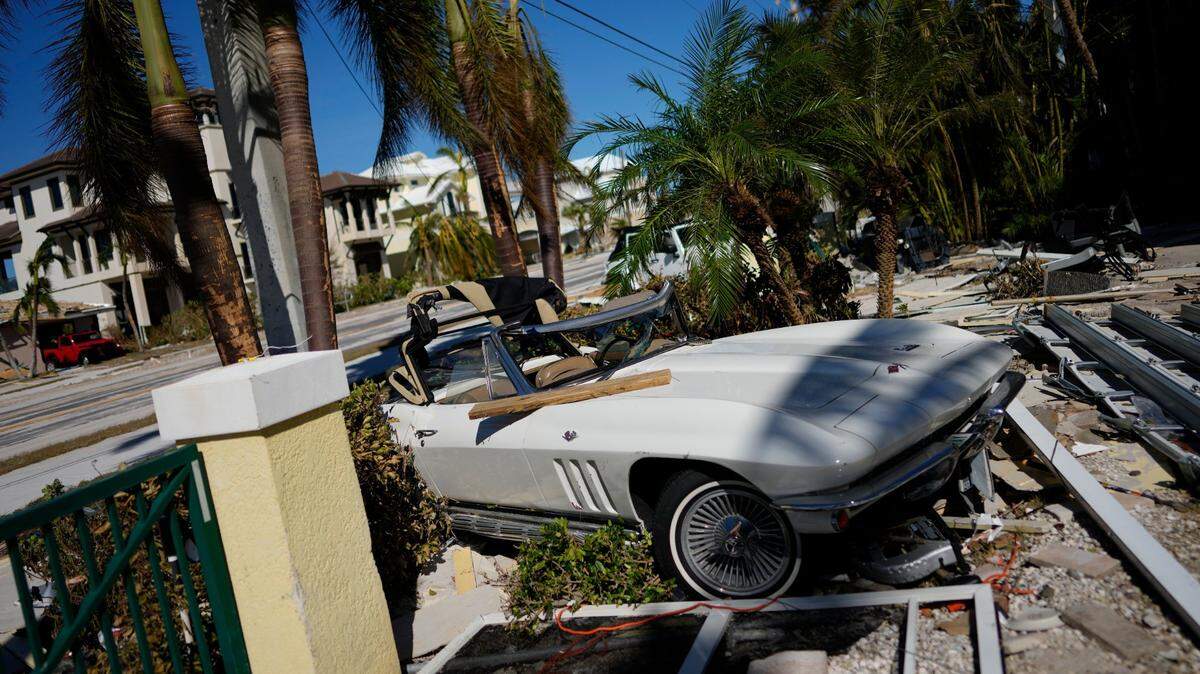
When hurricanes or tropical storms bring heavy rain that causes flooding, that flooding likely means damage to cars.
Carfax estimated that as many as 212,000 vehicles were damaged after Hurricane Ida in 2021, on top of the 378,000 flood-damaged vehicles that were already on the road nationwide at the time.
North Carolina has the fifth-most flood-damaged vehicles on the road, according to Carfax.
While some cars damaged from Ian will be considered total losses, others may end up back on the road, either with their original owner or as used cars being sold to someone else — making it important for car shoppers to be on the lookout for tell-tale signs of flood damage.
Keep in mind that damaged cars may even be sold states far away from where the flood damage happened.
“Our data suggests that unsuspecting buyers everywhere are at risk of winding up with a previously flooded car,” Chris Basso, Carfax spokesperson, said in a report on Hurricane Ida last year.
The potential increase in flood-damaged cars comes at a time when used cars are already in high demand due to a global shortage of microchips, among other reasons.
If you’re in the market for a used car and are worried about flood damage, we consulted business and personal finance publication Kiplinger and Carfax for information and tips on how to spot flood-damaged cars and avoid buying them.
Here’s what to know.
How to spot physical signs of flood damage in vehicles
Carfax offers seven physical signs of flood damage to vehicles that you should be aware of as you’re car shopping.
▪ Musty odor: If a large volume of water gets into a car, it will likely leave behind a musty scent of mildew or mold. The smells should be fairly apparent, but you should also be wary of cars that smell too good. Sellers may try to mask the musty smells or other odors with air fresheners or fabric sprays, Carfax says.
▪ Damaged upholstery: If a car flooded, there’s a change the vehicle’s upholstery was damaged in the process — and it could have been replaced in an attempt to hide the damage. When you’re looking at the car’s interior, look for any spots where the seats’ upholstery or the carpet doesn’t match its surroundings. Does one part look newer, or is it a different color than the rest? That might be because of normal wear and tear to the vehicle, but it could also be a “sign of undisclosed refurbishment.”
▪ Damp carpet or padding: It’s a good idea to give the car’s interior “a quick pat down,” checking for spots that may be retaining moisture and are damp. Carfax recommends checking underneath seats — and it’s even better if you can lift up both the carpeting to see the padding underneath, which takes considerably longer to dry than the surface carpet. Water is also likely to leave behind visible stains on carpet, though you should remember that stains could be the result of spills or something else.
▪ Rust: Rust is possible even if a car was only underwater for a short time, Carfax says, especially on unfinished metal surfaces. Key places to check on a vehicle for rust include the springs hidden underneath many vehicle seats, any exposed bolts, door jambs and anywhere else water can sit.
▪ Dried mud or silt: As a result of flooding, mud or other debris may be left behind in the car’s glove compartment, under the seats or under the hood. “Anyone who enjoys a shade tree covering their driveway knows that leaves often sneak into the oddest places,” Carfax says, “but finding unexplained leaves, silt and sand inside the spark plug wire cavities is concerning and likely the result of flood waters.”
▪ Brittle wires: If water got to the wiring of a vehicle, they may be brittle after they’ve dried out. Make sure to check the wires under the dashboard.
▪ Fog or moisture beads in lights: Foggy lights, or visible moisture inside lights, is “a good sign that the vehicle was submerged under water,” Carfax says. You should also inspect the lights for “drilled holes that may have been added to drain flood water.”
If you notice any of these signs of damage, you may wish to ask additional questions about the car, or look for a different car entirely.
Have your mechanic check the car
It’s also a good idea to have any used car, including those that may be flood-damaged, looked at by a trusted mechanic before you decide to purchase it. They’ll likely be able to spot the above red flags quickly and efficiently.
“The upfront costs will pale in comparison to the financial devastation that can result in buying a car that is worth less money than you paid, or worse, is dangerous to drive,” Carfax says.
You should also take the car for a test drive, if possible, which could make obvious other damage, such as faulty accessories.
How to tell from a title if a car has flood damage
When you’re on the lookout for flood-damaged vehicles, in addition to checking for physical signs of damage, you should also check out the vehicle’s title, or the vehicle’s document of ownership.
If a car has been flood-damaged and is being put back on the market, it should generally be assigned a salvage title, indicating that it has been damaged and then refurbished. The title will typically have a stamp or marking indicating that the car has been salvaged or has flood damage.
Asking about the title status of a vehicle is a good step in identifying whether the vehicle has been damaged. Obtaining the correct documentation about a vehicle’s title will give you trustworthy information about its status and history.
But Carfax says you should also be aware that some “some unscrupulous companies and individuals” may attempt to title-wash a car’s status “by withholding information or intentionally hiding a car’s history.”
“Whether they simply leave out key information or deliberately work to erase the car’s history, they’ll attempt to sell the car as if it never had water damage,” Carfax says.
If you’re buying from a car dealership, make sure to ask for proof of the vehicle’s title. It helps to go a trusted, well-established dealership, since they’re typically “not in business for short-term financial profit” that title-washing may bring.
“Specifically inquire if the vehicle was ever damaged in a flood. Get your answers in writing and if the seller is unwilling to provide clear evidence, move on,” Carfax recommends. “There are plenty of dealers who will go the extra mile to guarantee that you aren’t buying a vehicle with a Salvage title.”
If you’re buying from an individual instead of a dealership, there are resources you can use to check a vehicle’s title yourself, such as Carfax’s vehicle history report tool, available online at carfax.com/vehicle-history-reports.
Additional resources
Additional information and resources about flood-damaged cars is available from Carfax at carfax.com/press/resources/flooded-cars.
This story was originally published October 3, 2022 at 2:22 PM with the headline "After storms, be wary of buying flood-damaged cars. Here’s what to look out for.."

.jpg)

.JPG)
.JPG)
.JPG)
.JPG)