
The university of (some) people: Who is UNC-Chapel Hill truly for?
“I just didn’t necessarily realize how hard it was for me.”
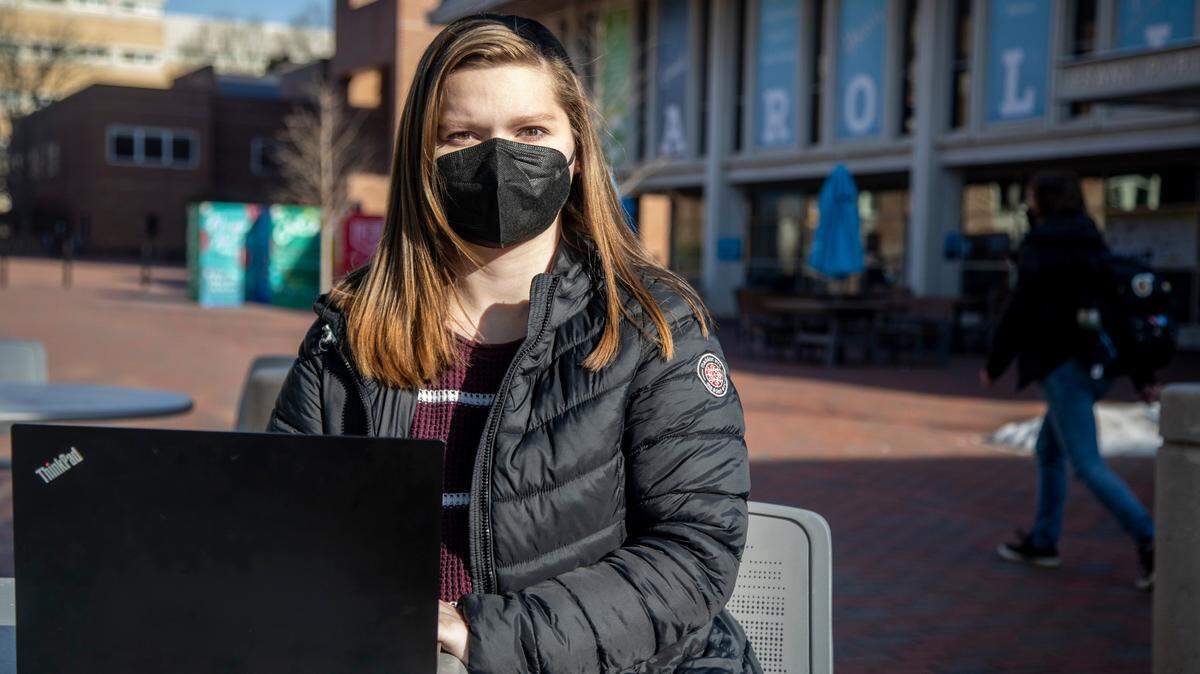
Kaylee Tackett registered for three upper-level computer science classes as a first-year at UNC-Chapel Hill. She assumed she was prepared: She’d been taking computer science classes throughout her time at Lincolnton High School, a rural public school with a population of just over 800 students. Taking those classes even knocked Tackett out of the top 10 in her class since those classes weren’t worth as much in the school’s weighted GPA system. But when classes started, she realized she was behind.
“If you get to a point like Carolina, you don’t necessarily think ‘Oh, there’s something different about me,’” she says. “It’s like, everyone has struggles and I just didn’t necessarily realize how hard it was for me.”
Tackett is a first-generation college student, so she didn’t really have a guide for what college would look like for her. When the pandemic hit, she was surprised that some of the COVID-related modifications, like recording lectures and having more time to take exams, were really helpful. Through the Carolina Covenant program, she was connected to free ADHD testing, and then, a diagnosis. Tackett, now a senior computer science major at UNC-CH, didn’t get accommodations for her disabilities until the current academic year.
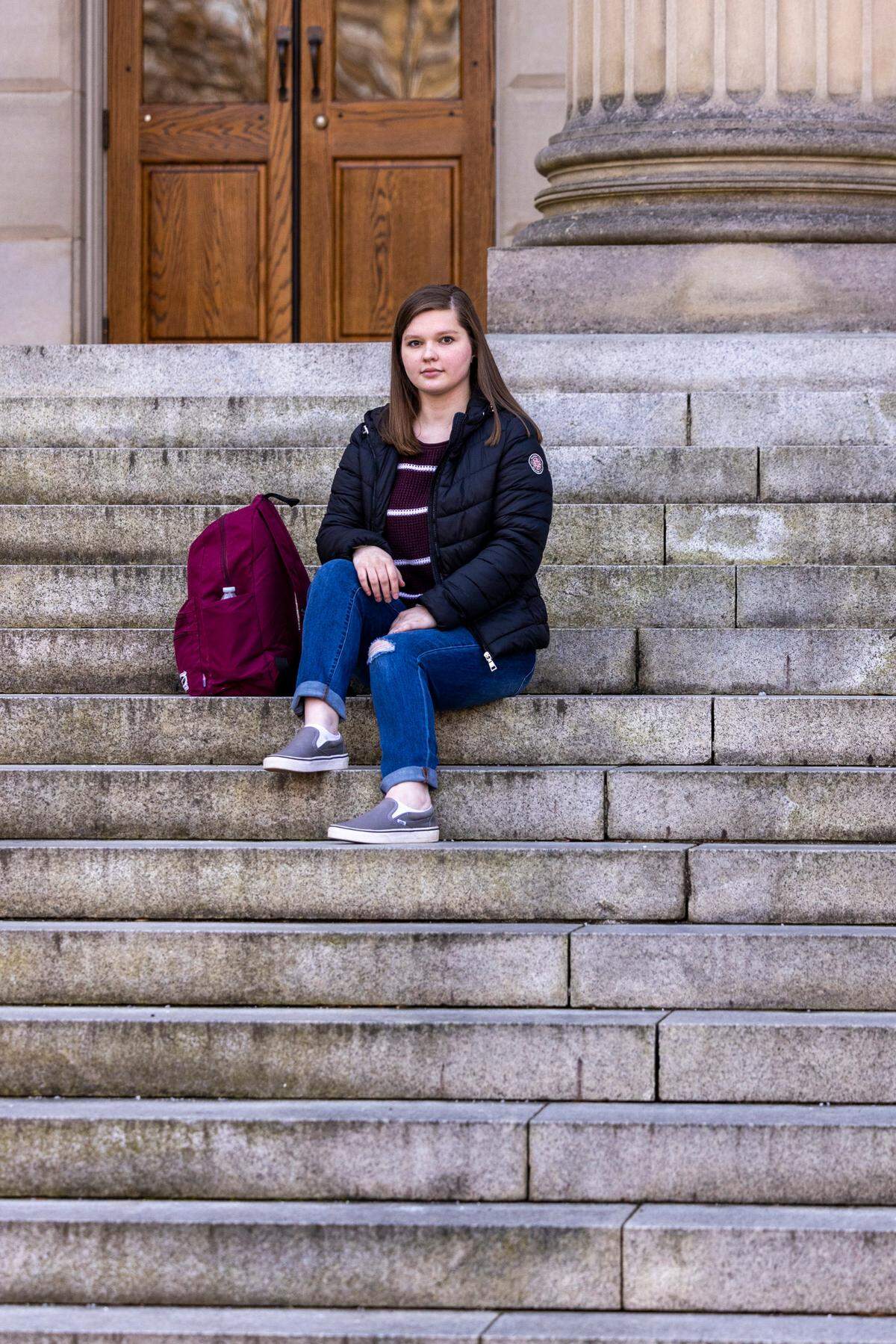
UNC-Chapel Hill is supposed to be the university of the people. It was the first public university in the United States — the only state school to graduate students in the 18th century. Even then, there were concerns about the school creating a “permanent aristocracy” in North Carolina.
The public university wasn’t for the whole public until more than 150 years after the charter was signed, once Black students were admitted to the university in the 1950s and disabled students received protections during the 1970s.
UNC-CH looks different now than its founders could have imagined, but it doesn’t mimic the state’s general population: Black, Latinx, disabled, and rural North Carolinians are noticeably underrepresented.
Forty percent of North Carolina’s grade school students live in rural areas, making it second in the nation for rural student population (Texas is first). North Carolina’s rural students are at or below the national median for college readiness, and per pupil spending in rural NC is $1,000 below the national average, and even lower than the state average.
The state’s rural schools are the second most diverse in the nation, following Delaware. North Carolina has seven majority Black counties, and non-white people make up the majority of population growth in all of North Carolina. It’s not clear this intersection of identities is reflected in the university, either.
Studies have shown that even high-achieving students from rural communities face low academic preparation, geographic isolation, and poor socioeconomic conditions. One 2018 study that appeared in The High School Journal also found that high school students from these rural areas face anxieties that could be taken care of by the state.
Nestor Ramirez, one of the authors of the study, a UNC alumnus, and an education policy analyst at RTI International, was a guidance counselor in Surry County after college. He notes that even within rural communities, the anxieties vary based on intersecting factors.
“I had students who were undocumented, right?” Ramirez says. “And with them, it was a completely different process, because they aren’t eligible for a lot of grants. They’re considered ‘out-of-state’ students.”
Students who fall outside of the margins in any way — students who aren’t white, or neurotypical, or wealthy — don’t have enough academic and social resources automatically given to them to ensure that they are able to do more than just survive their four years at UNC. Ramirez noted that as a counselor, he had students leave the county, only to come back later for any number of reasons.
When these conditions are combined with the politicization of the university, it presents an environment where students outside the margins feel like they’re no more than a dollar sign or a quota.
UNC-CH is not unique. Comparable state university flagships, like the University of Virginia, the University of Michigan and the University of Florida, also fail to represent the diverse experiences in their state.
Each university bears a responsibility, hypothetically, to be the epicenter of public education, and to serve the state. To do this, there must be systemic changes to the way we fund public schools, the way we connect all students with resources, and the way we ensure that students are seen as more than dollar signs by the university’s administration.
If UNC-CH cannot be the most competent university for all people, it’s not the university of the people. It never was, and it never will be.
This story was originally published February 6, 2022 at 6:00 AM with the headline "The university of (some) people: Who is UNC-Chapel Hill truly for?."