
Less parking? Yes, it makes sense in some North Carolina cities
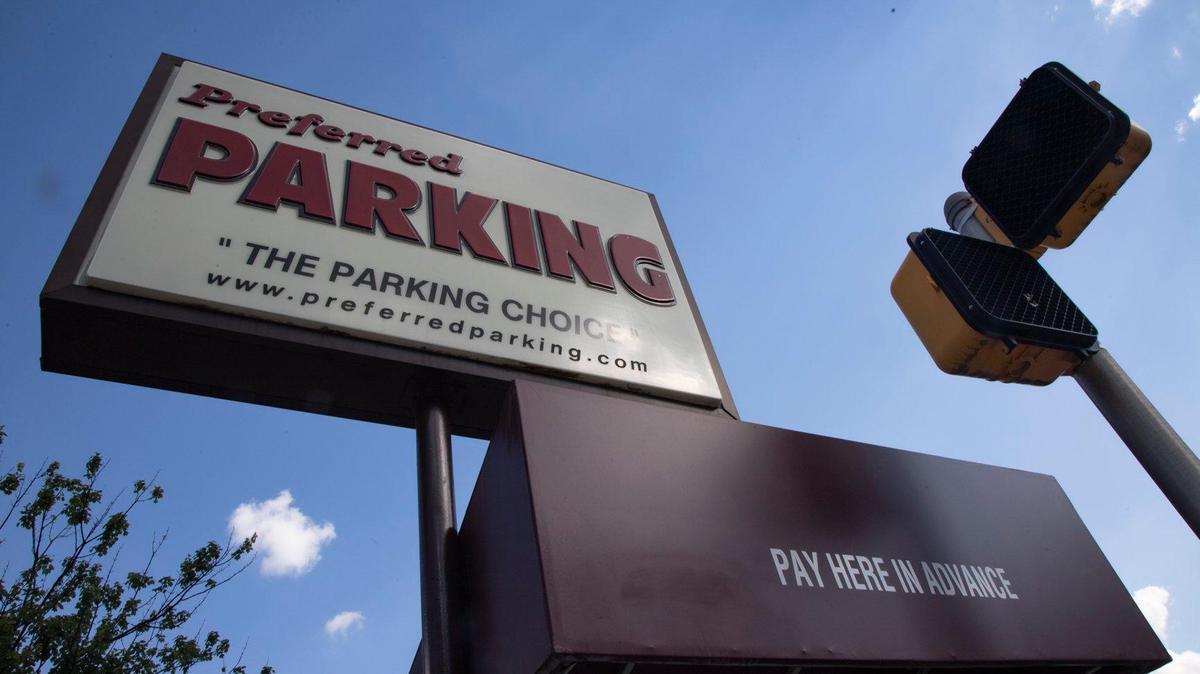
If you live in a larger city like Charlotte or Raleigh, parking downtown can be a real pain. Maybe you can’t find an open spot close to your destination, or maybe you end up paying a whole lot more than you wanted to just to store your car while you eat or shop.
That doesn’t mean there should be more of it.
As they look ahead to future growth, cities like Raleigh and Charlotte are considering what role parking should play — and how much of it developers should be required to provide.
The Raleigh City Council voted Tuesday to drop parking requirements across the city for new developments, while Charlotte leaders are rethinking parking standards as part of the city’s expansive Unified Development Ordinance.
In many cities, zoning laws require developers to provide a certain number of off-street parking spaces for new projects. The required number of spaces is usually based on the size and type of development — a shopping center, for example, may have to provide one parking space for every 250 square feet of gross floor area. The same is true for housing. Apartment complexes and single-family dwellings typically have to provide a certain number of parking spaces per unit, as well as additional spaces for guests.
All of that might seem like a good thing. After all, if developers aren’t required to provide parking, won’t it become even harder to find somewhere to park?
Maybe, but that’s kind of the point. Pairing parking and development might seem OK now, but it’s a bad long-term solution because it reinforces our reliance on cars as a primary means of transportation. And at some point, we have to break the cycle.
Everyone hates having a long, grueling daily commute. But imagine having even more cars on the road. Traffic is already pretty unbearable throughout Charlotte and the Triangle, and maintaining an autocentric status quo will only make it worse as those areas continue to grow.
Our propensity to drive everywhere has consequences beyond congestion, though. It’s why the rising cost of gas is such a blow to American consumers right now, and why our climate is at serious risk. Discouraging automobile use can help reduce greenhouse gas emissions as people opt to carpool, bike or use public transportation instead.
And not only does parking take up valuable space that can be used for higher-density development, it also makes things more expensive. Parking inflates the cost of rent whether you drive or not, making housing less affordable for everyone.
This isn’t to say that we should get rid of all parking, or that off-street parking should be banned. Eliminating parking minimums wouldn’t prohibit developers from building on-site parking, but it would mean they don’t have to.
So far, more than 200 U.S. cities, including Sacramento and Portland, have already done away with parking minimums. Doing so has contributed to the development of affordable housing and further incentivized transit use — two areas in which Charlotte and Raleigh struggle.
Making our cities less oriented toward cars makes life easier for those who don’t have or can’t afford one. Charlotte’s UDO would revise parking minimums and maximums based on zoning type. Parking maximums would be implemented in areas zoned for transit-oriented development, where higher-density growth and pedestrian-friendly development are a priority.
Of course, simply discouraging car use only works if you provide people with a suitable alternative quickly. People will continue to drive as long as it’s convenient to do so — or as long as they don’t have any other choice. That’s why Raleigh and Charlotte should continue efforts to build robust and reliable public transportation networks that people actually want to use, and encourage development along those transit corridors.
Imagine a world where a 15-minute bus ride can get you to work every day, or one in which the grocery store is only a block away. That’s what North Carolina cities need, and eliminating parking requirements will help us get there.
BEHIND THE STORY
MOREWhat is the Editorial Board?
The Charlotte Observer and Raleigh News & Observer editorial boards combined in 2019 to provide fuller and more diverse North Carolina opinion content to our readers. The editorial board operates independently from the newsrooms in Charlotte and Raleigh and does not influence the work of the reporting and editing staffs. The combined board is led by N.C. Opinion Editor Peter St. Onge, who is joined in Raleigh by deputy Opinion editor Ned Barnett and in Charlotte by deputy Opinion editor Paige Masten. Board members also include Observer editor Rana Cash and News & Observer editor Nicole Stockdale. For questions about the board or our editorials, email pstonge@charlotteobserver.com.
This story was originally published March 15, 2022 at 1:53 PM.