No one breaks down NC politics like her. How this local organizer found a niche on TikTok
Political organizer Kristen Havlik didn’t expect to find popularity on TikTok when she first started posting on the platform last summer. At the time, she was running for public office and wanted to spread the word about her campaign.
She’s no longer running for office, but she is still on TikTok, where her platform has since grown. Havlik has amassed what she calls a “niche North Carolina audience” by breaking down issues in state and local politics.
When you think of TikTok, news and politics may not be the first thing that comes to mind. The video-sharing app, which boasts more than a billion active users, is probably best known for its dance videos, viral trends and otherwise silly, informal content. It’s launched the careers of countless content creators who now make a living off of social media.
But it’s more than that, too. Or at least it can be.
Havlik has nearly 15,000 followers on TikTok, but many of her videos garner even more views than that. One video in which she explained the legal challenges to U.S. Rep. Madison Cawthorn’s candidacy was viewed more than 129,000 times. Videos about the redistricting process, as well as housing prices and gentrification in North Carolina cities, have also been popular.
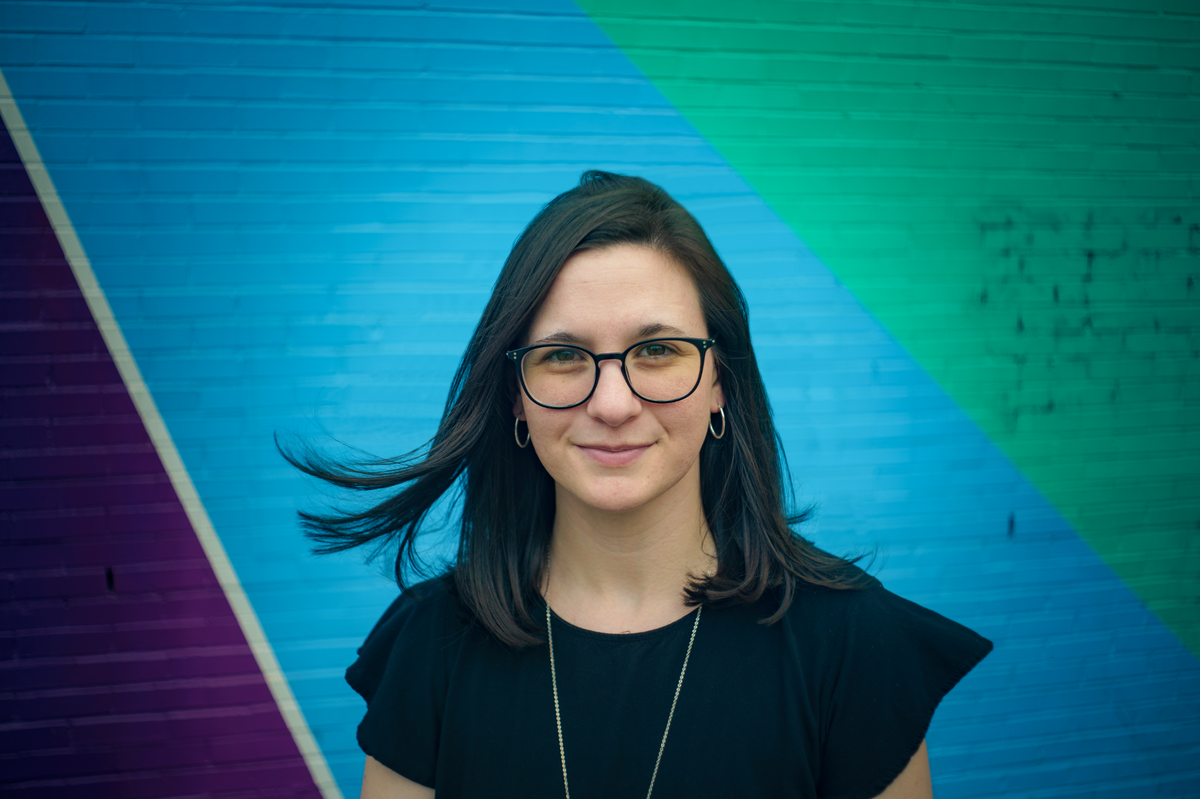
Havlik’s goal is to be a resource for fellow working class people, many of whom have been turned off by a political process that is sometimes intentionally convoluted and inaccessible. Unlike many popular TikToks, the videos Havlik posts are not heavily edited or theatrical. More often than not, she’s simply speaking straight to the camera from her couch, kitchen or somewhere else in her home.
“I think that the working class person experience is not talked about enough,” Havlik told me. “And so I think maybe my following comes to me because they know that I’m a reliable source and also that I’m super relatable, because I’m in the same shoes as a lot of the people that are following me.”
Political participation at the state and local level is often fairly low — but it’s not always because people don’t care. There are significant barriers to civic engagement, especially for working class and marginalized people. Oftentimes, the reason why people are disengaged or disillusioned with politics is because politicians don’t make enough of an effort to reach them.
For Havlik, this work is not unfamiliar. She currently works for the New North Carolina Project, a grassroots organization that helps communities of color leverage their voice and political power.
Havlik says that TikTok is a way to explain issues that may be difficult to understand — like redistricting — and deliver information in an easily digestible way. Many people stumble across her videos and are surprised to learn what’s happening. Some ask how they can get more involved or learn more. Her videos have even prompted people to register to vote, sometimes because they weren’t sure how to do so previously.
Roughly half of U.S. adults say they at least occasionally get their news from social media, so it’s not entirely surprising that Havlik has seen people engaging with her videos. More recently, TikTok has been a place for people around the world to engage with current events; Russia’s ongoing invasion of Ukraine has been branded as the “first TikTok war.”
Even the White House has begun to recognize the power of TikTok. Last month, 30 top TikTok stars were invited to a virtual briefing hosted by National Security Council staffers and White House press secretary Jen Psaki, where they received information about the war in Ukraine and how the U.S. has been involved in it.
“There’s a place for everything on TikTok,” Havlik said. “It’s not just for videos and funny skits and things like that. People legitimately want to learn more, and they want to see the real thing from people in plain and simple terms for them to understand.”