Despite surge in unaffiliated voters, no equitable pathway to candidacy
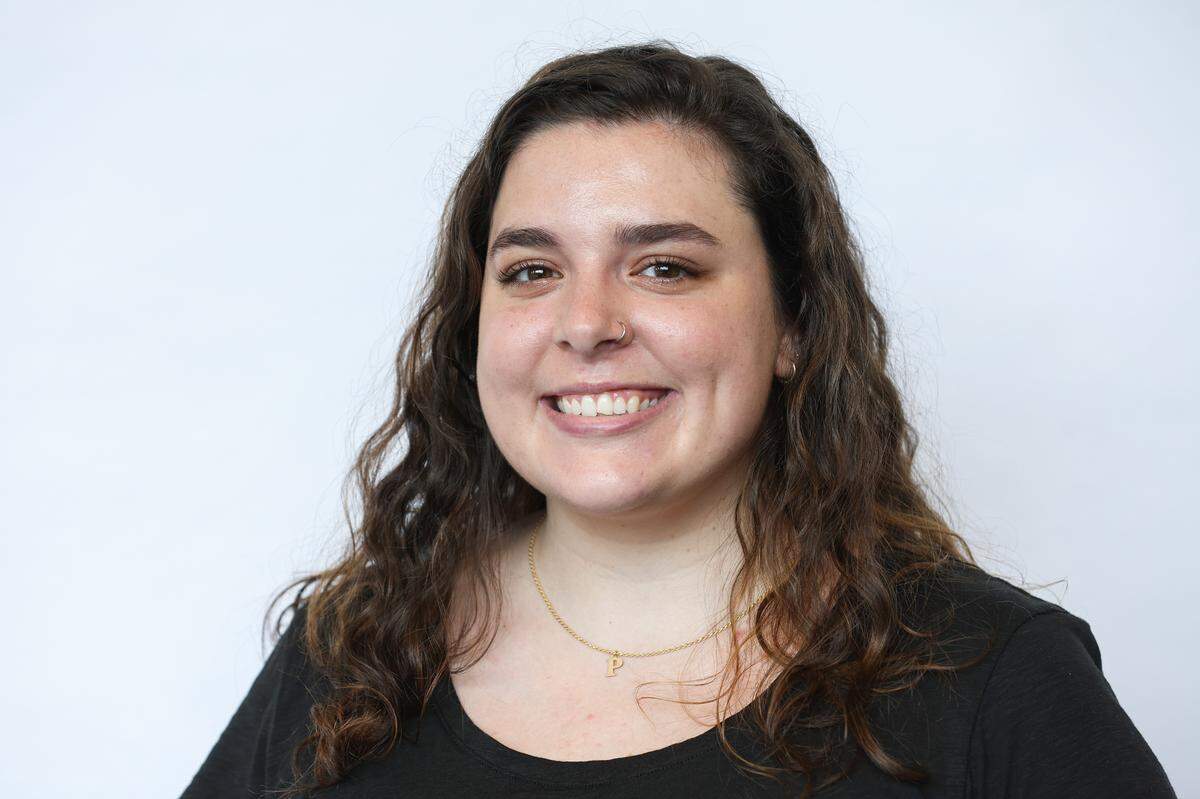
When Jennifer Moxley decided to run for Charlotte City Council, she thought she could just show up, pay the $216 filing fee and turn in the paperwork.
She soon learned that was not the case. Once she arrived at the Mecklenburg County Board of Elections office, she found that as an unaffiliated voter, she faced an additional hurdle to getting on the ballot.
Unaffiliated voters, officially, are North Carolina’s largest voting group. Some 2.5 million people and counting — many of whom say they don’t quite fit under the Democrat or Republican umbrella these days — have chosen to forgo the party label altogether.
But that doesn’t mean partisan representation isn’t here to stay. Despite the changing electorate, it’s still disproportionately difficult to run for public office as an unaffiliated candidate.
Under North Carolina law, any candidate not affiliated with a political party must file a written petition supporting their candidacy for office, signed by a certain percentage of qualified voters. In Moxley’s case, that means she has to collect in-person, physical signatures from 1.5% of all registered voters in Charlotte City Council District 1. That’s 1,323 people. For a statewide race, like U.S. Senate, an unaffiliated candidate would have to gather more than 83,000 signatures statewide.
Moxley has spent the past couple of weeks speaking with voters and asking for their signatures. A majority of them, she said, are also unaffiliated and are surprised to hear there could be an unaffiliated option on the ballot. She enjoys the conversations, but she doesn’t see how the process is useful.
“I am not spending any time right now informing people about me and where I stand on the issues. I am spending all of my time informing people about the process and the petition. That is not a good use of any candidate’s time,” she said.
Moxley announced Tuesday she was no longer running, saying her “chances of getting the petition signatures by the deadline was looking grim.”
While unaffiliated voters in North Carolina may outnumber everybody else, it’s nearly impossible to find anyone in public office currently that isn’t a Democrat or a Republican.
That doesn’t mean they haven’t tried. In 2013, Michael Zytkow became the first independent candidate in at least 15 years to successfully qualify for a city council race in Charlotte. He walked from door to door collecting thousands of signatures, and reportedly lost 33 pounds in the process.
It’s easier for unaffiliated candidates to run in nonpartisan races, where they don’t have to petition their way onto the ballot. But there aren’t a whole lot of those in North Carolina anymore, even for offices that perhaps shouldn’t be politicized, such as school boards and the judiciary. The North Carolina General Assembly voted to restore partisan judicial elections back in 2016, and a growing number of local school boards have switched to being partisan, too.
In Surry County, where school board elections have been partisan since 2019, one woman has chosen to run as an unaffiliated candidate this year, saying she doesn’t “think politics has a place in schools.”
People have told Moxley that she should have just chosen to run as a Democrat or a Republican; after all, it probably would’ve been easier. But Moxley, who hasn’t been affiliated with a political party since she graduated from college, doesn’t see that as a viable option.
“It just is not authentic to my belief system to choose a party just because it’s easier,” Moxley said. “We’re not ever going to have an unaffiliated candidate if we all just keep choosing the path of least resistance and not requesting an equitable pathway to candidacy.”
Nor is it going to restore the trust of millions of voters who are clearly disillusioned with the two-party system. They want to vote based on policies, not party, but that’s not always possible in today’s political climate.
There isn’t a viable third option in most races, which leaves many voters feeling like they have to choose between the “lesser of two evils.” Worse, some may not even want to vote at all. That doesn’t lend itself to a healthy democracy, and it doesn’t reflect the kind of system North Carolinians seem to want.
This story was originally published April 5, 2022 at 5:00 AM.