What does Mecklenburg’s only GOP legislator think of Charlotte’s transit plan? | Opinion
State leaders sardonically refer to the Charlotte area as the “Great State of Mecklenburg” — a nickname meant to capture the “us vs. them” relationship long-present between Charlotte and lawmakers in Raleigh.
Charlotte has an inflated sense of self-importance, lawmakers just don’t understand what Charlotte needs — or so the story goes.
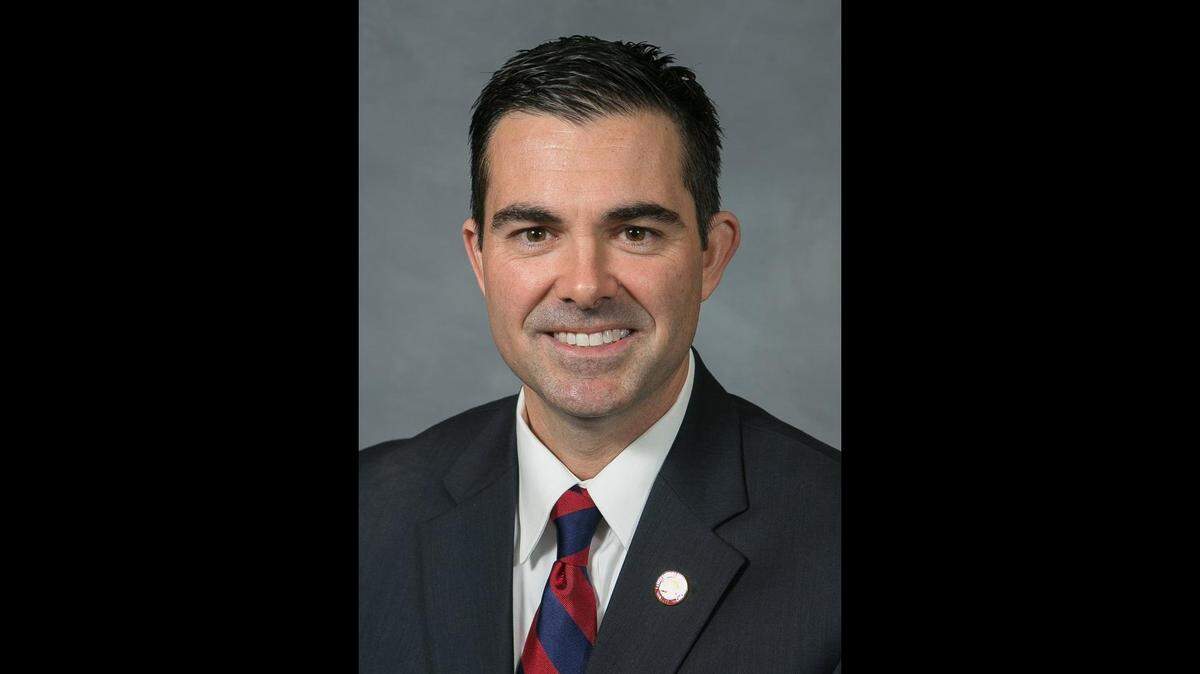
In some respects, Rep. John Bradford is a bridge between that Great State of Mecklenburg and the Republican-controlled General Assembly. He’s the sole Republican legislator from Mecklenburg County, representing House District 98 on-and-off since 2015. (Bradford succeeded Thom Tillis following the latter’s election to the U.S. Senate.)
“I find myself, obviously, kind of in a situation where the needs that I have at home are going to be probably more in alignment with my Democrat colleagues, just because we’re all from big cities,” Bradford told me. But good legislators are able to try to put themselves in different shoes, Bradford said, and he asks his Republican colleagues to do that often.
Charlotte’s transit woes
That’s especially relevant now, as Charlotte looks to implement a transformative $13.5 billion transit plan, a large portion of which would need to be funded by a penny sales tax increase. In order to put a sales tax referendum on the ballot, the city needs the General Assembly’s approval. But so far, the chances of getting that approval appear slim.
The city’s own lobbyist told council members in January that the plan in its current state is “dead on arrival” in Raleigh because it’s not a regional plan. The council advanced its plan to ask the legislature to approve the ballot measure anyway.
Bradford may be the city’s best shot to win over Republican leaders, who so far have expressed strong skepticism and disapproval of the transit plan. But aside from a few conversations with Mayor Vi Lyles, Bradford hasn’t heard much.
“If there is a plan in place to move something in the legislature, I have not heard about it,” Bradford said. “I’m not even sure what the final plan is. And I’m your one Republican from Mecklenburg. So I think that would make a lot of people start to feel uneasy.”
The sales tax increase would apply countywide, so Charlotte needs buy-in from other municipalities in Mecklenburg if it wants the referendum to be successful. Bradford represents three of those towns: Huntersville, Davidson and Cornelius. But after years of broken promises and plans that never came to fruition — namely the Red Line — getting those residents to OK a sales tax hike won’t be easy.
“I’ve made it clear that there is a trust issue,” Bradford said. “I don’t believe the towns feel like they’ve been the beneficiary of paying the transit tax all these years already. So what would make them think that doing it again is going to lead to a different result?”
Bradford says the referendum won’t have his support unless the three towns he represents pass a resolution backing it. So far, none have.
Modernizing ABC laws
The urban-rural divide is evident on other issues, too, like modernizing the state’s liquor laws. Bradford serves as one of the chairs of the House’s Alcoholic Beverage Control committee. North Carolina’s liquor laws are often prohibitively strict, but ideological differences within the legislature remain an obstacle to changing them.
A few years ago, Bradford helped pass what was known as the “brunch bill,” which allowed alcohol to be sold starting at 10 a.m. instead of noon on Sundays. Even that relatively benign change faced bipartisan resistance. The legislature authorized the creation of social districts last year — areas where people can walk around outdoors with open containers of alcoholic beverages.
This year, there’s yet another push to legalize happy hours, which Bradford supports and hopes will pass. But don’t expect a complete overhaul of North Carolina’s ABC structure anytime soon.
“I don’t think we have enough support to privatize even if we wanted to. Honestly, I just don’t think we would,” Bradford told me.
Oh, and about that “Great State of Mecklenburg” moniker? Bradford gets it a lot in Raleigh.
“People are saying it in jest, but maybe deep down, they’re really kind of poking at us,” Bradford said. “But let’s not ignore all that Mecklenburg County has … sports teams, a major airport, banking, hospitals. We have a lot to be proud of.”
This story was originally published March 9, 2023 at 11:32 AM.