
Retired teacher: Anti-CRT bill NC is considering will backfire | Opinion
For over 21 years, I taught high school English to students in a small North Carolina town outside of Charlotte. I taught students of color, trans students, evangelical Christian students, students guided across the border by coyotes and who spoke no English yet, and students whose families could trace their history through Mayflower ancestors.
Until 2021, we read Toni Morrison, Malcolm X, Elie Wiesel and Chinua Achebe, alongside Shakespeare, Dickens and Hemingway.
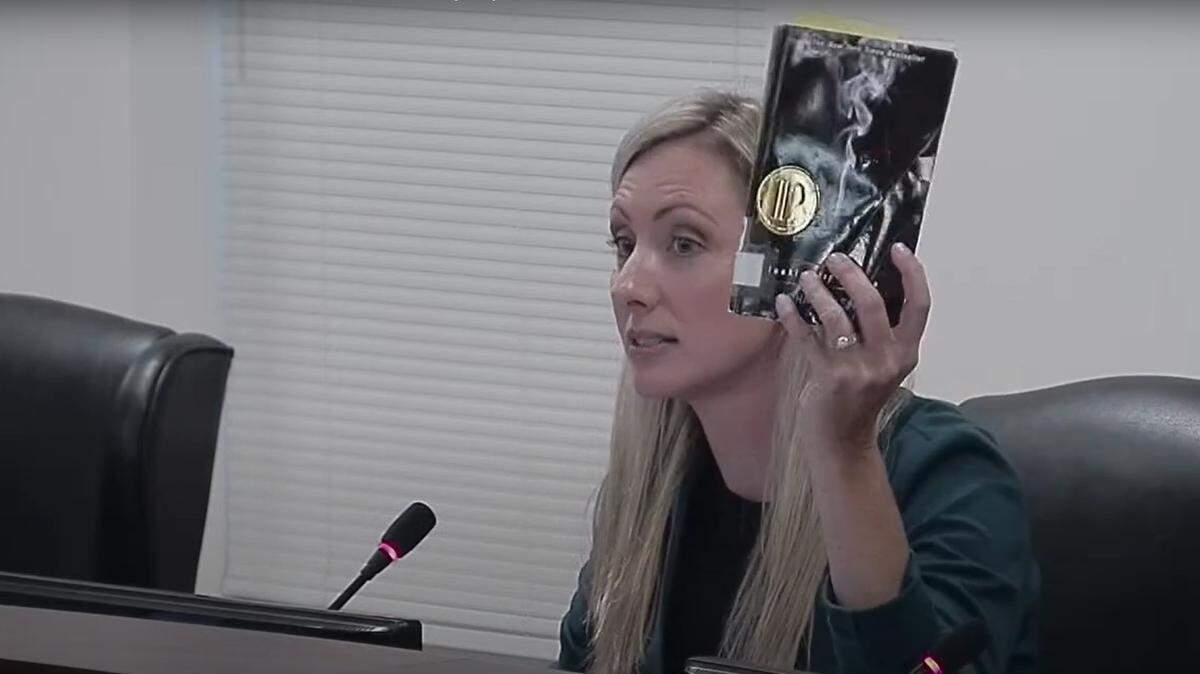
That same year, I found myself targeted along with other teachers in my county by extremists backed by our local conservative school board members. During school board meetings, my fellow educators and I were bombarded with accusations of “CRT,” and “indoctrination,” despite our efforts to create appropriate lessons for our students to learn about our past and present that will prepare them for the real world.
I knew I could never censor my classroom choices enough to appease them, and I was luckily able to take partial retirement. But what solved my personal dilemma is no solution to the very real problem that these extremists have created for our public schools in North Carolina and nationwide.
The spring after I retired, our school board and county office told administrators and teachers to pull certain books from classrooms: “The Hate U Give,” “Dear Martin,” “The Absolutely True Diary of a Part-Time Indian.” One of our more zealous board members, who appeared as a guest on Steve Bannon’s show, tried to help start a “Book Review” committee to allow any community member to object to a book anywhere in the county.
After a lot of pushback from parents, teachers and community leaders — and an election that doomed some of the extremists school board candidates — the “Book Review” committee was disbanded and the push for book banning by the far-right diminished.
But it is impossible to miss the common denominator among these targeted books. Each one features protagonists who are not white and centers stories critical of authority and power. And although these books were eventually allowed to return to the classrooms they were pulled from, it was with the caveat that if the teacher taught them and any parent complained, then the county would not support the teacher’s choice.
The decision to erase Black voices and experiences in our public school classrooms, to censor our school curriculums and expunge the history of those who are “other,” is an absolutely chilling one. Recent legislation like House Bill 187 and Senate Bill 49 are examples of measures that will strip away opportunities for our students to be successful; for our students to be equipped with the tools to understand what’s happening in the world, how it impacts others around them, and how they can help foster change for a better future.
At bottom, students who do not see themselves in American history quickly learn to disregard our history. Kids who don’t hear their stories reject literature.
But it’s more than that — effacing stories of Black and Brown voices and experiences also eradicates real American history. Learning about the Civil War and Reconstruction without confronting the rank evil of slavery, reading about the Civil Rights movement without an honest account of Jim Crow or Westward Expansion without “Manifest Destiny” robs us all of our true heritage — the good, the bad, the awful, and the honest.
Public schools exist to foster critical thinking and honest debate. Their curriculum should reflect their student population and include all of our voices, all of our experiences, all of our perspectives. Silencing some voices for the comfort of extremists diminishes everyone.