
Solitary confinement in NC is inhumane | Opinion
“Innocent until proven guilty.”
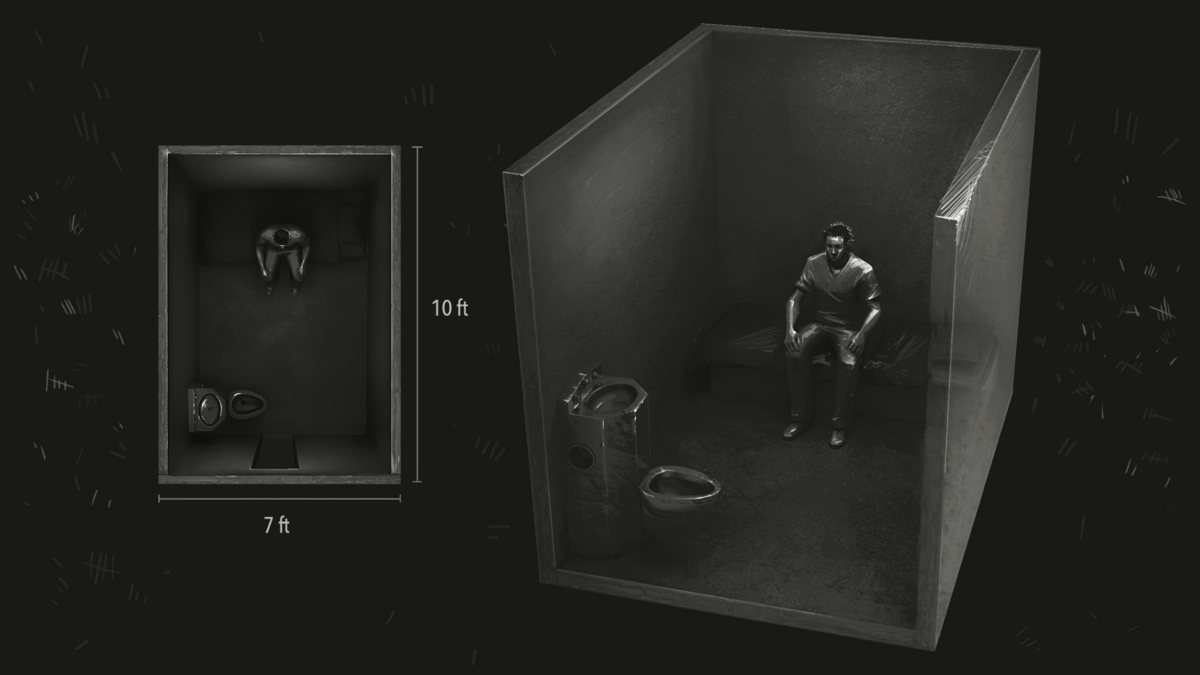
This is a foundational principle of justice. But North Carolina is eroding this principle by holding those who have not been convicted of crimes in jail and inhumanely subjecting them to solitary confinement — such as the case with Devalos Perkins.

For more than a decade, Perkins has languished in solitary confinement while his mental illness has worsened, despite never being convicted for the crime he’s accused of. These egregious practices highlighted in The Charlotte Observer’s Purgatory Behind Bars series not only contradict the principles of justice, fairness and human rights but also perpetuate the cycle of suffering and hinder the prospects of rehabilitation.
Almost half the states and the District of Columbia have enacted statutes that limit or prohibit solitary confinement, while others have limited it through administrative code, policy or court rules, according to the National Conference of State Legislatures. North Carolina is not among them — and it’s time we catch up.
Studies show as many as 38% of people incarcerated in prisons have disabilities, including mental illness. The grave consequences of prolonged incarceration and solitary confinement on people with mental illness are well-documented. Research published in the Journal of the American Medical Association shows incarcerated people who are held in solitary in North Carolina were 78% more likely to die by suicide and 54% more likely to die by homicide within the first year after release — and 127% more likely to die of an opioid overdose in the two weeks following their release. The data also shows incarcerated people living with mental illness are even more likely to end up in solitary confinement.
These horrors are as old as solitary confinement itself, and incarcerated North Carolinians have been calling out for reform for years. In large part, requests from justice reform and mental health advocates to do something about this human indignity have been ignored.
North Carolina’s criminal legal system is ill-equipped to provide mental health care in our jails or prisons. Limited resources, insufficient staffing and a lack of specialized training contribute to substandard mental health support within this system. Consequently, individuals in county jails who are suspected but not convicted of crimes often do not receive appropriate mental health treatment, thus exacerbating their conditions.
Banning solitary confinement is the ultimate answer. We have an obligation to protect the human rights of all individuals, including those accused of crimes. North Carolina must recognize its legal and moral responsibility to uphold the dignity and well-being of individuals with mental illness and work towards a justice system that adheres to these standards.
Just this month, Virginia enacted a policy requiring better conditions for those in solitary confinement — including offering a minimum of four hours of out-of-cell time.As Virginia did last month, North Carolina lawmakers can enact similar changes here. They can narrow guidelines on who can be put into solitary confinement. They can establish reasonable limits on solitary time, improve conditions and focus on prevention, rehabilitation and mental health treatment.
The N.C. Department of Adult Corrections should adopt the Nelson Mandela Rules on solitary confinement — a recommendation made by Gov. Roy Cooper’s Task Force for Racial Equity in Criminal Justice. The rules set a standard for the treatment of incarcerated people across the world and prohibit solitary confinement of more than 15 consecutive days. They also prohibit the use of solitary confinement for people with mental and physical disabilities.
The torture Perkins was subjected to while enduring 11 years of purgatory without sufficient mental health treatment is tragic, but it’s not unique. North Carolina can and must do better to treat those suspected of a crime with the human dignity they deserve.