NC’s Indian American community denounces ‘clear betrayal’ of UNC System’s DEI repeal
Members of the Indian American community are frustrated after a recent decision to gut diversity, equity and inclusion efforts at North Carolina’s public universities.
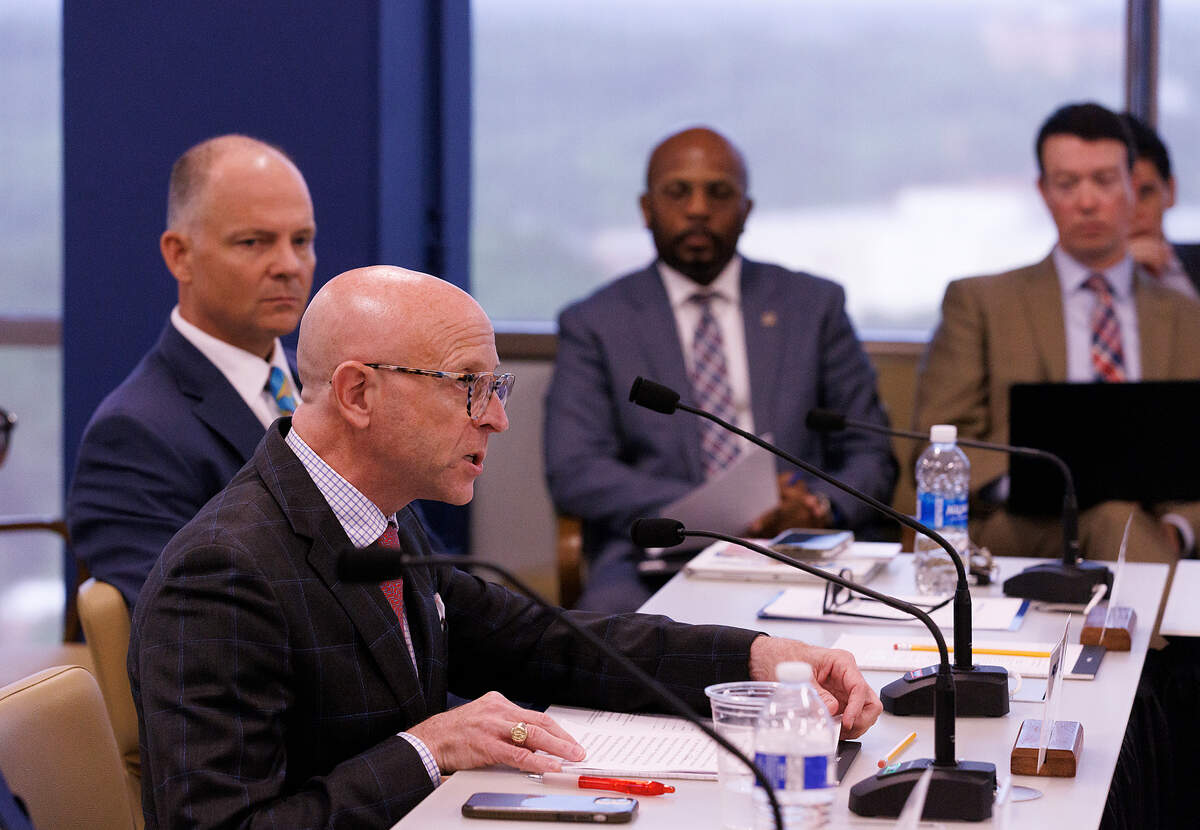
The UNC System Board of Governors voted last month to repeal existing DEI requirements for all of its 16 university campuses and replace them with a new policy that virtually bans such efforts. All but two of the board’s 24 voting members voted for the repeal, including the board’s sole Indian American member, Swadesh Chatterjee.
Chatterjee’s vote in particular disappointed those in the Indian American community, many of whom feel it does not reflect the community’s best interests.
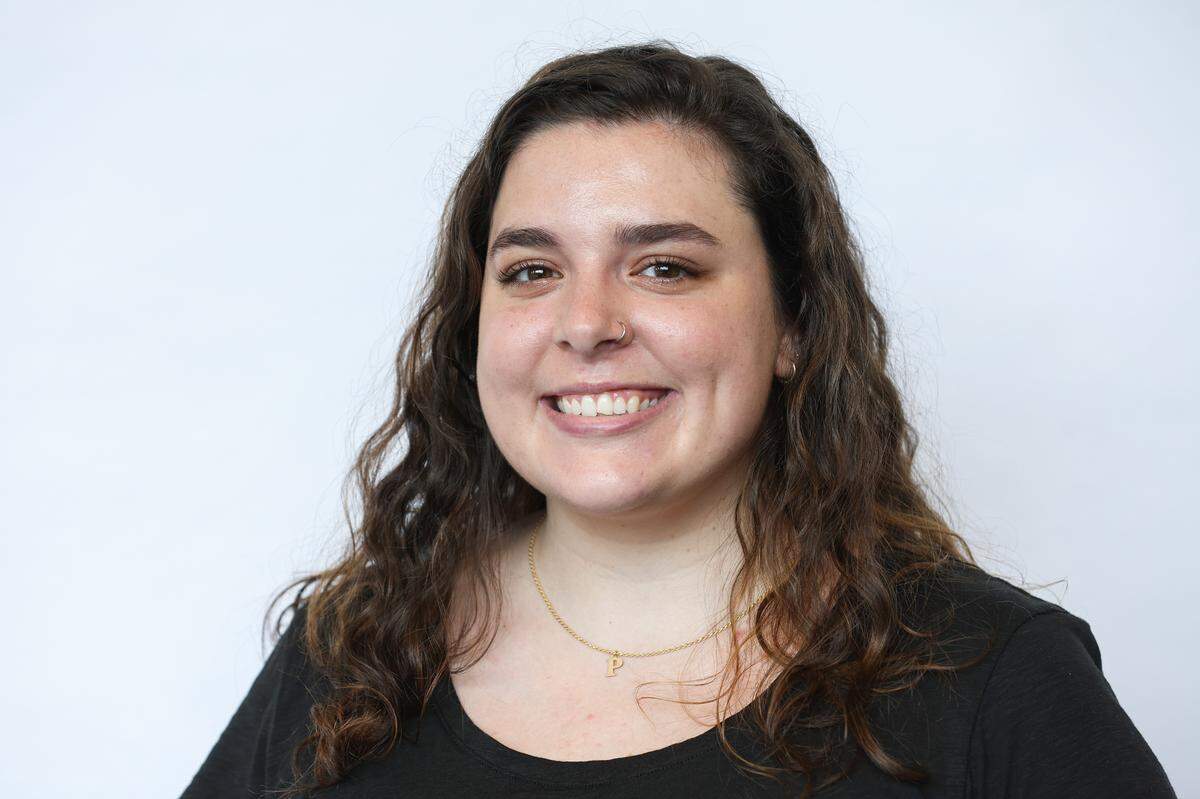
Shruti Parikh, head of education and political engagement for North Carolina Asian Americans Together, criticized the Board of Governors for cutting DEI programs at a time when the state’s Asian American population is growing rapidly. Between 1990 and 2020, North Carolina’s Asian American and Pacific Islander population grew more than eightfold, according to a study from researchers at UNC-Chapel Hill. Within that population, Indian Americans are the largest ethnic group.
“Having DEI ensures that policies and processes are there to protect the community and our allies,” Parikh said. “We need to feel that we have a fair shot at equal opportunities and making sure that our voices are heard on issues that are important to us.”
One Indian American tech executive told me that “the need for DEI in how we think, operate and run our businesses has been tremendously valuable.” He suggested that businesses like his may look for graduates from outside of North Carolina during the hiring process as a result of the decision.
“For people from the Indian American community who have benefited from DEI to now shun it is definitely disappointing,” he said of Chatterjee’s vote.
The UNC System’s previous DEI policy mandated that each school employ a top-level administrator to oversee diversity and inclusion efforts, and allowed universities to devote resources to efforts that support underrepresented students and faculty from all backgrounds. At UNC-Chapel Hill, for example, the efforts of the university’s Office of Diversity & Inclusion support racial and ethnic minorities, LGBTQ+ students and rural and low-income students. Now, the existence of that office is in jeopardy.
Of course, the Indian American community is not a monolith. Some Indian Americans, like former Republican presidential candidates Nikki Haley and Vivek Ramaswamy, have been openly critical of DEI in teaching and hiring and have gone as far as to deny the existence of systemic racism in the U.S. today. But community leaders say they were not consulted about the decision at all.
“There was no public comment period,” Parikh said. “You know, we’re a trusted messenger in the community. People look to us for comments on things like this. And, to my knowledge, [Board of Governors] members have not reached out to us or other community leaders to understand what we might have heard from the community.”
Even as it makes important decisions about diversity-related matters, the UNC Board of Governors is not particularly diverse by any measure. The board is predominantly white, with just four Black members, one Indian American member and one Native American member. Nearly two-thirds of the board’s members are registered Republicans, and there are just two registered Democrats on the board. Both of the members who voted against the repeal — Joel Ford and Sonja Nichols — are Black. The UNC-Chapel Hill Board of Trustees, which unanimously voted last month to reallocate the university’s DEI budget to police and public safety, has two Asian American members.
Chatterjee, an entrepreneur and community leader who lives in Cary, is registered as an unaffiliated voter and has a history of donating to both Democratic and Republican candidates. He has, however, donated to North Carolina House Speaker Tim Moore’s campaigns for both the state legislature and Congress. He did not respond to my requests for comment regarding the vote.
Chavi Khanna Koneru, the co-founder and executive director of North Carolina Asian Americans Together, summarized the disappointment more bluntly:
“It’s deeply unfair and a clear betrayal to have Asian Americans in positions of power who don’t actually make any effort to represent our community,” she told me. “No representation would be better than this kind of negligence and opposition.”
This story was originally published June 6, 2024 at 2:47 PM.