A new NC group takes on an unusual job: training an army of election losers | Opinion
.jpg "The team members behind the Can’t Win Victory Fund, a new nonprofit group whose goal is to field candidates in unwinnable districts in North Carolina.")
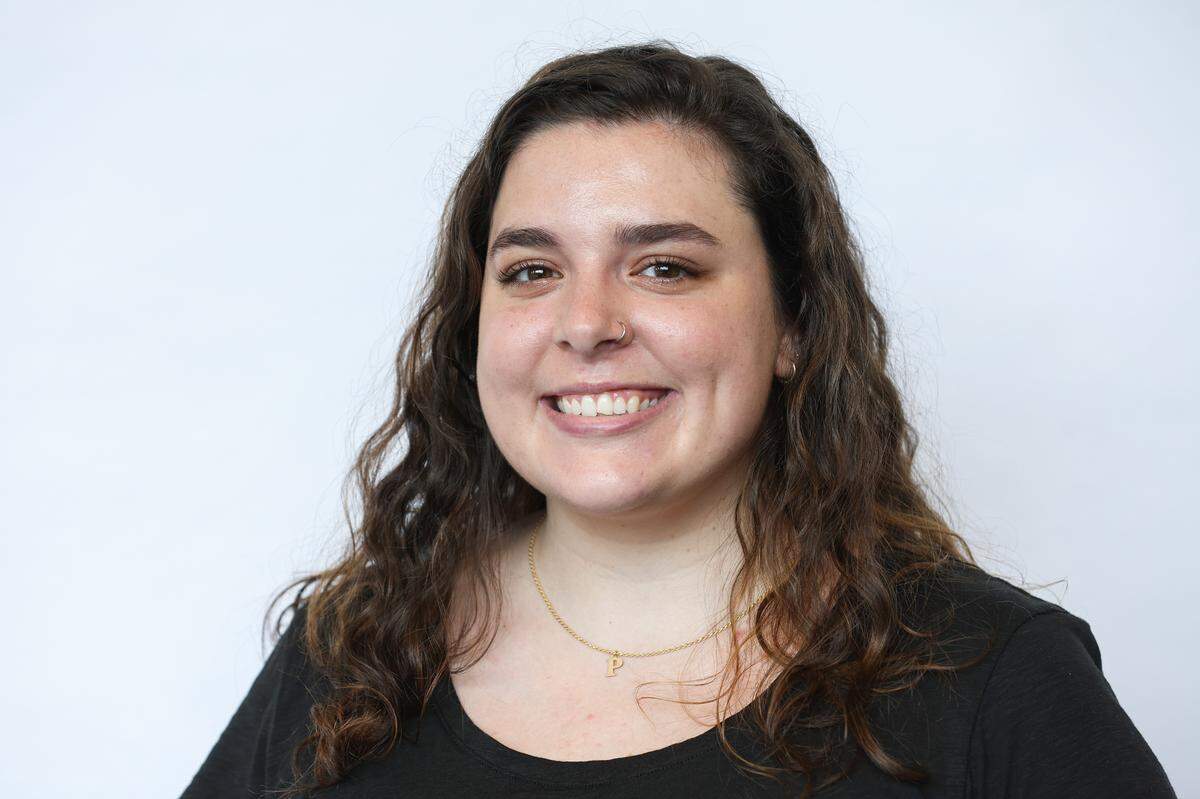
Kate Compton Barr lost her election for the North Carolina Senate last November by nearly 30 points.
She knew she would — her campaign slogan, after all, was “Clear eyes, full heart, can’t win,” a humorous reimagining of a slogan popularized by the TV show “Friday Night Lights.”
The district she ran in is a deeply red district that includes Iredell County and northern Mecklenburg County, but the point of Barr’s campaign wasn’t to win. It was to give voters in her district a choice on their ballot, and to protest the partisan gerrymandering that makes those districts unwinnable.

“I ran because I think gerrymandering is terrible and we have to stop it,” Barr, who lives with her family in Davidson, said. “And running for office was the best way I could think of to stand up against it.”
Toward the end of the campaign, Barr had an idea: What would happen if more folks ran this way? And what if she could help give them the resources and support they needed to do it?
And thus the Can’t Win Victory Fund was born — a nonprofit group that can help other candidates lose, too. The group’s goal is to recruit and support what they call “cant-idates” in unwinnable districts like the one Barr ran in last year. To Barr, it’s a natural progression of the mission she began when she decided to run for office herself.
“It’s all too common in uncontested races for the person who is guaranteed their seat to basically not campaign at all,” Barr said. “They don’t have to really do anything to convince their constituents that they are worthy of keeping or of doing that job. And I just fundamentally believe that being an elected leader, you should really have to make the case for why you deserve that honor.”
Barr’s counterparts in running the fund are three women who supported her during her own campaign: Beth Kendall, chair of the Iredell County Democratic Party; Caitlin Barnes, who helped flip a House seat in northern Mecklenburg County last year; and Tara Larson Arbitter, a marketing strategist and campaign volunteer. They’ve given themselves titles like “Chief Pain Officer” and “Champion of Lost Causes.”
Barr learned from her own experience that there are plenty of barriers to running a losing campaign. It’s tough to ask friends and family to donate to a campaign that’s not going anywhere, and candidates can risk some social capital running as the opposition in politically unfriendly territory. It’s also difficult to be a first-time candidate with little to no experience with running a political campaign.
That’s why the group aims to provide “loser training” to those who sign up to be a cant-idate. Barr says the training includes things like making sure candidates have a functioning website, as well as the ability to fundraise, craft a persuasive message and navigate social media.
It’s a mission that Barr truly feels is nonpartisan. When she ran for office, she found that there was real benefit in being straightforward about the fact that she wasn’t going to win. Honesty and authenticity counts for a lot, she said.
“In my experience, even the far right-leaning person respected the fact that I was running as a matter of principle,” Barr said. “I doubt they voted for me, but they could understand what it means to be an underdog and just stand up for something you believe in.”
Having a candidate running in that district likely made a difference. Iredell County didn’t shift as far to the right as other counties did in the 2024 election, and Barr’s efforts to engage with Democratic voters who might have previously been more overlooked in such a bright-red county helps lay a foundation for future success.
The Can’t Win Victory Fund isn’t just about running for office, though. It’s also focused on fighting the partisan gerrymandering that makes our elections less competitive in the first place — and Barr believes that the fight for fair maps is through the courts.
That’s why, earlier this week, Barr and fellow members of the Can’t Win Victory Fund gathered in downtown Raleigh to read aloud the names of all 60,000 voters that Republicans are challenging in the race for North Carolina Supreme Court. They began before sunrise and continued well into the night.
“Our core value, the center of all of it, is that voters are supposed to be in charge,” Barr said. “So we will show up for the fight anywhere and when any issue arises that starts to put voters’ voices behind partisanship.”