Safety at Charlotte’s transit center is a problem. But is evicting people the answer? | Opinion
AI-generated summary reviewed by our newsroom.
- CATS relocates six businesses to create fare-only zone at Charlotte Transportation Center.
- Four deaths since December highlight violent crime in the bus station area.
- The lack of police presence, inattention to homelessness built the struggles of the area
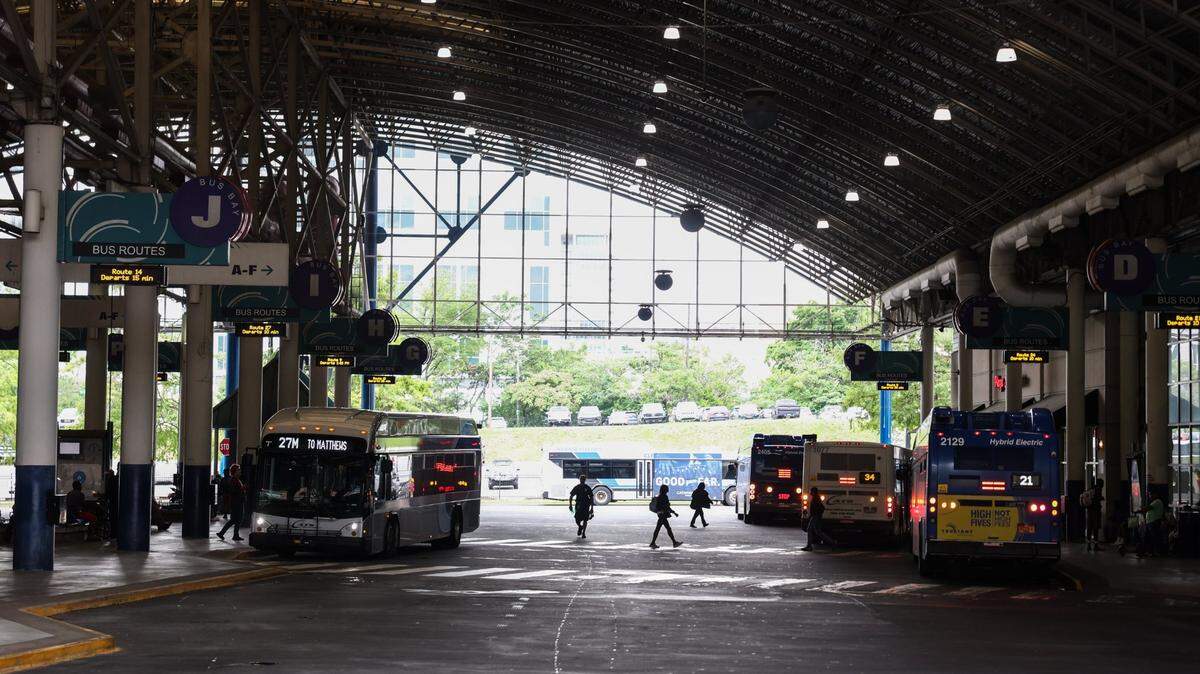
The Charlotte Area Transit System plans to evict six businesses, including Burger King and China Shuttle, from the city’s main bus station after a string of violent crime in the area. Shuttering the businesses allows CATS to establish a “fare zone” exclusive to those who have a light rail ticket or bus pass.
The relocation is an attempt to improve safety around the Charlotte Transportation Center, which is a crime hot spot. In the last 8 months, four people have died from incidents in the area. The first was when a homeless man died from an altercation with security guards in December.
The decision to terminate the vendors’ leases will affect their livelihoods. It will also affect the homeless population in the area. But did it really have to be this way? The Charlotte Mecklenburg Police Department headquarters is 360 steps from the Charlotte Transportation Center. I walked it myself. Why did so much crime happen less than half a mile away? Three more deaths followed the December beating. A man was stabbed to death and robbed in February. A woman was found dead in a bathroom close to a week later. The most recent death was Qualo Trevo Daniels, who died in April when he was caught in the crossfire of a shootout.
Tyrell Lewis has personal ties to the murders. He points to the sidewalk under the awning.
“A couple of my friends were killed over there,” Lewis said, pointing to the sidewalk under the awning. “One of them got shot and one of them got stabbed,” Lewis said.
A security firm is employed by CATS on the premises, but they can only detain and not arrest. There are also questions about whether the CATS-employed security is visible enough. Police officers are often outside, sitting in their cars on another part of the street. But why weren’t there trained policemen inside the facility more often?
When asked about police presence at the transit station, the Charlotte-Mecklenburg Police Department said it expanded “Operation Heartbeat” in December, which introduced new blue lights on their cars and increased police presence in the area. But there didn’t seem to be a strong enough police presence inside a place known for consistent death. Could the police have done more?
CATS spokesperson Brett Baldek stressed that officials were making improvements with what they could with the control over their own property. Baldek said there could be businesses in the area again soon, but now they are focusing on community involvement. Baldek said that CATS could only control their spaces in a localized way, a fare zone is an example.
“We can only control what happens to our property,” Baldek said.
It’s not just the business owners that who are affected by the changes. Nearly everyone I talked with mentioned a sizable homeless population in the facility. Charlotte reached its highest level of homelessness since 2010 last month. During the summer, many of the homeless come to the Charlotte Transportation Center to find cooler temperatures. In the transit center, large fans run in every corner, buses whir. Some sit or smoke cigars while waiting on the bus, others scour the aimless heat. It’s hard to imagine that putting all these people back on the street will solve any problems. Getting rid of those without tickets in the transportation center would only move those populations somewhere else. We need to go beyond surface-level solutions to make sure everyone is on their feet, working and commuting.
It’s difficult to attribute the rise in crime at the transportation center to any one factor. But we also can’t say whether it can be stopped by surface-level adjustments that expel the homeless and businesses, especially if they aren’t responsible for the problem in the first place. Instead, the city should work to ensure the center can be a place that benefits people, rather than evicting them.