NC Republicans want to restart the death penalty, but there are obstacles | Opinion
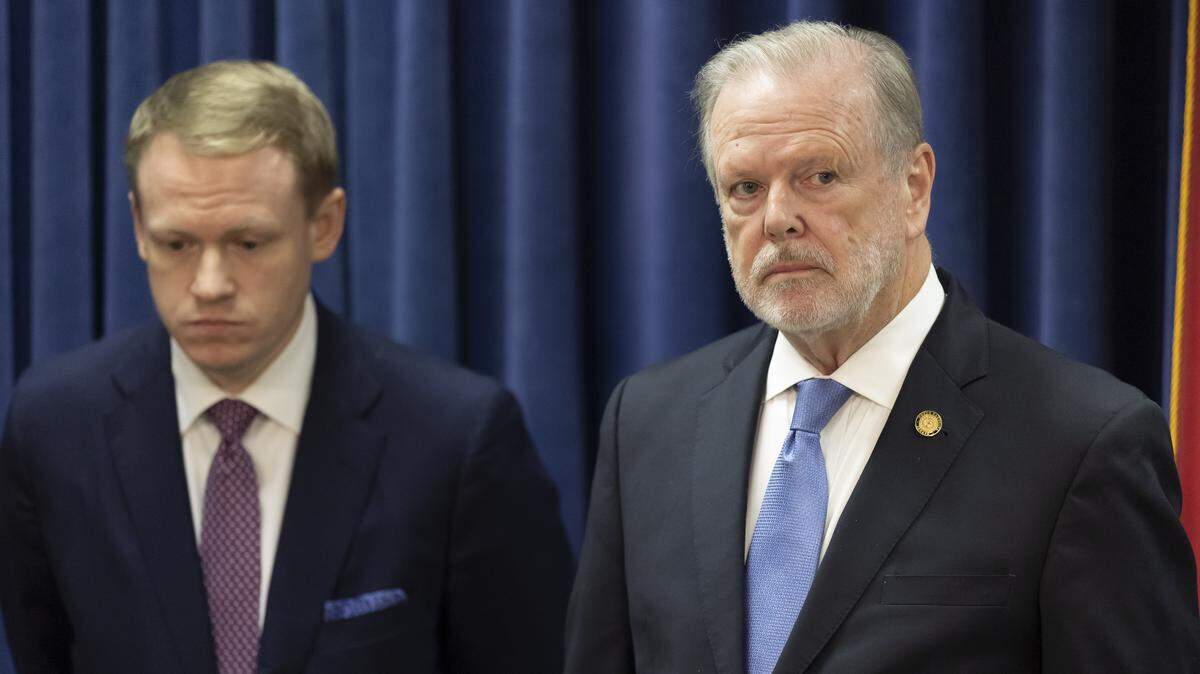
After a brutal murder on Charlotte’s light rail last month, North Carolina Republicans are looking at a number of policy changes, including restarting the death penalty.
The death penalty is technically still allowed in North Carolina, but it hasn’t been used since 2006. Senate leader Phil Berger said at a press conference last week that he’d like to undo the de-facto moratorium on the practice, and President Donald Trump has called for the death penalty for the man accused of the Charlotte murder.
“For far too long, there’s been a judicially imposed moratorium on the death penalty by activist judges and doctors and attorneys general and governors who are more interested in serving leftist political bosses than justice for victims and their families and justice for the public as well,” Berger said.
Here’s the thing, though: it may be out of lawmakers’ hands.
Because the death penalty is already legal in North Carolina, it’s not as simple as just passing a law that would make executions start up. The current moratorium exists for a few reasons, but the short answer is that it’s due to judicial obstacles, not legislative ones.
For one, the Racial Justice Act allowed death row inmates to challenge their sentence if they believed race was a factor, and more than 100 of the 121 inmates currently on death row have filed such a challenge. Even though that law was repealed more than a decade ago, the N.C. Supreme Court decided back in 2020 that those who filed a challenge before its repeal could still proceed.
The de facto moratorium also exists because lethal injection is the only form of execution permitted under state law, and it requires a doctor to be present. Doctors have largely refused to participate, in part to avoid potential sanction by the state medical board, which has said that participating in executions violates the ethics of the profession.
There may be a few potential workarounds, including bringing back other forms of execution, such as the electric chair and the firing squad. Only a small handful of states legally allow such methods, and even fewer actually use them. Lawmakers put forth a bill earlier this year that would add North Carolina to that list, though it hasn’t made significant progress toward passage. That would address the issue of needing a doctor present, but it wouldn’t erase the ongoing legal battles brought by the vast majority of inmates on death row right now. There’s also the possibility that the N.C. Supreme Court, now dominated by Republicans, could undo the decision made by the court back in 2020, which would theoretically render the existing legal challenges defunct.
But when asked at last week’s press conference how exactly they believe they could restart executions, lawmakers didn’t comment.
If lawmakers do manage to find some sort of workaround, it would be the wrong decision. North Carolina should be looking for ways to eliminate the death penalty entirely, not bring it back.
Beyond the obvious concerns about it being immoral and even unconstitutional, or the stories about botched executions and wrongful convictions, there’s also no real evidence that it’s an effective public safety tool. Studies have shown that the death penalty doesn’t deter murder or crime. That’s true even in states like Texas, which has carried out more executions in the modern era than any other state. States that never implemented the death penalty don’t have higher homicide rates than those who did, and despite tragedies like the one that happened in Charlotte last month, violent crime in North Carolina as a whole is actually decreasing, even though executions have paused.
Besides, keeping the death penalty on the books is expensive, even when executions don’t actually take place. Death penalty cases cost more for taxpayers because they require additional litigation, and housing prisoners on death row tends to be more costly than maximum security prison.
Lawmakers are right to look for ways to make communities safer and prevent what happened in Charlotte from happening again. But vengeance is not justice, and returning to cruel methods of punishment cannot be the answer, especially when it’s unlikely to have a deterrent effect. North Carolina can do better.
Paige Masten is a deputy opinion editor for the North Carolina opinion team.