A Charlotte mystery: Why did Vi Lyles run again if she thought she might resign?
READ MORE
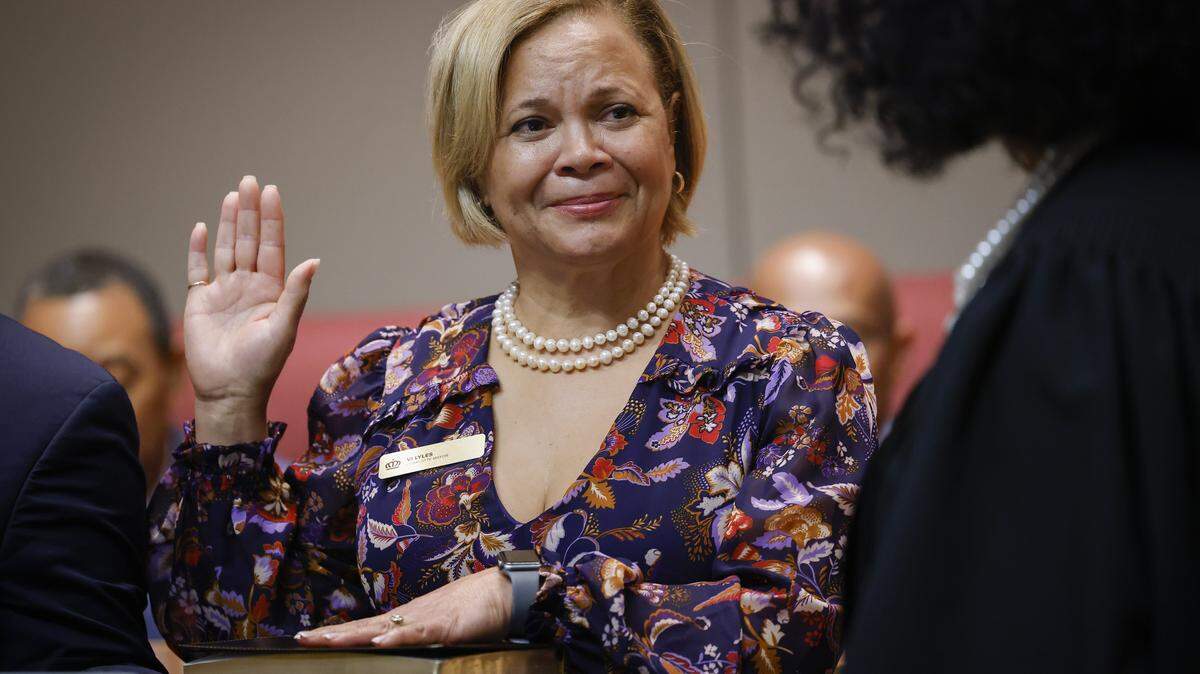
Mayor Vi Lyles steps down from office
Charlotte Mayor Vi Lyles announced that she will step down on June 30 and will not run for reelection in 2027. Here’s how the city is responding, and what could come next for the mayoral position.
Expand All
Up until Thursday morning, Vi Lyles represented for Charlotte something that bordered on permanence.
She was a fifth-term mayor, one whom voters expected would still be there through 2027. Yet just six months after coasting to reelection, Lyles announced she’s stepping down.
Naturally, there are questions.
Why run again if this was even a possibility? Why ask voters for two more years in the first place if there was a chance you might not serve them? In a city like Charlotte — one that has long prized stability, that tends to reward leaders who stay and see things through — those questions carry real weight.
They also don’t have easy answers.
Because the reasoning Lyles offered — about time, about family, about what matters at this stage of life — is deeply human. It’s also the kind of reasoning that doesn’t fit neatly into the expectations voters bring to a reelection campaign.
That tension, between what voters expect and what life demands, is where this decision sits.
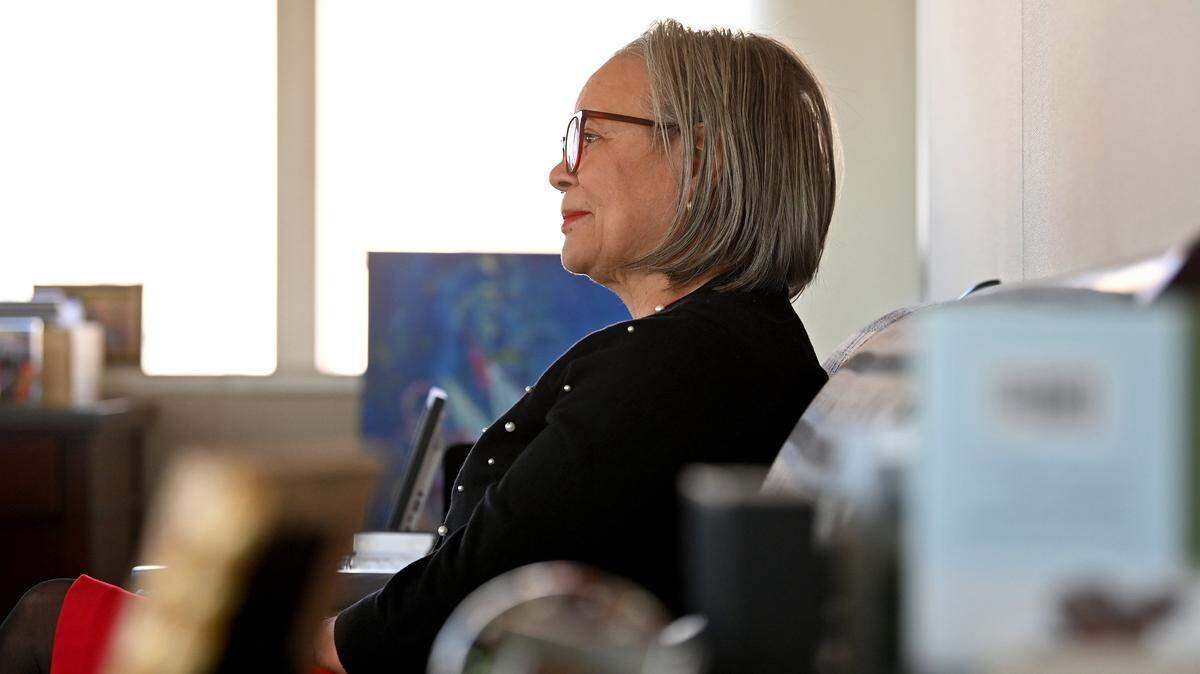
Today, I view a conversation I had with her earlier this year through an entirely different lens. We’d met in her office for what was supposed to be a reflective conversation — the kind you do a few months after a big win, after the City Council is seated, when there’s finally a little space to breathe.
Before we sat down for our interview, she gave me a tour of a series of framed photos she was eager to show off. One of her parents, including her father in his military uniform. One from President Biden’s visit to Charlotte after four CMPD police officers were killed in 2024. And one of her first husband’s father, her own two children, and three of her grandchildren (her fourth hadn’t yet been born when the picture was taken).
“I have lots of grandchildren, and a great family,” Lyles said.
It didn’t feel performative. It just seemed like a point of pride, delivered in a tone of voice that sounded far more grandmotherly than mayoral.
Glimpses of this side of her kept surfacing over the next hour. She didn’t talk like someone planning an exit. There was no suggestion that anything was about to change.
But she did talk like someone taking stock.
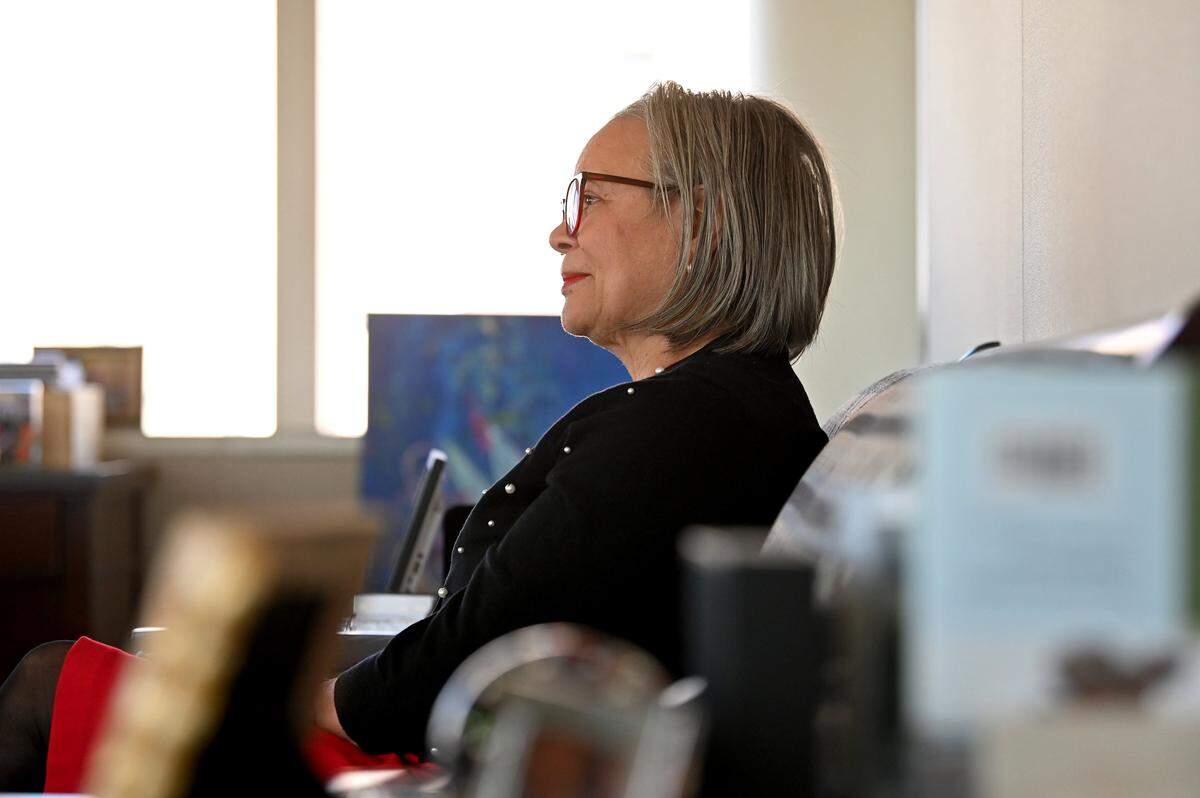
She mentioned offhandedly that she had just been to Queens University’s class reunion (she graduated in 1973), and when I asked her if she attends it every year, she said:
“I try to. I do. … I still stay in touch with some, but not as closely as you would think. I know that college is supposed to be something very special, but I think at some point I’ve gotten just older —” here, she chuckled “— and … it’s not, as much, to me. … The world has filled me with so much more.”
At the time, it sounded like gratitude. Now it sounds like someone reckoning with a life that has grown bigger than the office she holds.
In fact, I was surprised by how human and how not-politician-like her responses were at the time. By how much she allowed herself to be vulnerable; by how much she leaned into talking about those who carried her through the hardest parts of her life — the loss of her first husband, a cancer diagnosis, the loss of her second husband, and raising children through all of it; by the way she talked about how important it was to show up for her people, and about how meaningful it was that her people showed up so reliably for her.
And when I asked her to describe this stage in her life, Lyles said: “I think the thing that has made me stronger — and continues to make me stronger — is to have great relationships with people. … Having that ability to have people in your corner … it’s, like, everything.”
“... I don’t know how else to (say) it. It is a blessing.”
The decision to leave will no doubt leave the people who voted for her scratching their heads. Well, the people who didn’t vote for her, too. Because even after listening back to that conversation, the central question remains: Why run again if this was even a possibility?
It’s maybe the strangest part of all this — that Vi Lyles spent years projecting the image of being someone Charlotte could count on indefinitely.
Then, in the end, she reminded everyone that she was human after all.
This story was originally published May 7, 2026 at 9:30 AM.