
Ballantyne’s crown jewel: The Morrison YMCA sale doesn’t add up | Opinion
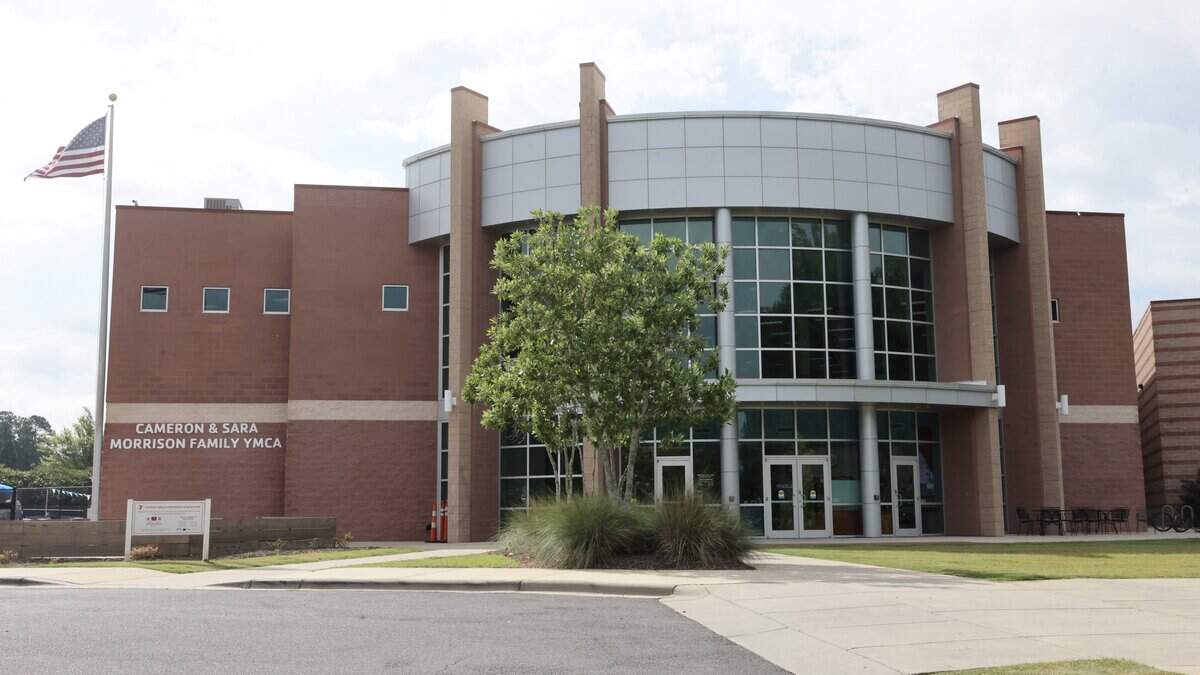
In October 2000, Mecklenburg County transferred 22 acres in Ballantyne to the YMCA of Greater Charlotte through a community-benefit land exchange. The intent was clear: to give a booming suburban community a dedicated hub for health, childcare, and youth programming. Last week, the YMCA announced it is selling that same parcel to Moments of Hope Church for $42.5 million. The county didn’t transfer that land so the YMCA could one day use it as a rainy-day fund. But that is precisely what has happened.
This transaction is a failure of leadership and fiscal stewardship, and the facts behind it deserve more scrutiny than they have received.
Start with the YMCA’s own finances. Systemwide revenue fell from $92 million in 2023 to $74.1 million in 2024 — a 19% decline. CEO Sue Glass insists the sale “was not as a result of financial challenges” and that the organization is “on a good footing.” Those two statements are difficult to reconcile. Selling your strongest branch to fund upgrades at weaker ones isn’t strategy; it’s fiscal triage. If you owned five Chick-fil-A locations and four were struggling, no rational owner sells the most profitable store to bail out the rest.
The buyer’s financial position compounds the concern. Pastor David Chadwick disclosed this week that the church has raised roughly half the purchase price. The remaining half will be fundraised over five years, with bank financing to bridge any gap at closing. The YMCA’s board accepted a $42.5 million purchase agreement from a congregation that has secured approximately $21 million, with the balance dependent on future tithing and debt. Parishioners deserve a transparent accounting of that commitment — not reassurance that it will work out.
Then there is what the community actually gets in return. Chadwick said this week that amenity access would be reserved for church members: “if anybody is looking for a church home and they want to be a member of our church, they would be able to use those amenities.” A facility that 4,200 households currently use — regardless of faith, income, or affiliation — becomes a benefit for 1,200 members of a congregation. Ownership determines control, and Chadwick has now said exactly how that control will be exercised.
The YMCA points to Sara’s, Harris, and Brace as alternatives for displaced members. Sara’s has no pool and primarily serves Ballantyne Corporate Park employees. Harris and Brace are each a 15-to-20-minute drive away. More than 2,800 people have signed a petition to stop the sale. The idea that 4,200 households simply absorb into other branches ignores how families actually use a neighborhood Y — and what they lose when it’s gone.
One question nobody has answered: what happens to this property long-term? A congregation taking on $42.5 million in acquisition costs, plus millions more in retrofits and ongoing maintenance, faces real financial pressure. Will any portion of the 22 acres eventually need to be sold or leased to offset those costs? If so, does that mean more multi-family housing that will flood an already overburdened school system? It is a reasonable question to ask now, before the sale closes and the land’s future is no longer the public’s business.
Forest Hill Church, which holds Sunday services at the Morrison Y, learned of the sale only just before it was made public — the same congregation Chadwick led before founding Moments of Hope in 2019. The church now displacing Forest Hill is the one he left it to start. The irony writes itself.
This deal trades a self-sustaining public asset for a one-time payout, at a price neutral observers can’t explain, to a buyer still raising the money to close. The community deserves better. The 4,200 families who made Morrison what it is deserve better. And the donors who have supported this Y for decades deserve to know their trust was treated as something more than a balance sheet entry.
Tony Eisel lives in Charlotte.
This story was originally published June 25, 2026 at 11:48 AM.