The Charlotte Hornets just traded big man Mark Williams to Lakers. Was the deal worth it?
Editor’s note: This story was posted after the Hornets and Lakers finalized and announced their trade, but before the Lakers subsequently rescinded the trade due to problems with a player’s physical exam.
I’ve got the perfect promotion for the Charlotte Hornets’ next home game.
They hand out a fresh Dunkin’ doughnut to every incoming fan, in honor of their sudden hole in the middle.
The Hornets traded 7-footer Mark Williams to the Los Angeles Lakers in the wee hours of Thursday morning, leaving the team with various and sundry spare parts at center.
For years, the Hornets bemoaned their lack of a true center who was both young and had substantial upside. A month ago, though, they had two of them: Williams and fellow big man Nick Richards.
Now, after the Hornets traded Richards in January and then Williams on Thursday just before the NBA trade deadline, they have zero. (The Hornets did trade for 30-year-old 7-footer Jusuf Nurkic later Thursday, sending Cody Martin to Phoenix in return, but I don’t honestly think that solves the problem).
But let’s not bury the lead too far here: Despite the doughnut analogy, I actually like the Williams trade.
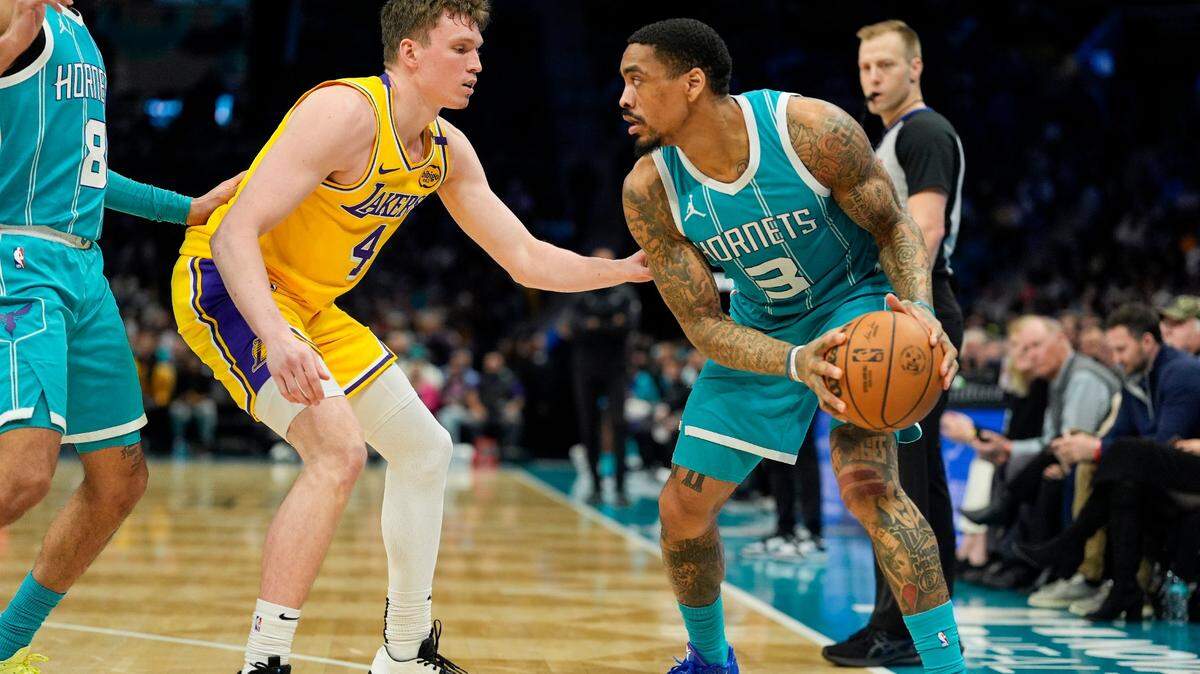
For Williams, the Hornets netted rookie shooter Dalton Knecht, veteran small forward Cam Reddish, the right to swap first-round picks with the Lakers in 2030 and the Lakers’ unprotected 2031 first-round pick.
The thing with Williams is that he just hasn’t been able to stay healthy. Even though he certainly looks the part of a foundational piece and his stats lately have been terrific, I never quite trusted him to be one. That’s mostly because Williams has missed 60% of possible Hornets games since the team drafted him in 2022, due to various injuries.
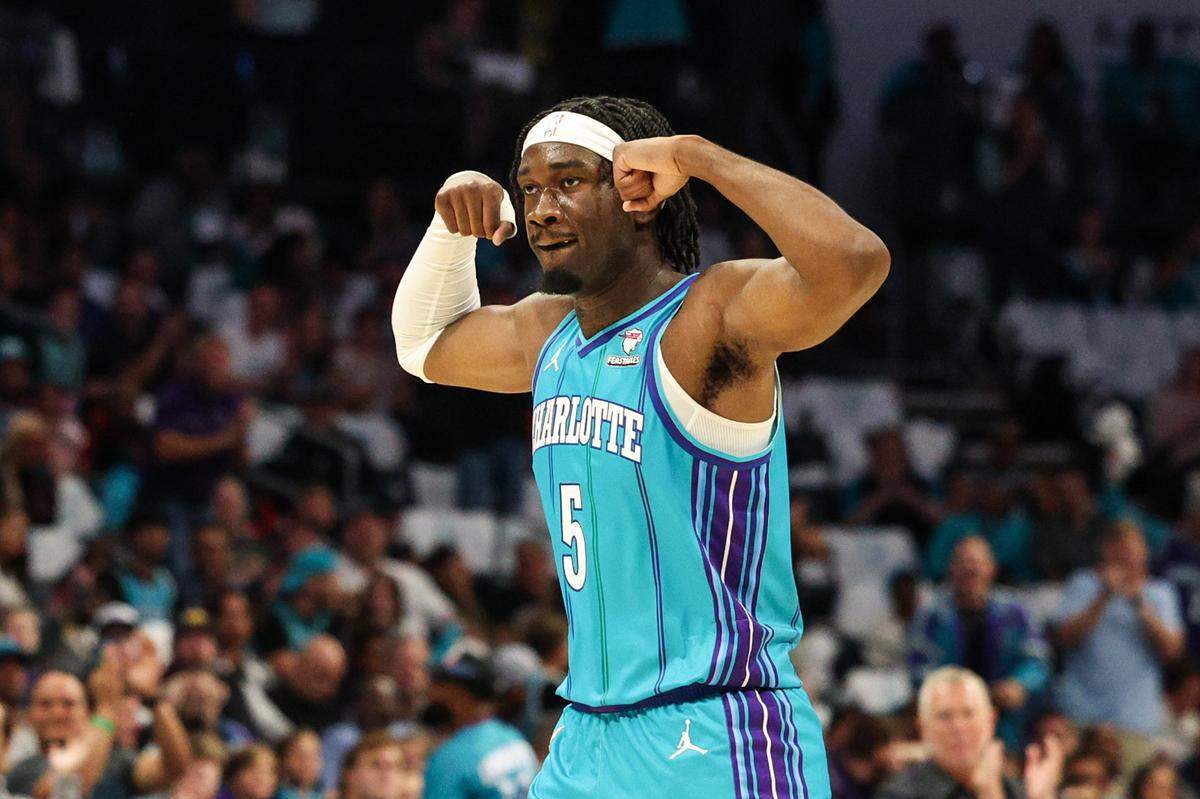
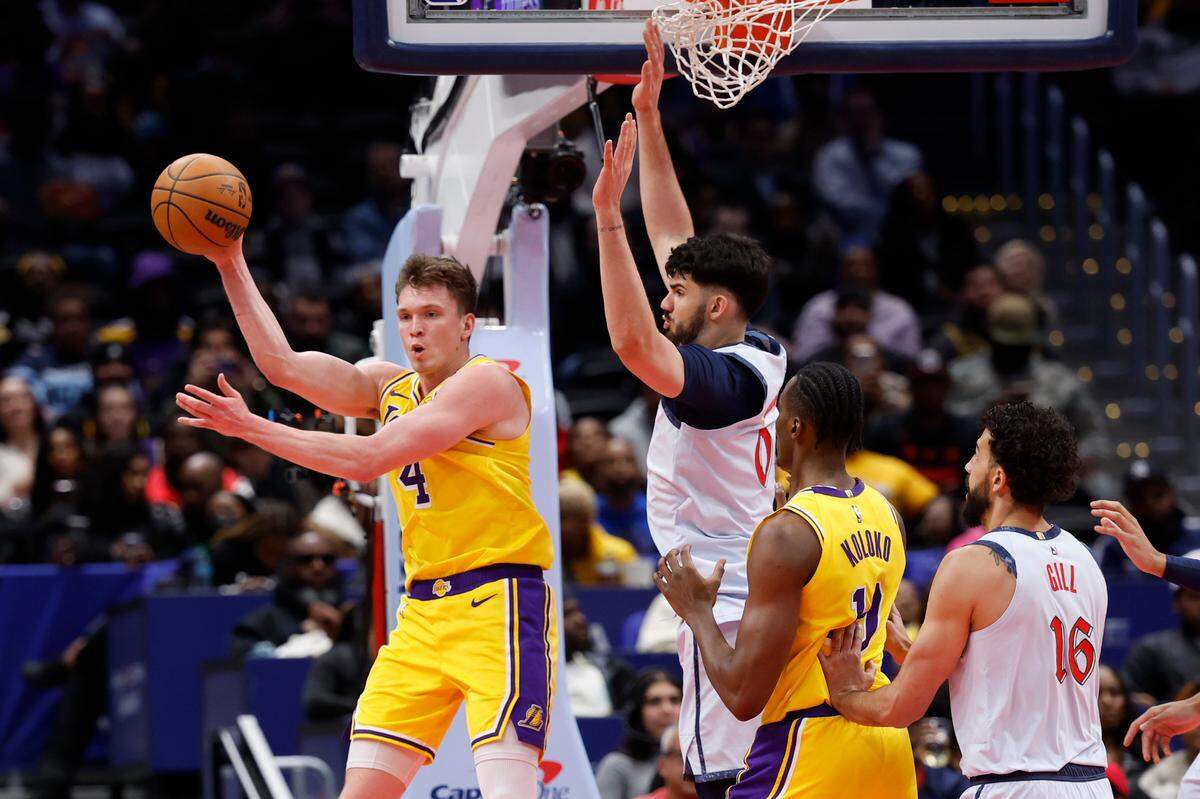
So shipping Williams off to the Lakers, where he suddenly gets to team with LeBron James and Luka Dončić? I’m OK with that, and certainly Williams should be. The former Duke star just went from a team that is going nowhere to one that could make a deep playoff run.
As for Knecht, who to me is the main part of this deal coming back: I’ve always liked the guy.
I honestly thought the Hornets should have drafted him in June 2024 over French teenager Tidjane Salaün, who I’m still not convinced will ever make much of an NBA player. It would have been easier to acquire Knecht by drafting him, certainly, although I get that he’s an older-than-usual rookie (he turns 24 in April and is actually eight months older than Williams, who’s in his third NBA season).
But Knecht can fill it up, and there’s no better quality than that in the NBA.
Hornets general manager Jeff Peterson has also been stockpiling draft assets. That’s laudable given that, as a GM, you never are totally sure you’re going to get to use those (as opposed to the next GM, since it’s a job that doesn’t lend itself to a long tenure).
The Hornets now have their own first-round pick over the next seven years as well as future first-round draft picks from Phoenix (2026), Dallas (2027), Miami (2027 or 2028) and the Lakers (2031).
Will the Hornets continue to lose in the short term? Of course. They’re 12-36 now and they haven’t made the NBA playoffs since 2016. For most of the past nine years, that’s just what they do. Friday night’s home game against San Antonio and 7-foot-3 Victor Wembanyama could be ugly for Charlotte.
Will Williams in the meantime generate some positive press in Los Angeles, as LeBron praises him and Luka feeds him alley-oops? Sure.
But Charlotte wasn’t winning with Williams, either. Despite his height and remarkable wingspan, he could get lost on defense sometimes. And these Hornets under Peterson and coach Charles Lee seem to want to follow a Boston Celtics blueprint and eventually play with a five-out offense as opposed to a back-to-the-basket center.
Bottom line: I think trading Williams, for what the Hornets got back, was worth the gamble.
This story was originally published February 6, 2025 at 11:05 AM.