Mack Brown was the ultimate salesman, but never quite made the ultimate delivery at UNC
READ MORE
UNC football moves on from Mack Brown
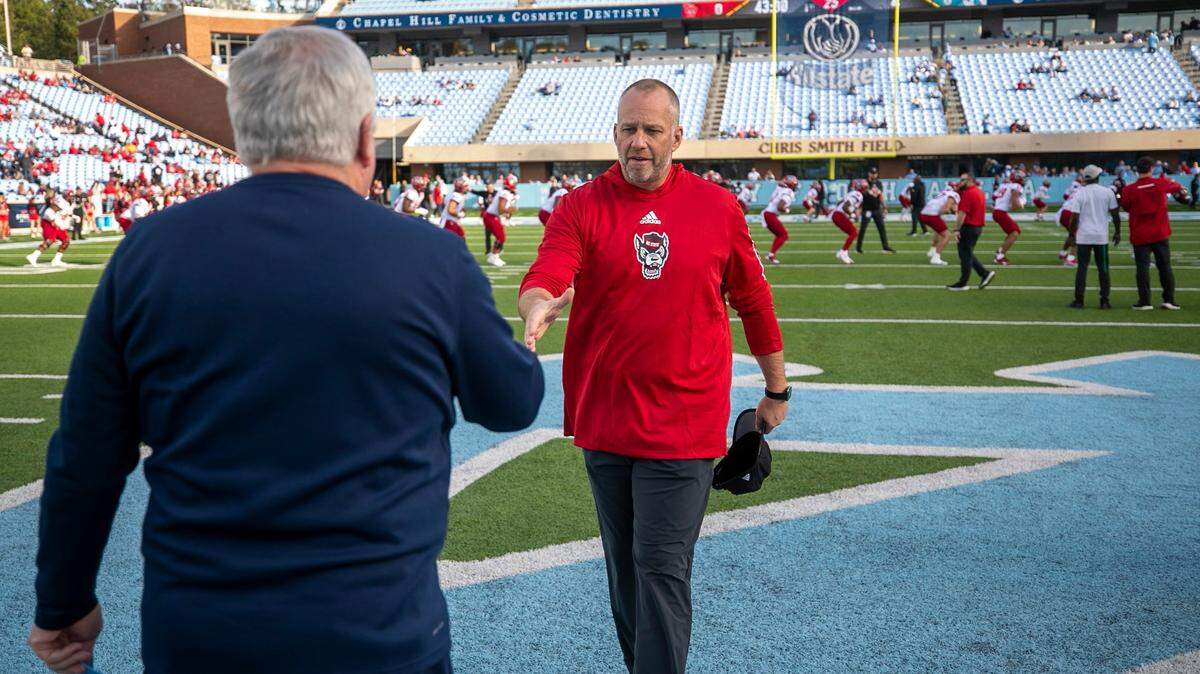
North Carolina fired head football coach Mack Brown on Tuesday, Nov. 26, just four days before the team’s final regular-season game, against rival N.C. State.
Expand All
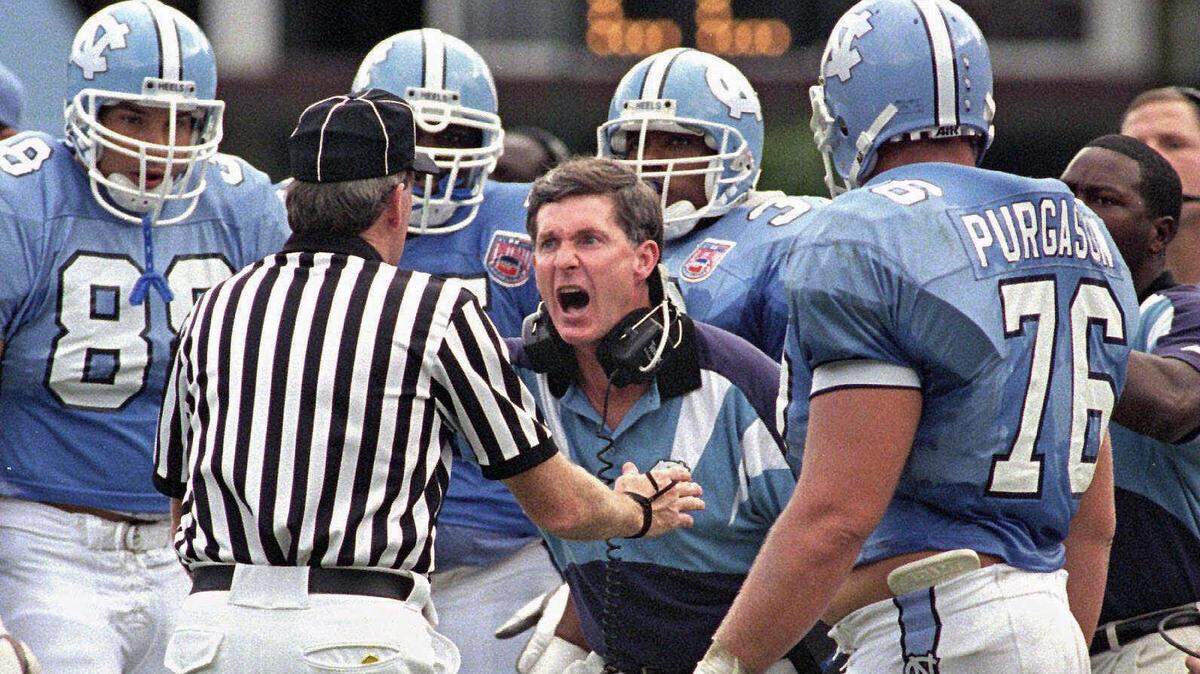
Right up until close to the end, Mack Brown proved to be the consummate salesman at North Carolina. Always pitching, always marketing, sometimes even closing.
But not enough. Not nearly enough, lately.
His latest sales job was perhaps his most difficult of all: to argue why he deserved to continue as the Tar Heels’ head football coach. To argue, in the face of all evidence to the contrary — the 70-50 defeat against James Madison two months ago; the late-season swoons of the past two years; the inability to win big with big-time quarterbacks — that he was still the right man for the job.
Even on Monday, the day before UNC effectively announced it had fired him, Brown attempted to make one last sell — that he was unaware of his own fate. “Yes,” was his answer when asked at his weekly press conference whether he planned to return next season. He provided no indication that he’d accepted any alternative, though he had to know the call had already been made.
Indeed, a source well-connected to the decision-makers at UNC said Tuesday that Brown had been given the choice to resign and announce his departure on his own terms. When presented with that choice, Brown, according to that source, “turned it down.” And so came the announcement Tuesday morning at 10:31 a.m., in an unceremonious press release, that it was over.
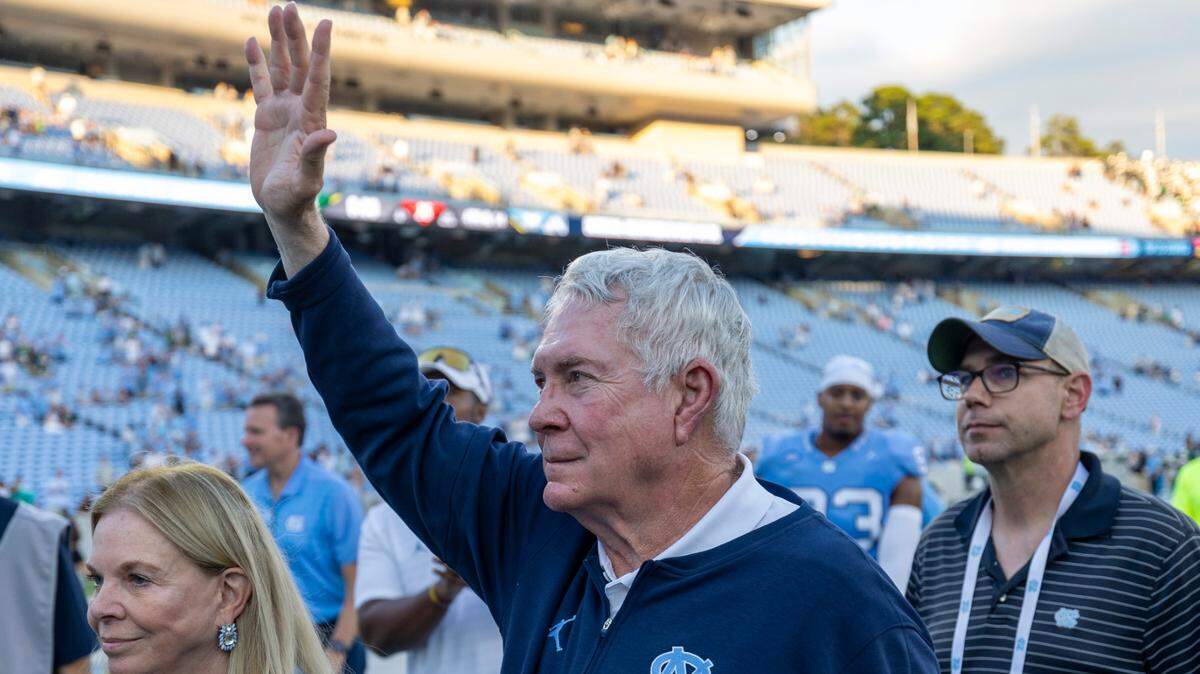
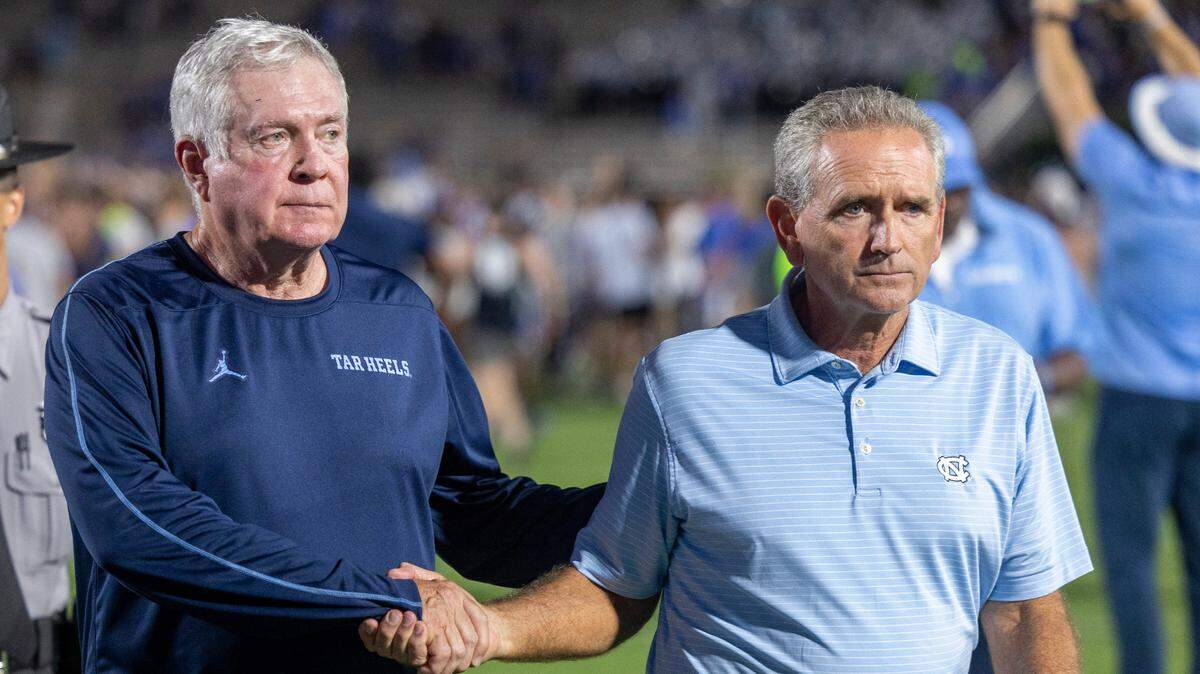
Brown will have his sendoff, at least. The Tar Heels’ game against N.C. State on Saturday will be his last at Kenan Stadium as UNC’s head coach. Whether he will lead the Tar Heels in their bowl game has yet to be decided. With at least one game left, these are the numbers for him at UNC: 16 seasons, spread over two tenures decades apart; 113 victories; four bowl wins; five top-25 seasons.
Mack Brown’s first tenure showed promise
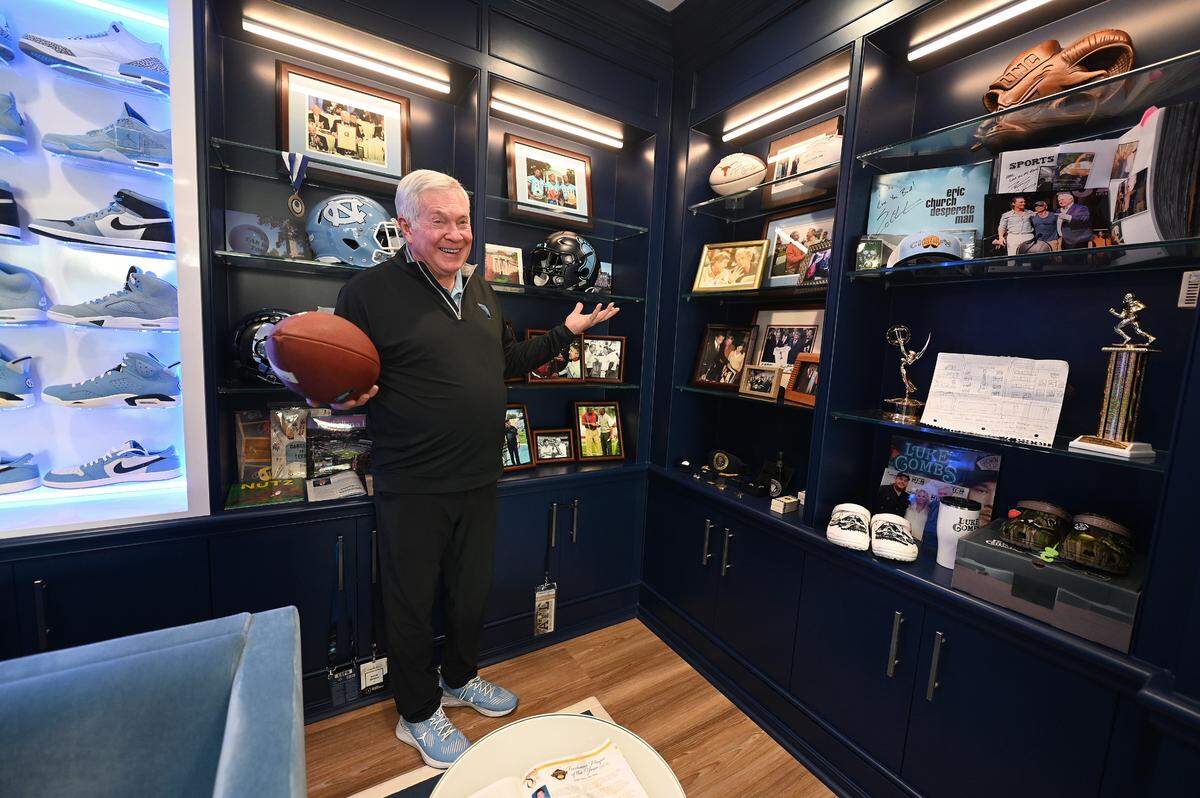
He won more games than anyone in school history. Yet his legacy will be defined by the misses as much as the hits. The ultimate salesman — a man who remembered names with ease; who could make a booster feel like the only person in a crowded room and a rival coach feel like a friend — never quite made good on his biggest pitch: That UNC could become a national football power.
If such a thing is possible, Brown made his supporters believe that he was the one coach who could make it happen. And perhaps he was right, for a while. When Brown arrived at North Carolina the first time, back in late December 1987, he was a 36-year-old up-and-comer who’d brought respectability to Tulane and finished with a winning record in 1983 at Appalachian State, in his first head job.
John Swofford, the Tar Heels’ young athletic director who was a decade away from becoming the commissioner of the ACC, was looking for someone to inject life back into a program that had gone stale under Dick Crum. UNC had underachieved, for years, and to Swofford and others Brown quickly became the clear choice to lead a rebuild.
Progress came slowly. In a less patient time — the kind that pervades today’s major college athletics — Brown might not have survived his first two seasons, both of which ended with identical 1-10 records.
But then came a six-win season in 1990, seven victories in ‘91 and nine the next year. And the more Brown’s teams won, the more he ingratiated himself with a folksy, warm charm that came to be part of his identity. Even his very name — “Mack” — helped him create a kind of every man, guy-next-door persona that made him a hit during speaking engagements and meet-and-greets. A lot of coaches know X’s and O’s and how to scheme; Mack has always known people.
How to influence them. How to build support.
Brown formed deep connections with well-monied boosters and more common fans, and inspired a belief that UNC could achieve in football what it had long achieved in other sports. The same charm that allowed him to sell such a vision also compelled no shortage of standout high school prospects to come to Chapel Hill. Brown always wanted to keep North Carolina’s best players in North Carolina, and in the best of days he succeeded in that endeavor far more than he didn’t.
There came the hope in the early-to-mid 1990s, once Brown had the Tar Heels rolling, that UNC had found its football parallel to Dean Smith or Anson Dorrance — the coach who could, at last, turn the Tar Heels into something a lot more than a middling afterthought. In 1996, UNC rose to No. 6 in the national rankings — its loftiest ascent in 13 years.
The next year, with the benefit of a punishing, memorable defense, UNC climbed as high as No. 4. The Tar Heels were 8-0 and ranked fifth entering an early-November home game against third-ranked Florida State. ESPN’s College GameDay, still something of a fledgling show, made the trip to Chapel Hill for what came to be known as “Judgment Day.”
Brown leaves for Texas
The Tar Heels suffered a 20-3 defeat and then, not too long after, Texas came calling with an offer Brown couldn’t refuse. That, too, is part of Brown’s UNC legacy: That just when it looked like he had the Tar Heels on the verge of sustained national success — of routine top-10 finishes, perhaps, or of regularly competing for ACC championships — he left to become the Longhorns’ head coach.
UNC’s football program has never quite recovered from Brown’s decision to leave in late 1997. The “why” of that decision has been well-documented over the years — from Brown’s disagreement with Dick Baddour, then UNC’s athletic director, over Brown’s salary to his dismay, both in public and private, that his program never garnered the support on campus of that reserved for men’s basketball.
But also: It was Texas. UNC in some ways could not compete, especially in football.
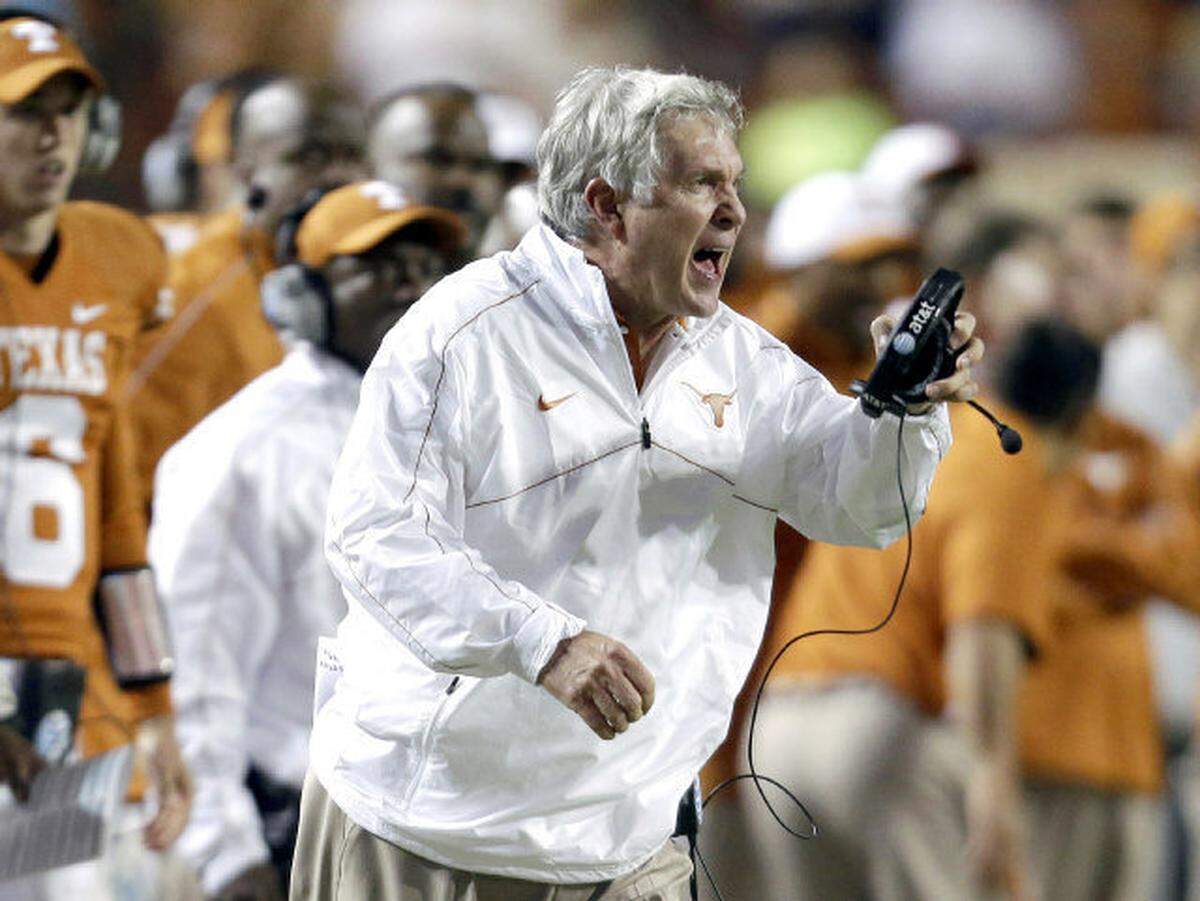
In 16 seasons with the Longhorns, Brown’s Texas teams won one national championship (at the end of the 2005 season) and finished among the top 10 six times. He became one of the most successful coaches in college football and entered into a stratosphere atop the sport; indeed, he became one its faces throughout the 2000s, along with the likes of Bobby Bowden and Joe Paterno and Nick Saban.
But as much as if not more than any other American sport, college football treats its elders with an unbecoming disrespect — deserved in some cases, perhaps, and not in others. Bowden hung on too long at Florida State, and was eventually pushed out after a string of mediocre seasons. Paterno died an inglorious death in early 2012, months after he was forced into resignation following his role in a cover-up of a heinous and long-running sexual assault scandal at Penn State.
In recent years, among those college football coaches who once long had their way, only Saban, who retired after the end of last season, bowed out gracefully. Brown, like others before him who didn’t know when to go, wanted to keep going. He said as much Monday, citing his desire to mentor young people and “help change someone’s life.”
“Not many of us get to do that. I didn’t get to do it with TV,” he said, referencing his tenure as an analyst with ESPN after he was forced into resignation at Texas in 2013.
Brown spent parts of five seasons in that role, on television. It appeared then like his coaching career, at least at the major college level, was over. But then the Tar Heels began to falter under Larry Fedora, a younger head coach whom Brown had mentored. After an 11-win season in 2015, and eight victories the next year, UNC won three games in 2017 and two in ‘18.
The school fired Fedora after seven seasons. Quickly, an unlikely replacement emerged: Brown.
Mack came back, but did he deliver?
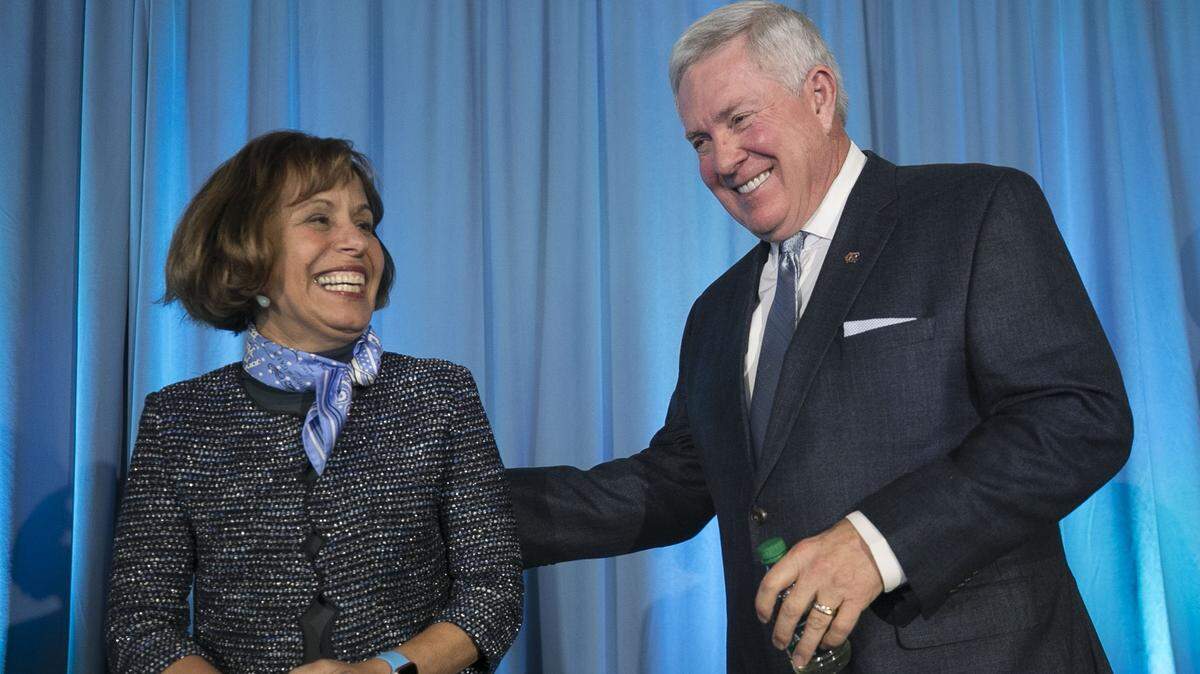
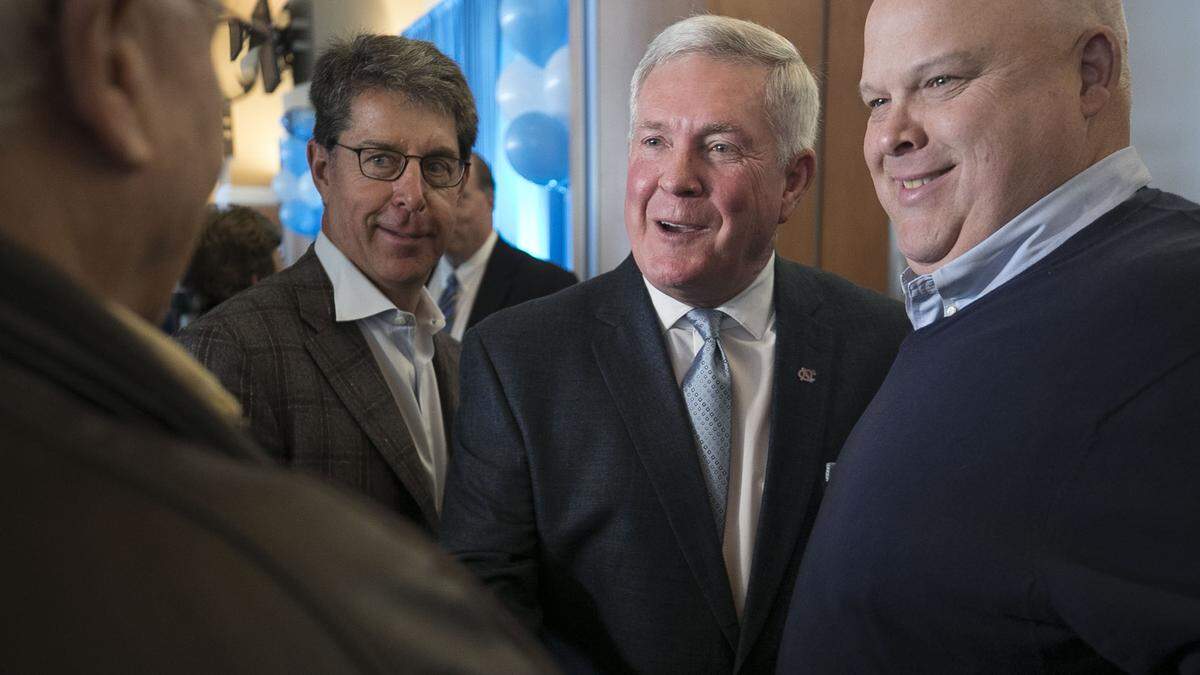
At a joyous, celebratory press conference almost exactly six years ago, Brown did what he does best: He told stories and smiled plenty and sold himself and his vision — though the people who might’ve been most responsible for bringing him back, the boosters who never quite got over his departure in the first place more than 20 years earlier, needed no such persuasion.
For those who’d felt jilted long before, it had to be intoxicating: Mack was back.
“We want to win now,” Brown said then, speaking of fixing things, and of rebuilding.
His first season back, which included a narrow loss against Clemson and a burgeoning sense of hope with Sam Howell, a promising freshman quarterback, portended big things. The next, played through the pandemic in 2020, ended in an Orange Bowl defeat against Texas A&M. But his third revealed cracks that turned into full-blown fissures.
UNC began the 2021 season in the top 10 and ended it 6-7. Promising starts the next two seasons gave way to troubling if not confounding collapses. Howell and then Drake Maye became coveted pro prospects at quarterback, only to be undone by defenses that became known for wasting recruiting victories. Fan angst first traveled in whispers and then in roars.
Defeats as double-digit favorites became common. A home defeat against James Madison in September, when UNC allowed 70 points, became a referendum. Brown to some gave the impression that he’d quit after that game, only to say later he hadn’t meant it. The damage had been done and then Saturday, the tenuous scab that’d grown over the wound of those early-season struggles was ripped off in an ugly loss at Boston College.
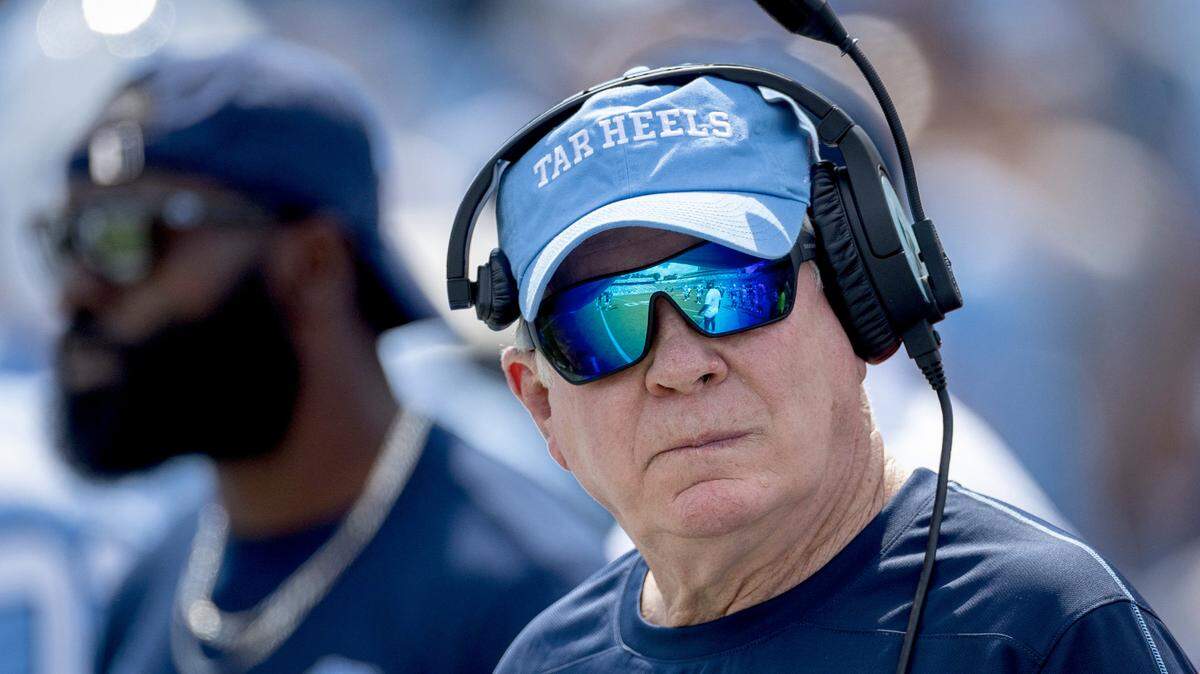
Brown’s coaching fate seemed sealed, then, in the aftermath of that defeat. The only question was whether he agreed. His press conference Monday indicated that he did not. Ever the optimist, as he’s always been, Brown offered no hint that he’d accepted his reality. He said he planned to return. He said he might wake up one day and know that it was time to retire, but that he had not yet experienced such an epiphany. He said he still felt a calling to coach.
It was, in his much younger years, the sort of salesmanship that allowed him to build something few have ever come close to rivaling at North Carolina. In more than 100 years, nobody has ever turned the Tar Heels into a consistent, long term national contender in football.
Brown came closer than most. And even as the nation’s oldest FBS head coach, at 73, he never stopped believing he could do it. At the least he never stopped selling the thought that he could — right up until he ran out of buyers.
This story was originally published November 27, 2024 at 5:00 AM with the headline "Mack Brown was the ultimate salesman, but never quite made the ultimate delivery at UNC."