NC public school students can immediately profit from NIL, Wake County judge orders
North Carolina’s public school athletes won’t have to wait any longer to monetize their NIL rights.
Wake County Superior Court Judge Graham Shirley on Tuesday granted a motion from a family suing the state for NIL rights for a preliminary injunction. For now, that will allow the state’s public school athletes to profit from their name, image and likeness in a similar manner to the state’s private school athletes once the judge signs the motion.
The State Board voted at its fall meeting to give preliminary NIL approval that could, if passed next year, allow athletes to benefit beginning in July, 2025. This injunction speeds up the timeline.
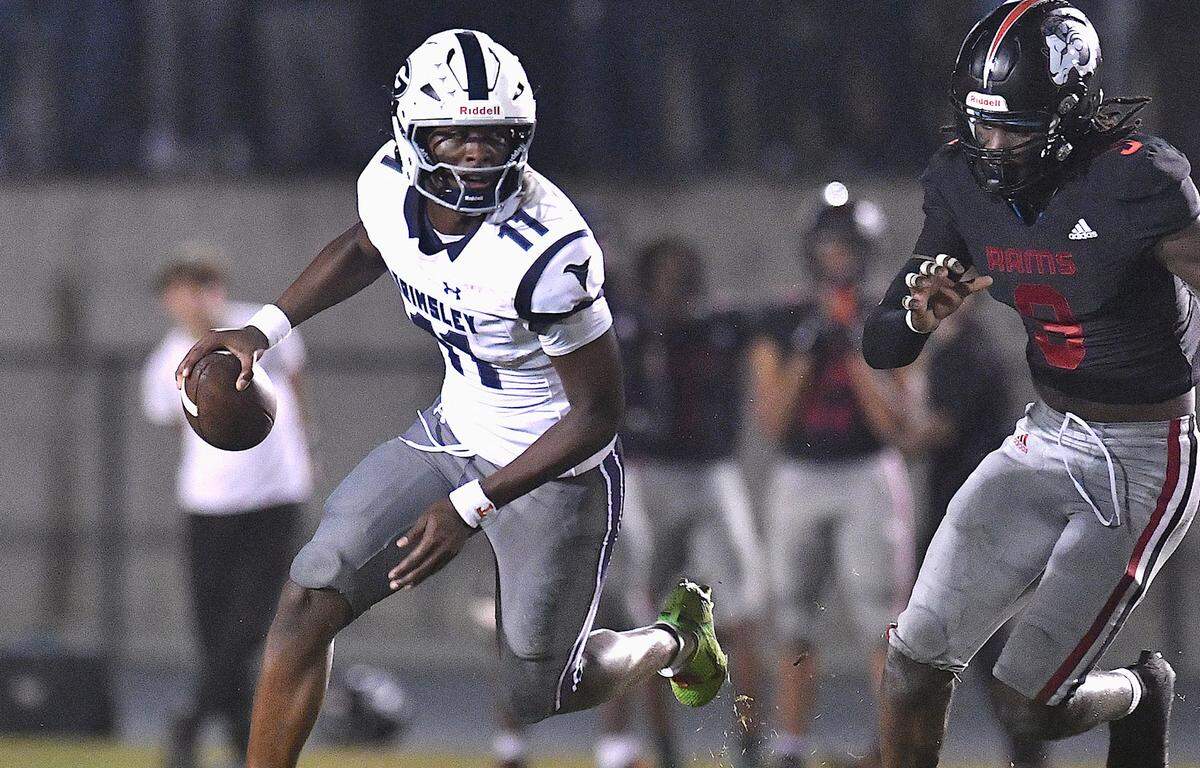
The family of Greensboro Grimsley QB Faizon Brandon, the No. 1 recruit in the nation, sued the state. Brandon’s suit said he lost out on substantial NIL money due to the current rules, which did not allow public school NIL deals.
Mike Ingersoll, a Charlotte-based attorney representing the Brandons, told The Observer that the judge asked for an order finding the N.C. General Assembly intended that public school athletes would get access to NIL, and that the State Board would create rules permitting its use.
Ingersoll said the judge then wiped away a temporary rule prohibiting NIL access and ordered that the State Board’s proposed permanent rule, that could’ve gone in place next year, be put into effect now, until the lawsuit ends.
Once Shirley signs the order, Ingersoll said, high school athletes can sign NIL deals.
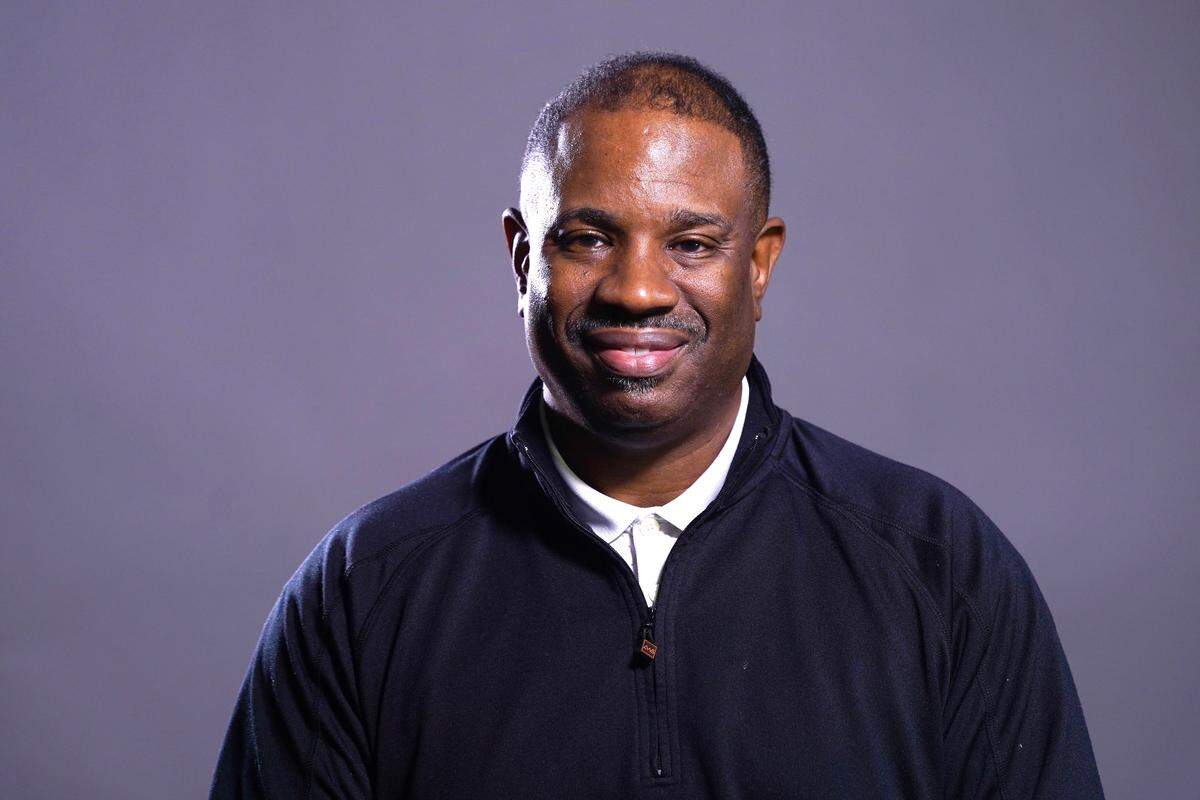
“We are extremely happy with the court’s well-reasoned decision today, which we believe was the right outcome,” Ingersoll said. “In an effort to collaborate and work cooperatively, we recently proposed a consent injunction to the State Board of Education, through its attorneys, that is similar to the injunction the Court ordered from the bench today, but the State Board declined our offer to work together to find a mutual solution. Nevertheless, the correct outcome was reached today.”
Brandon’s mother, Rolanda, said she felt justice had been served.
“It’s been a long and hard fight,” she said, “but we are grateful to God that justice has been served, not only for Faizon but for all public high school students in North Carolina.”
Do’s and don’ts of NIL
The rules and regulations surrounding NIL access are not clear, as the State Board of Education has not yet set guidelines. During the State Board of Education’s public meeting in September, under the proposed new rule that was to take effect in 2025, athletes could be paid for:
▪ Public appearances or commercials.
▪ Autograph signings.
▪ Athletic camps and clinics.
▪ Sale of non-fungible tokens (“NFTs”).
▪ Product or service endorsements.
▪ Promotional activities, including in-person events and social media advertisements.
There would be a list of things athletes couldn’t promote, including adult establishments, alcoholic products, tobacco products, cannabis, sports gambling and weapons.
Athletes would also be prohibited from doing things such as wearing their team uniform during their NIL activities or promoting goods during athletic competitions or school activities.
Schools would be prohibited from using NIL deals as a recruiting tool.
Athletes would need the deal to be approved by their parent or legal guardian if they’re under the age of 18.
NC private schools have a head start
The state’s private schools got NIL access earlier this year, along with a set of rules surrounding it. Those include:
▪ Student-athletes must keep their NIL activities and participation in interscholastic athletics separate.
▪ No collectives.
▪ Member schools cannot offer, secure or participate in NIL deals.
▪ Limited permissible activities.
▪ All NIL deals must be reported to and approved by the NCISAA State Office.
Genesis of the Brandon lawsuit
Brandon’s lawsuit, filed Aug. 23 in Wake County Superior Court, names the state Board of Education and Department of Public Instruction as defendants. It targets North Carolina’s uneven handling of NIL rights in high school athletics — that athletes at private schools are allowed to engage in NIL opportunities, while those enrolled in public schools cannot.
There are separate rules because there are separate organizations that govern North Carolina high school sports. The North Carolina Independent Schools Athletic Association, which oversees most private schools, allows NIL deals. The North Carolina High School Athletic Association, a state-run entity in charge of public high school athletics, has not.
During the state Board of Education’s monthly meeting on Sept 5, members heard a proposed rule change that would allow public high school athletes to enter into NIL deals, provided they don’t violate certain restrictions. Among those restrictions:
▪ That financial compensation isn’t based on athletic performance.
▪ That any NIL activity does not reference a school or conference.
▪ That athletes don’t appear in uniform or apparel of their school during any NIL activity.
The proposal passed, with a timeline projecting its implementation for the 2025-26 school year. The state board said afterward that it would take public comments from Oct. 1 to Dec. 6. A virtual public hearing is still scheduled for 10 a.m. on Nov. 8.
At the meeting, state board assistant general counsel Ryan Collins reminded the board that they could revise the rule or not approve it when it comes back for the January vote.
But by then, Brandon’s opportunity would have already come and gone — until Tuesday’s ruling.
NIL’s history in college
In the summer of 2021, after years of courtroom defeats and futile attempts to fight the inevitable, the NCAA reluctantly allowed college athletes the right to monetize their NIL. Overnight, they could sign endorsement deals or get paid for autographs, or profit from their own business ventures. College athletics changed immediately, and drastically.
When the NCAA finally allowed NIL rights, it did so with little oversight or guardrails. There were (and are) rules that forbid transactional “pay-for-play” deals, but those rules have proven nearly impossible to enforce. An entire industry within an industry came into existence, one that now includes NIL collectives and agents and brand managers.
Three years later, the NIL industry is known for its lack of transparency. Though rumors and “reports” constantly abound surrounding this deal or that, it is often impossible to know how much players are getting paid, or even what sort of “work” they’re doing to earn the money. Still, NIL has allowed some athletes to make a lot of money — “life-changing money,” Armando Bacot, the former North Carolina basketball player, said in a podcast interview in July.
Bacot said in that interview that he earned more than $2 million in NIL money at UNC, where he became an early national face of a movement that at last allowed college athletes to capitalize on their value. In North Carolina, Brandon could play a similar role for public high school athletes who, for now, are not allowed to cash in on potential commercial opportunities.
Andrew Carter and T. Keung Hui of the News & Observer contributed to this story.
This story was originally published October 1, 2024 at 4:36 PM.