The pandemic shut down NASCAR a year ago. The vaccine provides hope for full return
NASCAR icon Richard Petty has put his face on the campaign to more widely distribute the COVID-19 vaccine.
Petty, 83, was shown getting his vaccine in a recent video created by the North Carolina Department of Health and Human Services. The all-time winningest driver sat in front of his iconic No. 43, donning his signature cowboy hat and sunglasses, and encouraging others to get the vaccine when they become eligible.
“You have a spot, take your shot,” Petty says in the video, echoing the state’s promotional tagline for vaccine distribution.
In North Carolina, where NASCAR is largely based, Groups 1 through 3 are eligible to receive the vaccine, with some members of Group 4 becoming eligible next week. The most recent group includes individuals who are pregnant or have certain medical conditions, while earlier eligible groups include frontline essential workers, older adults, healthcare workers and long-term care staff and residents.
On Friday, the state health department expressed confidence that it would meet the timeline outlined by President Joe Biden to make vaccine appointments accessible to all adults by May 1. That would be a major step toward NASCAR’s return to normalcy, which could mean reopening infield access to nonessential racing personnel, expanding traveling team roster size and allowing a greater number of people back at the track — industry practices that have all been impacted by the pandemic over the last year.
“That’s gonna be huge,” Dr. Ryan Stanton, medical director of the AMR/NASCAR safety team, told The Observer. “When we can say that anybody and everybody, you’ve got it. You can get access to (the vaccine). That’s gonna be the day — about three to four weeks later once the immunity is built up — that we can kind of turn the page on this.”
From the beginning
Stanton has been on the frontlines of NASCAR’s handling of the pandemic from the beginning. He said he provided feedback to NASCAR leadership regarding protocols for the sport’s return to racing last May, and has followed up on every possible positive COVID-19 case at the track based on responses to questionnaires industry members complete before traveling to each race.
Stanton estimated that he typically communicates with 10-15 people per weekend, calling or texting each individual to follow up on marked symptoms or possible exposures, but he said that in most cases, this doesn’t result in a positive case. Many occurrences of the marked symptoms are either accidental or an individual being overly cautious on the questionnaire, Stanton said.
“In terms of the industry, the numbers have been incredibly low,” Stanton said of the positive cases. “Much lower than the natural occurrence within the communities. Just testifying to how seriously everybody took it.”
NASCAR declined to share a total number of positive cases encountered over the past year, and said it was allowing teams to determine whether they would make the information public. Some teams have announced positive cases, but none regularly distribute testing or questionnaire results.
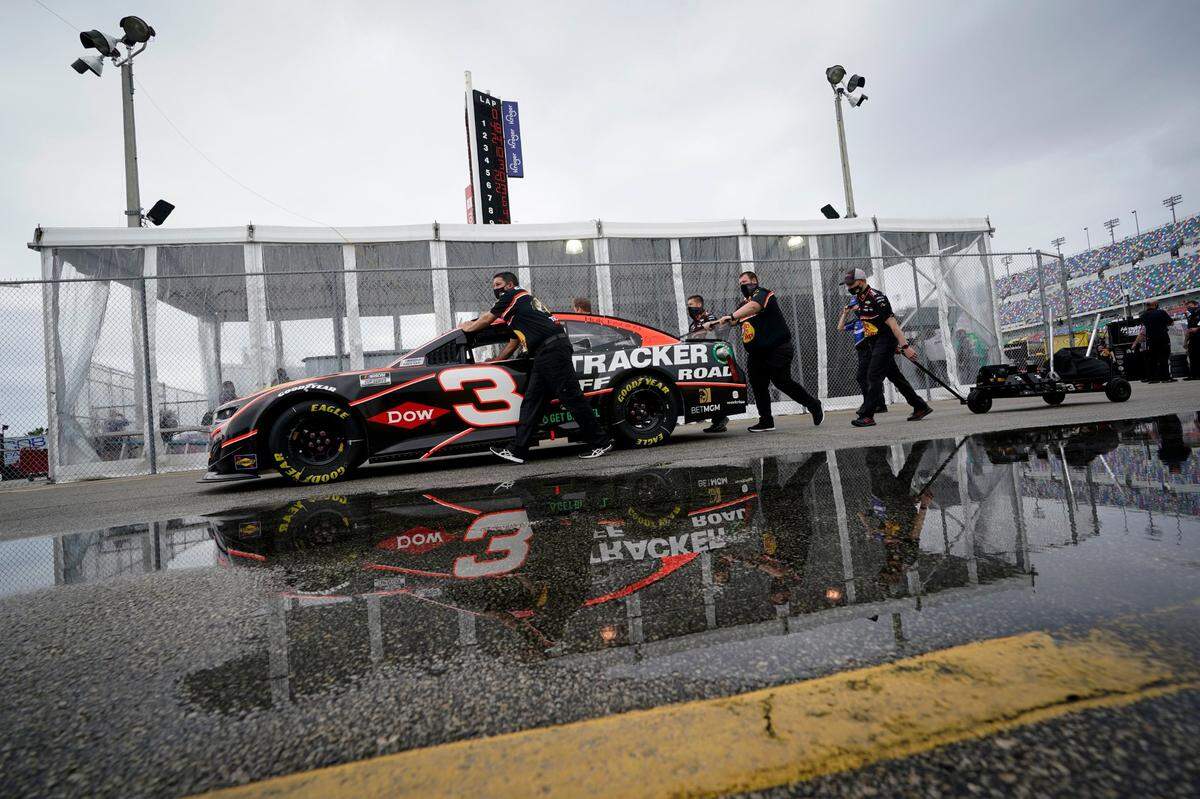
Two Cup Series drivers, Jimmie Johnson and Austin Dillon, tested positive last season and missed a race. Both sought out tests, with Johnson saying he was asymptomatic after his wife tested positive, and Dillon saying he was experiencing symptoms. There have also been multiple instances of crew member substitutions due to positive tests, but Stanton said that his team has not detected any spread from an event.
“We knew that we were under the spotlight,” Stanton said. “And being under that spotlight, you have the opportunity for great success or blatant failure.”
NASCAR is not regularly testing drivers, team members or anyone in its footprint at the track — a practice that started when tests were not widely available last spring and has stuck as the sport opts to use symptoms and other risk factors, such as an exposure, as a first indicator. This is based on a concern over evolving testing technology and mitigating false negatives rather than false positives, according to Stanton.
For this reason, he said, NASCAR has been relying on a combination of self-monitoring, symptom-checking and rapid antigen testing that became available last fall, starting with the race at Texas. He said those tests are used as a final step in the decision to send an individual home. NASCAR’s protocols require that an individual with a confirmed positive case produces two negative tests at least 24 hours apart before returning to racing activities.
The sport is also penalizing industry members who fail to comply with its protocols. Team owner Chip Ganassi was the latest individual penalized for violating the event rules for bringing a “non-essential individual” into the competition area at Daytona. Ganassi was fined $30,000 and was not allowed to attend the race at Homestead with garage access. Access to the garage area was expanded this year to include team owners and one “content person” per race team.
Reopening on the horizon
Greater reopening at the track is expected to come as the vaccine becomes more widely distributed. Stanton said his medical team is continuing to monitor the number of positive cases across the country as well as state-by-state regulations, but the vaccine is key. He said that as part of preseason physical evaluations with drivers this year, he asked each how willing he or she was to get the COVID-19 vaccine and that the response was consistent.
“Our drivers are overall young and healthy and almost universally they said, ‘We want to get the vaccine,’” Stanton said. “’But we don’t want to skip the line. We don’t want to do anything that puts us ahead of people who need it, deserve it.’”
While this means that NASCAR’s full reopening would likely largely depend on vaccine access and distribution in North Carolina, the sport might have other options.
“We have traveling healthcare access,” Stanton said. “Can we establish some sort of access if desired? That’s the discussion we’re gonna have.”
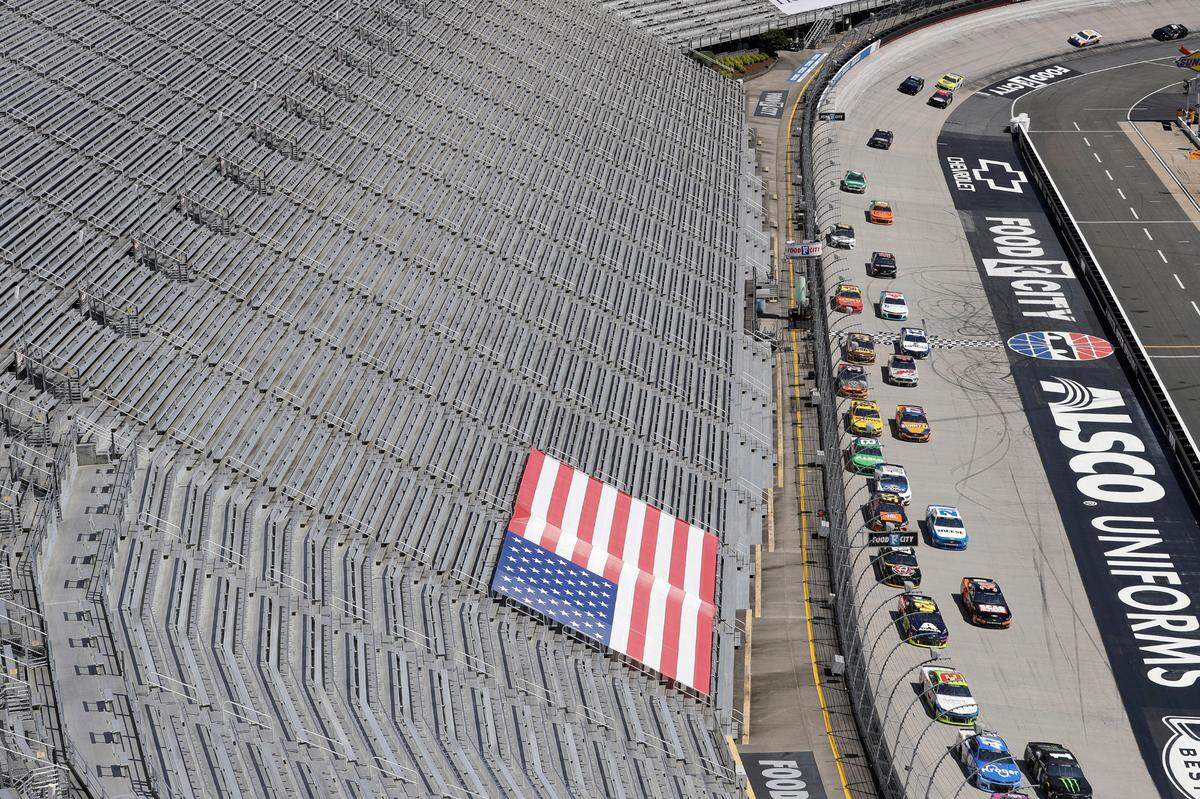
Reopening tracks to fans will also be determined on a state-by-state basis, with upcoming races through April set to host fans at limited capacity. The bottom line is the same for an eventual, full return.
“I think the biggest thing is when everybody who chooses to do so can have the vaccine and gets the vaccine,” Stanton said.
This story was originally published March 14, 2021 at 7:00 AM.