A controversial history: Timeline of Jerry Richardson’s life, career and team ownership
READ MORE
Jerry Richardson dead at 86
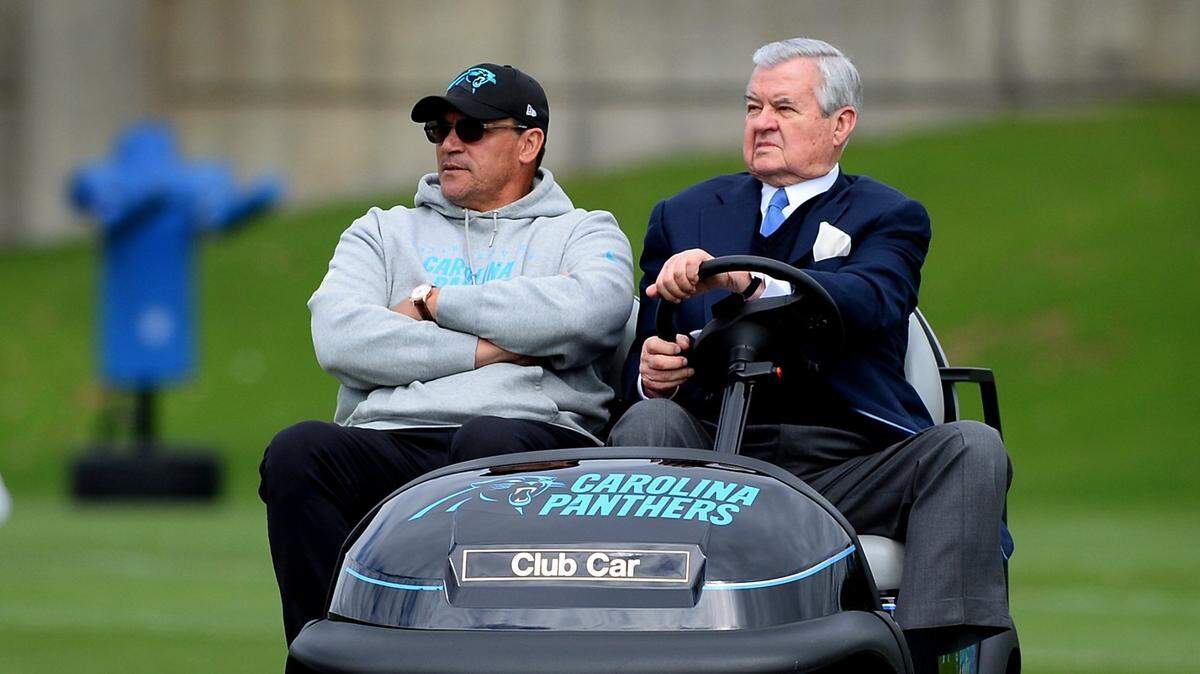
The Carolina Panthers founder and former owner died on March 1, 2023. He owned the franchise from its inception in 1995 until 2018 when he sold it to David and Nicole Tepper.
Expand All
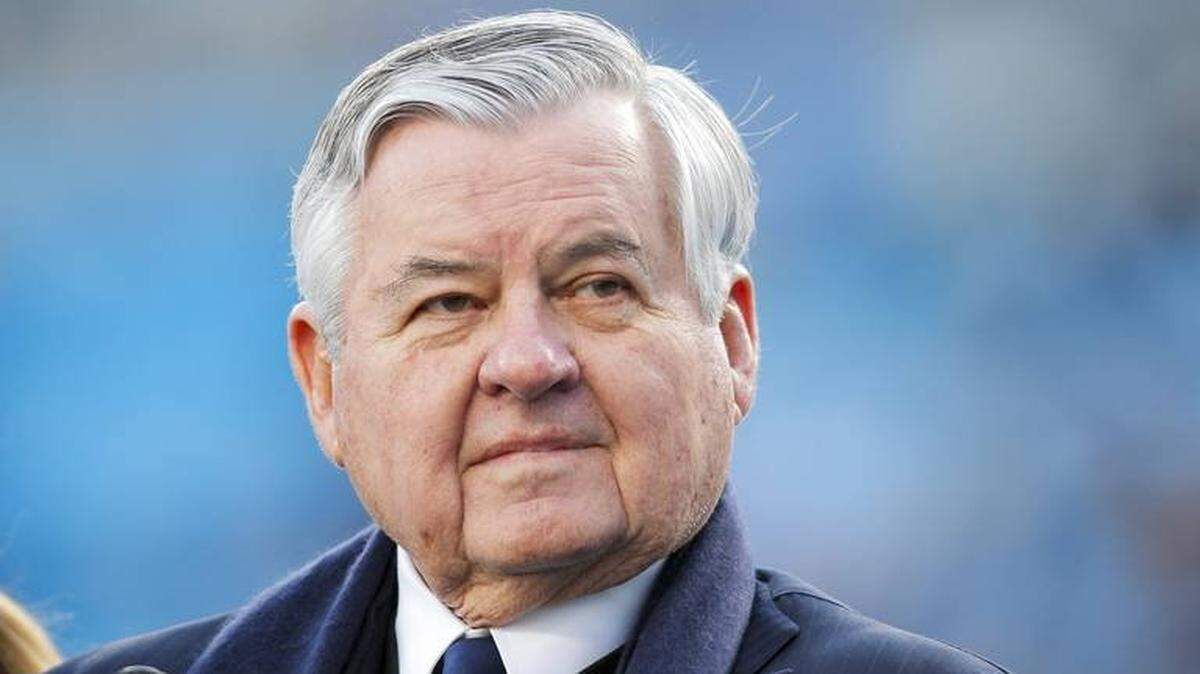
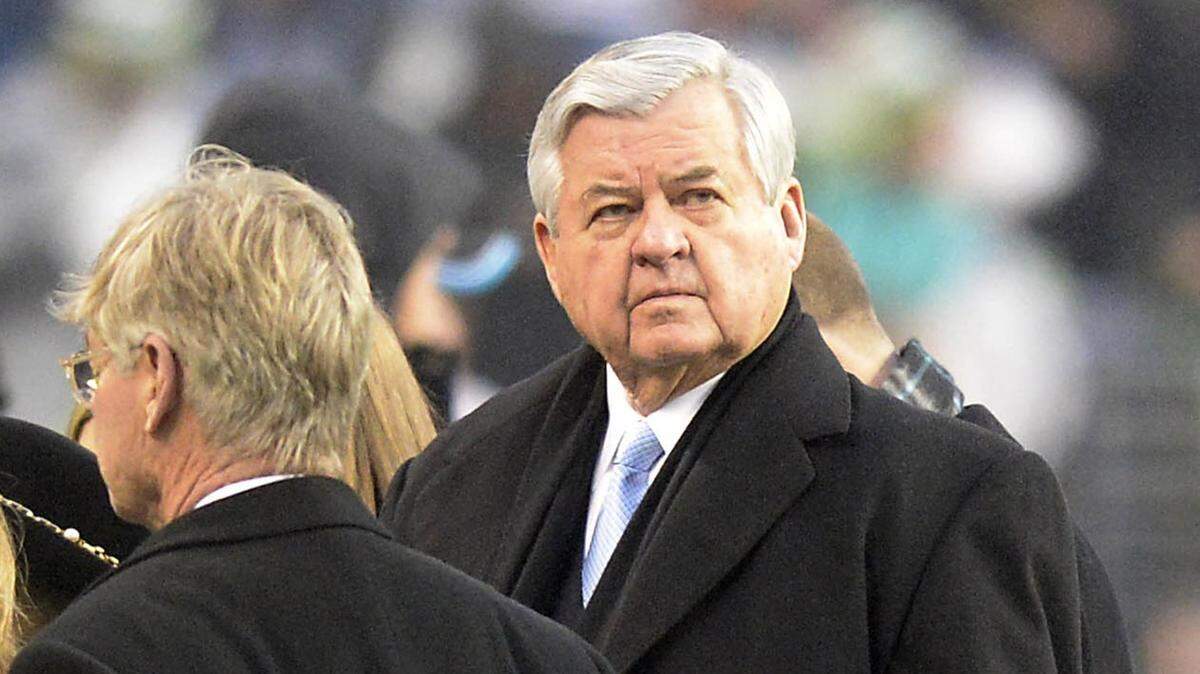
Jerry Richardson, the Carolina Panthers founder who died Wednesday at age 86, had a long and complicated history with both Carolinas and Charlotte.
He brought the NFL to Charlotte when the Panthers began playing in 1995. And he was forced to sell the team after a 2017 Sports Illustrated report detailed that the Panthers made multiple confidential settlements for workplace misconduct, including sexual harassment and the use of a racial slur.
In between, he had some significant achievements and some troubling allegations.
Here’s a timeline of some important moments in Richardson’s life:
July 18, 1936: Jerome J. Richardson is born in Spring Hope.
1956-1958: Richardson attends Wofford College in Spartanburg, South Carolina. He’s named an All-America football player in 1957 and 1958, and still holds the single-game record for receiving yards at the school (241 against Newberry in 1956).
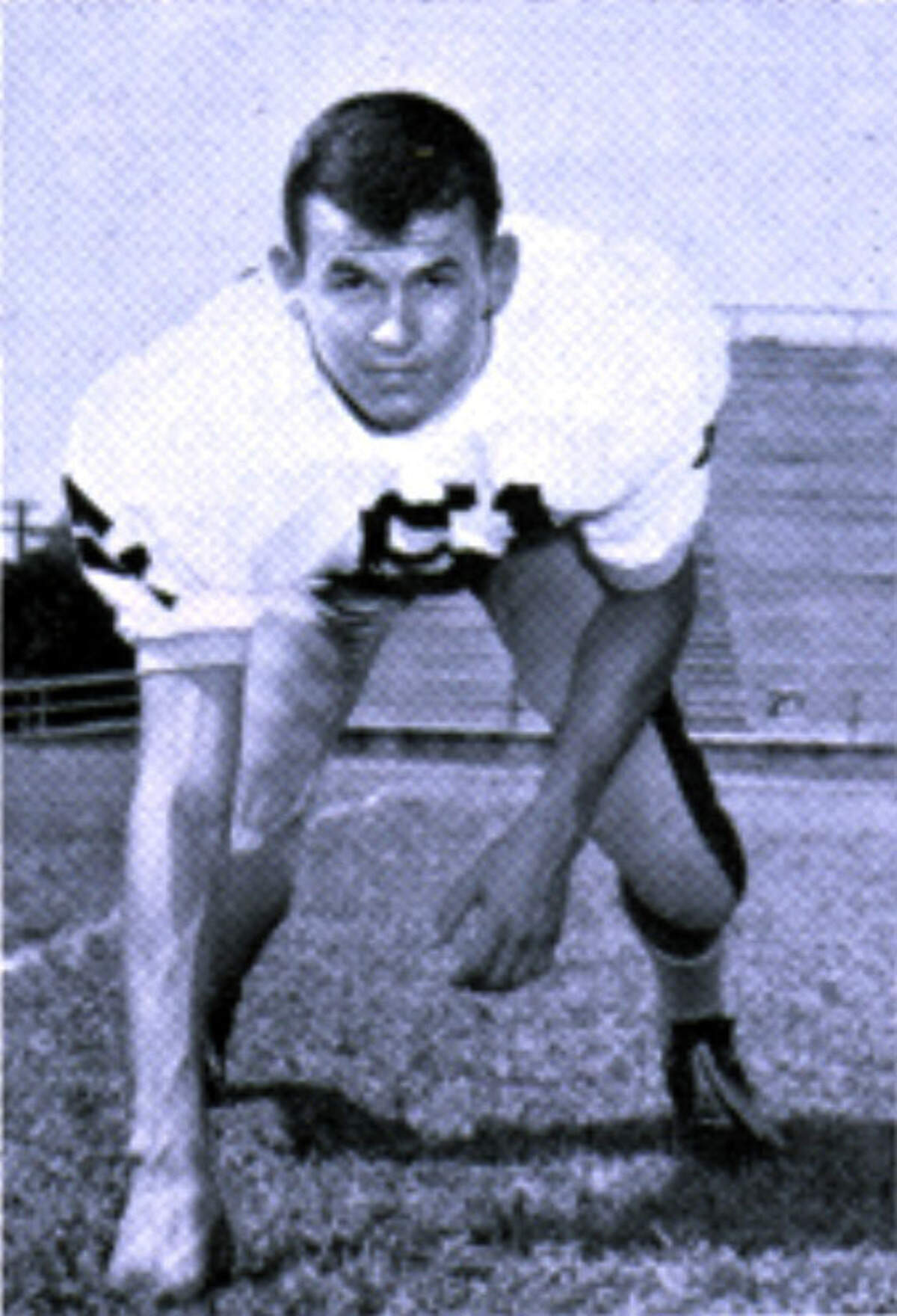
1958: Richardson is drafted by the Baltimore Colts in the 13th round as the 154th pick.
1959: As a rookie for the Colts, Richardson catches a 12-yard touchdown pass from Johnny Unitas in the fourth quarter of Baltimore’s 31-16 triumph over the New York Giants in the NFL Championship Game, the precursor to the Super Bowl.
1961: After just two seasons in the NFL, Richardson quits in a dispute over money. He returns to Spartanburg and uses his championship game bonus as seed money to start a hamburger restaurant named Hardee’s with former college teammate Charles Bradshaw.
1979: Richardson and Bradshaw sell their operating company, Spartan Food Systems, for $80 million.
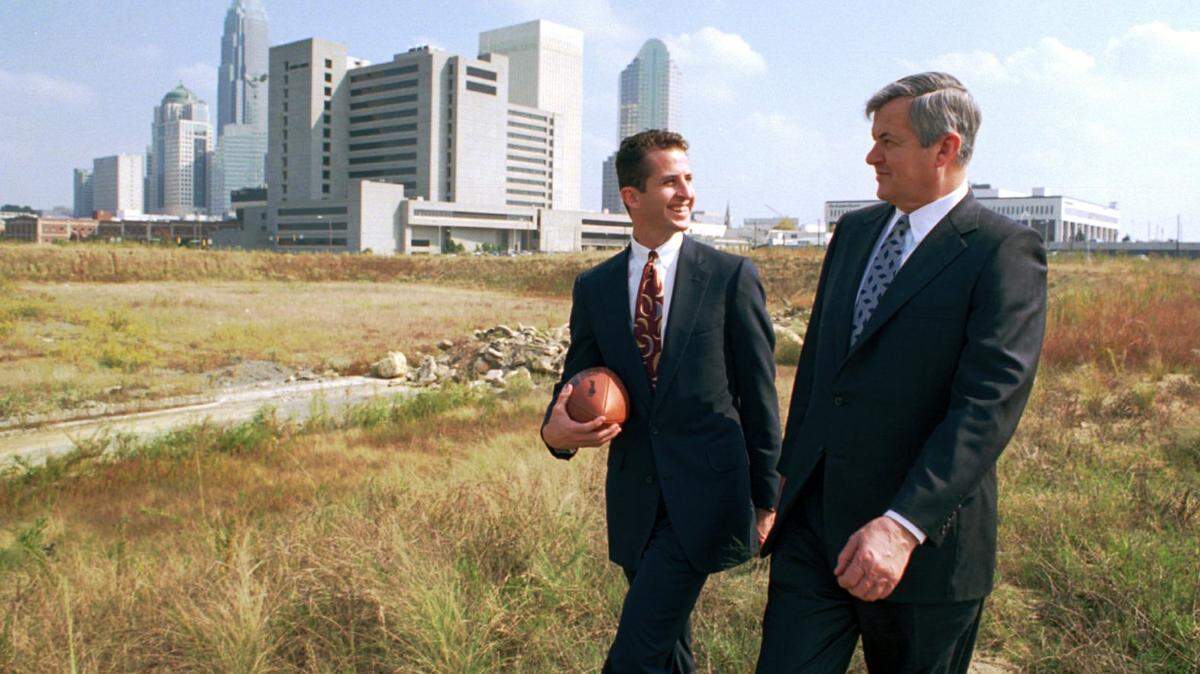
1987: Richardson contacts NationsBank Chairman Hugh McColl about bringing an NFL team to the Carolinas. The two were longtime business associates.
1991: Richardson submits a formal application for a Carolinas NFL franchise.
Oct. 26, 1993: Charlotte is awarded the NFL’s 29th franchise. Richardson becomes the second former NFL player to become a franchise owner.
“I never thought about not getting a franchise,” Richardson said. “The odds against us were huge. People had said it was 150-to-1, 200-to-1. That never deterred me.
“I didn’t pay any attention to it. I was told I couldn’t get my company on the New York Stock Exchange before I was 40. I was told, ‘You can’t make money selling hamburgers for 15 cents.’ I’ve been told a lot of things.”
1994: The Richardson-controlled restaurant chain Denny’s agrees to pay $54 million to settle lawsuits filed by thousands of Black customers nationwide who had been discriminated against. It marked the largest racial discrimination settlement involving public accommodations up to that time. According to the lawsuits, Black customers oftentimes were forced to wait longer for their orders than white patrons. Others were denied service altogether, or made to prepay for service.
Denny’s was then a subsidiary of Richardson’s restaurant and food service company. “I have preached treating people fairly my entire business career. I do not believe there is a culture to discriminate against anyone,” Richardson said in a 1994 Charlotte Observer story.
Sept. 3, 1995: The Carolina Panthers play their first game, losing to the Atlanta Falcons 23-20 in overtime.
Oct. 15, 1995: The Panthers win their first game in franchise history, a 26-15 victory over the New York Jets. They finish 7-9 in their first season.
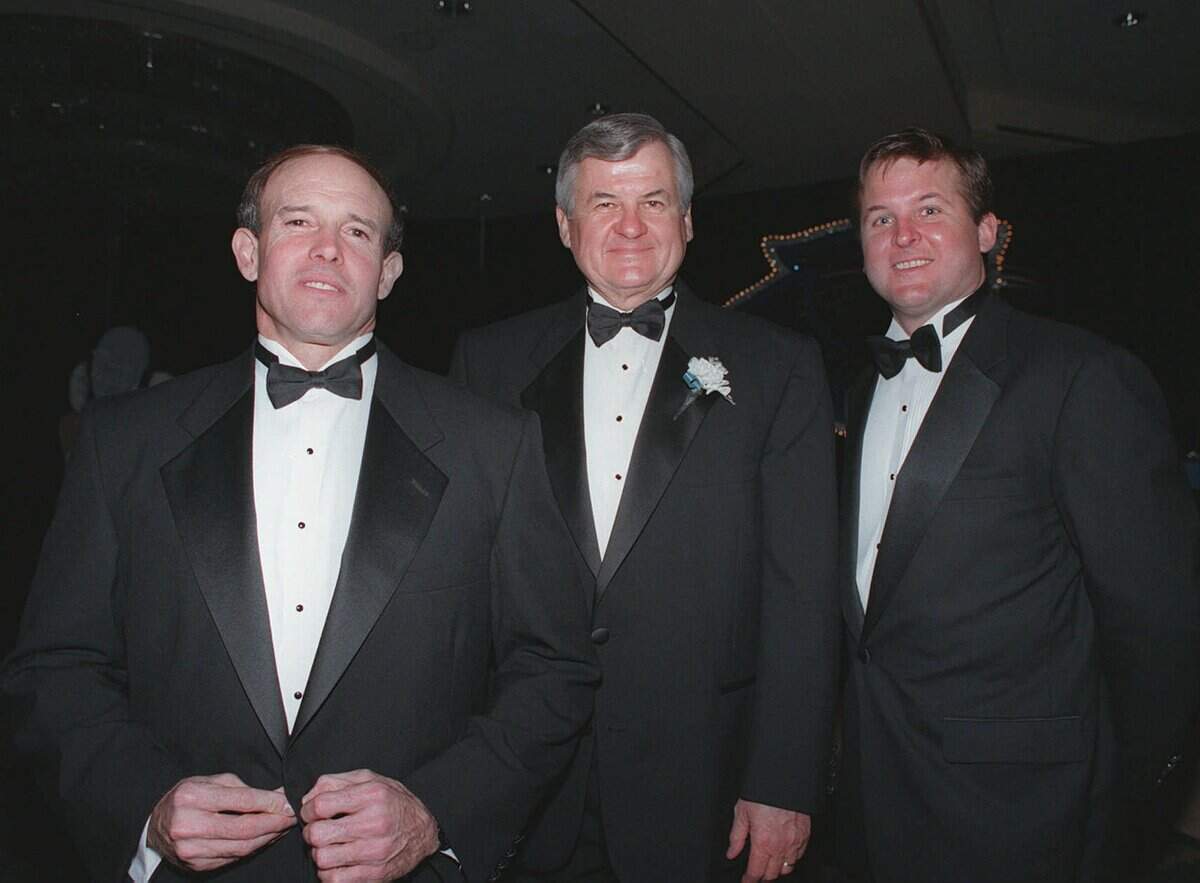
2000: Richardson is inducted into the North Carolina Sports Hall of Fame.
Feb. 1, 2004: The Panthers play in their first Super Bowl, losing 32-29 to the New England Patriots.
Feb. 2, 2009: Richardson receives a heart transplant after numerous heart ailments, including quadruple bypass surgery in 2002.
2011: Wofford College retires Richardson’s No. 51.
2013: Richardson donates $10 million to UNC Charlotte’s new football program, and the school’s new playing field is named the Jerry Richardson Stadium.
2015: Richardson is inducted into the South Carolina Sports Hall of Fame.
2015: Richardson donates $100,000 to the families of the nine victims of a mass shooting at Charleston’s Mother Emanuel AME Church.
Feb, 7, 2016: The Carolina Panthers play in their second Super Bowl in franchise history, losing to the Denver Broncos, 24-10.
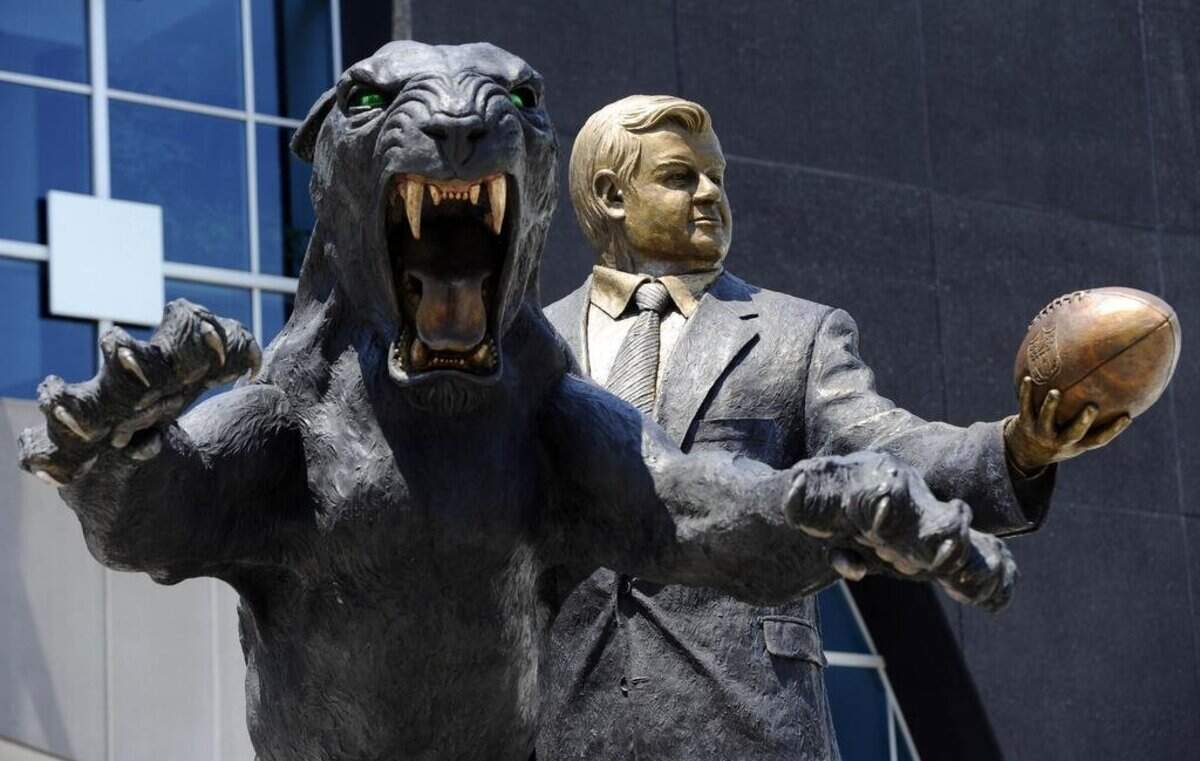
2016: A 13-foot, 4,500 pound statue of Richardson holding a football in his outstretched hand while flanked by two panthers is unveiled at Bank of America Stadium. It’s a gift from Carolina Panthers minority owners to commemorate Richardson’s 80th birthday.
Dec. 17, 2017: A Sports Illustrated story details how at least four former Panthers employees received monetary settlements due to inappropriate workplace comments and conduct by Richardson. The allegations included sexually suggestive language and behavior, and at least one racial slur. On the same day, Richardson announces that he intends to sell the Panthers franchise at the conclusion of the 2017 season.
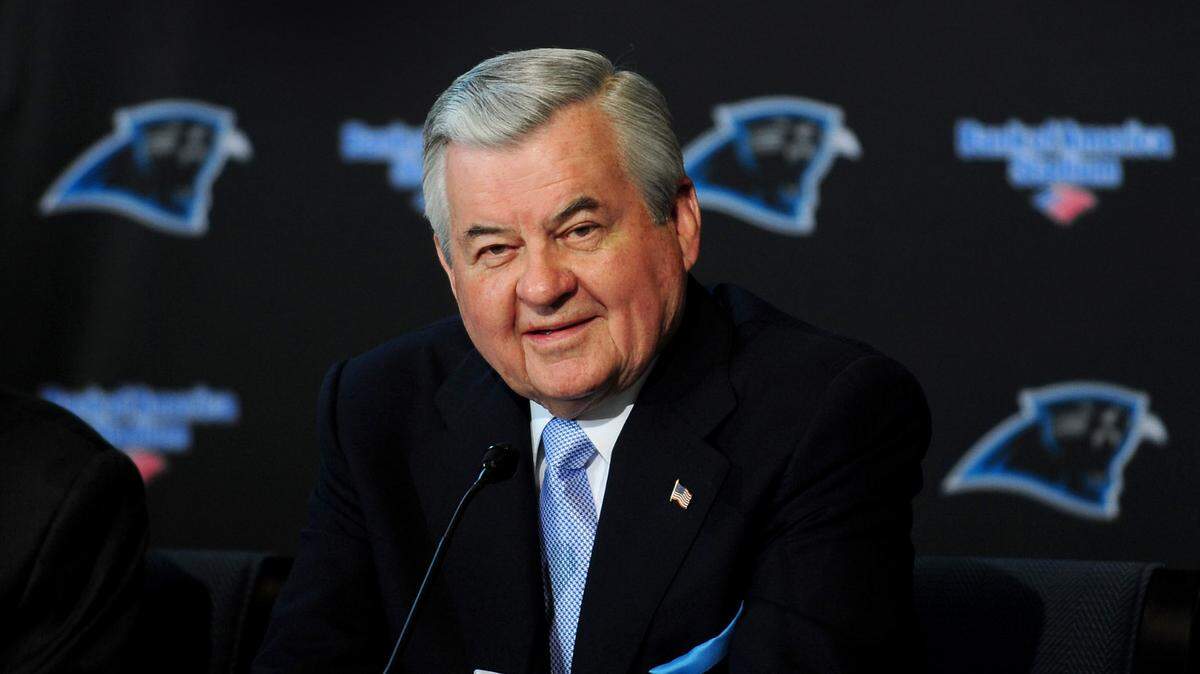
May 15, 2018: Richardson announces he has finalized a sale of the Panthers to billionaire David Tepper for $2.2 billion.
June 28, 2018: The NFL fines Richardson a league-record $2.75 million for workplace misconduct.
June 10, 2020: The Richardson statue is removed from outside Bank of America Stadium, with the team citing “public safety” concerns during ongoing protests against systemic racism in uptown Charlotte. The statue does not return.
February 2021: Richardson makes a $150 million gift to Wofford, the largest gift in the school’s history. It raised his personal contributions to more than a quarter of a billion dollars.
March 1, 2023: Richardson dies at age 86.
This story was originally published March 2, 2023 at 4:31 PM.