Exclusive: Dale Earnhardt Jr. on his Dad — and why he’d like to slap his younger self
READ MORE
Sports Legends of the Carolinas
We know they’re legends. But what’s their side of the story? Conversations with the best in Carolina sports history, hosted by Scott Fowler.
Expand All
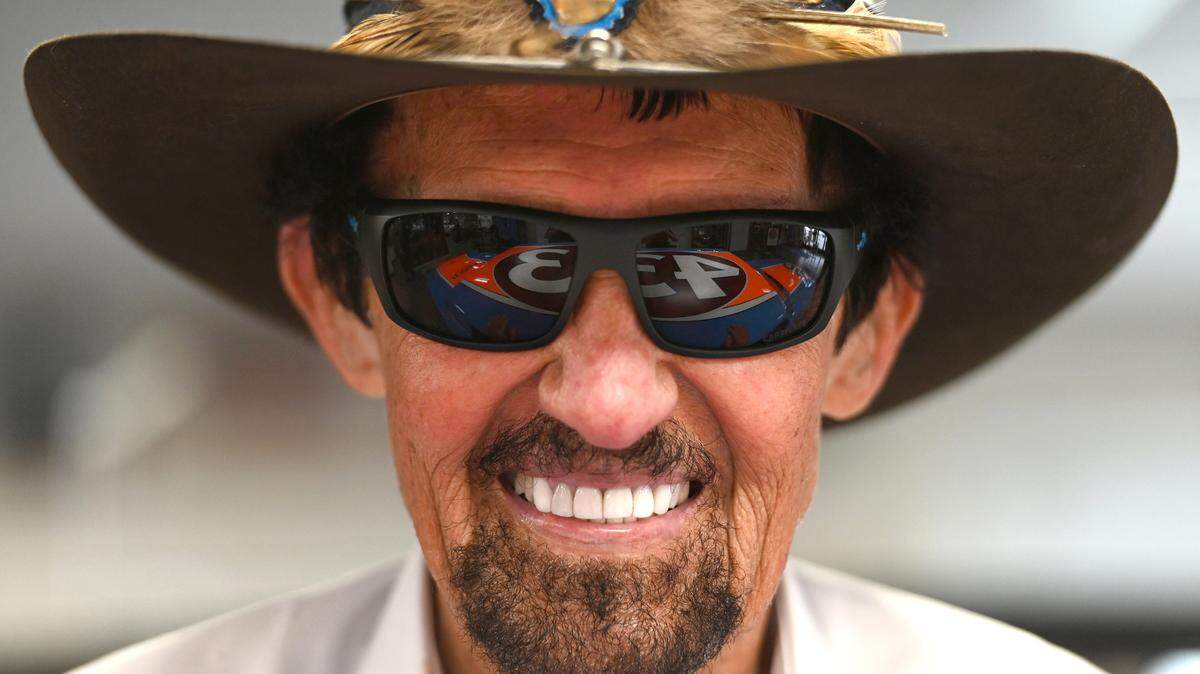
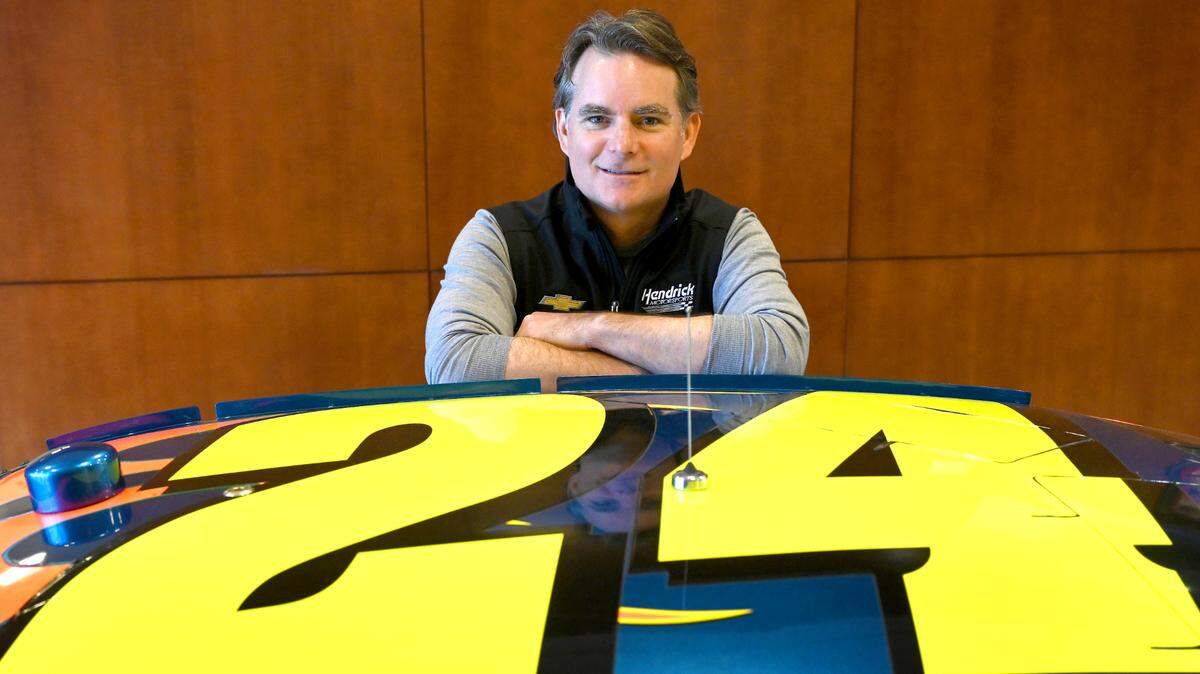
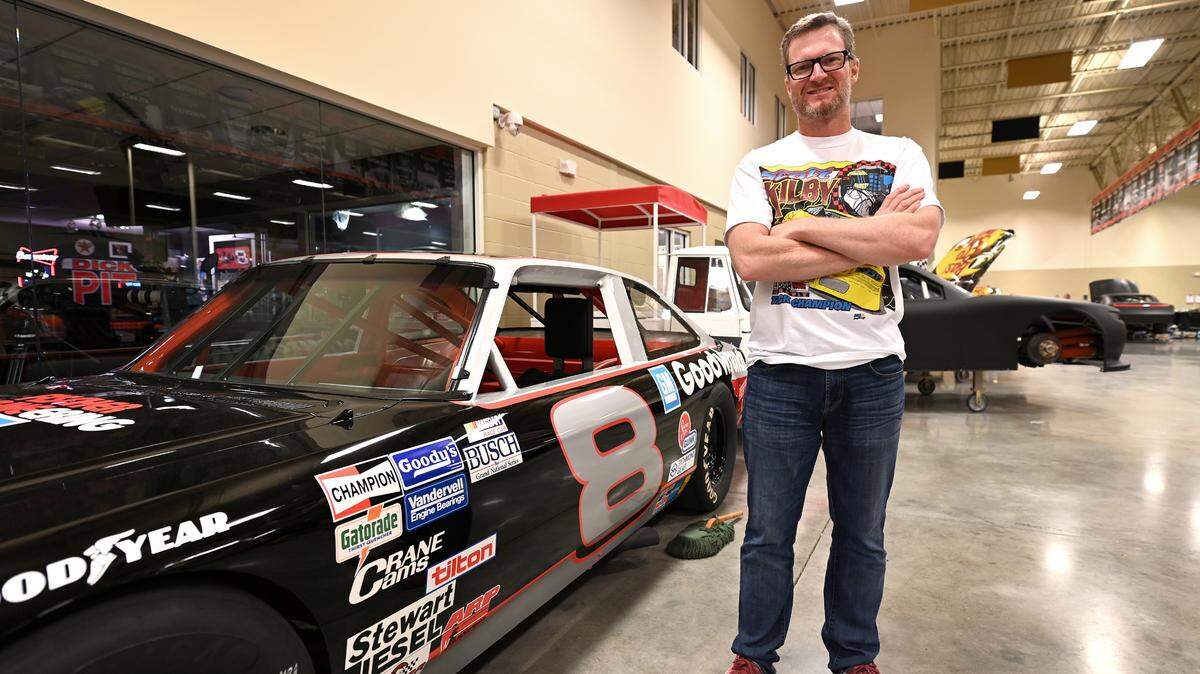
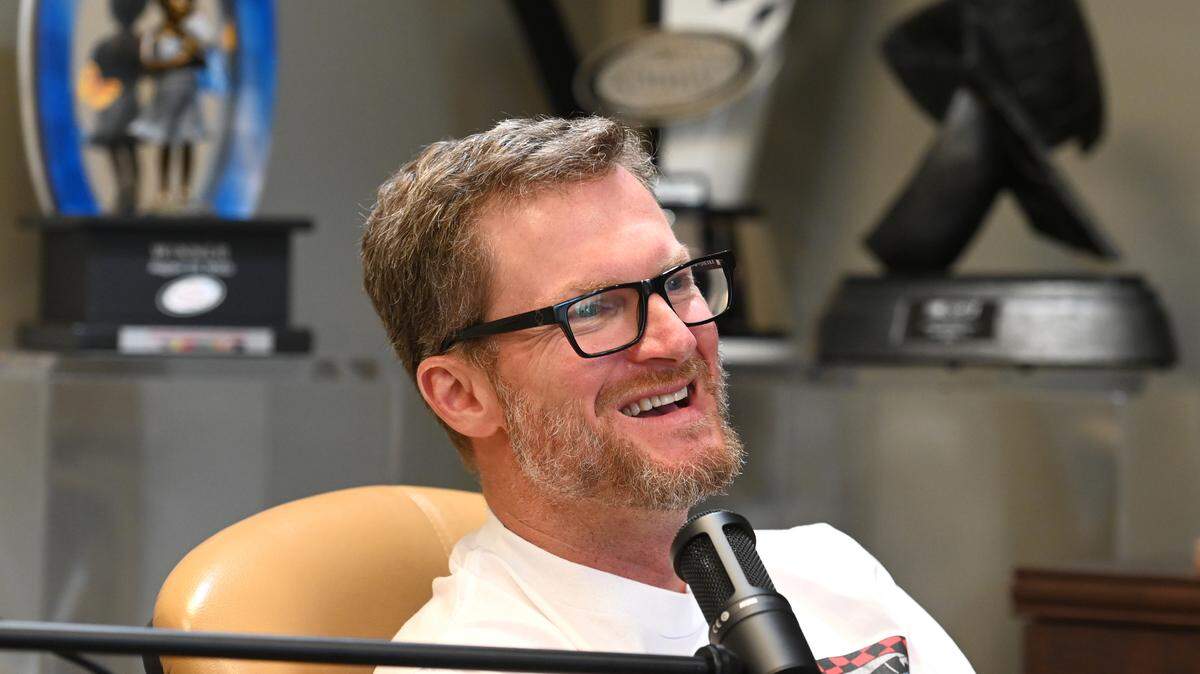
Dale Earnhardt Jr., our latest interview subject for The Observer’s new “Sports Legends of the Carolinas” project, is a NASCAR Hall of Famer who has made his own indelible mark in the family business.
Earnhardt — or simply “Dale Junior,” as his fans call him — is the son of legendary racer Dale Earnhardt Sr., who won seven NASCAR Cup titles before dying in a last-lap crash at the Daytona 500 in 2001.
Now 47 years old, Earnhardt Jr. is retired from full-time Cup racing but stays involved in the sport as a well-known TV broadcaster and team owner.
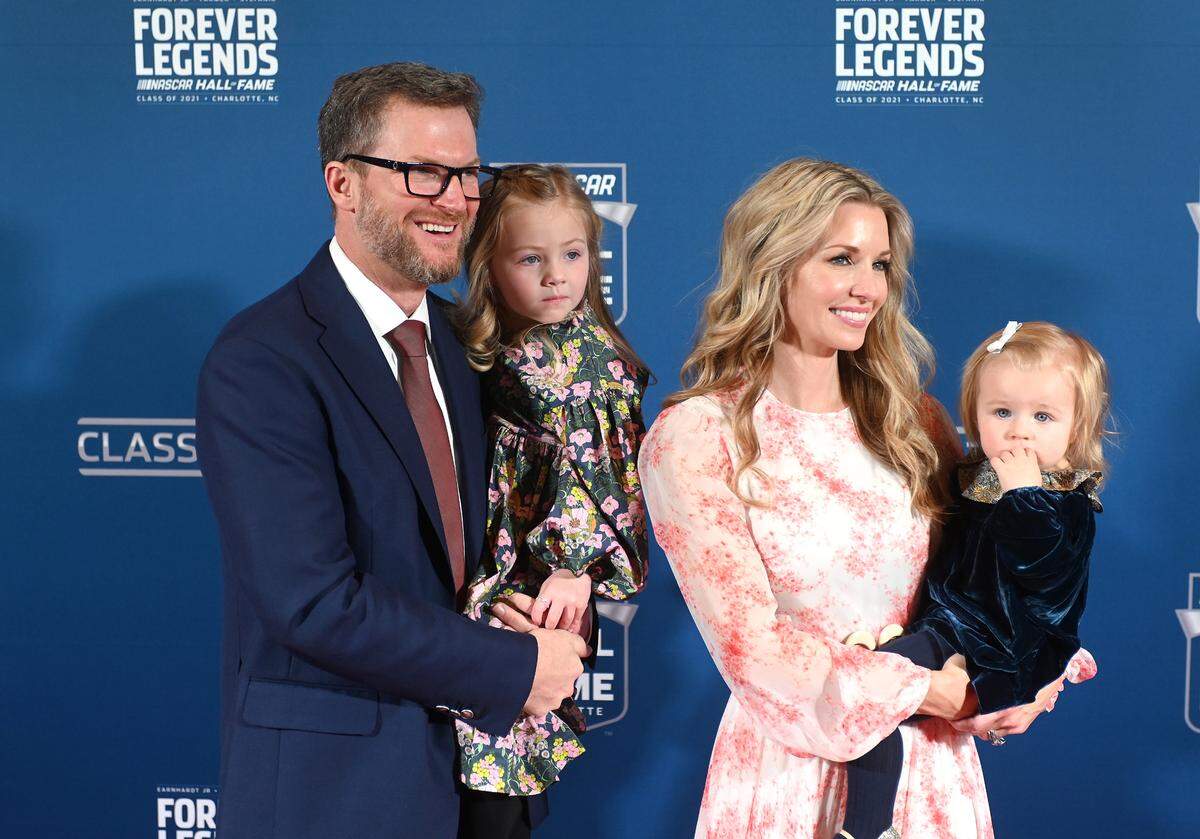
Earnhardt and his wife, Amy, have two young daughters. Dale Jr. and I spoke at Earnhardt’s race shop in Mooresville. A fuller version of the interview — which includes Earnhardt discussing an old racing uniform he found in a storage shed under mysterious circumstances — can be found on the new Charlotte Observer podcast “Sports Legends of the Carolinas.” This interview has been edited for clarity and brevity.
Scott Fowler: In January, you were inducted into the NASCAR Hall of Fame. And you called that at the time the greatest honor of my career when we spoke the day before your induction. You’ve done so many things in your life. I wonder why that one was so significant to you.
Dale Earnhardt Jr: I think that getting into the Hall of Fame is like the last big box you want to check. It’s like a big affirmation moment. It signifies that I mattered. And I live on — or I feel like I’m in constant need of — this affirmation, throughout my life in everyday life.
I need somebody to say that was a good choice, or you did a good job there. I worked my whole career to have someone at the end of the day say, “You were great to have around. We’re glad you were here.” And that’s kind of what that Hall of Fame induction does. It makes you feel appreciated.
I know I’m not the greatest racecar driver to ever race. I didn’t get to be that. I didn’t get to be the one with the most accolades or the best that year, with the most accomplishments. But I wanted to matter.
Q: I know you feel strongly about NASCAR history, and that sometimes you’re the guy who is engaged in a late-night bidding war on eBay for some random piece of racing merchandise. What are some of the things you have that matter the most to you?
A: I’ve been lucky to come across a couple of autograph books that were accumulated by an individual that I don’t know. I’ve got two of them — just a small, old notebook that has autographs in it from drivers of many different disciplines, from the ‘50s and the ‘60s and the ‘70s.
I’ve got an autograph book with probably 80 names in it. One of them is Ralph Earnhardt (his grandfather, who was also a racer and died in 1973, the year before Dale Earnhardt Jr. was born). Being able to possess an autograph of an individual who’s deceased, who can no longer provide you with such a unique piece of merchandise, is something that I think is really cool.
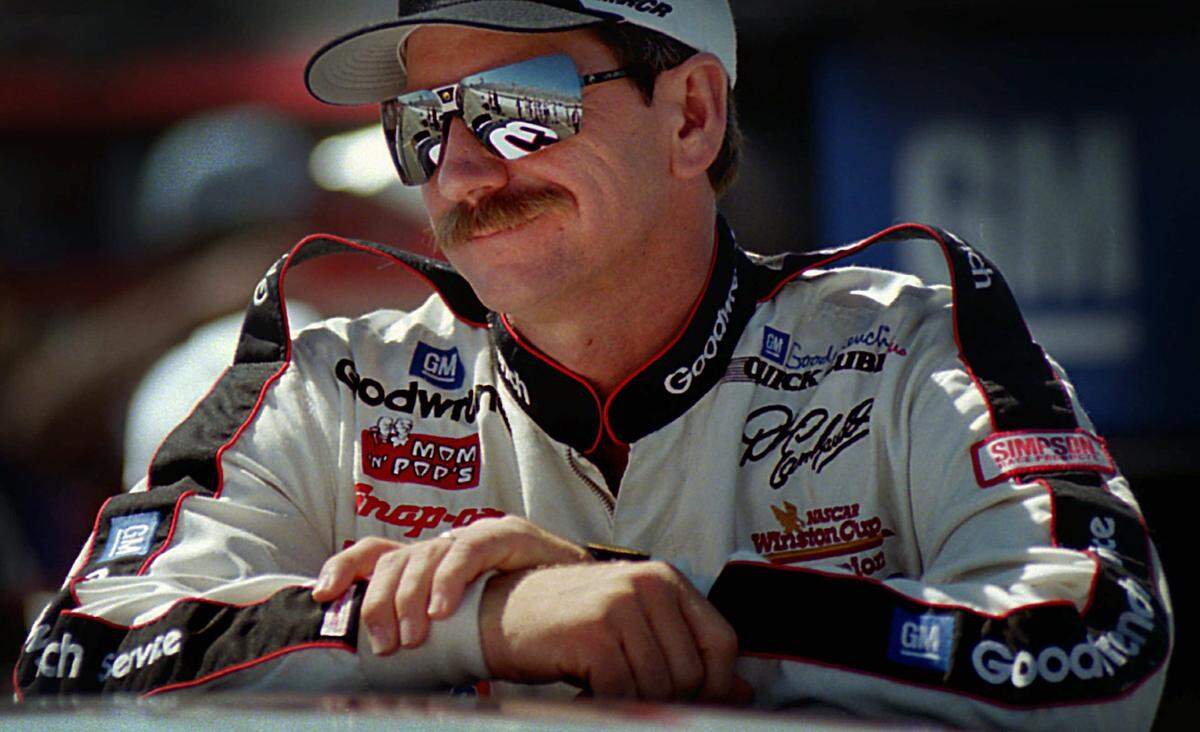
Q: We spoke right before the NASCAR Hall of Fame induction about what your Dad would say. You said, “Well, he would say he was proud of me. But he would also say some other things.” And one thing you mentioned at that time was that he would say you didn’t quite fulfill your potential as a driver, and that you’d agree. Can you explain that?
A: I didn’t realize the work ethic needed to to be as great as I could possibly be. Had Dad lived, he would have probably encouraged me, successfully, to be better in applying myself.
But when he passed away, there were a lot of emotions that came with that. I didn’t get to choose how I felt.
And I had all the traditional ones that you might imagine. Terrible, terrible sadness. Dark, dark depression.
But I also had this odd, strange feeling of being freed from some limitation or some sort of mental binding. It was scary. I was able to make my own choices in life, but Dad was always a ceiling to protect me. He wasn’t going to let me get too crazy. He wasn’t going to let me buy that car that I didn’t need to get. He was this sort of protective …
Q: Wall?
A: Yeah. And that was gone. And now I had this feeling of some sort of freedom. That was very dangerous and scary. Like, where’s my leader? Where’s my leadership? My leadership is gone.
I can walk outside and drive down the driveway and go anywhere in the world I want to go. I don’t have to tell Dad that’s where I’m headed. I don’t have to tell him, “I’ll be back later.” I don’t have to tell anyone anything. There’s no one to tell.
Q: You were 26 years old when he passed away.
A: Yes. And that feeling — it wasn’t a blessing. It was really scary. I was lucky that Kelley (Earnhardt, Dale Jr.’s sister) came into my life and wanted to be a bigger part of it on the professional side and be a guiding voice in my professional life and in my personal life.
I’m still so close to her today because she filled a lot of that void and kept me from spiraling into wasting away my career and my life.
Tony Sr. and Tony Jr. (the Eurys, who were both Earnhardt Jr.’s crew chief at one time or another) were great motivating forces in my life. Tony Sr. was, especially at that time. But he wasn’t my dad. And he wasn’t going to be there every day. And he wasn’t going to be calling me at 9 o’clock saying, “Where are you at?”
I was doing whatever I wanted to do. I wasn’t focusing on becoming a better racecar driver.
I wasn’t going to the shop and asking, “How can we be faster? How can we do better?”
The worst examples of me basically mailing — not mailing it in, but trying to get away with the minimum effort — was around 2004 or so, walking into the garage when practice had started.
Q: What do you mean?
A: I’d be in the bus playing video games, literally looking at my watch, going: “Five minutes to practice. I can play a few more minutes. Two minutes to practice.” And then running into the garage.
Guys are in their cars, strapped in, cranking them up, pulling out of the garage to go out on pit road and lining up and waiting for the track to be green. And I’m walking up to the car, with my uniform tied around my waist, like “Hey, I’m here.”
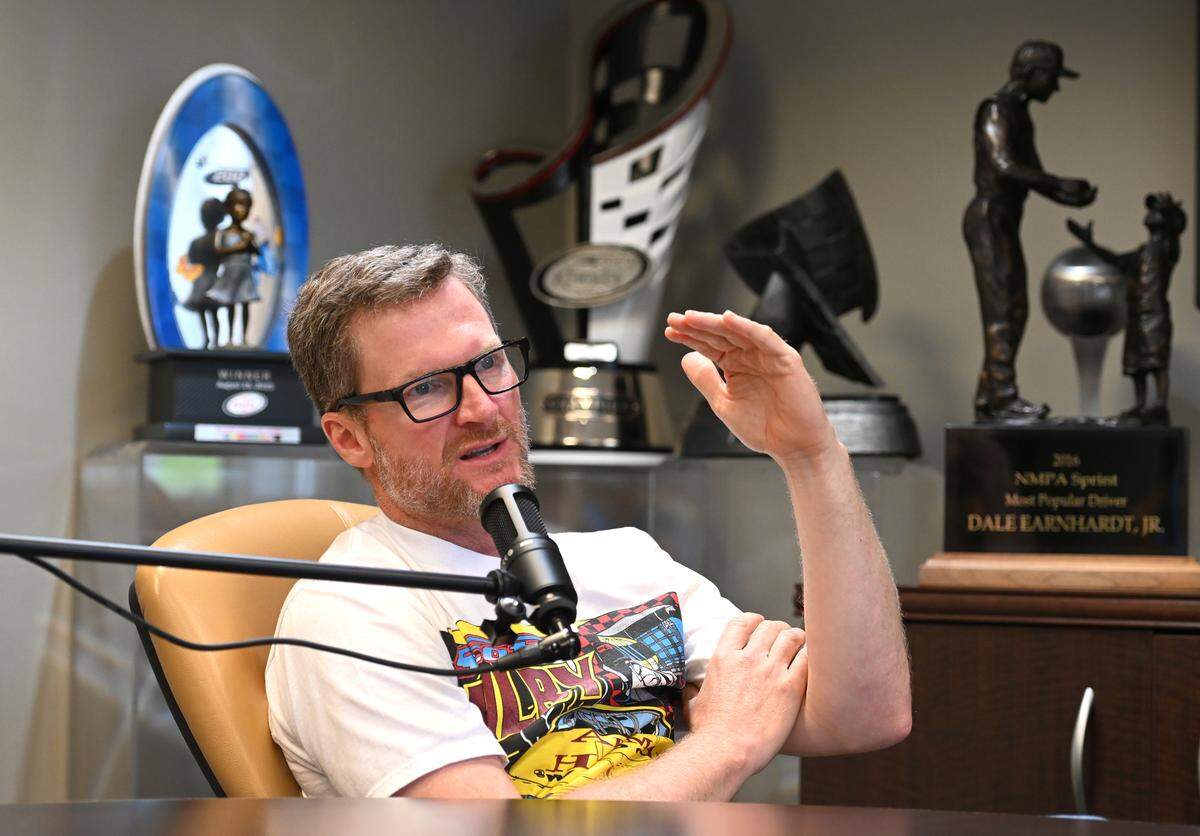
Q: And yet you still won (Earnhardt won a career-high six Cup races in 2004). Was it just the talent and the car? How’d you get away with it?
A: I could get away with it, being young, and we had great cars.
But yeah, what I learned by going to Hendrick (Motorsports, later in his career) was the Hendrick Way. How you prepare. And I thought, ‘Dang, how many more races might I have won had I really been…’
Q: Locked in?
A: Locked in. Eat, sleep and drink racing. Now, it wouldn’t have been as fun. But I would have probably won somewhere, anywhere between 25 to 75% more races.
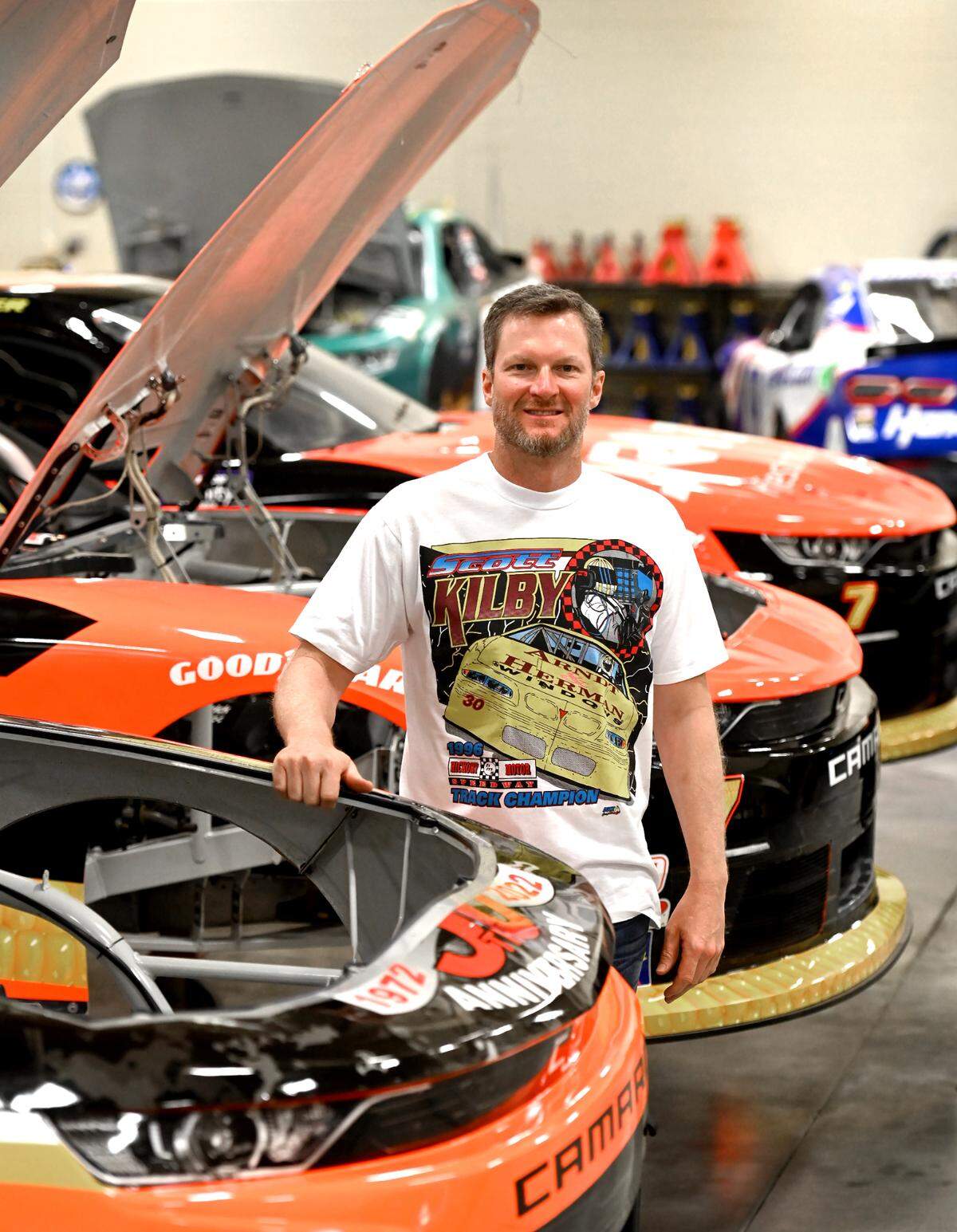
Q: So instead of 26 (NASCAR Cup wins at the sport’s highest level) you think you could have won…
A: Maybe 35-40 races.
Yeah, for sure. I mean, we had the cars and the ability to go out there and make it happen ...
If I could talk to that version of myself — I would slap the s--- out of me. I would. I’m so angry with that person, that decision, and that choice to split from Tony Sr.
That was a bad, bad choice. I thought in my mind I was going to be better off with someone else, that man I bet you there’s somebody else who can give me better cars … And that decision had an effect on Tony Jr. and Tony Sr.’s life, moving forward, for years. And my life. My career.
Q: You wrote a book called “Racing to the Finish,” which chronicled your serious concussion issues, and now you’ve written a children’s book that’s coming out soon.
A: “Buster’s Trip to Victory Lane” is the name of it. The experience of writing the book about the concussions created some partnerships and relationships with the publisher. With me becoming a father, they asked if I would have any interest in writing a children’s book.
Q: What books do your girls gravitate to? Have you read “Goodnight Moon” a ton of times?
A: My kids carry “Goodnight Moon” around. They both love it. That book has a magic in it. There’s something about it that clicks. Trying to figure out how to make something interesting for a child is a fun challenge. ... It’s a two-book deal, so there will be another book. Buster will do something else. I just wrote an email last night about a couple of ideas.
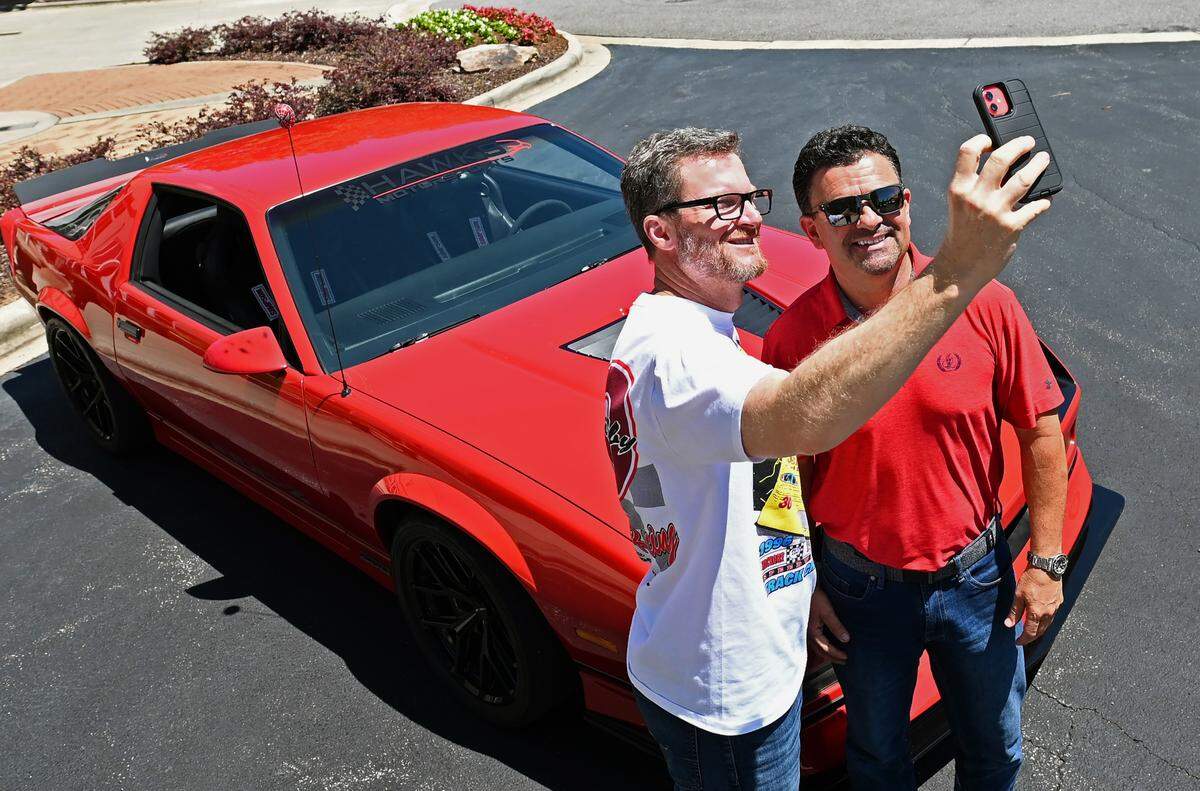
Q: You’ve mentioned that, especially growing up, you were introverted. Shy. And yet you live a very public life. You were NASCAR’s 15-time most popular driver. You’re on TV all the time. How do you balance that? Would you sometimes rather just go off and be alone playing video games?
A: Half of me would love to be somewhere by myself, being an introvert. The other half of me is kind of great with the way things are. Everything I’ve ever done in my life, I never want to do it by myself, whether it was a road trip or whatever it might be. So I know that being alone is probably not what I truly want.
But there are times when I daydream about that old ranch house we used to live in on the lake.
I’m super nostalgic.
And so for some reason, I’ve got this urgency to experience what life was like. The music, the style, the way things were back then. So I kind of daydream about that a lot — just being alone and to myself and void of any responsibility professionally.
But I think the truth is that I’d probably be miserable.
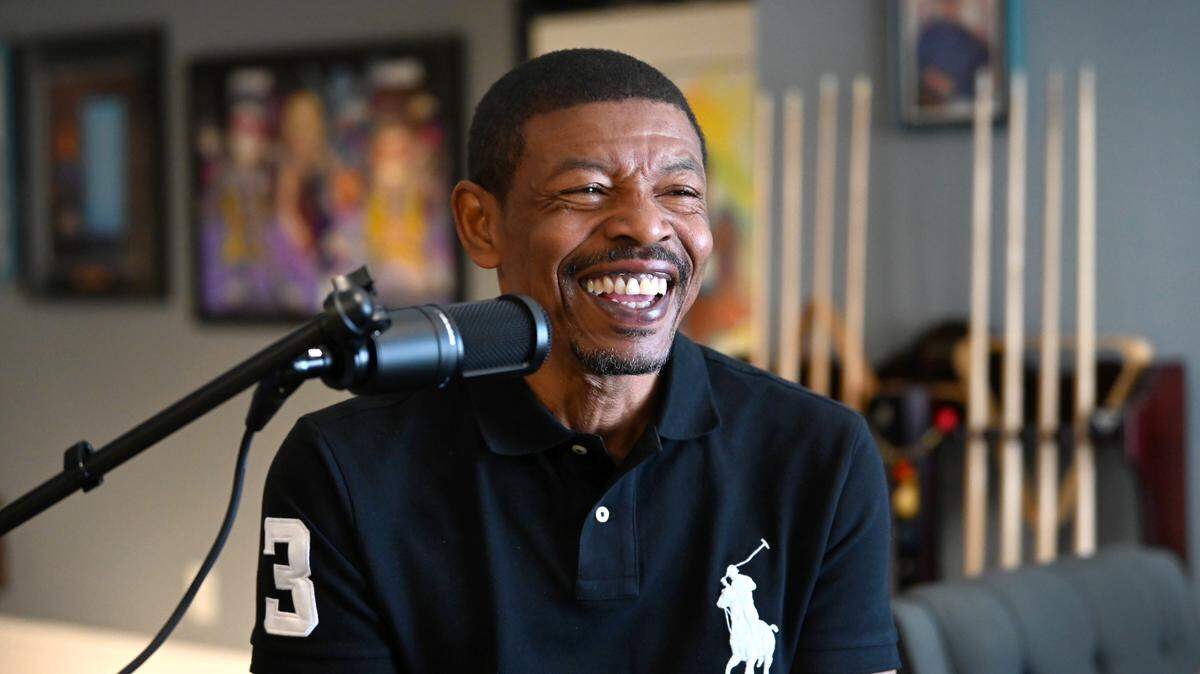
For much more from this interview and to hear other “Sports Legends of the Carolinas” interviews, including my conversation with Muggsy Bogues last week and former Clemson football coach Danny Ford next week, subscribe to the “Sports Legends of the Carolinas” podcast. New episodes are available every Wednesday.
This story was originally published August 24, 2022 at 6:00 AM.