Exclusive: ESPN’s Jay Bilas on hoops, Duke-UNC and tangling with Barney the Dinosaur
READ MORE
Sports Legends of the Carolinas
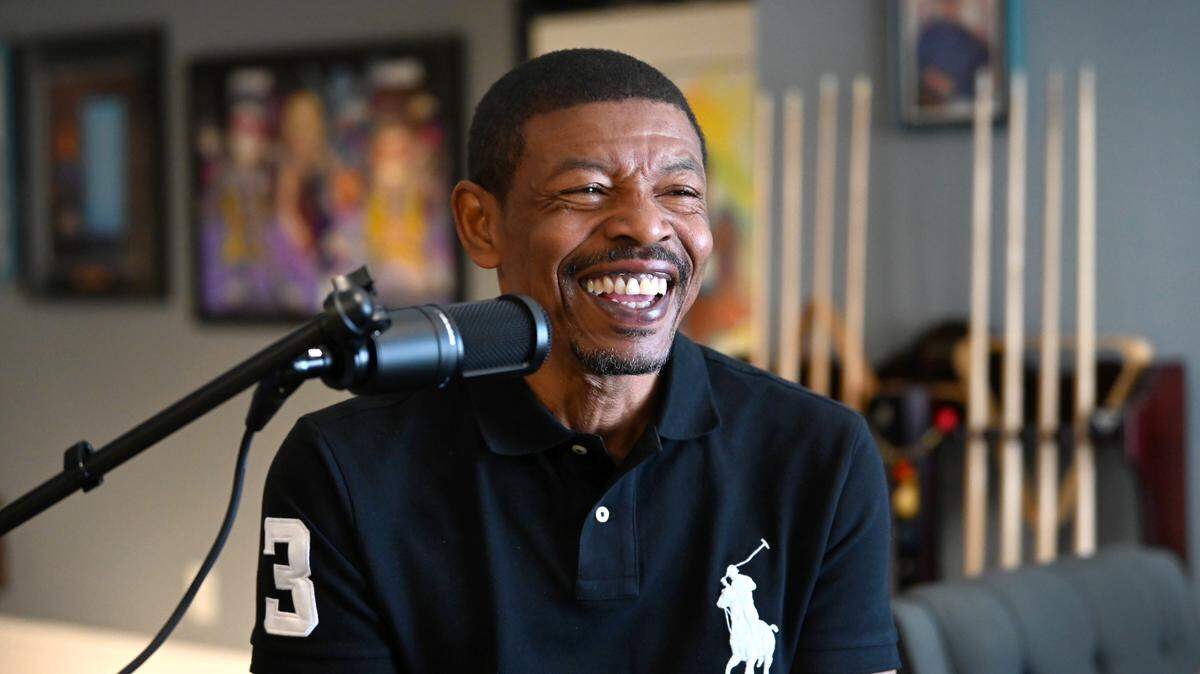
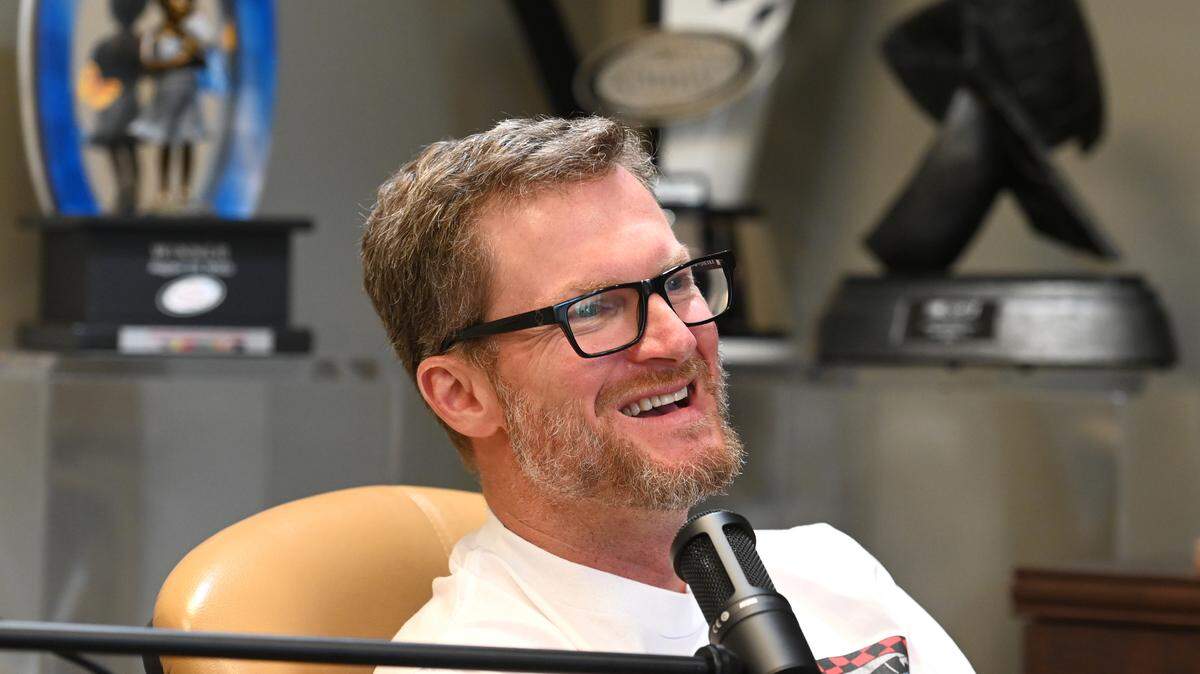
We know they’re legends. But what’s their side of the story? Conversations with the best in Carolina sports history, hosted by Scott Fowler.
Expand All
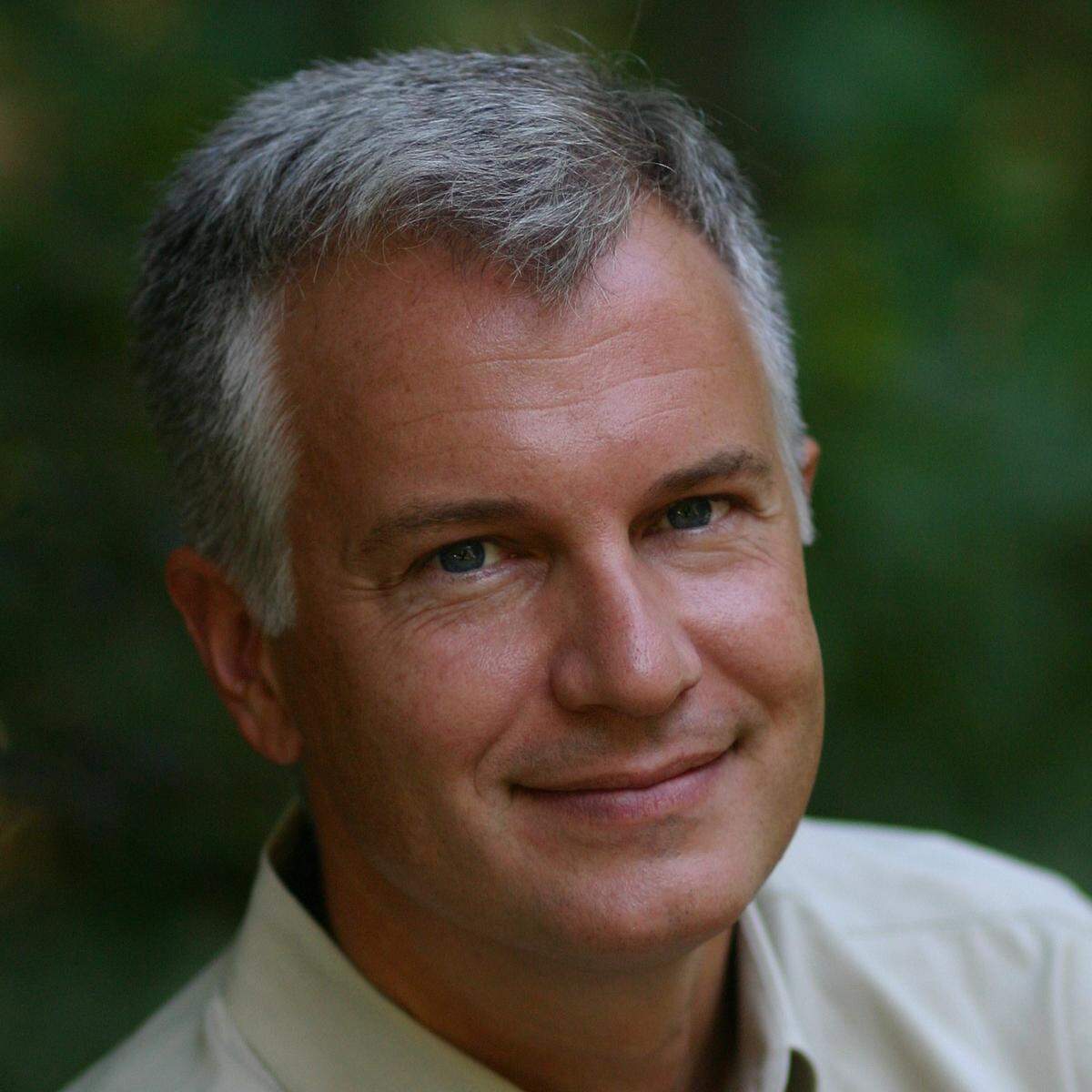
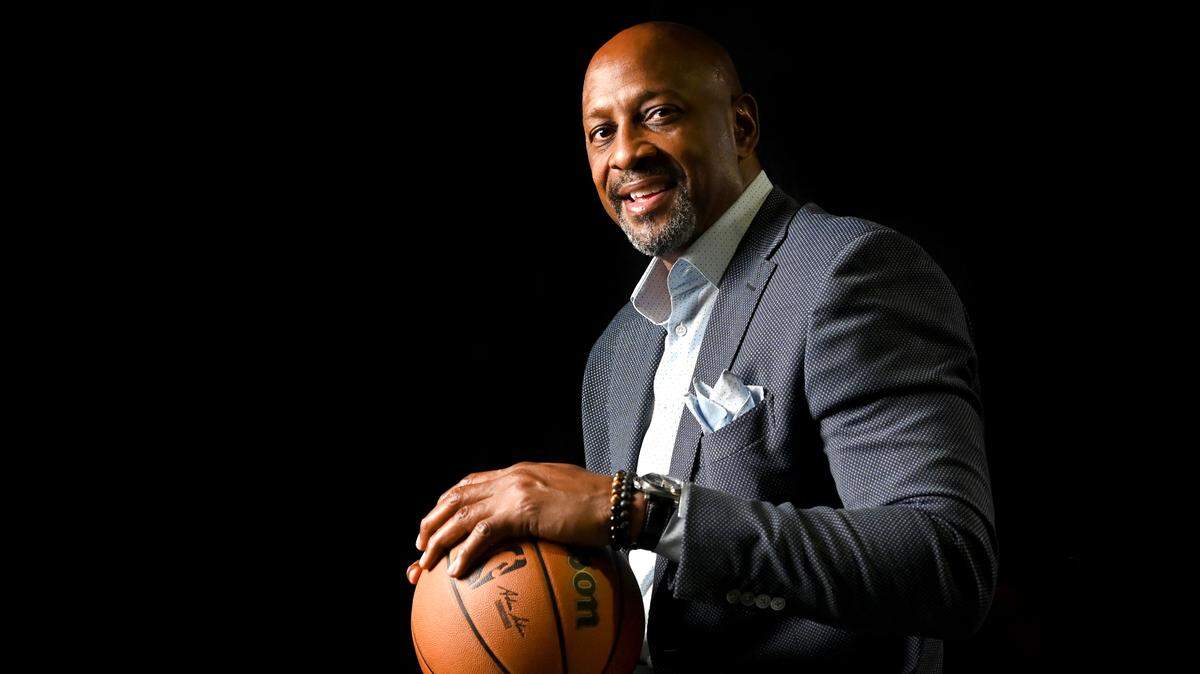
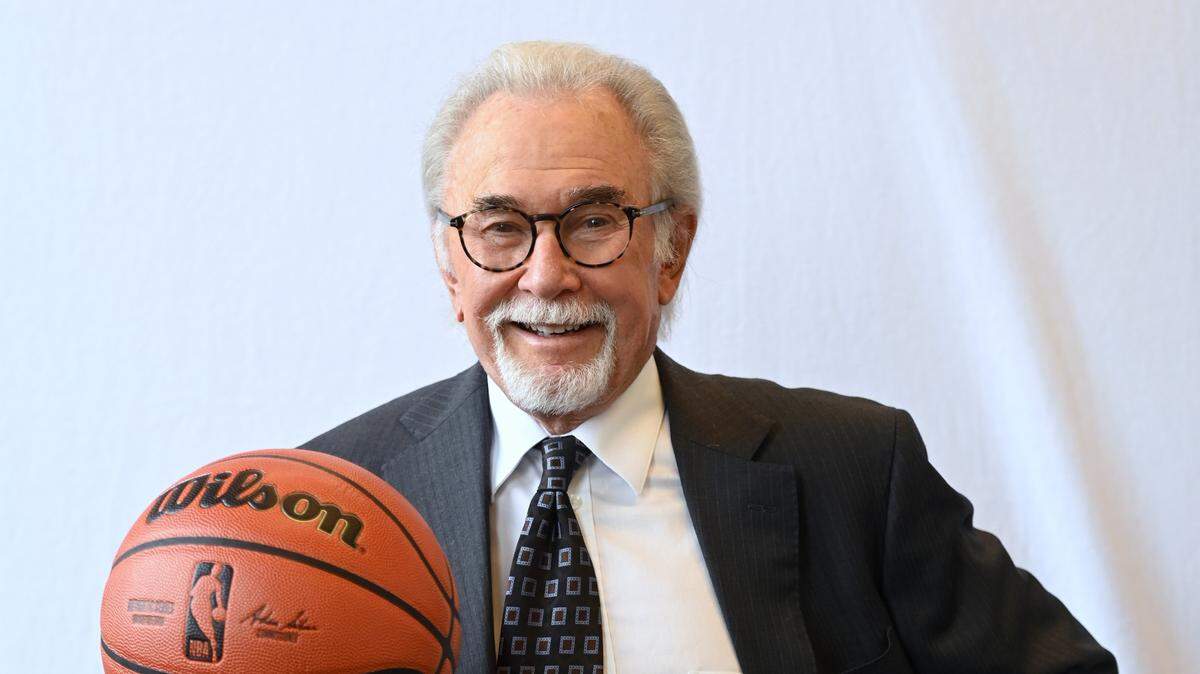
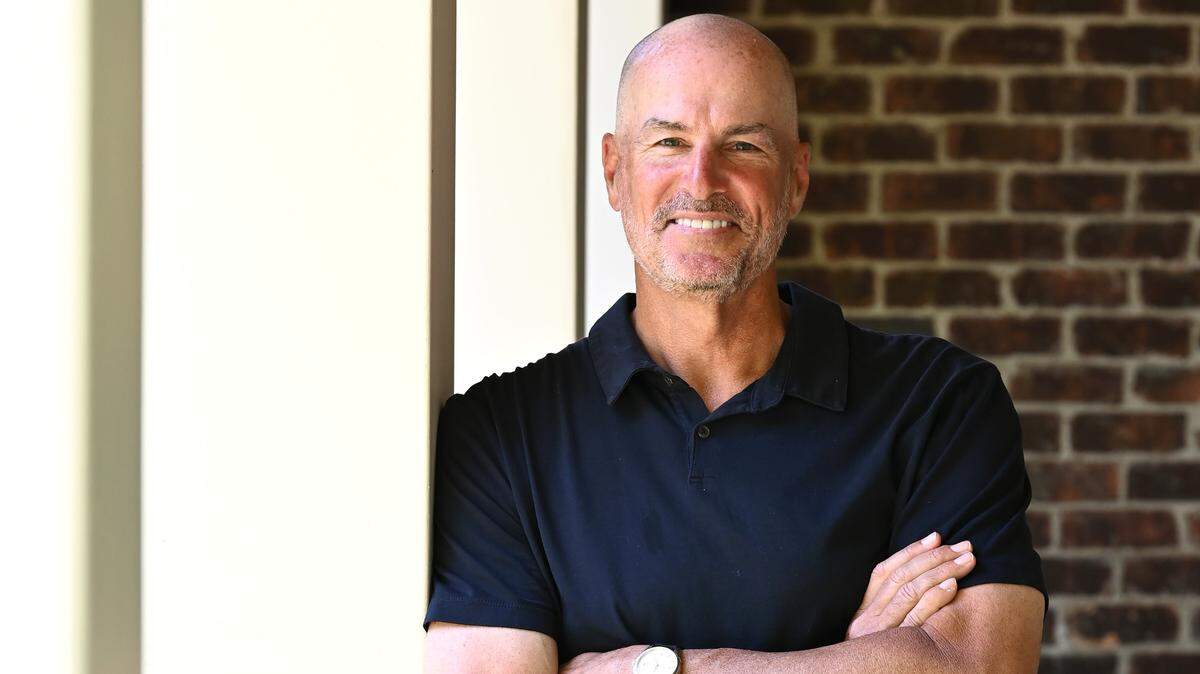
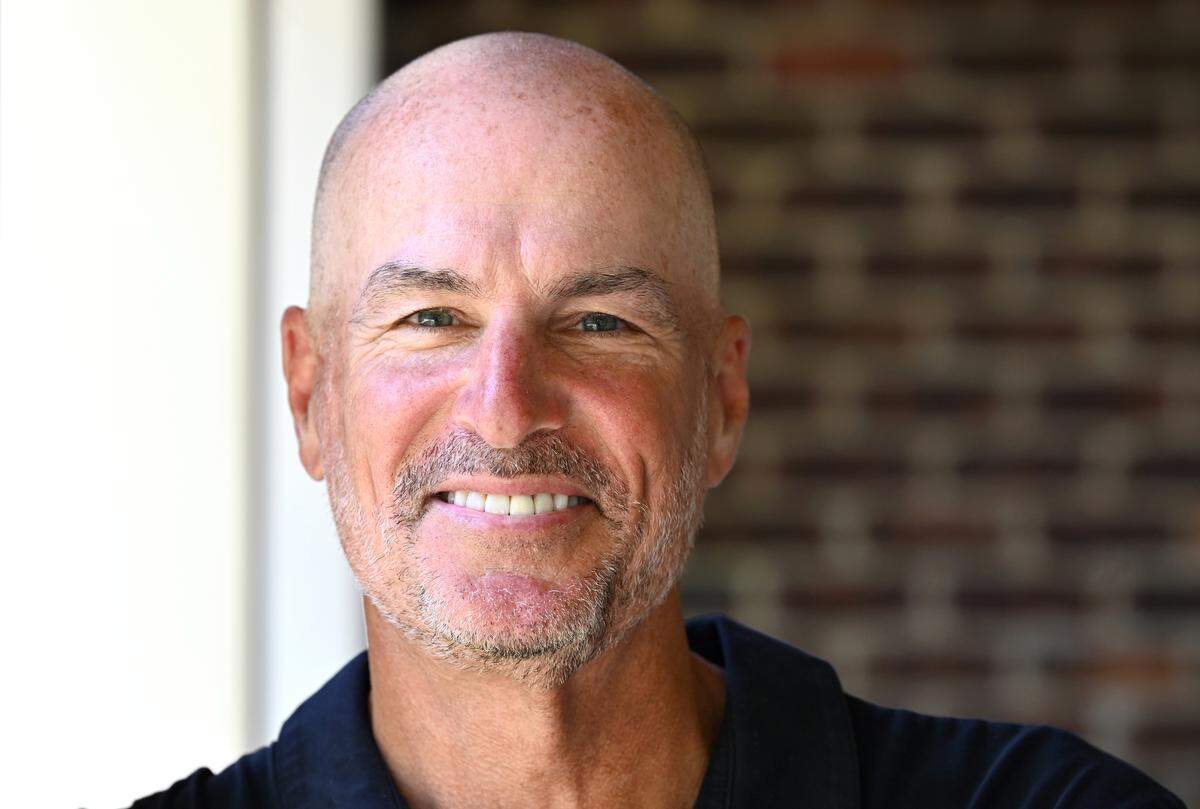
Jay Bilas, ESPN’s leading college basketball analyst, is this week’s interview subject for “Sports Legends of the Carolinas.”
In many ways the conscience of college basketball, Bilas has long advocated that college athletes be paid for their labor and has harshly criticized NCAA leadership. Bilas also is a former Duke basketball player who started for the 1986 Blue Devils team that made it to the NCAA final before losing to Louisville.
After that he became a lawyer with a degree from Duke Law School. Bilas came to Charlotte for a job as an attorney more than 20 years ago and never left, settling into the city with his family. This interview has been edited for clarity and brevity.
Scott Fowler: Jay, first of all, thanks for being this week’s guest on “Sports Legends of the Carolinas....”
Jay Bilas: Thanks for having me. I think some real legends must have turned you down if you had to scrape the bottom of this barrel to get me.
Q: You have a law degree and were a practicing attorney, played basketball at Duke and now are an ESPN broadcaster. How do you introduce yourself at a party?
A: I say that I work for ESPN and commentate basketball games. Years ago, I used to just say I’m a lawyer with Moore & Van Allen because that was my primary gig and I did broadcasting on the side. Now that broadcasting is my full-time thing, I’ll talk a little bit about it. But usually people’s eyes glaze over and we move on to something more interesting.
Q: So how’d you get interested in broadcasting?
A: When I was a kid, my mother encouraged me to do things outside the norm. And so she wanted me to be a cultured person. I say “encouraged” — she made me do a lot of things that I didn’t want to do.
So I had to take public speaking courses and (debate) courses. She made me take ballroom dance. I actually competed as a ballroom dancer, if you can believe that. I kept that a profound secret from my friends.
And when I started to become recognized in basketball, people would say, “What do you want to do after basketball?” A lot of former athletes were starting to get into broadcasting, and I thought, “Well, why not me? Maybe I could do that.”
Coach K introduced me to a guy named Chuck Howard who was a big-time producer at ABC Sports at the time. And I started working for ABC Sports during the summertime.
I was a production assistant, which is a nice way of saying I was a runner. I was a gofer, but I worked all kinds of events. It was a great entree into the business, and it piqued my interest.
Q: When you were a litigator, is it true your most famous case was when you took on Barney the Dinosaur?
A: Yes. That’s the one that brings a smile on everyone’s face — and haunts me to this day.
There was this man in Charlotte named Philip Morris.
Q: Right, Morris Costumes — that’s an iconic establishment in Charlotte. Keep going.
A: Yes, Philip Morris was a famous guy in Charlotte back in the 1960s and ‘70s. He had his own TV show. And he was being sued by the company that owned Barney for copyright and trademark infringement because he had — along with others around the country — costumes that they felt looked too much like Barney. They would rent the costumes out for birthday parties and things like that.
So when the case first walked through the door, my first thought was we need to settle this because this looks exactly like Barney…. But they (the company that owned the Barney rights) had a difficulty with this guy (Morris), and they wanted to make an example out of him for others. And so the amount they were asking for to settle was way over what they would get at trial. So we had no chance to settle it. We had to take it to trial.
You know, I always thought in law school, I’d be arguing these complex cases, maybe some sort of constitutional First Amendment issue and it’d be really hoity-toity. And here I am arguing over over Barney, the purple dinosaur.
Q: Did Barney come to the trial?
A: The opposing counsel p---ed me off so bad that I said, “I’m subpoenaing this thing for the trial.” They argued against Barney (the costume, with a man inside) being brought in ... They said it was too unwieldy because the costume was so big — like 6-foot-8 and 240 pounds. And I stood up and said, “Your Honor, I’m 6-8, 240, and I got in here just fine.” And the judge ordered it (the costume) to the trial. So stupid, but it was funny.
Q: How did the trial turn out?
A: Oddly enough, we wound up winning (the original trial). And then Barney appealed, because they were in trouble then. They had lost a lot of their trademark copyright rights. ... It eventually settled. So we won some things and lost some things, and it wound up about where it should have been.
Q: You beat the drum for a long time that college athletes should be paid. Now it’s happening. Do you feel vindicated by what’s going on now in college athletics?
A: Not vindicated. I felt like my position all along has been right. And it wasn’t necessarily an advocacy position as much as it was an answer to the rhetoric of the NCAA machine. ... I think when I was playing for Coach K, there’s no way he made over $100,000 a year. And now before he retired, what was he making — $12 million?
I don’t begrudge any coach whatever they can make. I think they should. It’s a market-driven thing. But I always felt like the players should be able to compete in that space too.
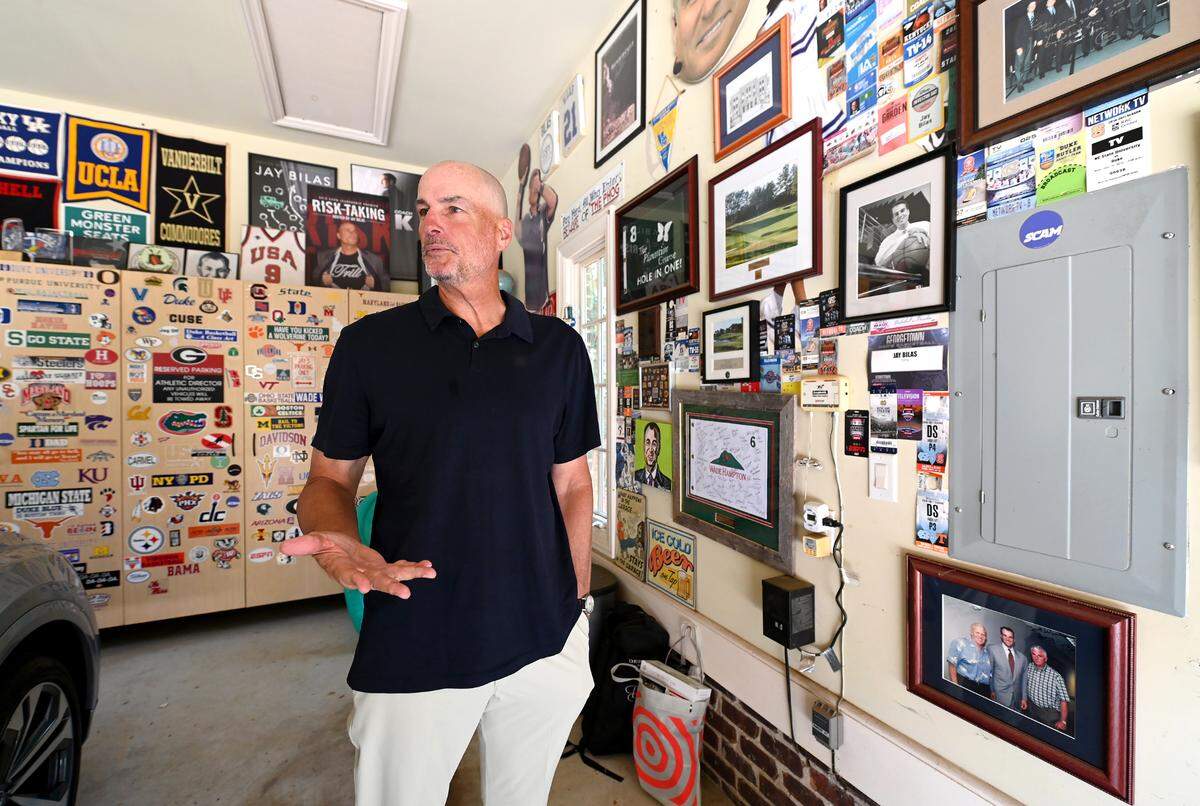
I recently had a conference commissioner say, well, rationality needs to be brought into the process with regard to players and this NIL stuff and where it’s headed. And I thought about it and I was like, “What’s rational about running a multi-billion dollar entertainment industry off of a college campus?” … I think it’s entirely rational to pay the athletes what they’re worth.
Q: Where will the Name Image Likeness (NIL) debate land, do you think?
A: Ultimately, I think it lands with the institutions just signing players to contracts out of high school or wherever they may come from. Junior college, whatever.
So you have a contract between the parties that governs their relationship instead of having this NIL thing where we have a fiction that it’s just about what the players can do outside of their universities. ... But back to your original question: Do I feel vindicated? No, but I do feel like I was right in the legal analysis and the logic behind all this.
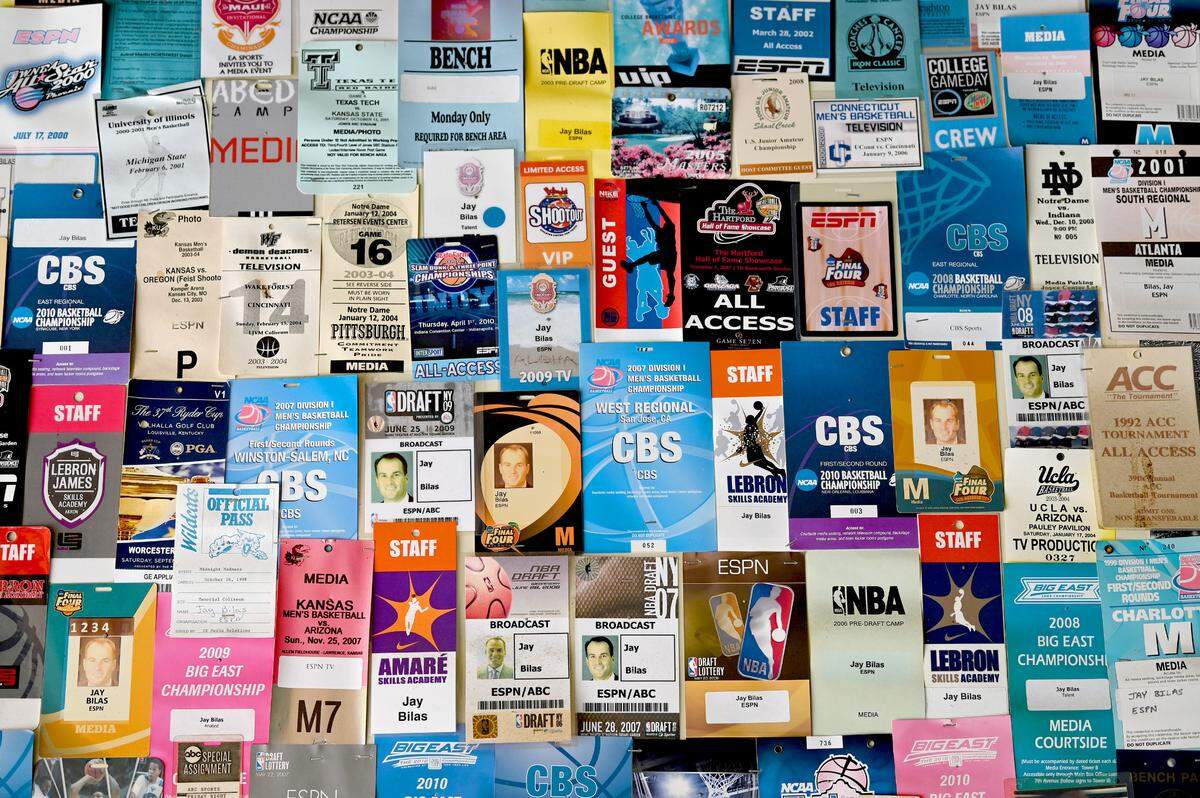
Q: You’ve been very critical of some NCAA rules. Can you give an example?
A: There was a rule called the fruits, nuts and bagels rule. So when a team would have an early morning practice, they would want to feed the players. You could give them fruits — fruits, nuts or bagels. But anything other than that would be a meal. So you can give them grapes, but not grape jelly. If there was grape jelly, that bagel became a meal.
You can give them peanuts, but not peanut butter — that became a meal. It was so stupid….
To me, we can be honest about this or we can continue to lie to ourselves about it. If anyone thinks that any banner hanging in any gym or any football stadium around the country had only eligible players, it didn’t.
Somebody broke a rule somewhere. With all these rules, there’s no way that you can live a normal life under the old system. When I was playing, nobody was eligible. And nobody is strictly eligible now. You can’t live like that.
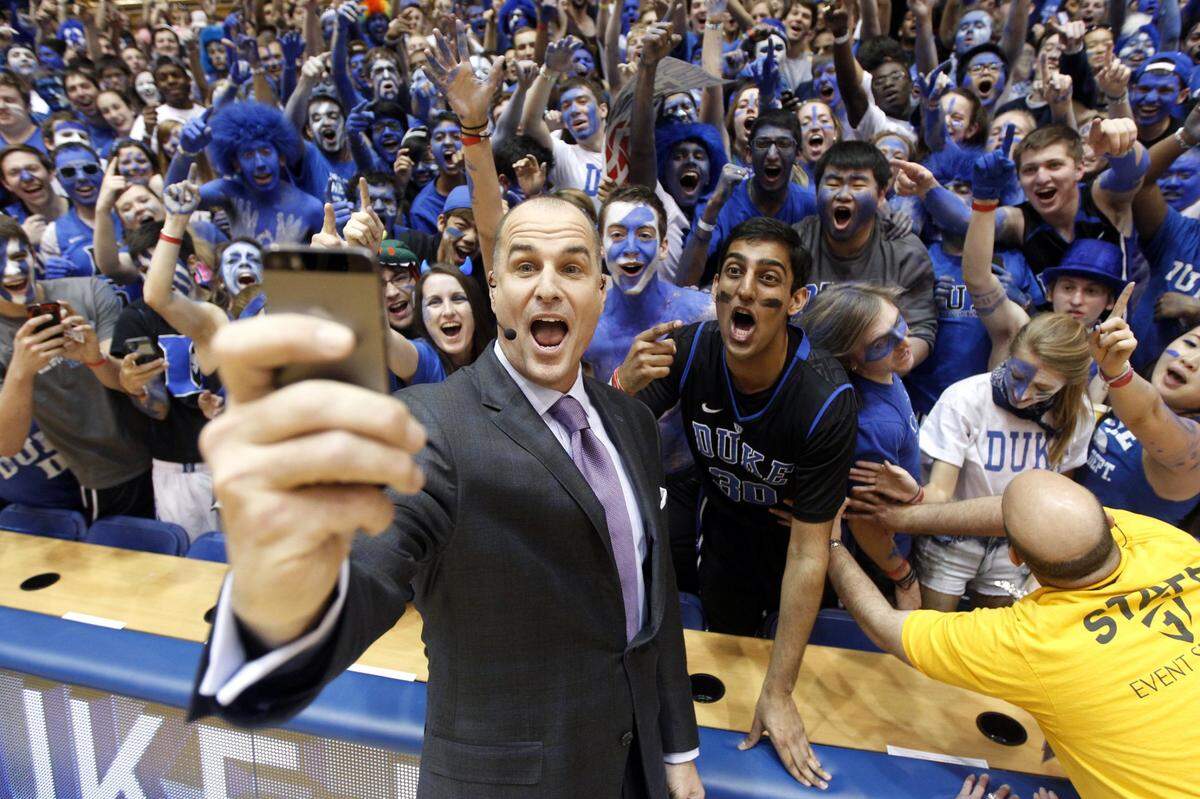
Q: Back to basketball. In retrospect, how big was the Duke-UNC Final Four game earlier in 2022? Do Tar Heel fans now have bragging rights in perpetuity?
A: It was a really interesting but unusual year because of the way Coach K decided to retire. Normally when someone retires they just abruptly announce it before the start of the season or at the end of one. ... I looked at it as we had a full year to celebrate him and his legacy and all that.
So for me, the end was really important and poignant. So the last game in Cameron against North Carolina — I think in retrospect, you might look at it and say, you know, Should Duke have done all the stuff they did with the former players before the game and all that stuff? Did that add something to the current players? More weight on their shoulders? Maybe it did.
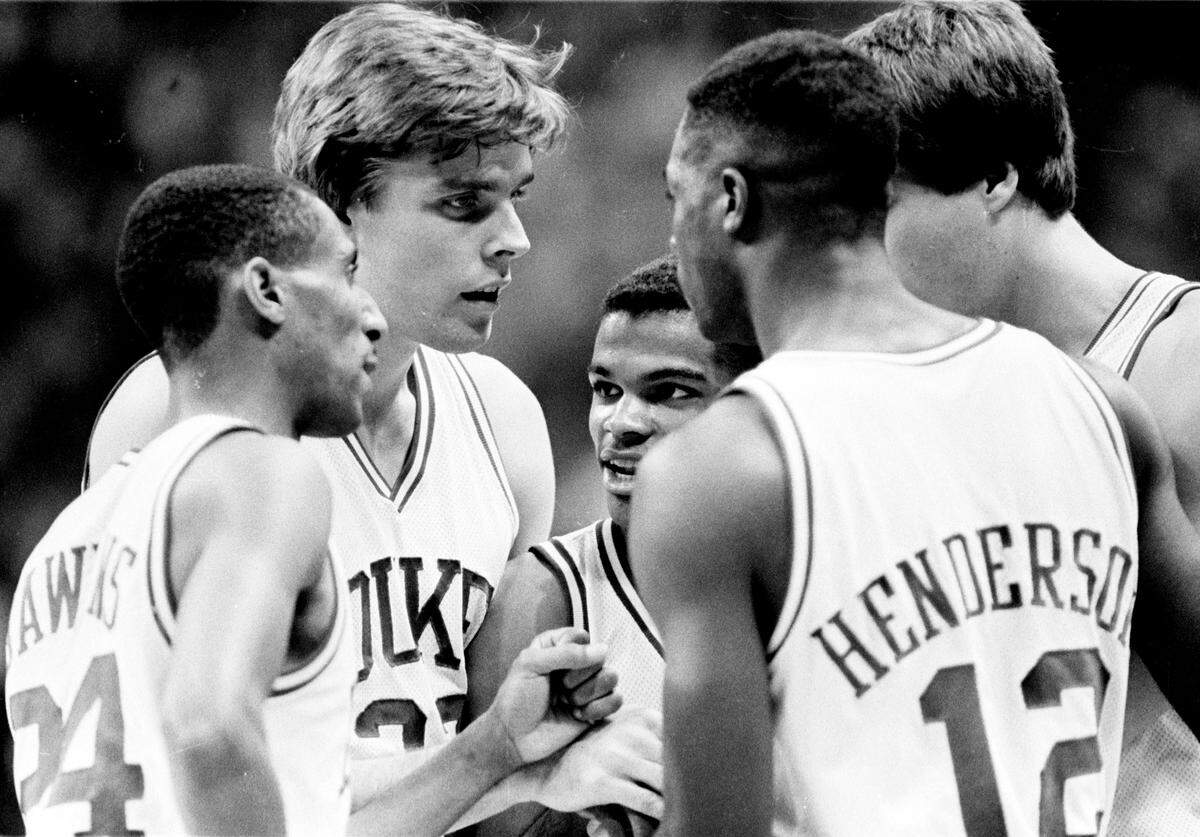
… But the Final Four was different. I always felt like first it’s amazing that those two teams had never played in the tournament. ... I thought the Final Four game was fun. I didn’t feel like it was a pressure-packed deal that negatively impacted one team or another. It was just one of those really cool things.
So if Duke had won, the Duke fans would have crowed about it. If Carolina won — well, they are crowing about it, and they should. It was an amazing game, and a good one to have on that stage.
Q: Who will be better in 2022-23, Duke or Carolina?
A: I mean, without having seen ‘em practice? I think the easy answer is North Carolina because they have so much experience coming back and what I imagine will be a hungry team to complete what they think was an unfinished job from 2022. ... Maybe NIL was impactful to have some of those players come back, as was Hubert Davis’ leadership.
Duke has so many younger players, but they’ll be loaded with talent. My sense is (new Duke coach) Jon Scheyer is really good.
Q: As a player, who was the most difficult player you ever guarded?
A: Brad Daugherty, although Ralph Sampson was a mismatch for everybody. In my first ACC game I had to guard Ralph Sampson, and he scored 36 points and I was devastated. ... But Brad Daugherty was impossible to guard because he was so big and so skilled, and he could turn around and shoot over you. He had power. Finesse. He was just a great player.
Q: You always were a little bit of an undersized center at Duke, right?
A: A lot of an undersized center. Undersized, under-athletic, under-jumping, under-everything. It was pretty rare in any game that I could look eye to eye with who I was guarding. But that was the way it was. That’s why I had to get so much bigger and stronger.
Q: When were you happiest in your broadcasting career?
A: I’m really happy now, but I’m no happier than when I was doing the Duke basketball games. I was making 200 bucks a game, but I was happy as hell. It wasn’t the same platform as ESPN, but it was really fun.
For much more from this Q and A, including Bilas’ advice to students who aspire to be sports broadcasters and how he ended up playing an alien cop in a B-movie, check out the Jay Bilas podcast episode on “Sports Legends of the Carolinas.”
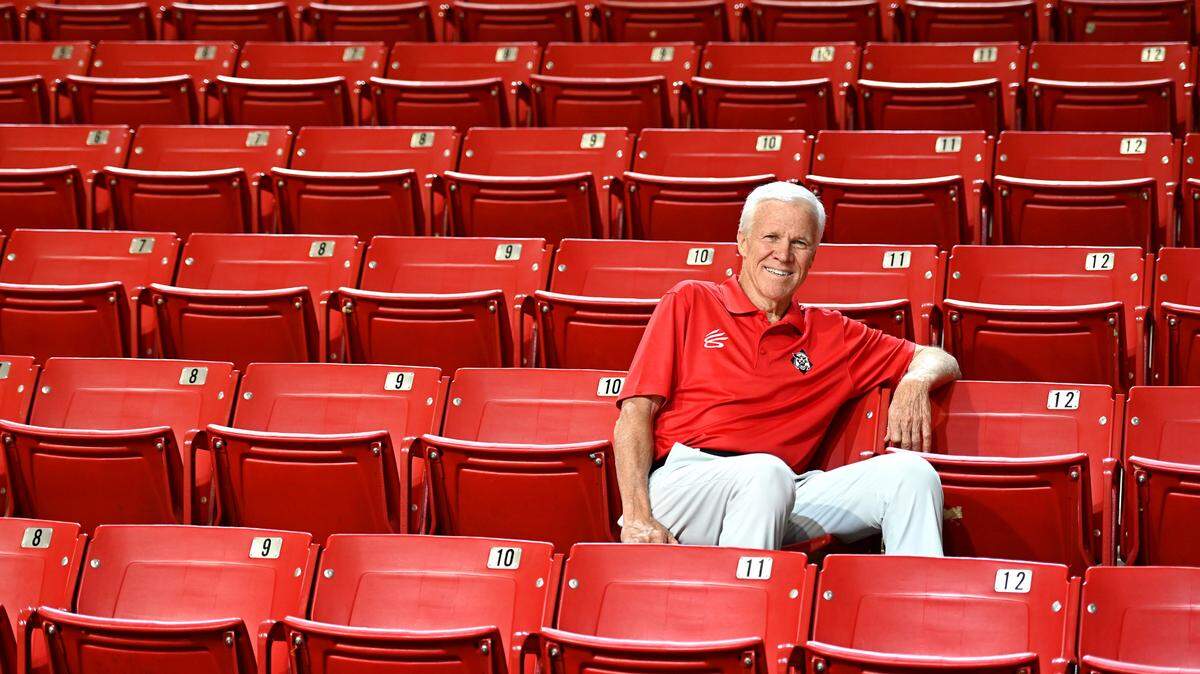
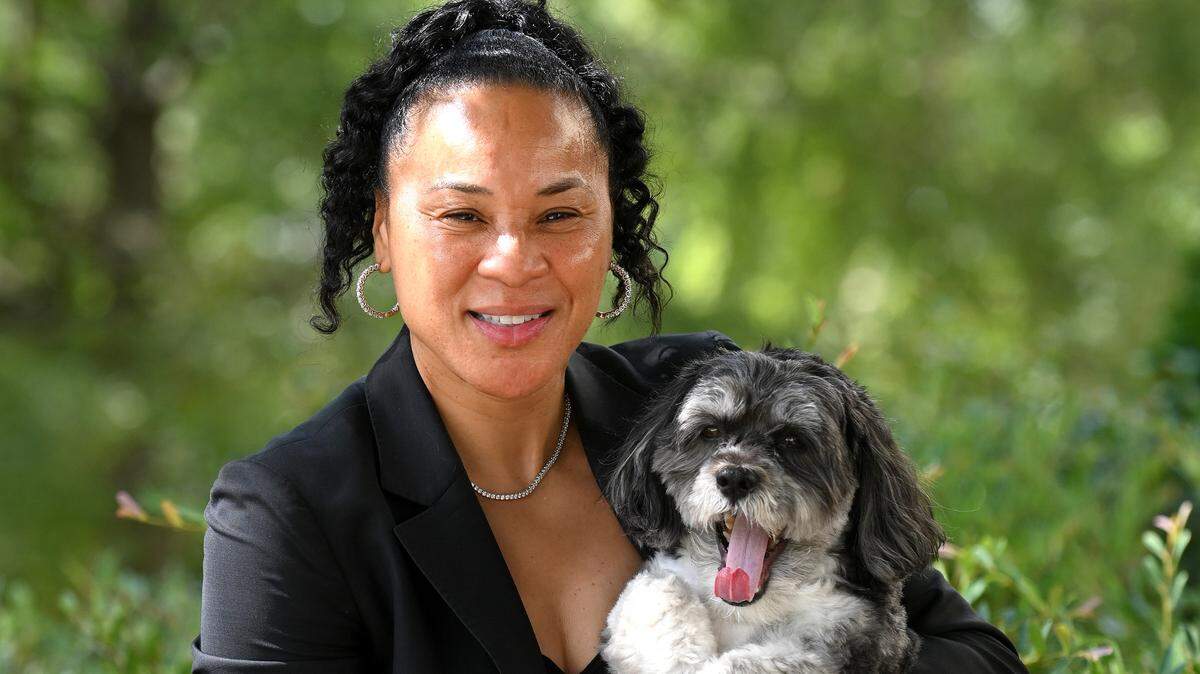
To also hear previous episodes include 1-on-1 conversations with Danny Ford, Dale Earnhardt Jr. and Dawn Staley, subscribe to the “Sports Legends of the Carolinas” podcast. New episodes drop every Wednesday, and bonus content is available exclusively on Apple Podcasts.
Next week: Charlotte Smith, the current Elon women’s basketball coach who won an NCAA national championship with a legendary shot for UNC in 1994.
This story was originally published November 2, 2022 at 6:00 AM.