
Juror explains $100,000 judgment in police shooting death of man with mental illness
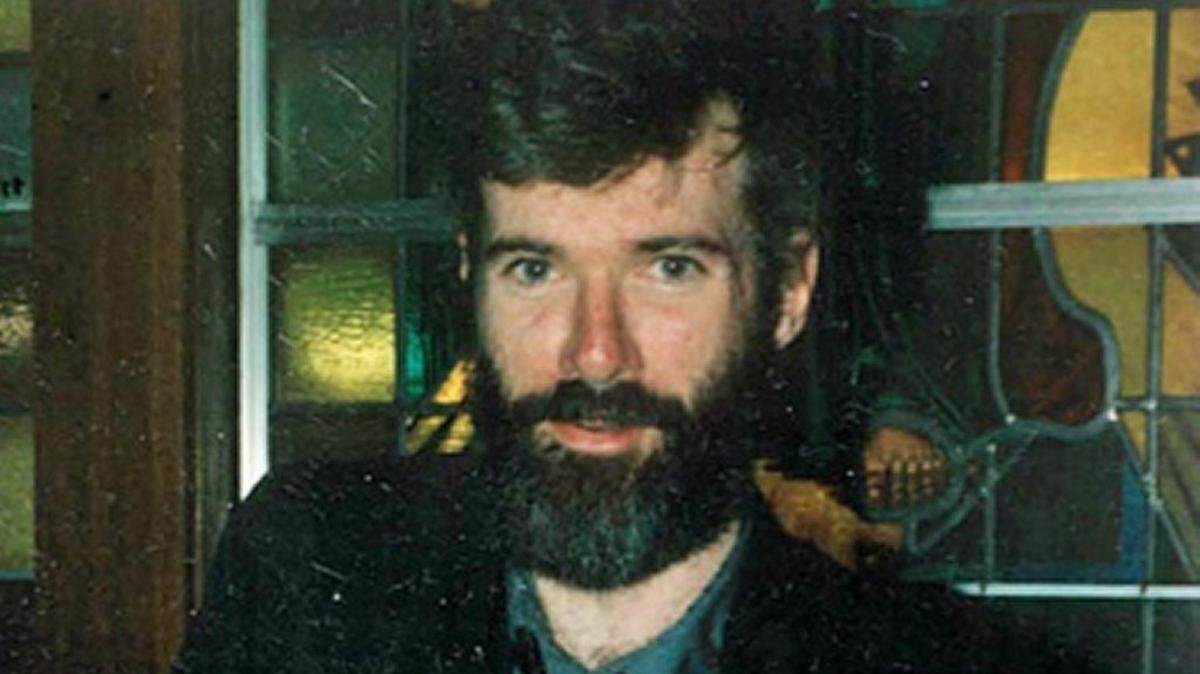
A Mecklenburg County jury awarded a $100,000 judgment to the family of a mentally ill Charlotte man fatally shot by a police officer in 2013, with both sides expressing satisfaction with the decision.
After a weeklong trial, the jury spent less than a day before unanimously finding negligence in the death of Spencer Mims III., who was mortally wounded after a brief confrontation with two Charlotte-Mecklenburg police officers on the front porch of his southwest Charlotte home.
A member of the jury, Rob Buckfelder of Charlotte, told the Observer on Tuesday that the 12 members had concluded that both Mims and police contributed to what Buckfelder described as "a terrible tragedy."
The size of the verdict reflected the jury's finding that neither side bore sole responsibility for what took place, he said.
Nonetheless, the family said the verdict should be a catalyst for police and the city to improve officers' handling of situations involving mentally ill residents.
"The family is very grateful that the jury found negligence in Spencer's death," said Luke Largess., the Charlotte attorney who filed a wrongful-death lawsuit for Mims' family, "and they hope that the verdict will help the city and police see if they are adequately training people to deal with those in a mental crisis."
The complaint named the City of Charlotte and Charlotte-Mecklenburg police Officer Jeremy Donaldson as defendants. After the trial, police attorney Mark Newbold said the defense team was "pleased with the verdict and recognize that this event has been difficult for both the family of Mr. Mims and the officers who responded to the call for assistance."
Three-quarters of the award will go to the dead man's father, Spencer Mims Jr., a longtime Myers Park High School orchestra teacher who told police his son was having a mental crisis on the night of Jan. 6, 2013. When police found the younger Mims on the porch of his home with a box-cutter to this throat, the father said the officers were there to help, not to shoot him.
Minutes later, the elder Mims watched Donaldson fire three shots as Mims approached him with the box-cutter. The son died that night in a Charlotte hospital.
.JPG "Spencer Mims openings_03 (1).JPG")
In a video deposition shown to the jury last week, Mims Jr., now 87 and living in Raleigh, said he remains tormented by his decision to contact police, and that his son did not need to die.
Tuesday's award was small compared to verdicts or settlements involving CMPD's shootings or investigations. In December, the city agreed to a $9.5 million settlement with a Charlotte man who spent 25 years in prison on a wrongful rape conviction due to what his attorneys described as the "willful and malicious" behavior of CMPD personnel.
In 2015, the city paid out $2.25 million — then a record amount — to the family of Jonathan Ferrell, an unarmed Charlotte man who was shot nine times in a confrontation with three officers. Criminal charges against the officer who fired the shots were later dropped after a mistrial.
According to testimony in last week's lawsuit trial, the younger Mims suffered from bipolar disorder for most of his life, but still managed to earn a degree from UNC Chapel Hill and hold the same job for 25 years.
Attorneys for his family described the dead man as a loving son and uncle who was triggered into a fatal confrontation with police by the tactical mistakes of Donaldson and Michael Whitlock, another CMPD officer who came to the house.
Defense attorneys, meanwhile, said Mims had a violent streak. On the night of his death, they said, he compounded his lifelong psychological struggles by getting drunk, ignoring direct orders from police, then approaching one of the officers with a deadly weapon that he refused to put down.
Both Donaldson, who became a Charlotte-Mecklenburg officer less than a year before the shooting, and Whitlock were cleared of any wrongdoing by CMPD and the Mecklenburg County District Attorney's Office.
On the night of his death, according to testimony, Mims had grown despondent over the playoff loss that afternoon of his favorite NFL team. His father testified that he left the house he shared with his son in hopes the younger Mims would calm down. Two hours later, the father arranged to meet with police outside the home so he could get some clothes to spend the night elsewhere.
Police found the younger Mims sitting on the darkened porch with a box-cutter to his throat. When Donaldson told him to drop the blade, Mims asked the officer to kill him instead, the officer said.
According to testimony, the encounter quickly spun out of control when Donaldson approached Mims on the porch while Whitlock, in the front yard, jockeyed for a clear shot with his Taser. When Whitlock fired, one prong hit Mims in the right elbow while the other slammed into the house, testimony showed. Thus, Mims was not shocked.
Donaldson, who rushed in to handcuff Mims after Whitlock's Taser shot, told the jury he retreated when he realized the tasing had not worked. He backed into a corner on the other side of the porch, pulling his weapon and ordering Mims to stop. He said he opened fire when Mims kept coming, with the box-cutter held aloft.
Co-defense counsel Lori Keeton said police acted properly throughout the rapidly evolving encounter. Under N.C. and federal law, police are authorized to use deadly force if they reasonably perceive an imminent threat of death or serious injury to themselves and others. She asked the jury to have sympathy for the family but to follow the law in choosing their verdict.
Largess, however, said the family's case did not focus on the shooting itself, but on the events leading up to it that the attorney said made Mims' death almost inevitable.
He told the jurors that Donaldson and Whitlock both violated department training for dealing with the mentally ill by too aggressively approaching Mims and cornering him on the porch, then firing the Taser at him, among other missteps. When Donaldson retreated and backed himself into a corner of the porch, Largess said the officer left himself no route of escape and little choice but to pull his weapon to protect himself.
Buckfelder said that unlike most police-shooting cases, he believes Donaldson and Whitlock had come to the Mims' home "trying to prevent a man from doing harm to himself."
In the end, he said the officers' tactics and Mims' response to them were complicated by the narrow dimensions of the porch.
John Poetzsch of Raleigh, Mims' brother-in-law and the executor of his estate, testified that the family sued to get access to CMPD records that would better explain what happened on the night of the shooting and why.
In a statement released after the verdict, Poetzsch said Mims, known throughout his family as "Ace," would still be alive if the officers had followed their training.
"A disproportionate percentage of interactions of the police forces with those suffering from mental illness end in a tragedy. Proper police training can help change many of these outcomes," Poetzsch wrote.
"The citizens of Charlotte and every community deserve accountability from those sworn to protect and serve them. It is our hope to continue to bring to light the issues raised by this tragic death."
Researcher Maria David contributed to this story.
This story was originally published April 10, 2018 at 1:46 PM with the headline "Juror explains $100,000 judgment in police shooting death of man with mental illness."