
Charlotte city manager asks for property tax increase. What will you get in return?
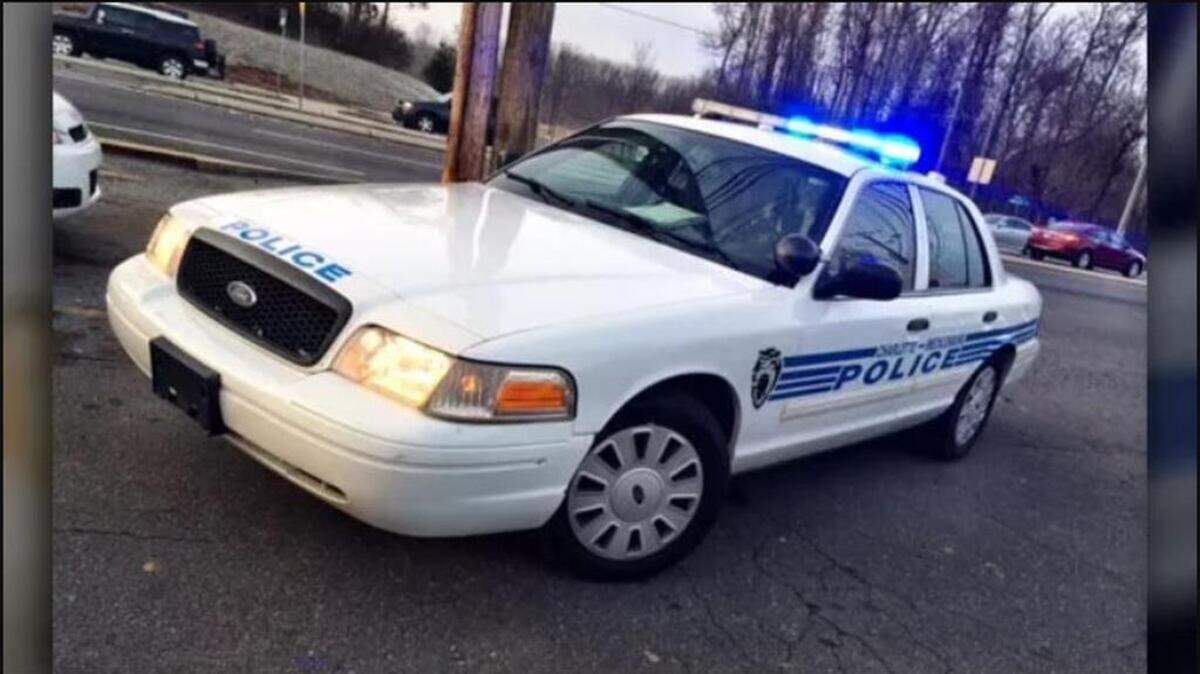
Charlotte property taxes could be going up for the first time in five years. What will residents get in return?
Most of the money would go to increasing the pay of police officers. Police Chief Kerr Putney has said he struggles to fill vacant positions and is losing officers, who are leaving for other careers and other police departments. In addition, City Manager Marcus Jones proposed Monday that the city seek a $50 million housing bond this year, instead of the $15 million bond that the city usually asks voters to approve.
There also would be more money to build sidewalks and crosswalks.
The proposed property tax increase would increase the city property tax rate by one penny, to 48.84 cents for every $100 of taxable property. That means the owner of a house with an assessed value of $250,000 would pay $25 more a year.
If approved by City Council, the tax increase would bring in just under $10 million a year.
The bigger impact for many homeowners would come from an increase in their water bills and stormwater fees. The average homeowner would pay about $23 more a year on the water bill, and $9 a year in stormwater fees.
Mecklenburg County hasn't released its budget yet. City residents pay city taxes and county taxes, which fund schools.
In the past six months, the city's budget discussion has been dominated by the need to build more affordable housing and give police officers higher pay.
With rents increasing, people have pleaded with City Council members for more low-income housing. The city's Housing Trust Fund is out of money, however, and the usual $15 million it receives every two years isn't considered enough to make a significant dent in the city's deficit of housing, especially for people making between $10 and $15 an hour.
Mayor Vi Lyles earlier this year asked for a $50 million bond this November. Jones said the property tax increase gives him enough money for a $50 million bond in 2018 and a $25 million bond in 2020.
The other issue has been police officer pay. The city said about 10 percent of its positions are unfilled, and Jones said he and his staff looked at ways to improve pay and working conditions for officers at times in their career when they are leaving.
"We have an issue attracting and retaining police officers," Jones said.
The Fraternal Order of Police had asked the city for an across-the-board 15 percent pay raise. Jones has proposed an average 6.5 percent pay increase.
The starting salary today for an officer is just under $43,000. That would increase to $46,350. Jones said that would make Charlotte the highest starting pay for any large N.C. city. If an officer has a four-year degree, the starting salary would be just under $51,000.
In addition to getting annual cost-of-living raises, police officers increase their pay by moving up a pay ladder of what's known as "steps." Jones wants to eliminate the first step, meaning officers would make more in their first year. He also wants to give officers more money in the middle and at the end of their careers.
Jones also wants to start allowing officers to take their police cars home, so long as they live in the city. Today only officers in specialized units such as SWAT have take-home cars.
"I would love for my officers to live in the city," Jones said. He said it would be a form of community policing, as neighbors would see a greater police presence 24-7.
The budget would also spend $800,000 to hire six mental health clinicians, who can work with officers who respond to calls from people with mental health issues.
Overall, the police budget would increase by about 4.4 percent, or $11.5 million.
Council members have approved a plan known as "Vision Zero," which aims to have no people killed in the city from traffic accidents. That includes people walking, biking and driving.
Earlier this year, Jones said he didn't want to bring back red-light cameras, which were used in the city from 1998 to 2006. Some council members and Lyles had said the cameras could help slow cars and save lives.
In his proposed budget, Jones said he wants to give the Charlotte Department of Transportation significantly more money to build sidewalks and crosswalks, from $15 million every two years to $30 million.
"Everything will be action, action, action," Jones said.
The budget would give non-public safety employees a 3 percent raise. That includes all salaried and hourly employees. The city also said health insurance premiums will not increase in the upcoming fiscal year, which begins in July.
The budget also calls for all employees to be able to buy an annual pass for Charlotte Area Transit System buses and trains for $33 a year. That usually costs $1,400 a year.
Council members may still tweak the budget. They are scheduled to take a final vote June 11.
Larken Egleston, a Democrat, said he wants to know more about roughly $14 million in cuts Jones has proposed for various departments.
"I need to see that," he said. "What are we losing?"
Steve Harrison: 704-358-5160, @Sharrison_Obs
This story was originally published May 7, 2018 at 5:55 PM with the headline "Charlotte city manager asks for property tax increase. What will you get in return?."