
Vi Lyles keeps a campaign promise -- but questions remain
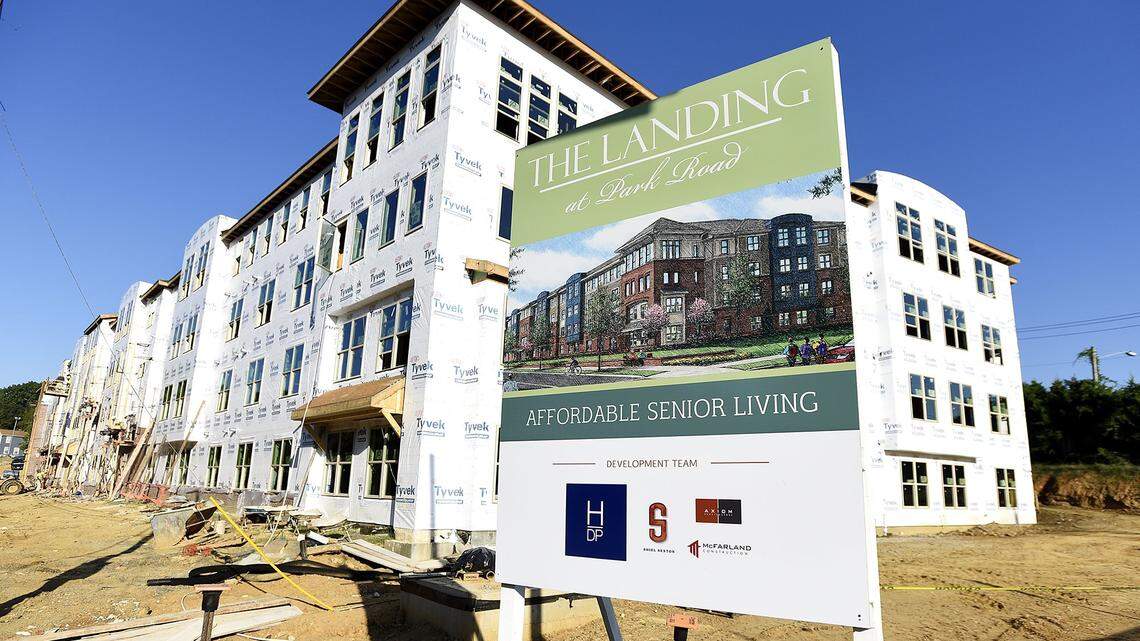
When Vi Lyles filed to run for Charlotte mayor on July 11, 2017, the very first issue she mentioned as a priority was affordable housing. Helping create affordable homes for low-income residents remained a key theme throughout her campaign.
So give credit where it’s due: a politician keeping her word after taking office. Lyles announced last week that she wants to put a $50 million affordable housing bond on the November ballot, more than tripling the amount of money that typically goes into the city’s Housing Trust Fund.
It’s a bold move and a sign that Lyles, and perhaps the city, are serious about doing more than talk about Charlotte’s affordable housing crisis. The city and county issued their 10-year plan to end homelessness almost 12 years ago, yet here we are with tens of thousands of residents either homeless or spending far-too-large portions of their income on basic housing. Despite a number of people and organizations doing vital work, an intense problem persists. A bigger investment from the city would help.
Lyles’s proposal, though, is only a beginning, and a number of questions surround it. Would a $50 million bond require a tax hike? Lyles and the city haven’t said, even though the idea is not a new one. Voters very well might want to pass the bond either way, but it’s an important unanswered question.
The other big question is how the money would be spent, and whether Lyles and the City Council would commit to spending it in the most effective way. Last fall, the council voted to spend $20 million from the Housing Trust Fund on hundreds of “affordable” units. The problem was to whom they were affordable. Almost all of it was targeted to those making more than 50 percent of the area median income, or AMI. While those people certainly aren’t rich, their housing needs aren’t as dire as those making less.
Outside consultants have shown the city that the biggest housing shortage is for those making 30 percent or less of AMI, or about $15,000 to $20,000 a year. There is a shortage of some 20,000 units for those people, the consultants said.
Last week, Lyles wouldn’t commit to investing in any certain tenant income level. “It’s most needed at every spectrum. I’m not going to parse out need,” she said.
It is, in fact, more desperately needed at the lower end of the spectrum. We understand why Lyles and the council are reluctant to go there – larger per-unit subsidies are needed to make the math work for the developers. But ignoring the problem and continuing to plow 90 percent or more of Housing Trust Fund money into higher-income housing won’t make the biggest need go away.
A trust fund boost would be just one tool in any case. City leaders must also consider other strategies, such as donating public land for low-income homes, working to prevent evictions and better using the stock of existing apartment buildings.
There are a lot of details voters will want to better understand before November. But kudos to Lyles for getting the city off to a strong start on an important conversation.
This story was originally published April 13, 2018 at 5:29 PM with the headline "Vi Lyles keeps a campaign promise -- but questions remain."