Powder rooms were created during 1918 flu. Will COVID-19 also change how we live?
Rewind the clock about 100 years and you’d see closed schools, masked people and a lot of hand washing. Sound familiar? The 1918 flu pandemic was responsible for millions of deaths around the world, but did you know it was also responsible for the advent of the modern day powder room?
Not accustomed to frequent handwashing, but quickly realizing the need to eradicate germs, people began installing small vanity rooms with sinks on the ground floor of their homes. These powder rooms gave homeowners, guests and delivery people a way to wash up upon entering the house.
White subway tile, pedestal sinks and built-in bathtubs, all of which made it easier to see and clean dirt, also gained popularity during this time and soon became the new norm in homebuilding. (Side note: if you’re currently in the market for a powder room redo, check out these 27 gorgeous powder rooms from Charlotte designers.)
So, which new rooms will COVID-19 inspire? Of course, only future history books will know for sure, but for now, we can speculate. Stephen Chung, who has a master’s in architectural design from Harvard, surmised that mudrooms will become a central focus in a recent Boston Magazine article.
“My brother is an ER doctor, and has a little portable sink attached to his garage. When he comes home, he washes his hands and puts his scrubs in a bin. So he has a makeshift decontamination zone before he goes into his house. If I were designing a house, I would think about an expanded mudroom where, (like my brother’s home) there are places for disposing clothes, taking off shoes and washing hands immediately.”
Is the open floor plan dead?
The demise of open concept floor plans — which offer little in the way of privacy — has been a common prediction among professionals. “This pandemic is hardly just an annoyance, but rather a significant lifestyle change. I predict the pendulum moving back to more traditional homes, with segmented rooms for multiple uses, including office suites, an exercise room and a separate en suite for multigenerational living,” Bret Parsons, founder of the architectural division at Compass, told Realtor Magazine.
Designers from Miami and New York also told Architectural Digest that we can “expect to see a shift back toward a more traditional floor plan style.” Architectural Digest added that perhaps the “concept may be refined with partitions to dedicate space for working/home office.” (Think pocket doors and moveable walls.)
Some of the speculation around how COVID-19 will impact home design revolves around smaller details like ample food storage space, dedicated Zoom rooms for video conferences and more touchless in-home technology to curb exposure to germs on surfaces, according to Fox Business Report.
Hype vs. Reality, Predictions vs. Practice
Before you start to panic about gutting and redesigning your house, CharlotteFive sat down with some local homebuilders and architects to sort through the hype versus the reality and find out what they are actually seeing in the Charlotte market. (Remember during the great toilet paper shortage of 2020, when all you’d hear about was bidets? We’ve yet to see a bidet at a friend’s house.)
Spoiler alert: Not a lot has changed. This is not to say we won’t eventually all be entering our homes through decontamination mudrooms, grabbing a snack from our supermarket-sized pantry and then heading into our soundproof Zoom room, but right now, Charlotte just isn’t seeing it.
“We really won’t know the impact of COVID-19 on home design for a few years,” said Toby Witte, owner and architect at Wittehaus. “Houses are being asked to be more practical and well designed, and we’re seeing some co-working space influence on the home — a small soundproof room where someone can talk in quiet and that doesn’t take up a lot of infrastructure, but I’m not being asked for anything drastically new or different from homebuyers.”
Don Duffy, owner and head architect at Don Duffy Architecture, said the only real shift he is seeing in the Charlotte market is the need for acoustical privacy. “There’s a new phrase I heard, ‘living at work,’ and that’s what people are trying to do,” Duffy said.
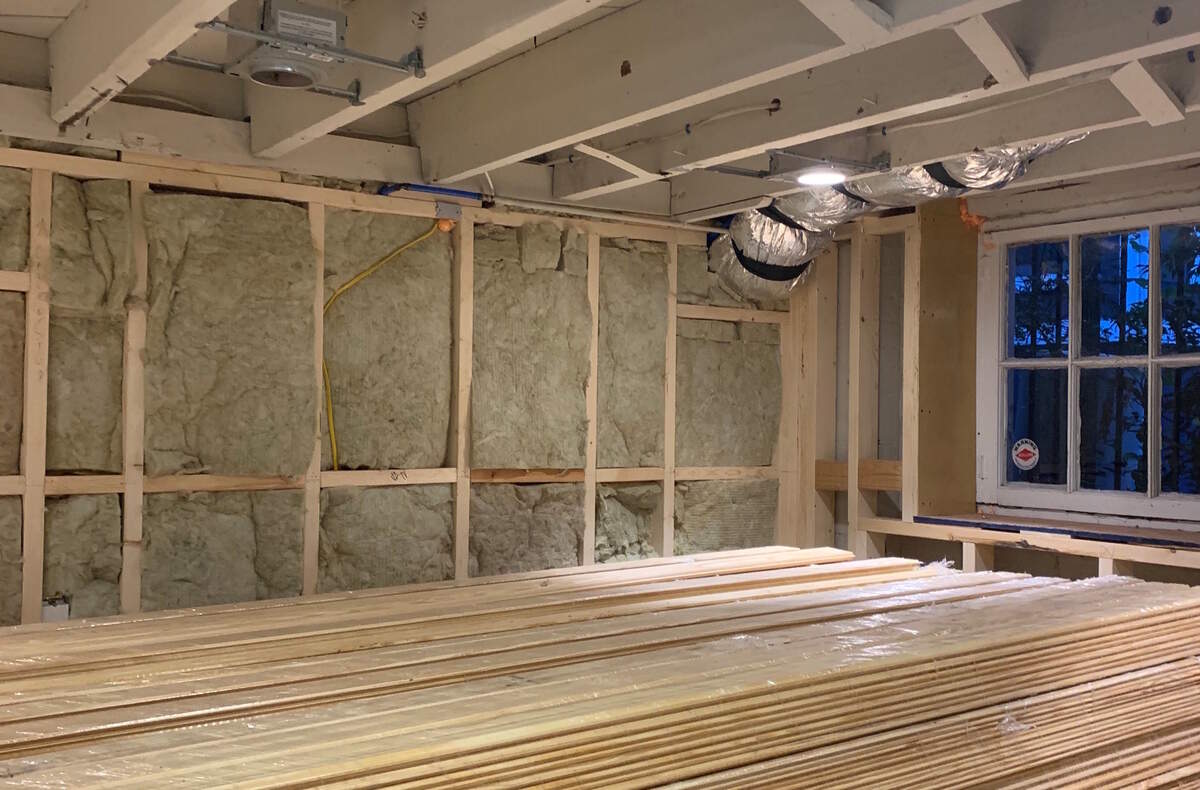
.jpg "Local architect Don Duffy said interior insulation can provide an inexpensive but effect way to create acoustical privacy. Courtesy of Don Duffy_(1).jpg")
One simple and relatively inexpensive way this can be done is insulating interior walls. “It’s really very economical to insulate interior walls — we’re talking hundreds of dollars — not thousands — and the impact is huge.” Duffy has a space currently under construction in his own home that will allow him and his wife a sound-proof area.
The time to redesign is now
For Bryan Gerrard, owner of Gerrard Builders, the biggest COVID-19 shift has been people pressing the “go” button on projects. “We aren’t seeing differences in anything specific people are asking to build, but we are as busy as ever,” Gerrard said. “People who were thinking that maybe they wanted to move were pushed past the brink during quarantine. Those who were kind of unhappy with their space before became really unhappy being home all the time and wanted to make a change.”
Bye bye, guest room
About 70% of interior and spatial designer Quintel Gwinn’s business is residential. The biggest shift she is seeing? A focus on reclaiming “wasted space.”
“I have clients who are transforming their guest room into a playroom for their children right now. I mean, who needs a guest room during a pandemic?” Gwinn said. “People are reclaiming areas of their home that they paid for and invested in but they rarely ever use. Traditionally named spaces like formal dining rooms, formal living rooms, guest rooms. Clients are saying, let’s throw some doors on this and make it an office — something we’ll actually use.”
Perhaps the most common sentiment shared by Charlotte experts was the huge uptick in demand for pools and second homes.
“I have had more requests for pools in the last six months than I have in the previous 10 years,” said Garrett Nelson, an architect and owner of Garrett P. Nelson studio.
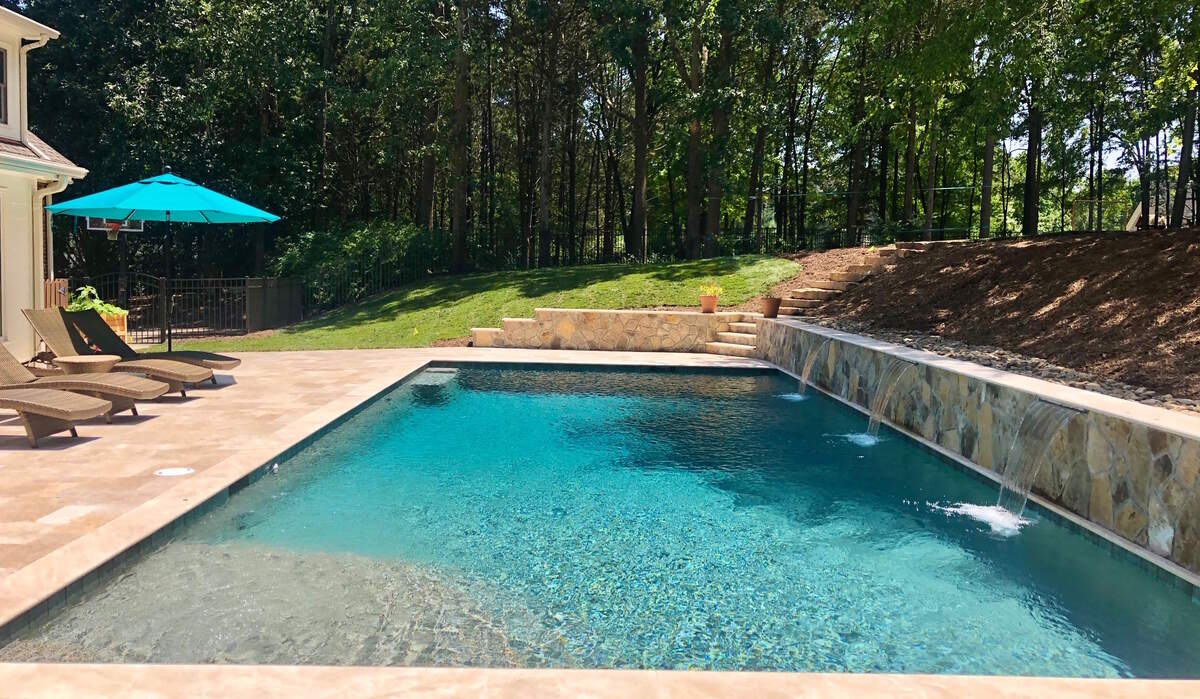
Emails and phone calls to local pool companies regarding demand were not returned — perhaps indicative of just how busy they are. Poolscapes of Charlotte has a note that pops up immediately on its website reading: “Due to extremely high demand, we are currently booking new pool installations starting March 2021.”
Similarly, Aloha Pools notes on its site that the industry is experiencing an overload of demand and the company has limited availability for onsite appointments and building opportunities.
Many Charlotteans are choosing to purchase beach or mountain getaways rather than renovating their primary residence, causing the second home market to skyrocket.
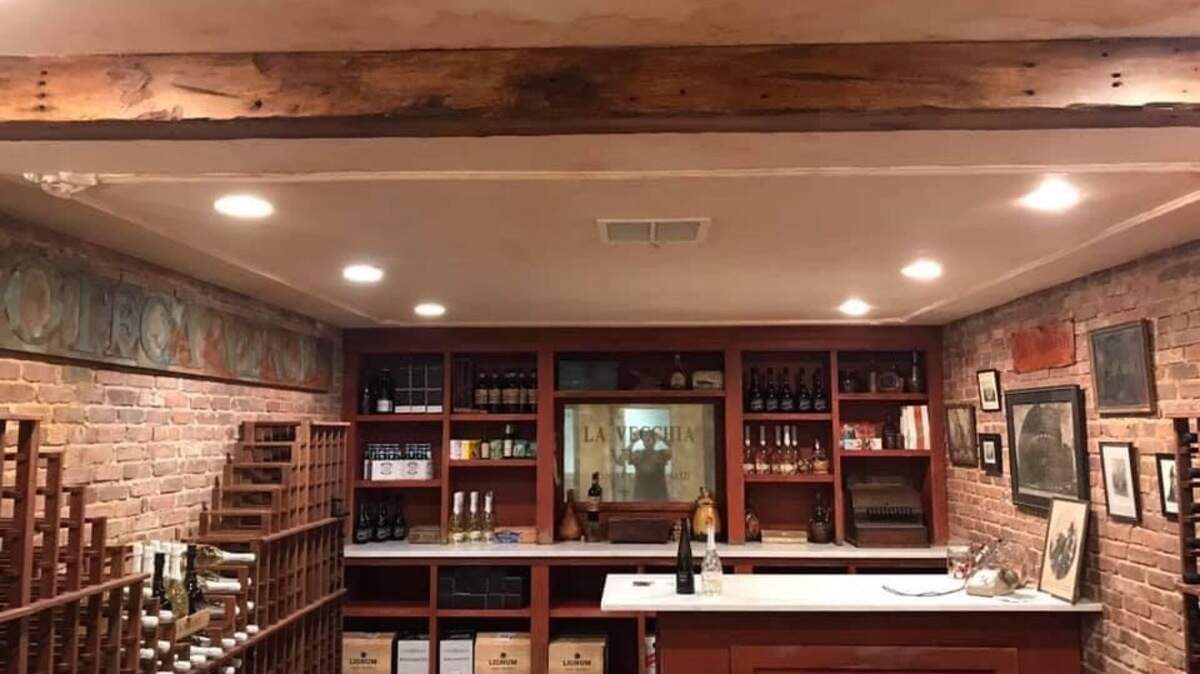
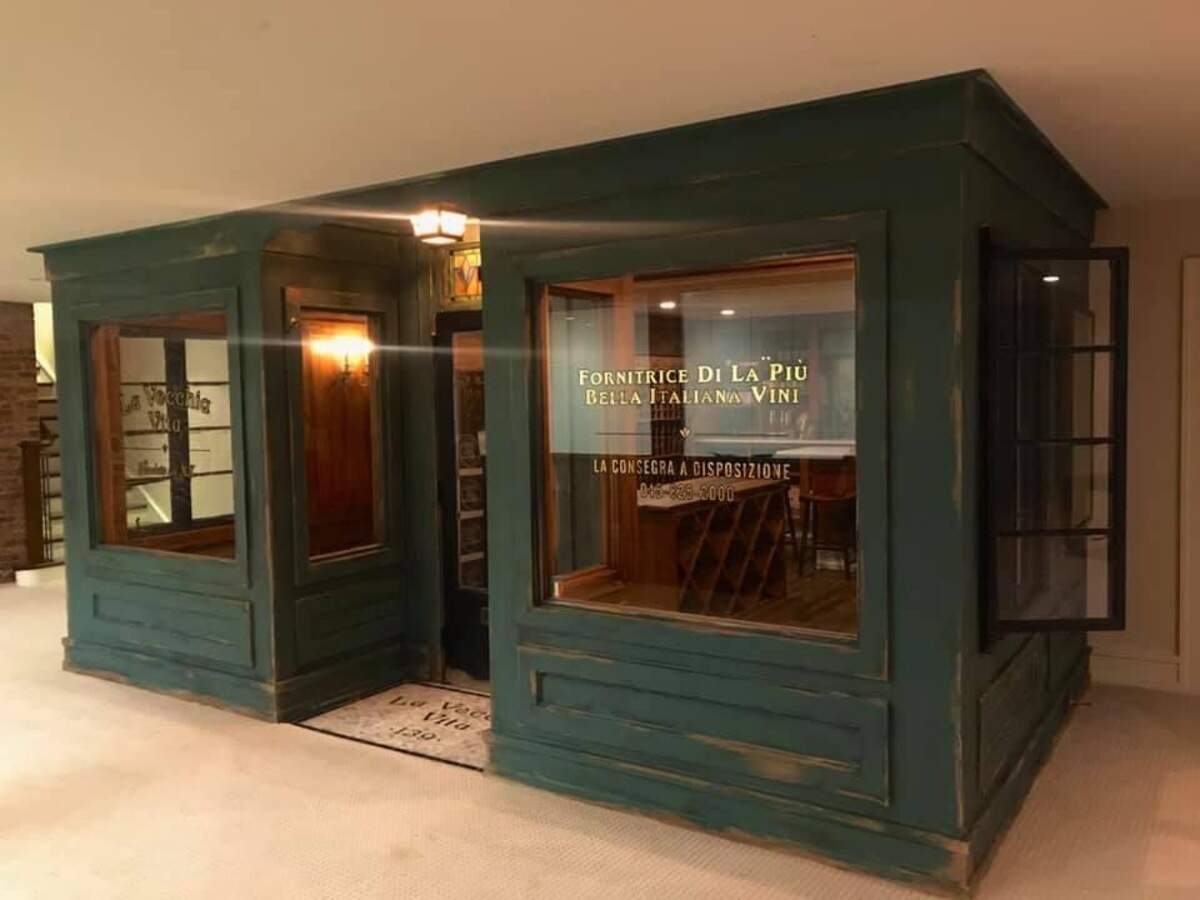
Time will tell how we adjust our homes to meet changing needs. For the record, we’d like to put in a vote for in-home wine bars — like this absolute beauty by Abrect Design — to become the new norm.
Have you decided to move forward with any big home projects during COVID-19? Email us details and photos (charlottefive@charlottefive.com) and tell us what made you decide to go for it now, and we may include your home in future coverage.
This story was originally published October 28, 2020 at 9:32 AM.