A beloved 1917 Charlotte bungalow is up for recognition. Here are 8 reasons why it matters.
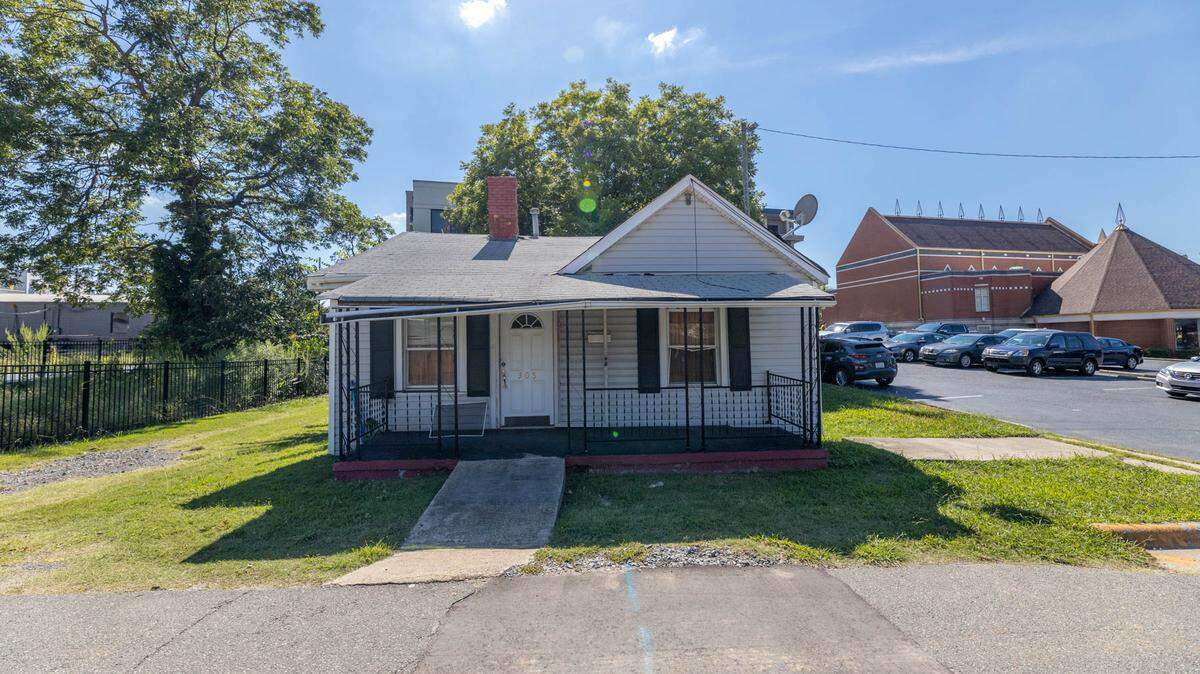
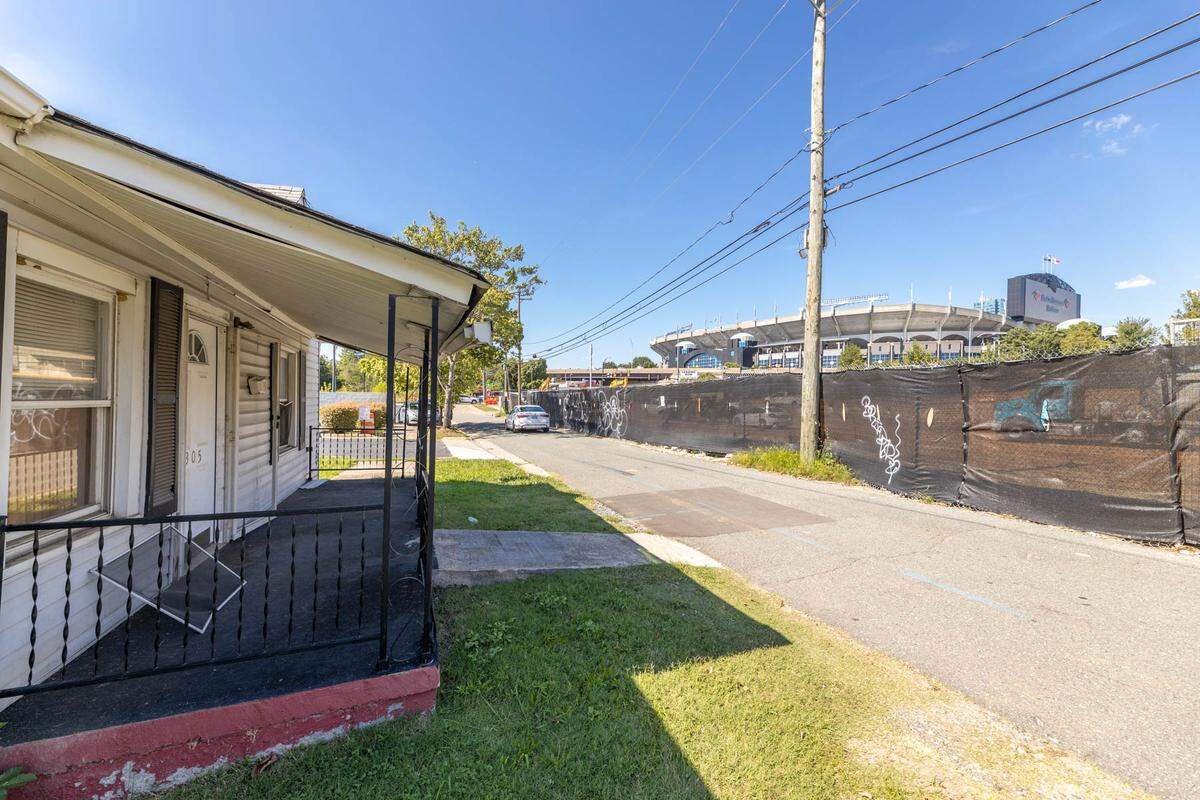
Long before skyscrapers dotted Charlotte’s skyline, a little bungalow was built at 305 Dunbar St. along the upper edge of South End at Third Ward. It was one of several simple frame houses constructed in the early 1900s in what was at the time a predominantly Black community.
Today, the house that became known as Franks Third Ward Bungalow is one of only two houses that remain on the street from that era. And because it’s the most architecturally sound representative of the early 20th century Black neighborhood, which has since dissolved in the onslaught of urban renewal, the city’s Landmarks Commission has proposed it for a historical landmark designation.
“Designation as a local landmark is a recognition by City Council of a place that’s important to Charlotte’s history,” said Jack Thomson, executive director of the Charlotte Mecklenburg Historic Landmarks Commission. “It protects the property from inappropriate alterations and provides historical research to tell the story of a place and the people associated with it.”
Charlottean Everett Taylor Sr., 91, remembers the Franks family well. He grew up just down the road at 219 W. Dunbar St., long before the street was paved or houses had electricity.
“It feels good to know that the home will be considered historical, because, well, it is,” Taylor said. “To still have a home that was around nearly 100 years ago is important. I can still vividly picture the home, and my own, in my mind today.”
The Charlotte City Council is expected to vote on the landmark designation at its Oct. 10 meeting. In the meantime, we’ve scoured the entire 32-page commission report to share these highlights with you.
Eight historical facts about Franks Bungalow
The wood frame home was built in 1917 and later purchased in 1949 by Arthur and Bessie Franks with an initial down payment of $100. The bungalow stayed in the Franks family for more than 50 years and became a “bustling place with many visitors” each Sunday after church.
It was one of many “shotgun” houses that were cheap to construct and narrow so several could be built closely together. Most were shoddily built and lacked basic amenities such as a bathroom or running water, however the Franks house did have a bathroom.
In the late 1940s, the city began to rezone residential areas in downtown, identifying much of Third Ward as having substandard housing. However, the 200-300 block of Dunbar Street was considered salvageable, and it was chosen to be a test site for unpaved street improvements.
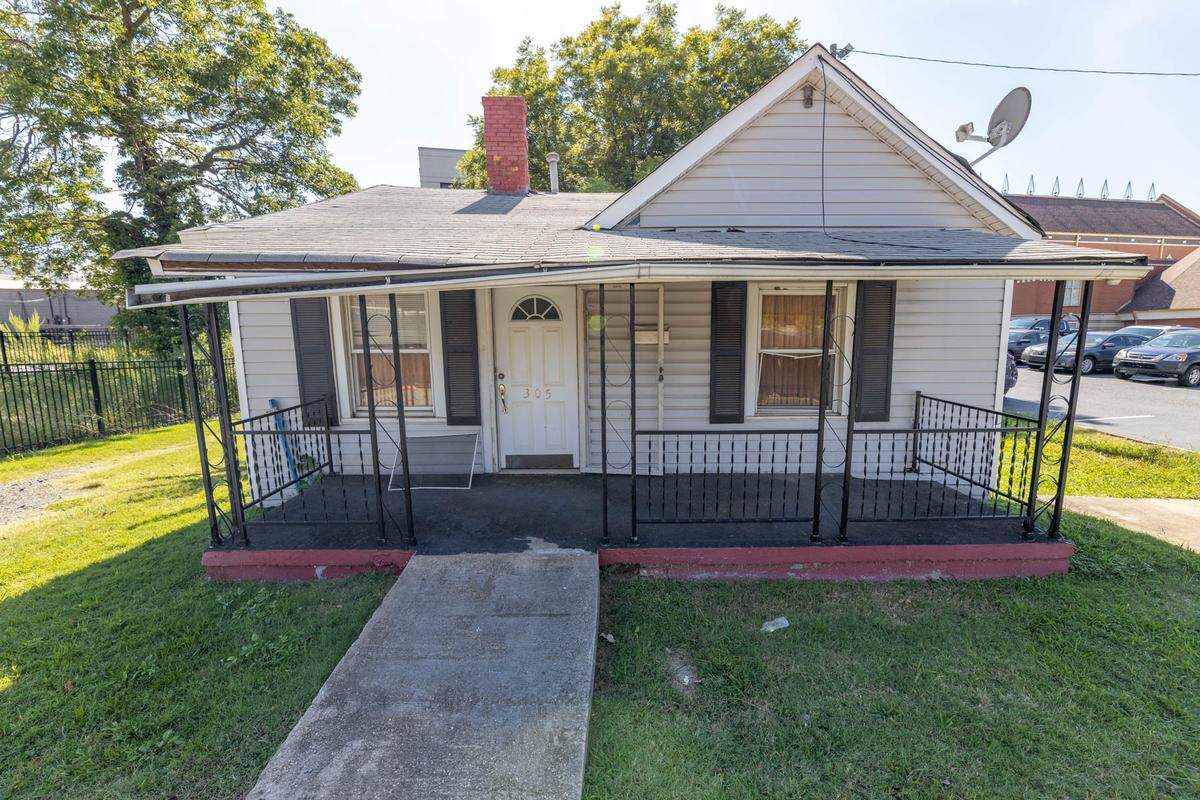
In the early years, most of the homes on Dunbar Street and in Third Ward were owned by white landlords with Black tenants. But by the mid 1960s, it was determined that all the homes in the 200-300 block of Dunbar were owner-occupied residents, albeit in need of serious repairs. (A report found unsound porches, broken steps, rotted eaves, sagging roofs and other deficiencies)
The Franks were one of few families that had already started on home improvements. They added an electric range in 1955 and a water heater in 1957.
By 1965, 84 Third Ward bungalows were demolished, including many on Dunbar Street. That set off a wave of families leaving the area.
The 1980s brought John Belk Freeway, effectively cutting off Dunbar Street from the rest of Third Ward. Just like that, Third Ward transitioned from a residential neighborhood to a commercial area.
Arthur Franks died in 1975, and his wife, Bessie, followed about a decade later. Their children inherited the property, and in 1994 daughter Jessie bought out her sibling’s shares. She updated the home, adding central heat, and often rented out the yard for Carolina Panthers gameday parking. Jessie sold the property in 2017 to a company with an office building behind the house.