The Skillet: How Black Cuisine Became America’s Supper
READ MORE
The Skillet: How Black Cuisine Became America’s Supper
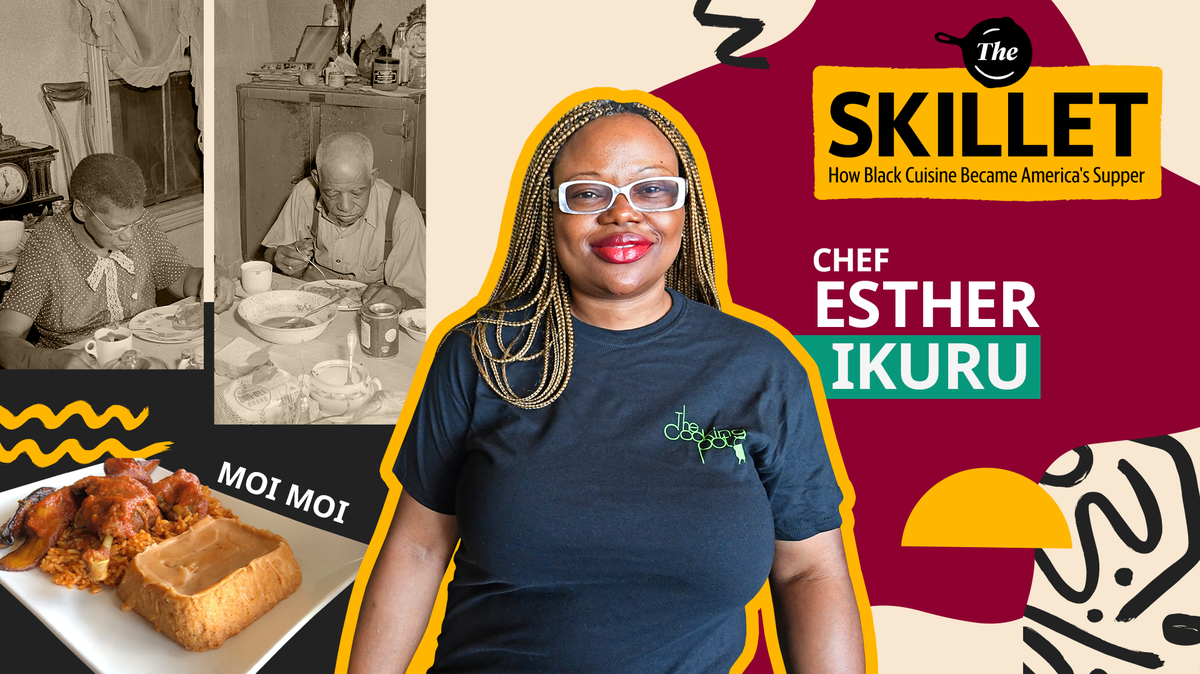
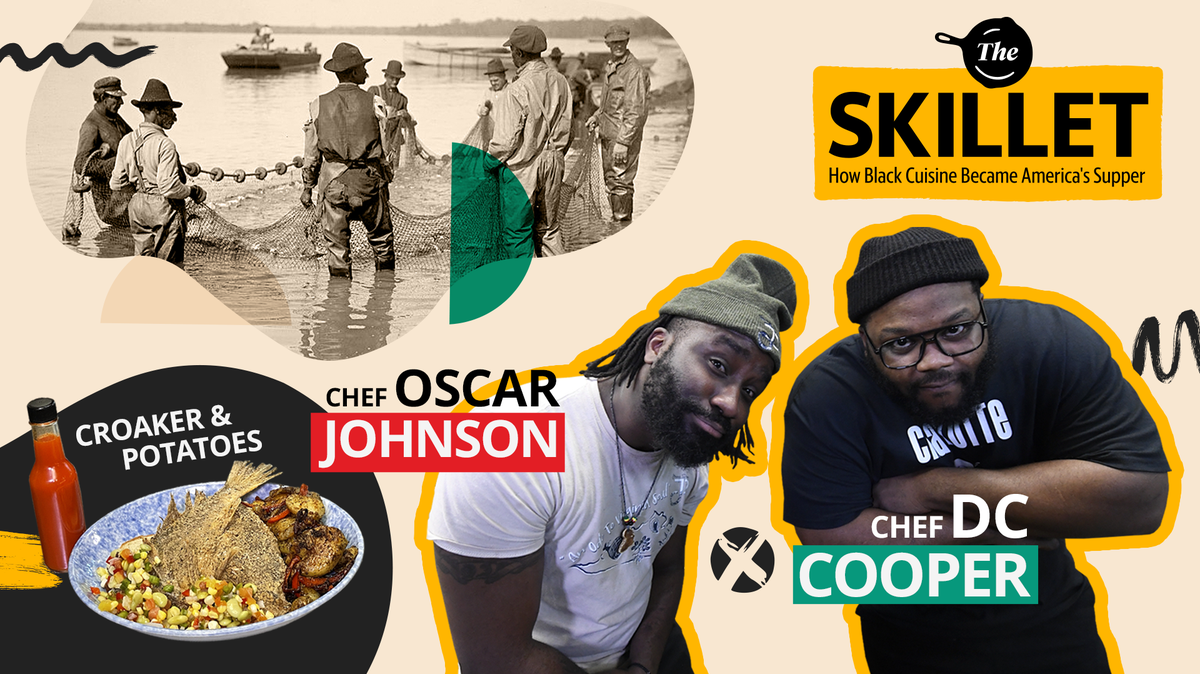
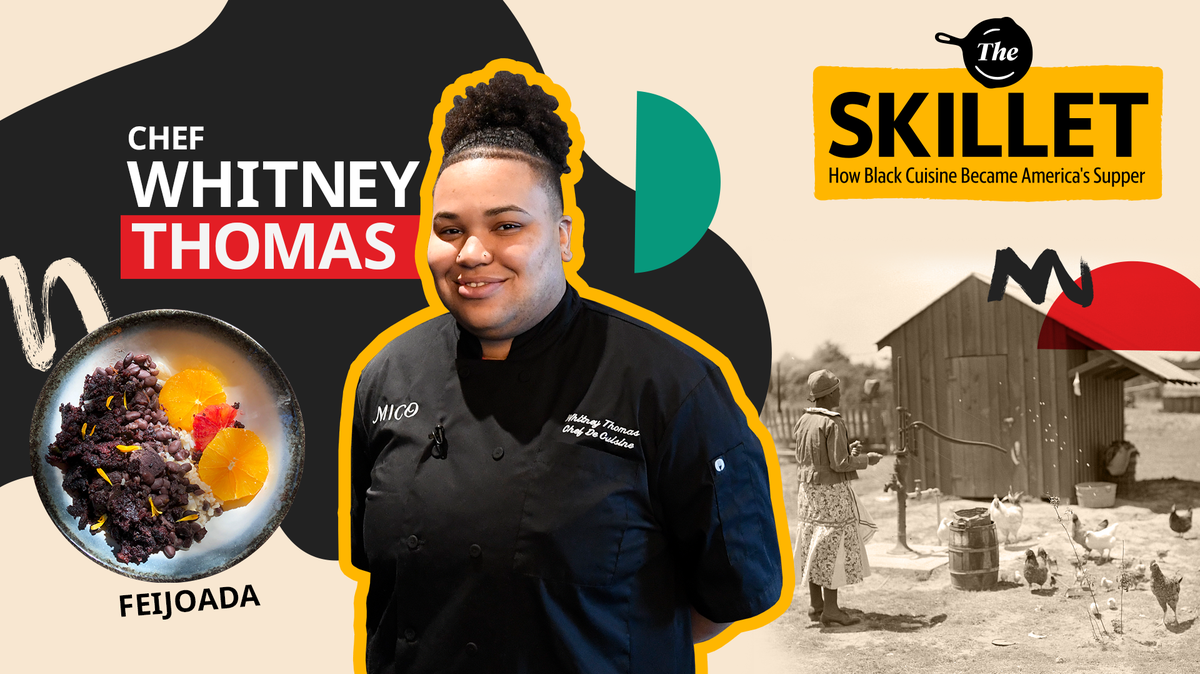
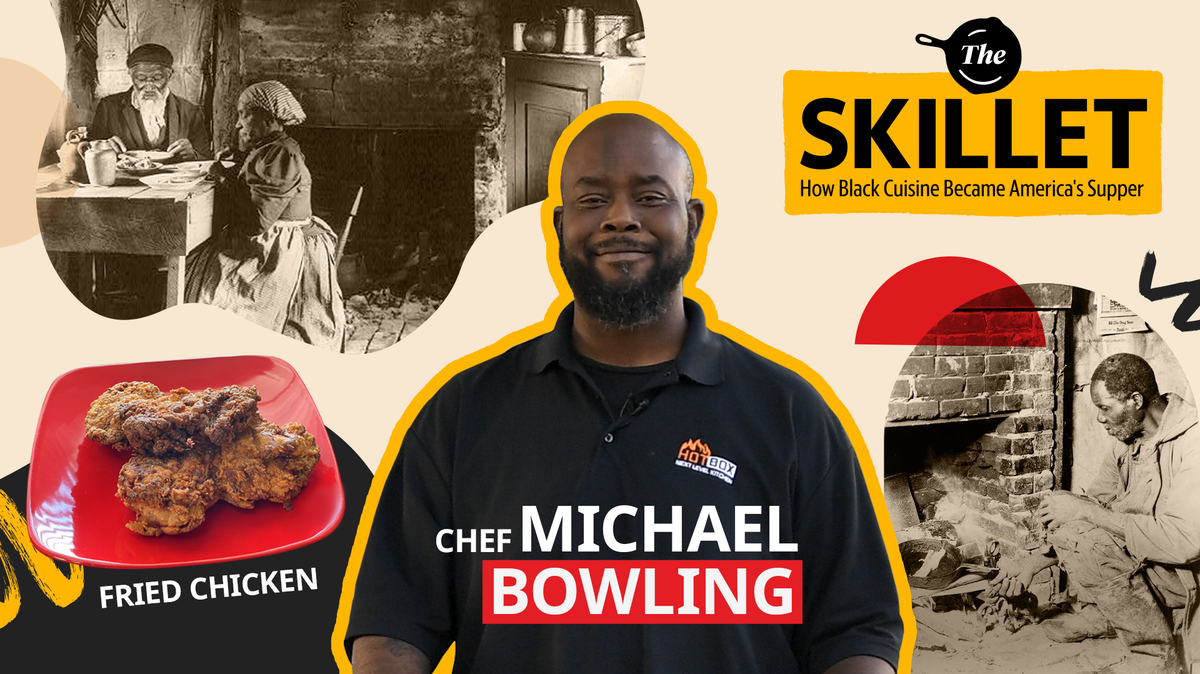
For the past six months, we have been interviewing North Carolina-based chefs, who generously shared their expertise in making recipes from Nigeria, the American South, Brazil, and Puerto Rico for a one-of-a-kind journey into how our plates came to look the way they do. Explore food of the African diaspora here:
Expand All
I’ve never been a great cook. Sure, I’ve mastered a few dishes: cabbage, tomato pie, a family stew that has seemingly all the animals in the ark. I’m passable. But food is so much more than what we put in our bellies.
It’s a portal that allows us to experience the past, present and future in a visceral way, with subtle messages about cultural sanctions and taboos transmitted with every stir. The foods of the African diaspora are especially so.
As a first-generation immigrant, born in Nigeria to an African-American, Southern woman, this connection has been ever-present. When W.E.B. DuBois wrote about double consciousness, he could have been talking about me. I saw the patterns of culture ripple continuously in beautiful and affirming ways. In Alabama, we crumbled cornbread over collard greens and ate them by hand in the exact same manner we ate fufu and stew by hand in the village. Zobo found an echo in red Kool-Aid with pineapple juice.
Of course, there are departures and substitutions as the availability of certain plants and spices differed, and the generations of women who transmitted this knowledge put their collective stamps on these foodways. But given the horrors of the Trans-Atlantic Slave Trade, the integrity of these flavors and techniques that show up from Brazil to Memphis is incredible. The face of the mother is reflected in the child; the lineage is clearly visible.
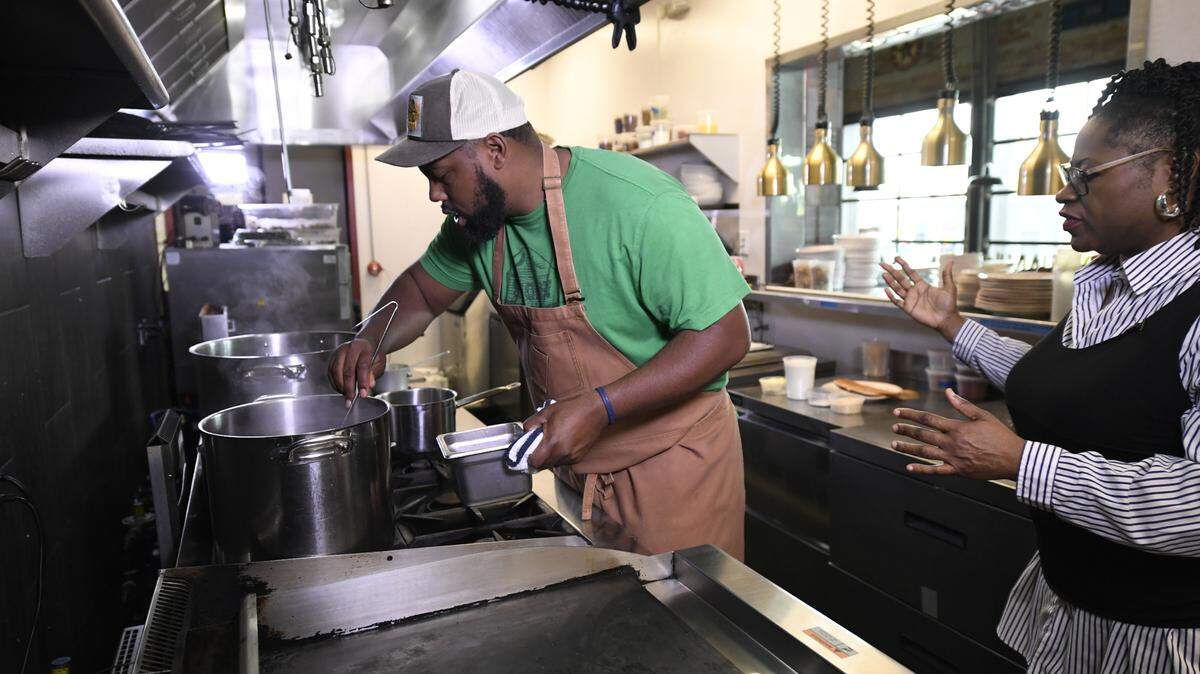
This is the purpose of The Skillet; to clearly draw those connections between African cuisine and these everyday dishes of the diaspora. For the past six months, I have been interviewing Charlotte-based chefs, who generously shared their expertise in making recipes from Nigeria, the American South, Brazil and Puerto Rico for a one-of-a-kind journey into how our plates came to look the way they do. Hope you’re hungry!

Tell us what you think.
We'd love your thoughts on our food series, highlighting connections between foods of the African diaspora and Southern cuisine. Please let us know using our Google Form.
This story was originally published May 23, 2021 at 5:22 PM.
.jpg)