Why Charlotte’s East Side is known as the ‘Salad Bowl Community’
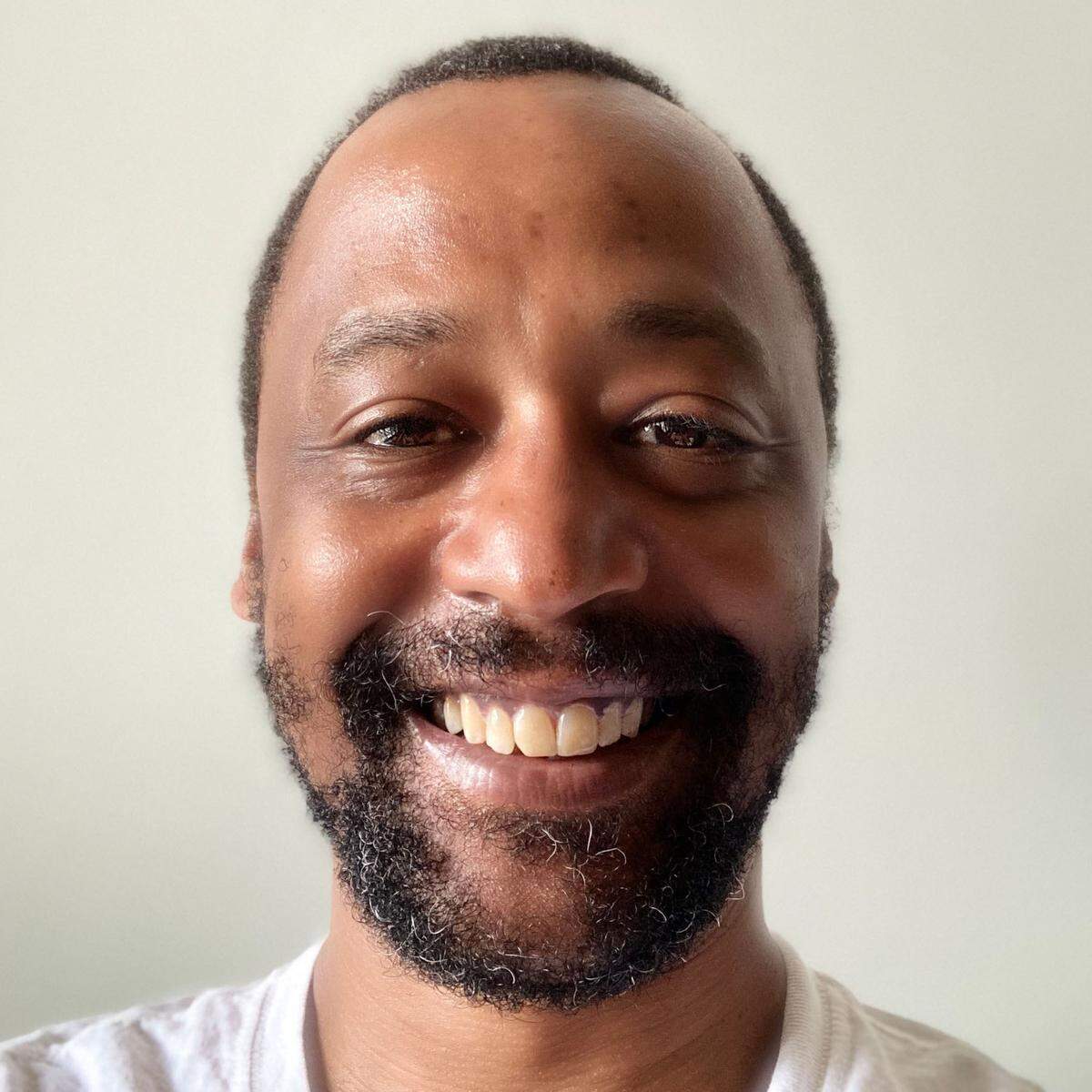
“People don’t need to go to New York, Los Angeles or Miami to see diversity, to see minorities or the unity between communities. They just need to come to Central Avenue,” said Manuel “Manolo” Betancur, better known as Manolo of Manolo’s Bakery.
On Central Avenue, a mile away from a vast vacant lot where the magnetic Eastland Mall used to stand in East Charlotte, Manolo’s Bakery has become a chief ingredient to the local “salad bowl” community. It’s a term that late U.S. historian Carl Degler coined to more accurately describe America — as opposed to a “melting pot.”
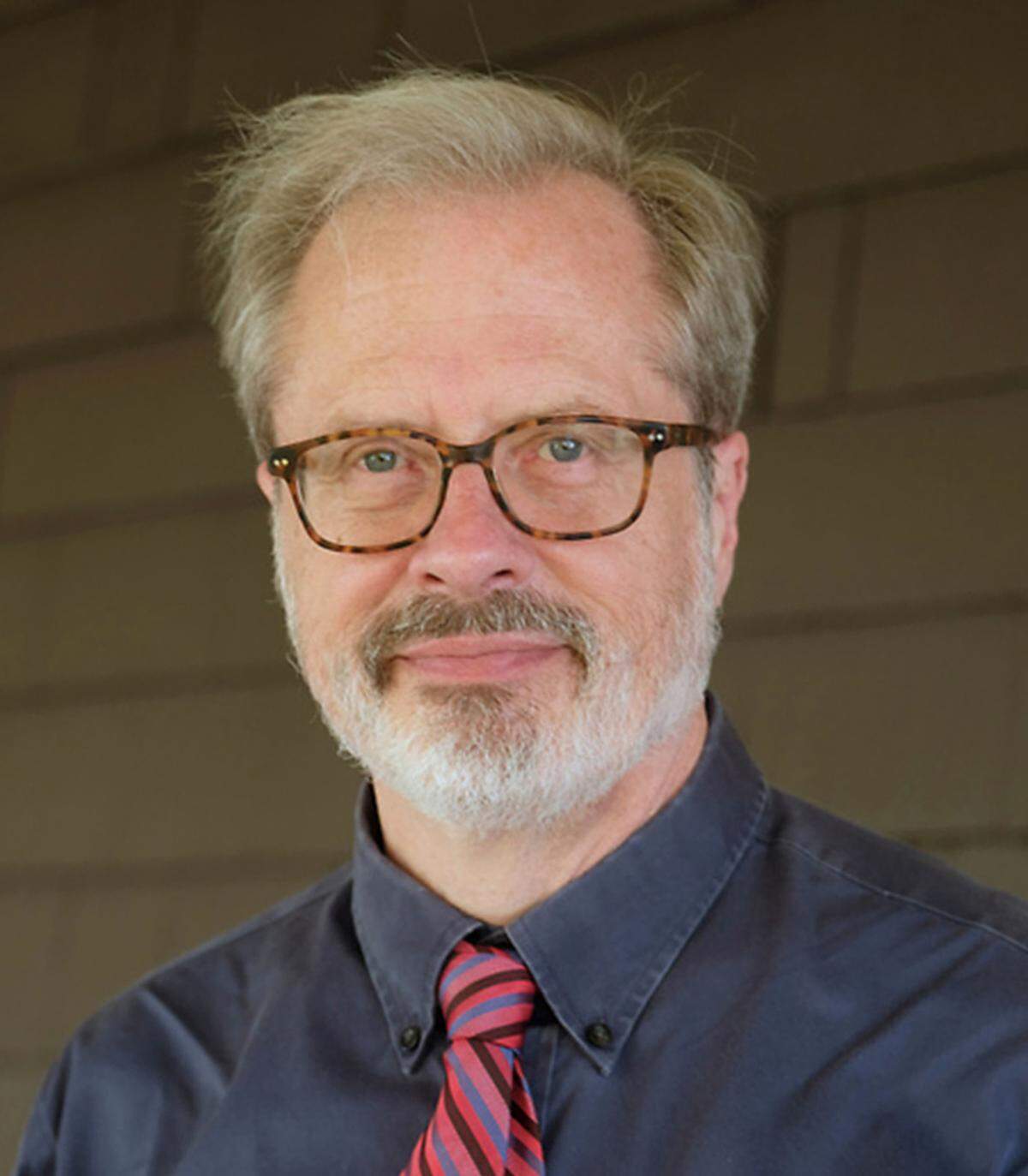
“The salad bowl idea is not any one particular place in the East Side, but it’s a realization that most parts of East Charlotte are surprisingly diverse. You can really see it on Central Avenue because we have all of these old business spaces where the rent was affordable 20 years ago, when immigrants started coming in large numbers,” Charlotte historian Tom Hanchett told CharlotteFive. He’s the author of “Sorting Out the New South City,” and he has written about food for The Charlotte Observer.
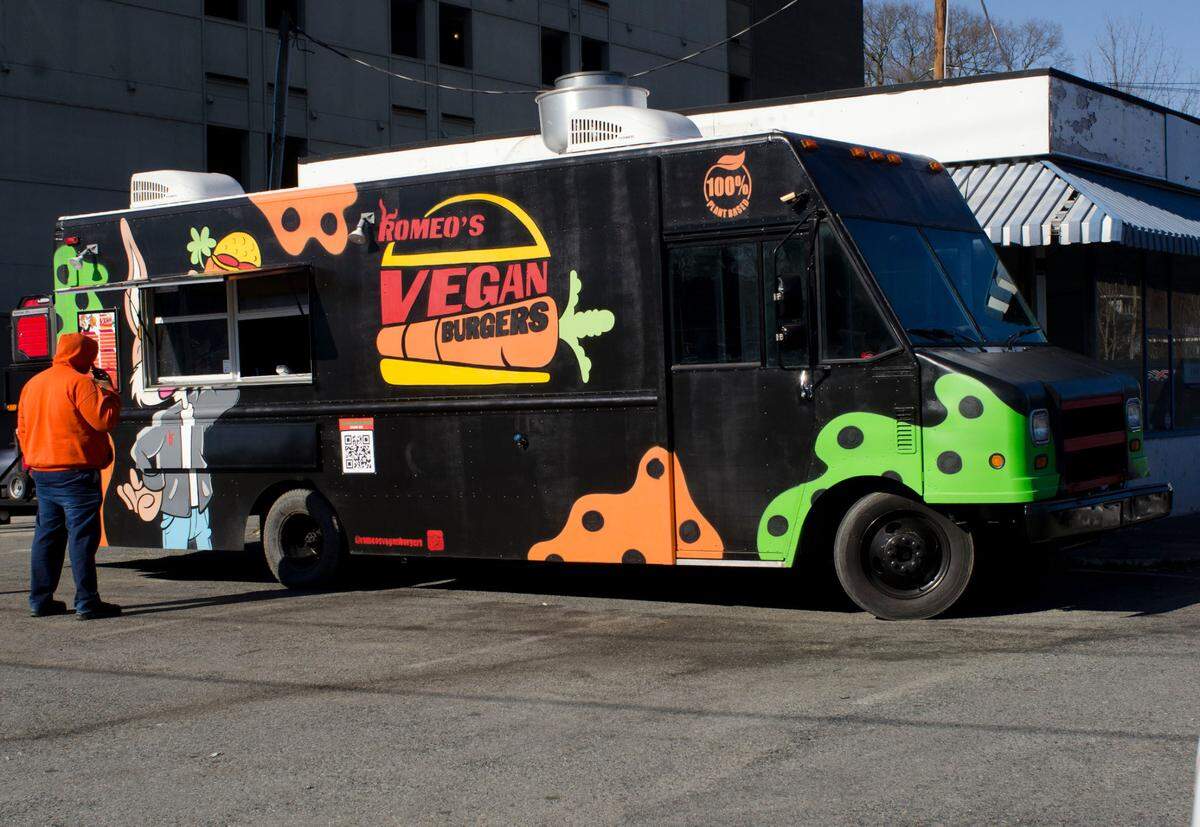
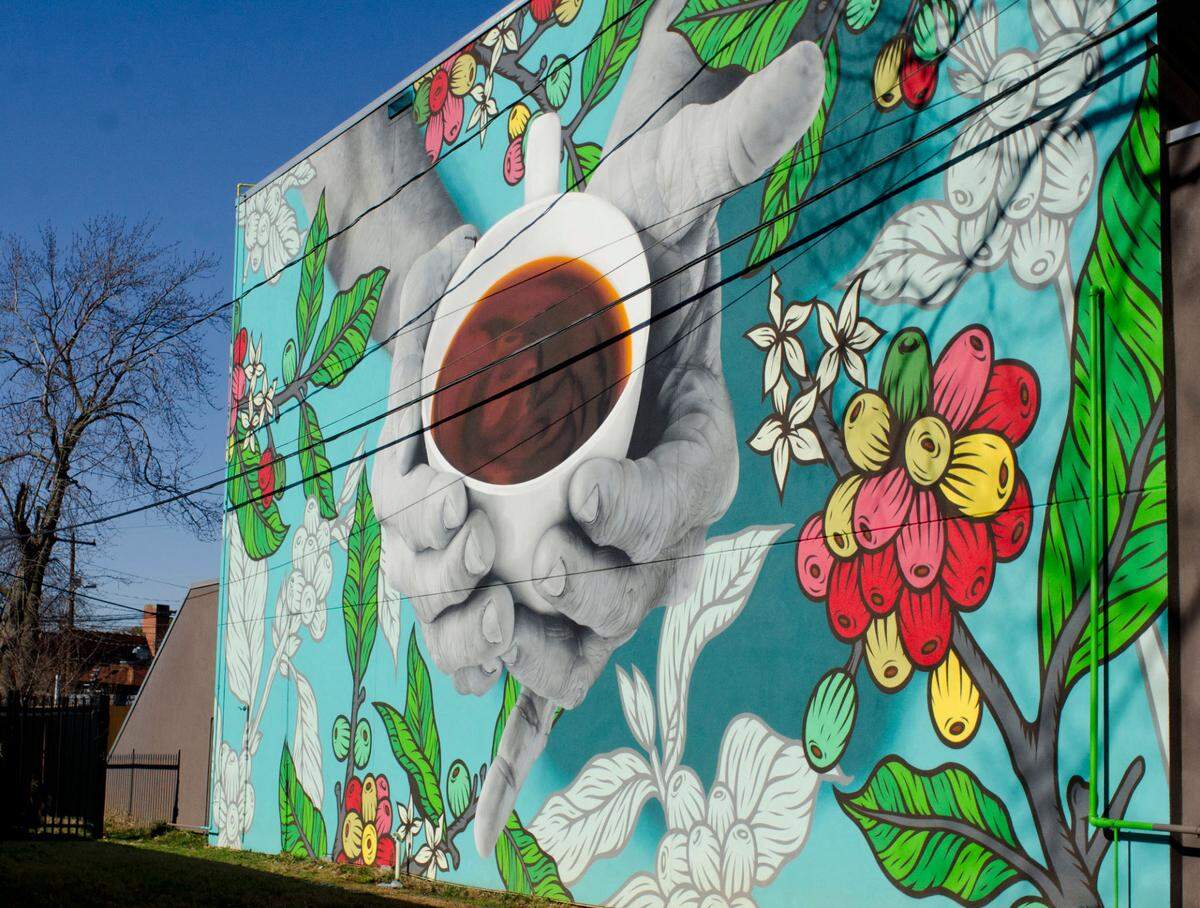
Hanchett, as an East Side resident himself, is a sort of ambassador to that area of the city, a place where you can get your southern barbecue, Spanish conchas, vegan burgers and Ethiopian samosas. There are breweries, murals and record stores. In Charlotte, there’s no side like the East side.
“It’s the largest diverse area that we have in the city,” Maxine Eaves said. She’s a Charlottean and a founding member of Charlotte Community Partners, a late 90s grassroots organization that was dedicated to saving Eastland Mall.
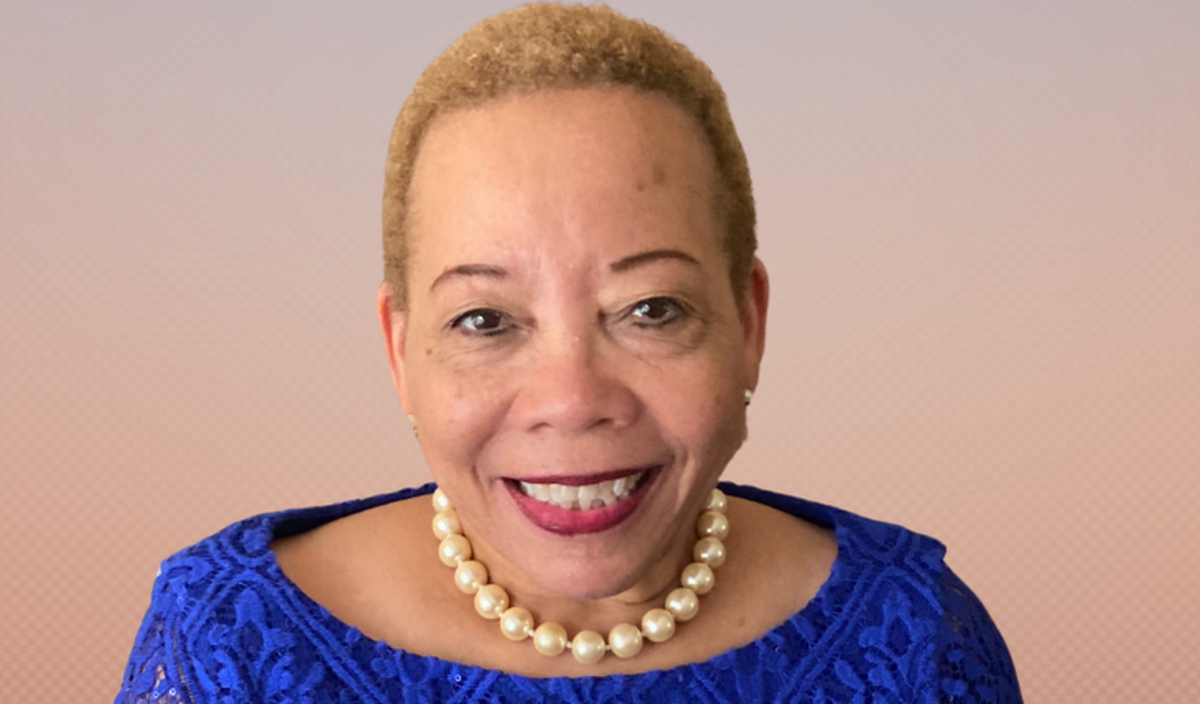
When Eaves and her husband and two kids moved into their Eastway home in the late 70s, it was mostly farmland.
When it opened in 1975, Central Avenue’s Eastland Mall was a first of its kind. No longer was a mall just about shopping. Eastland was the spot to kick it, to meet your friends, go on a date, or buy that new Outkast record. As one of the first malls to have a food court, the opening of Eastland was an earth-shattering event.
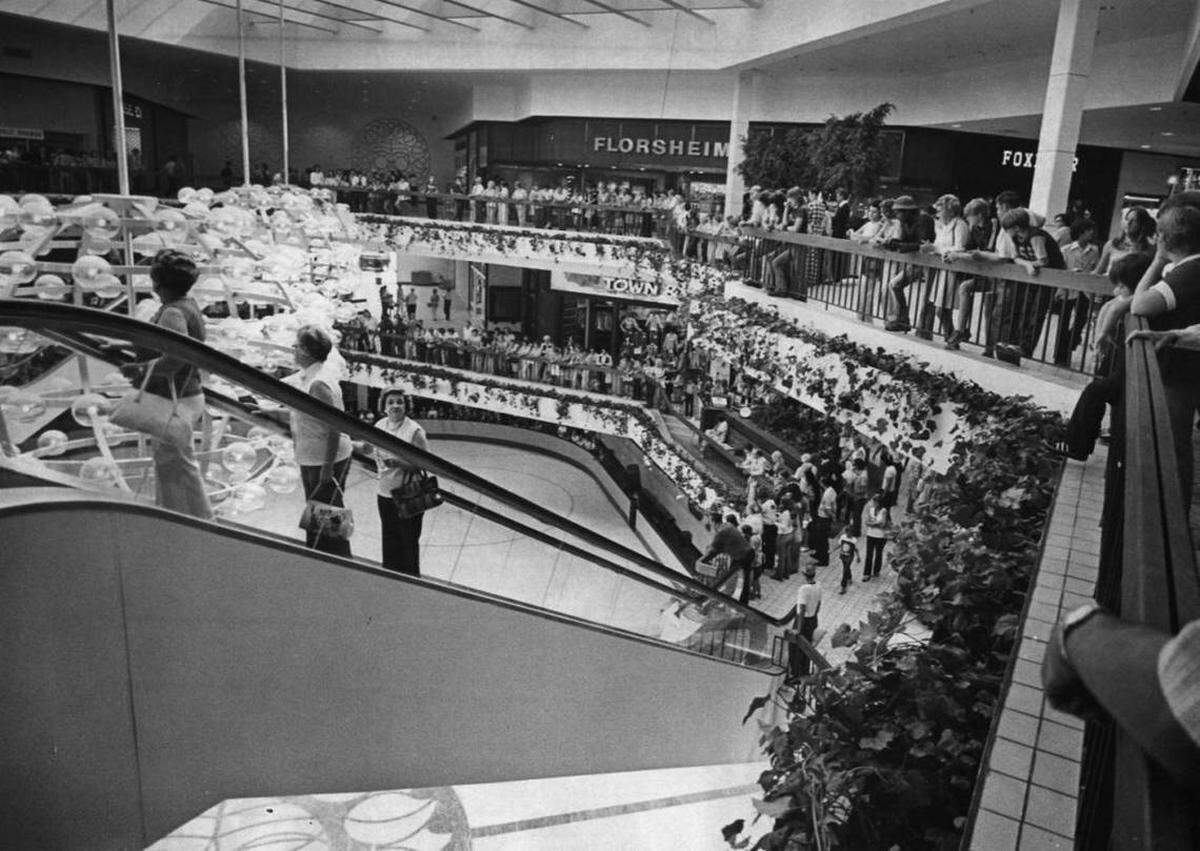
It was the maker of memories. With its gleaming ice-skating rink, movie theaters and sprawling retail space, Eastland was the thumping heart of East Charlotte. Its beat rivaled the upscale SouthPark Mall because Eastland was for everybody, which, according to Hanchett, pumped the blood out of the local mom-and-pop stores that locals used to depend on.
“When the shopping malls hit, it took the life out of Central Avenue. By the time I came here in 1980, a lot of the [small business] stores here were vacant,” he said. In 1997, an Eastland tenant sued the mall’s ownership over a decline in sales, claiming it was the result of the mall’s rising crime. The mall closed in 2010, leaving a void that Charlotte’s newly arriving immigrants would proudly fill.
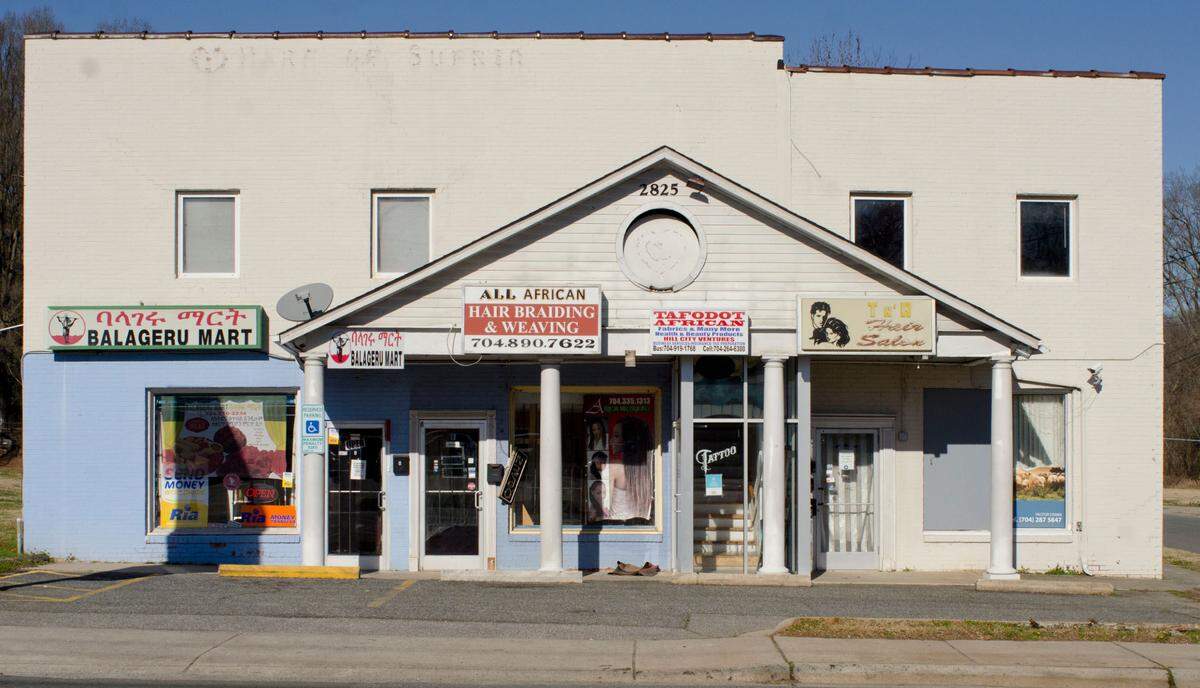
Ethnic plazas, grocery stores and restaurants started to frame both sides of Central Avenue, where incoming foreign-born residents found affordable housing.
Based on a Brookings Institute study, The Rise of New Immigrant Gateways, Charlotte was a major corridor to almost one-quarter of a million immigrants in 2009. The biggest number of immigrants came from South and Central America, but people also came from India, Korea, Cambodia, Pakistan and Africa.
Betancur, who served in Colombia’s special forces, grew tired of war and left his native country for Miami after winning a college scholarship in 2000. “I came with $900 in my pocket. I had two pair of shoes, two pants, two T-shirts and that was it,” the Manolo’s Bakery owner said. His dream was to make a million dollars.
Betancur moved to Charlotte in 2005. When he took over the bakery in 2011, it was tough. People were stealing pastries. Somebody came in the bakery and cut a person’s face. “I never saw a cop. The only time I’d see someone from the CMPD at the bakery is when you call them because something bad happened,” he said.
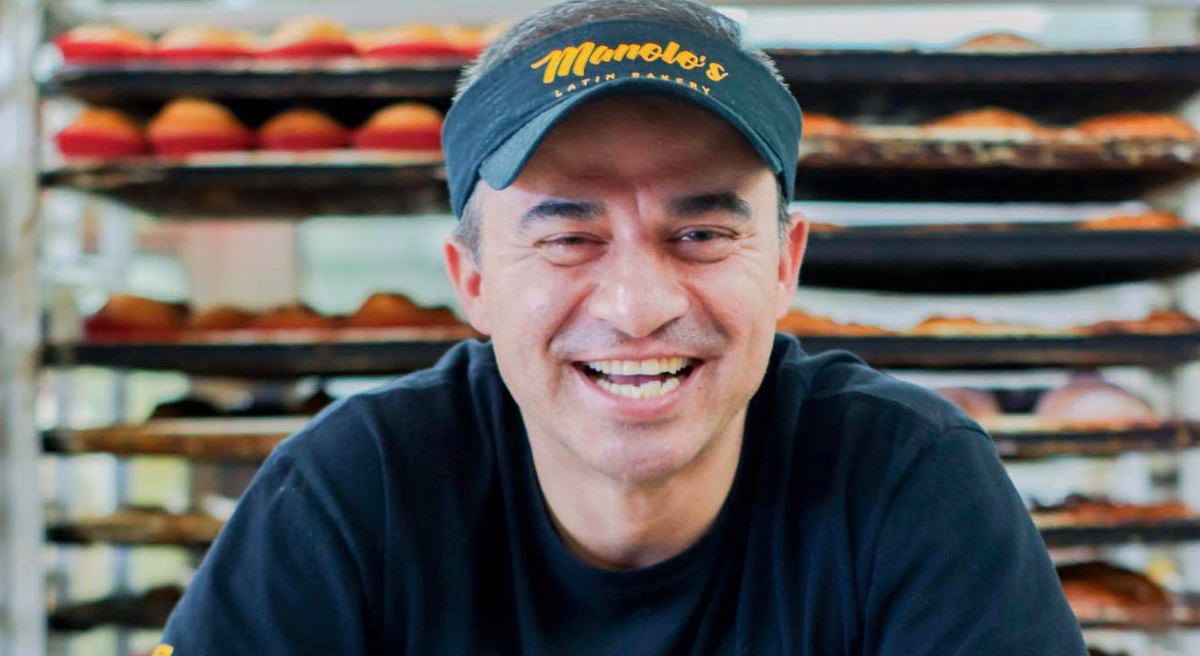
In 2016, Betancur would make that million dollars in bakery sales. “Now, the CMPD are our friends. They are our customers. They are involved with the Latino community, and they are welcoming, too,” he said.
What to know when you visit
Along Central Avenue’s strip, there’s a cultural clash of culinary adventures. Just park your car at a mini ethnic plaza, go grocery shopping and then debate on whether to order Ethiopian takeout from Abugida or go across the street for some Vietnamese. Charlotte, like a lot of Southern cities, may not have a Chinatown, but East Side’s salad bowl is where the world meets to mix, create and eat.
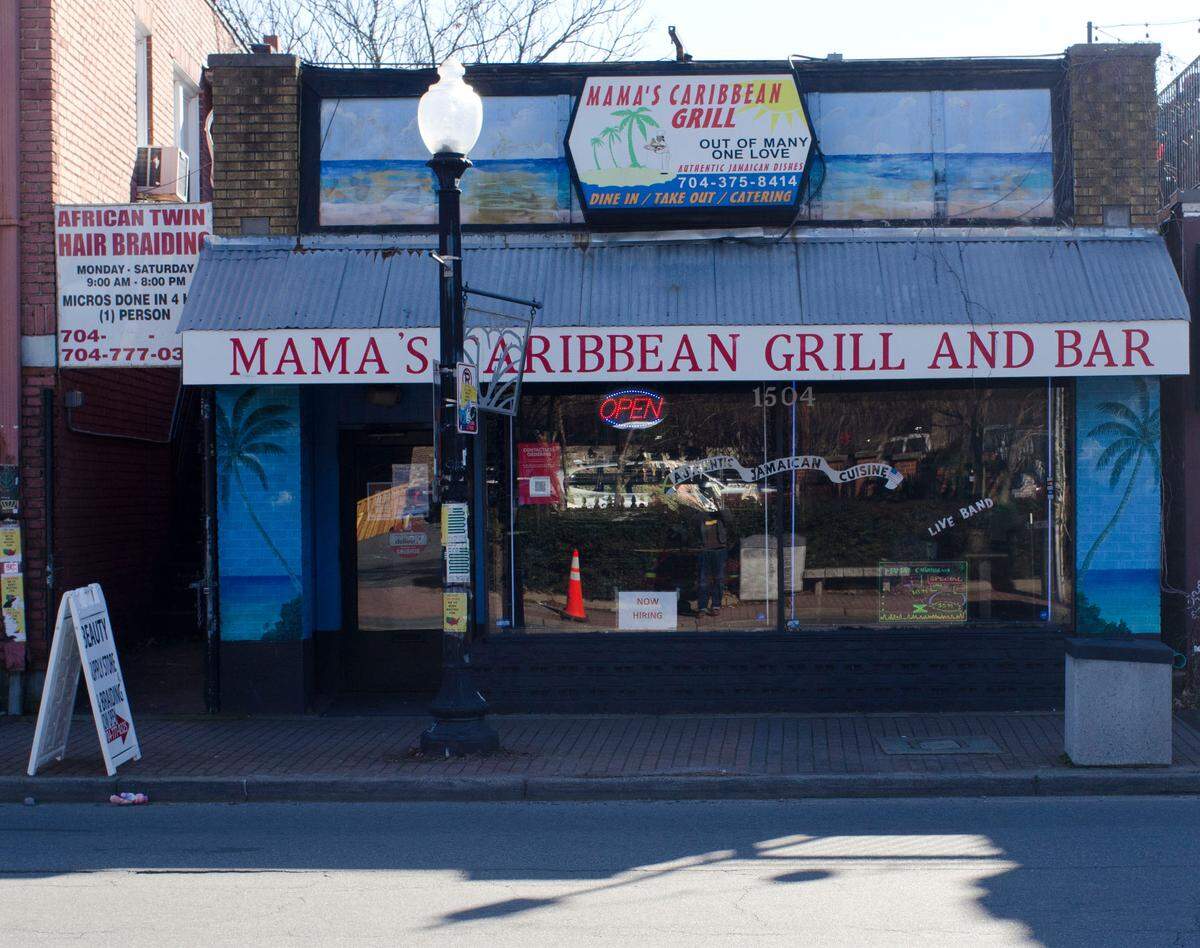
Once you’re there, check out Hanchett’s list of takeout recommendations:
(1) Abugida Ethiopian Café & Restaurant
3007 Central Ave.
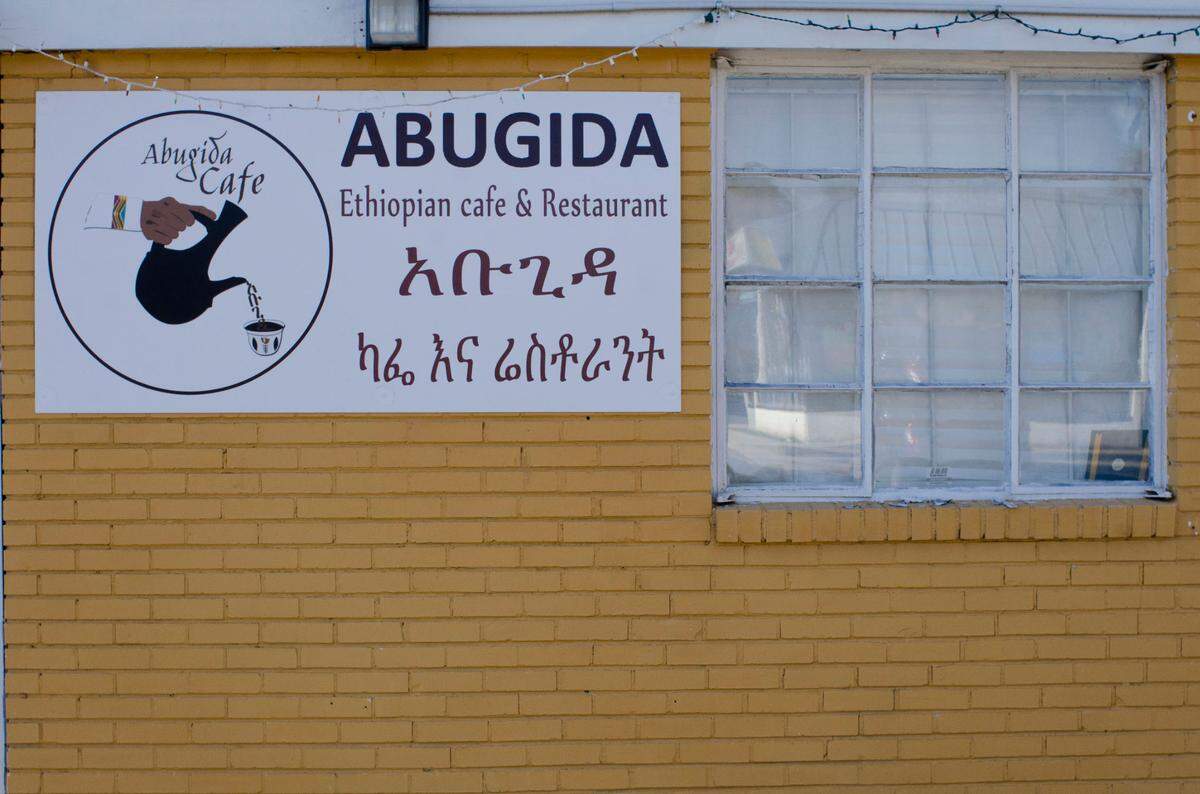
“They have begun to get a national reputation. I’m told that they are routinely on Yelp as one of the best Ethiopian restaurants in the United States,” Hanchett said. To get a good variety of what it offers, The Abugida Feast is a good place to start, and the portions are at least two servings per person.
(2) Central Tea House
3000 Central Ave., #6
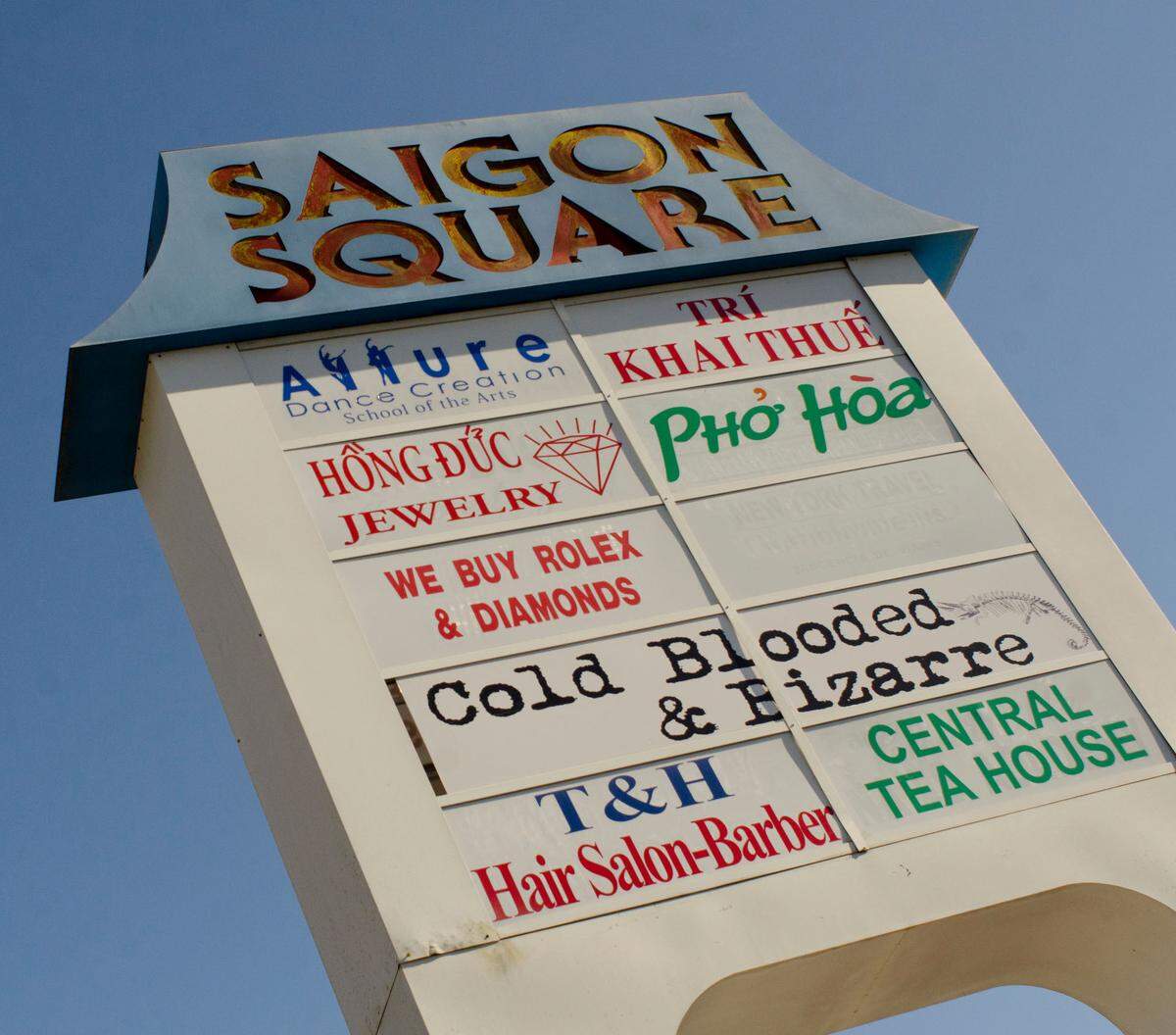
“They have the bánh mì sandwiches (a long, thin, crusty bread stuffed with pork, pickled carrots, cucumbers, daikon and cilantro) and these little pastries called patê sô (meat wrapped in a buttery flakey dough). You’ll love it and the Bubble Tea.”
(3) El Pulgarcito De America
4816 Central Ave., Suite A
The owners are husband and wife — one of them is from Honduras, and the other is from El Salvador. They have a Mexican page on their menu because everybody likes Mexican food, no matter where you’re from, but they also have a Salvadorian page and a Honduran page. One specialty they serve is pupusa, cornmeal pancakes stuffed with beans or pork. To an outsider, it looks like it’s a Latino restaurant, but actually the food of Salvadorian culture and Oaxacan culture are as different as British cooking and French cooking.
(4) Euro Grill
2719 Central Ave.
“You gotta get the cevapi sandwiches,” Hanchett said of this Bosnian restaurant’s uncased sausages.
(5) Tacos El Nevado
4715 Central Ave.
“It’s just wonderful. They hand make each tortilla right before you eat it, just like they do Oaxaca (Mexico).”
(6) Manolo’s Bakery
4405 Central Ave., Suite D
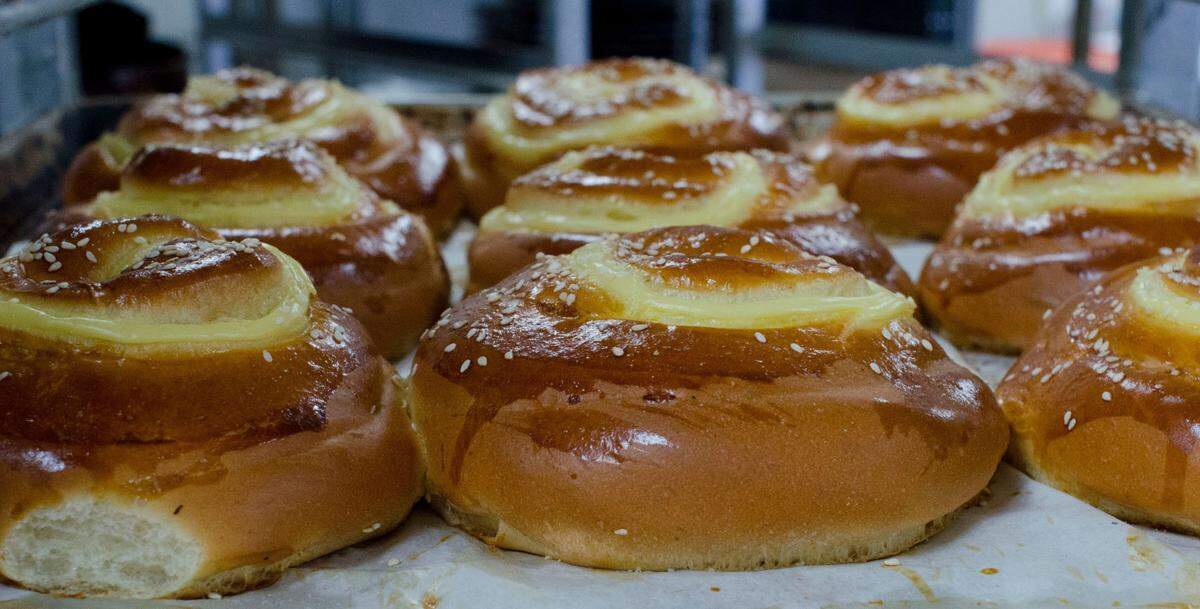
“Tamales or empanadas for breakfast. Tres Leches (Three Milk Cake) for special events.”
This story was originally published February 16, 2021 at 7:00 AM.