Community rallies when COVID keeps a bakery owner from giving blankets to the homeless
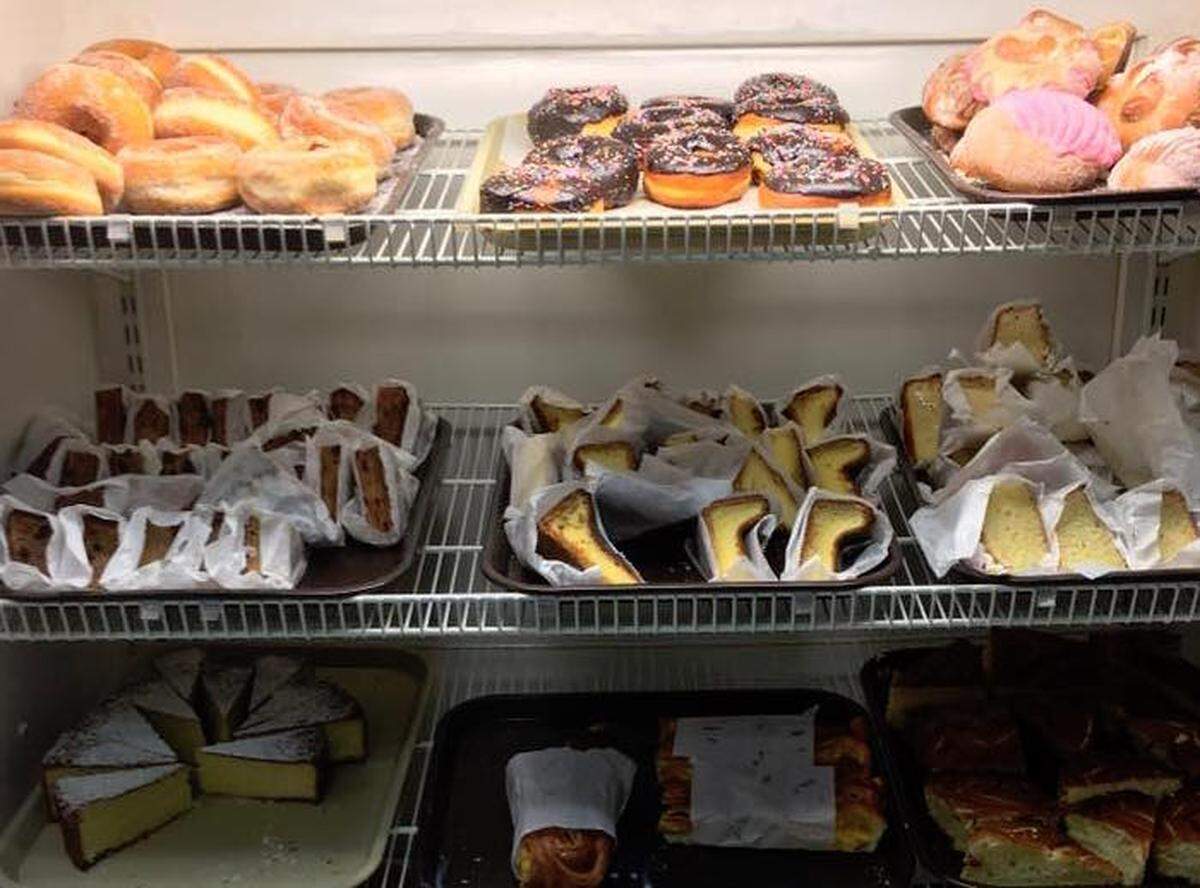
There is no busier time of year for Manolo’s Bakery in East Charlotte than the week of Jan. 6, the Feast of the Epiphany. The Latin-American bakery on Central Avenue is famous for its rosca de reyes, a ringed cake with tiny figurines of baby Jesus folded into the batter. According to Mexican tradition, whomever is fortunate enough to end up with the Jesus doll in their slice of cake has to make tamales for the whole family on Feb. 2.
“The week of Epiphany is my most profitable time of the year,” Manuel “Manolo” Betancur, the bakery’s owner and CEO, told CharlotteFive on a recent Zoom call. “Since 2011, we’ve taken 10% of our profits from that week and donated them to a local nonprofit.” This year, Betancur’s team decided to donate thermal blankets to Charlotte’s homeless neighbors in the encampments around uptown.
Everything was going according to plan and Betancur had purchased 100 blankets to donate when, on Jan. 7, his wife lost her sense of smell. Hours later, he began to exhibit mild cold and flu symptoms. They got tested for COVID-19 right away, and their results came back positive.
Unable to leave his house to deliver the blankets, Betancur took to social media. After posting about his predicament on Facebook, he received dozens of comments from folks in the Latino community who were willing to lend a hand. Eventually, all the blankets were delivered to those in need.
“It was incredible to see how my community rallied around me during that time. Not only did I find someone to deliver the blankets, but we also received hundreds of messages of love and support,” he said.
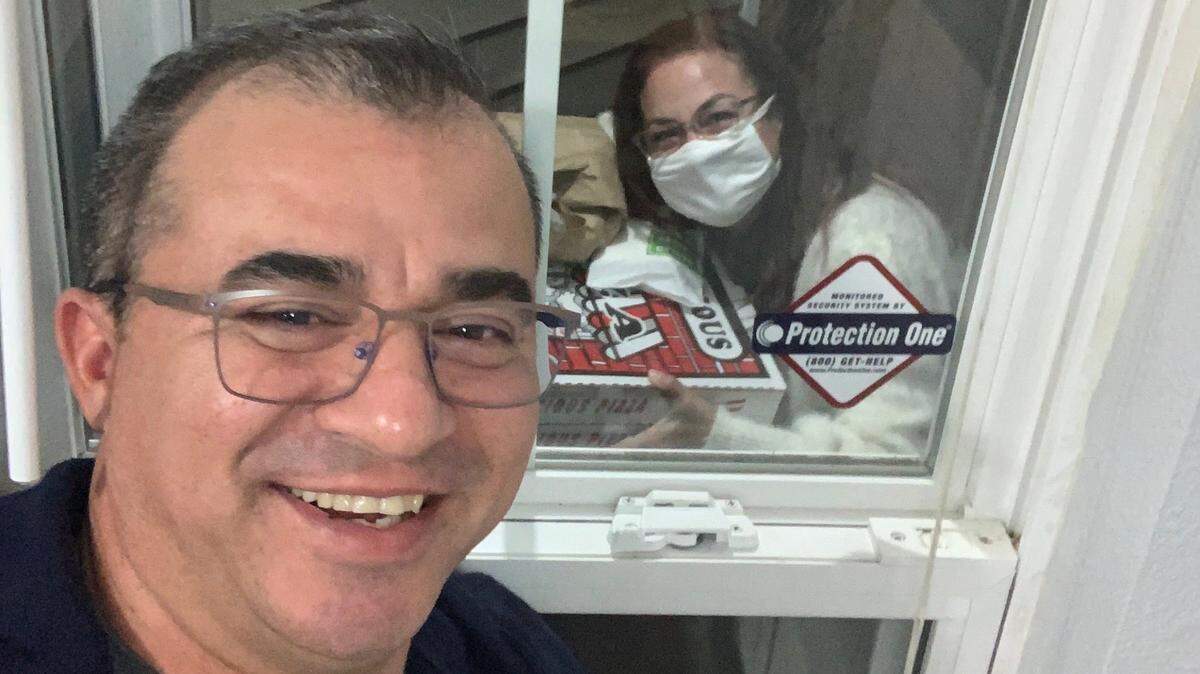
He documented his experience on Facebook, posting pictures of friends standing outside his window bearing all manner of delicious treats — from Argentinian empanadas to homemade caldo de pollo (chicken soup). He recently told Spanish newspaper La Noticia about his experience with COVID-19, as well.
A disproportionate toll
As an immigrant from Colombia and a leader in Charlotte’s Latino community, Betancur is keenly aware of the disproportionate number of our Latino and Latina neighbors who have been infected with the virus. According to an analysis conducted by La Noticia this past summer, the Latino community made up 54% of all COVID-19 cases in Mecklenburg County, yet only accounts for 13% of the population.
When I asked Betancur if he had a message for his community after recovering from the virus himself, he told me that he didn’t. His message, rather, is for our leaders and elected officials.
“Nuestra comunidad paga impuestos, pagan seguro de desempleo, sin embargo, debido a su estado migratorio, muchos no califican para recibir beneficios de desempleo o los pagos de estímulo. Cuando se empiezan a sentir enfermos, no pueden dejar de trabajar porque no tienen ningún respaldo. El gobierno es muy hipócrita al decir que el virus se está propagando dentro de nuestra comunidad, cuando ellos son los que tienen la culpa.”
“Our community is paying taxes, they are paying unemployment insurance. However, due to their immigration status, many of them do not qualify for unemployment or stimulus benefits. When they start to feel sick, they can’t stop working because they have nothing to fall back on. It’s so hypocritical of the government to say that the virus is spreading wildly within our community, when what’s happening is their fault,” he asserted.
Immigrant hands
In 2018, Betancur was invited to participate in Stanford University’s Latino Entrepreneurship Initiative Education-Scaling Program, where he had a major realization.
“We were talking about the importance of having a mission, and I realized that in my bakery the bread is made by hand, by immigrant hands. There are not many things made in America these days, and the few things that are, are often made by immigrant hands.”
Betancurstarted to put the slogan, “Made in America by immigrant hands” on his work uniform, and bakery patrons would ask him where they could buy similar T-shirts. He started making shirts and partnered with high-school student Laura Saavedra to market and sell additional merchandise with the slogan. Now, the team sells T-shirts, hoodies, masks and tote bags at the bakery and online. Puerto Rican singer Luis Fonsi — of “Despacito” fame — even posted a picture on Instagram sporting one of the bakery’s hoodies.
After 20 years in this country, Betancur has gone from washing dishes and working odd jobs to owning a thriving business. His bakery’s vision is: Nuestro Pan. Nuestra Gente. Nuestro Futuro. (Our bread. Our people. Our future.) and he credits his focus on mutuality and cooperation with his success.
In the Christian tradition, the Epiphany commemorates the visit of the three, gift-bearing wise men. The holiday might be over, but for Betancur and his bakery, whether it’s through blankets, homemade meals, or acts of solidarity with immigrants, the gifts just keep on flowing.
This story was originally published February 1, 2021 at 1:38 PM.