Think food trucks are new? The untold story of Charlotte street food
AI-generated summary reviewed by our newsroom.
- Street vending in Charlotte dates back to early 1900s Black and immigrant vendors.
- Food truck growth surged after a 1985 ordinance but faced zoning constraints later.
- Modern vendors leverage social media and brewery partnerships to reach customers.
Today, you can find street food almost anywhere. According to Charlotte Food Trucks, there are more than 200 food trucks selling everything from arepas and chaat to hot Nashville chicken and tonkatsu sandwiches to hungry folks in the Charlotte area.
Street foods from around the world now dominate in brick and mortar restaurants, too.
But it wasn’t always so easy to find street food in these parts.
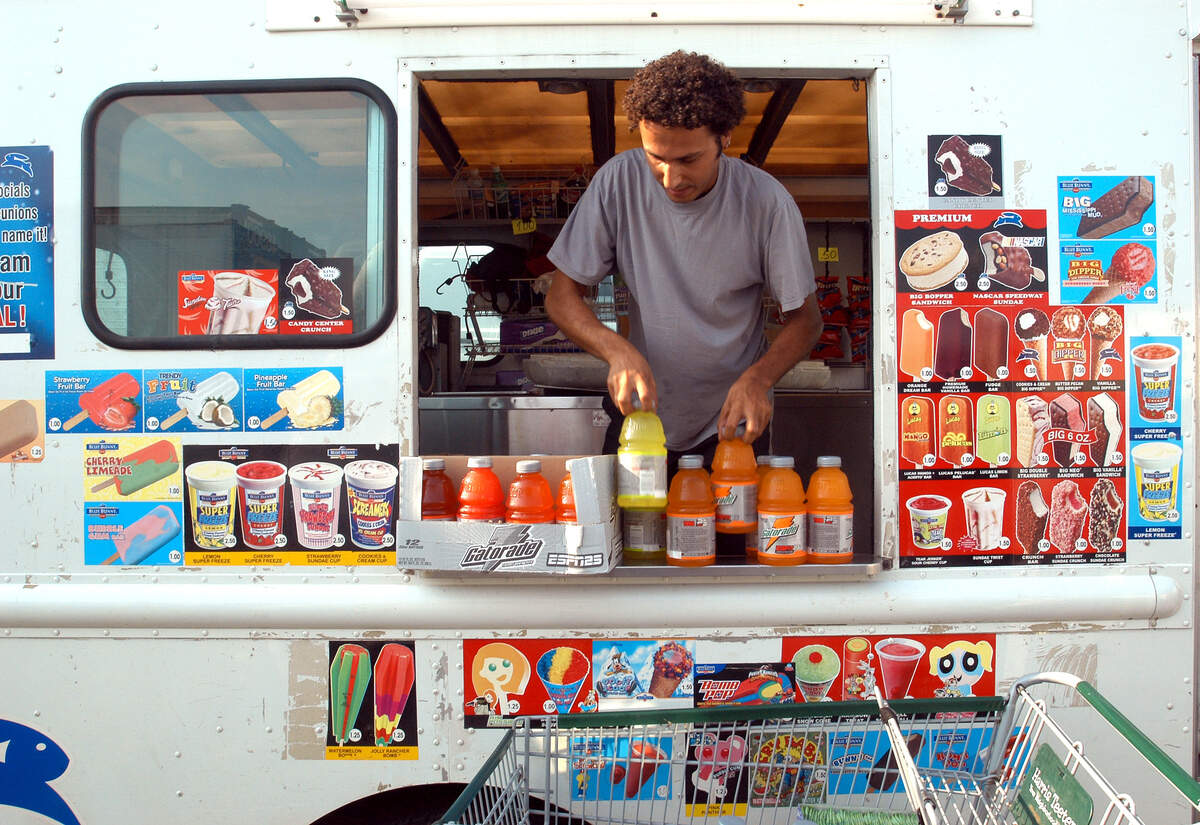
Although there are some roots that go way back — like entrepreneurs who found a unique niche to fill — and recurring concerns by some community members that vendors need tighter regulation, Charlotte‘s street food scene is a relatively recent phenomenon.
Here’s a brief look at the history of street food in the Queen City.
Charlotte’s Brooklyn in the early 1900s
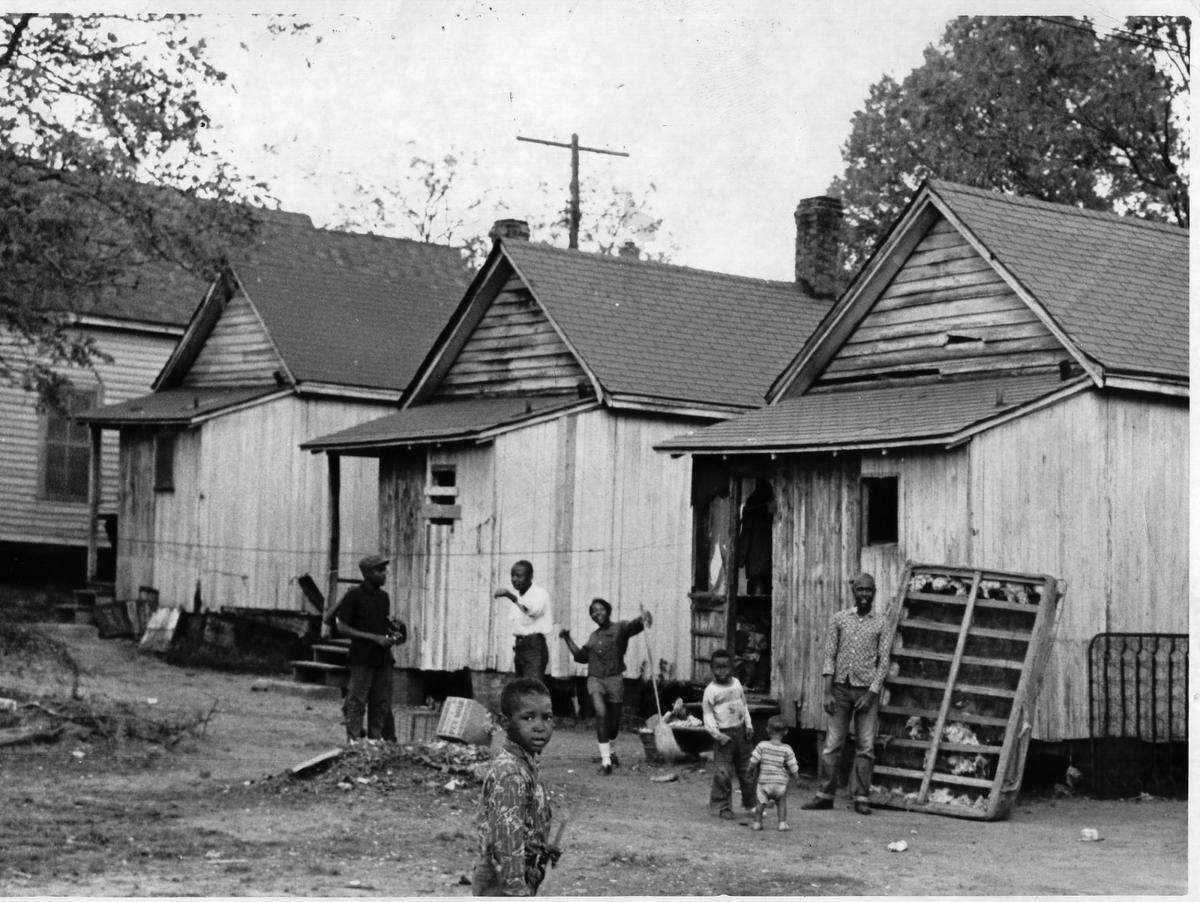
Going way back to the start of the 20th century, immigrant peddlers selling household goods, wandering musicians and farmers with carts filled with fruit and vegetables often rolled through the streets of Brooklyn, one of Charlotte’s former African American neighborhoods, according to the recollections of teacher and writer, Rose Leary Love. She was born in Brooklyn in 1898.
Love’s memoir “Plum Thickets and Field Daisies,” published posthumously by the Charlotte-Mecklenburg Library (1996), also details weekend fish fries, where community members sold tasty fish sandwiches for about a nickel apiece as church fundraisers. Sometimes, “more enterprising lady members” made big batches of ice cream to sell, as well.
These vendors provided convenience and entertainment, during a time when segregation limited access for Black community members to other businesses across Charlotte.
Textile mills, 1920s-40s
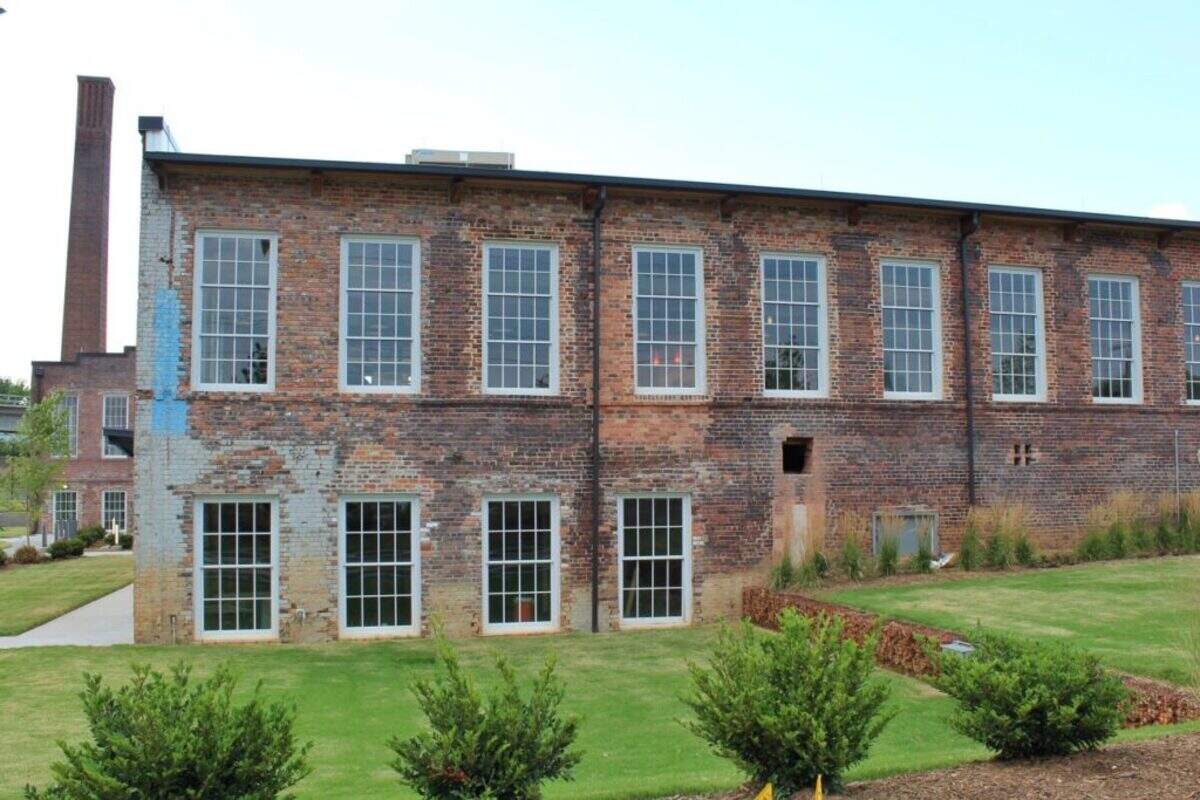
In local textile mills, as early as the 1920s, as reported by “Our State” magazine, vendors with “dope wagons” hawked items including sandwiches, candy bars and cold caffeinated drinks, known as dopes to hot and tired workers. By the time WW2 came around, with longer workdays imposed by factory owners and lunchtime cut to under 30 minutes, workers didn’t have time to get back home for lunch. Many purchased their mid-day meals from the dope carts.
Modern street food
In more recent times, one of the earliest food carts in Charlotte came from Robert Schweikert, says community historian Tom Hanchett. An immigrant with German roots, Schweikert worked as a textile engineer before opening his German-style restaurant, Bavarian Haus Restaurant & Catering in Park Road Shopping Center.
In the early 1980s, he took it mobile with his Smokey Brat Dogs food cart. Initially, he operated it on private property because Charlotte vendors were not authorized to sell food or other items on public sidewalks.
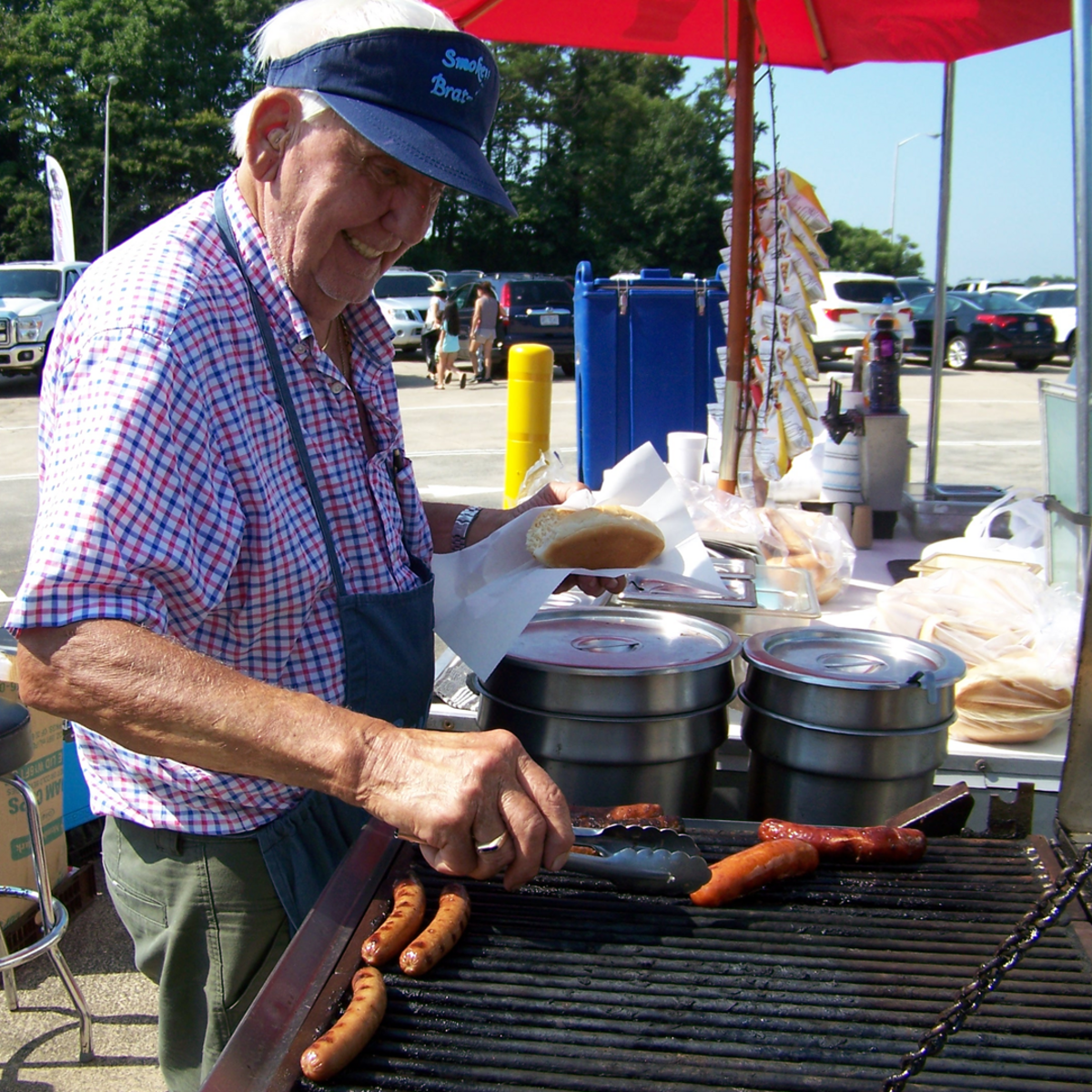
That changed in February 1985, when the Charlotte City Council approved a new ordinance that permitted street vending in public locations with a number of costly requirements, including a specified cart type and size, a required hat and apron, various state and city licenses, and public health licenses.
At the time Schweikert, who led the new Vendors Association of Charlotte-Mecklenburg, Inc., worried the costs involved would be prohibitive for many would-be vendors.
Schweikert’s business endured, however. He operated his cart for more than 40 years. He was among the first vendors at the Charlotte Regional Farmer’s Market and could often be spotted at events including Carolina Panthers games and local festivals.
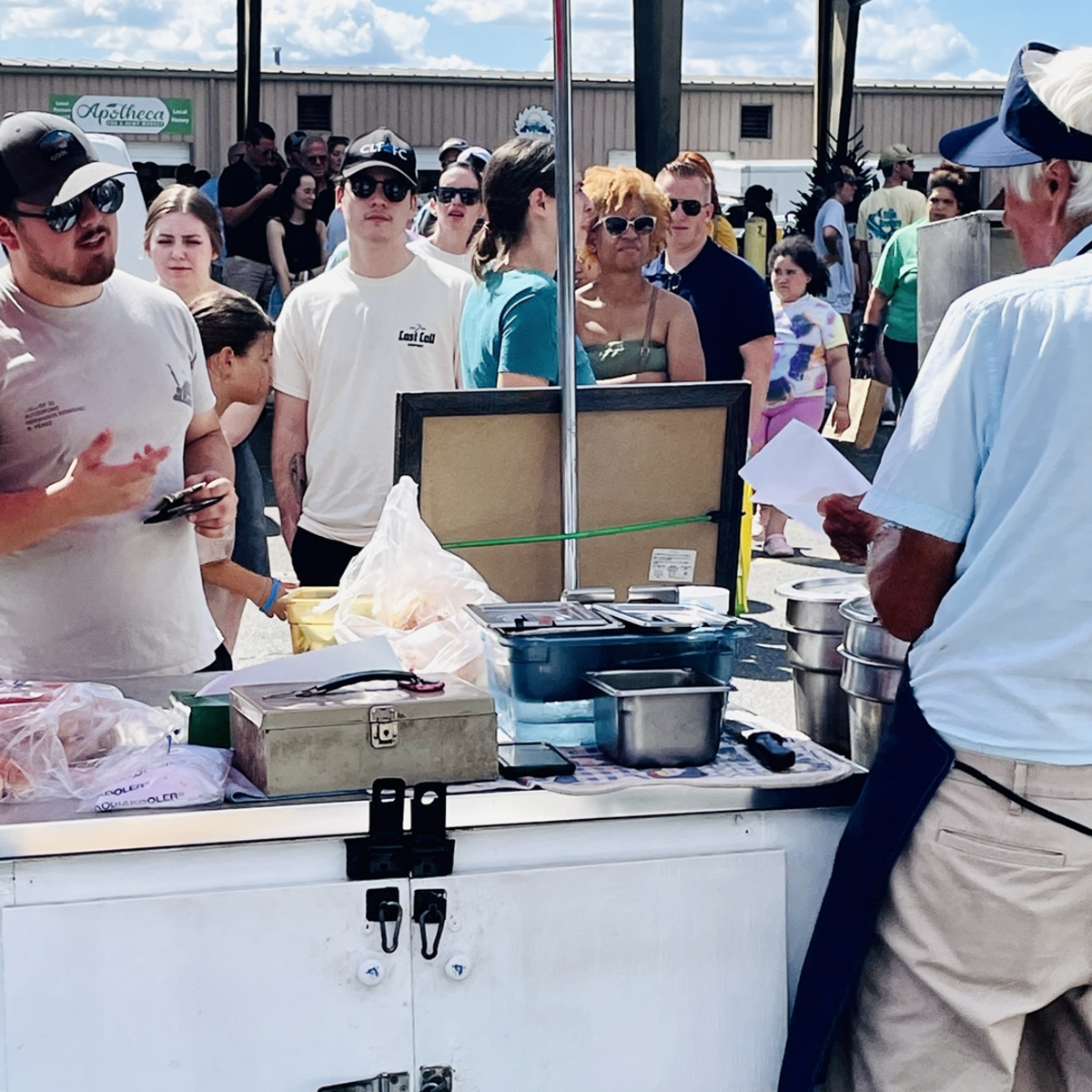
Schweikert recently died after a long battle with cancer, but his business — which he sold in December 2024 — continues to operate.
The Chili Man
Another major player in Charlotte’s street food history is Victor Werany, better known as Vic the Chili Man. He launched his cart on South Tryon Street and 4th Street around 2004, after working customer-facing roles at several Charlotte restaurants and coffee shops.
“My personality is bigger than four walls,” Werany recently told CharlotteFive.
His lively banter became an asset to draw customers out on the street but had always been a challenge with owners and managers when he worked in their restaurants. “They’d walk in, and it was just a freaking circus. You know, [I’m] hollering and we’re telling jokes and I’m showing tattoos.”
In uptown Charlotte, there were only a handful of other hot dog carts and one food truck, Red’s BBQ, when he started. Over the 16 years he ran his business, he developed a loyal following with his fun, made-to-order concoctions.
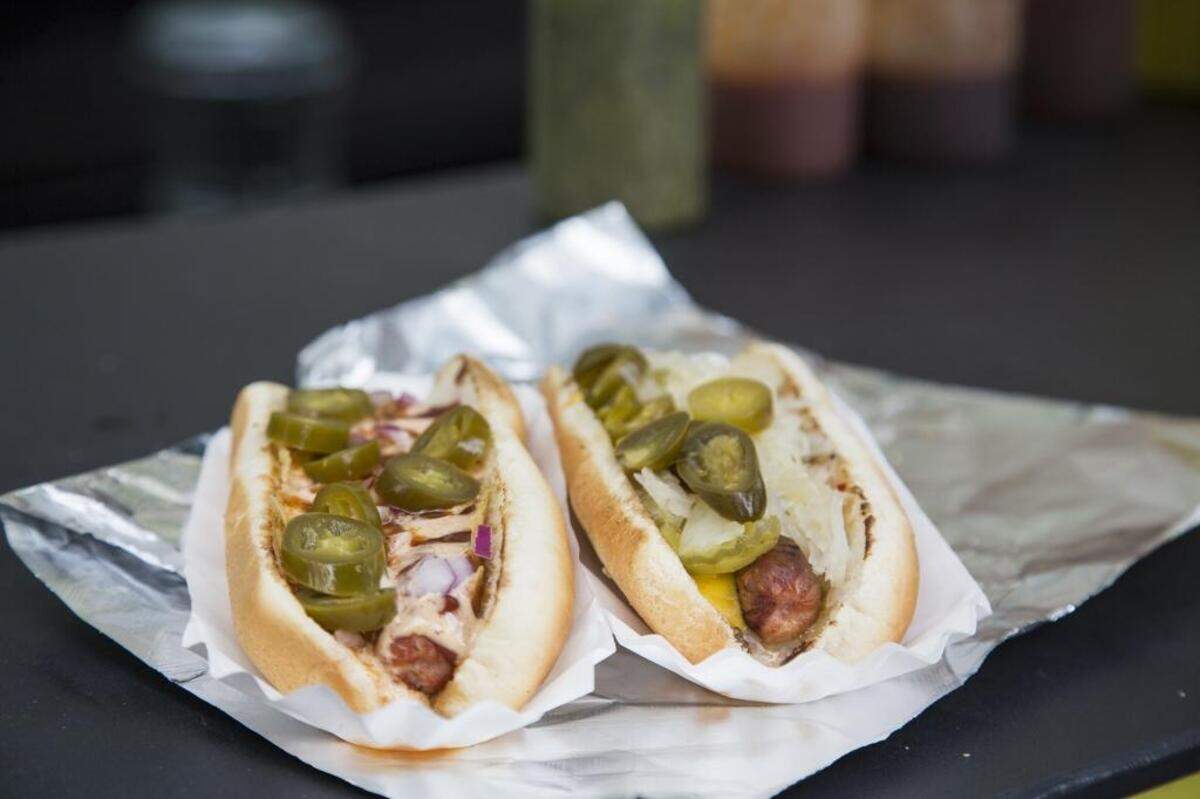
He tried all sorts of combos, including a brie, green apple slaw and warm apple pie barbecue sauce dog, inspired by the animated show, “Bob’s Burgers.” (That was his Free to Brie You and Me Dog.)
His most popular creation was the “Frito Pie Dog,” made with a hot dog and bun, grilled cheese, his special “taco juice“ sauce (which he says tastes like if you could squeeze a taco the same way you squeeze an orange), chili, onion and jalapeno and onion-and-garlic-infused sour cream, topped with crushed Chili Cheese Fritos.
“It is so freaking good …” Werany said. “I sold more of those probably than everything else combined.”
Werany recently recreated it at the Lovin Life Festival. His booth was billed as the chef’s food that you can’t get in Charlotte anymore. Another one-night collaboration to benefit a charity may also soon be in the works with Gravity Pizza at Camp North End, he shared.
The Chili Man’s clientele included some of Charlotte’s biggest names, like former Bank of America CEO Hugh McColl and former Carolina Panthers Quarterback Cam Newton. (Newton, a pescatarian who once followed a vegan diet, raved about Werany’s vegetarian hot dog and chili sauce in a 2015 Charlotte Magazine story.)
Werany also received national acclaim for his food. In 2018, his hot dogs were ranked #1 by Money magazine based on Yelp reviews. The cart also earned a Top 25 hot dog spots in the U.S. and Canada ranking on Yelp in 2021, shortly after he sold the business to Josh Parel, a Johnson and Wales alum, who ran the cart until July 2024.
“I’m not going to lie to you, some of the fame that I found was really just a roll of the dice,” Werany said. “The nice thing about Charlotte is we don’t want to be a town that has 48 hot dog and falafel and empanada carts just like in New York City, where you can go up and they’re literally every 10 feet on a block.”
Werany said his timing was good, and a spot uptown had just opened up when he applied for a permit. Limited competition helped his business thrive, he said.
But zoning restrictions could also be frustrating. For a while, Werany set up his cart on the campus of the then Charlotte School of Law, with the support of the school and property owner. But the city’s zoning committee stopped that with an ordinance that vendors could not be in the same spot for more than three months in a calendar year.
A growing international population in Charlotte
Ordinances also became a sticky point in other parts of the city.
“In the mid 2000s, as Charlotte emerged as the U.S. metro with the fastest growing Latino population, food carts started popping up on Central Avenue and South Boulevard,” Hanchett of History South said.
“Neighbors complained mightily. Ordinances shut the scene down in 2008-2009.”
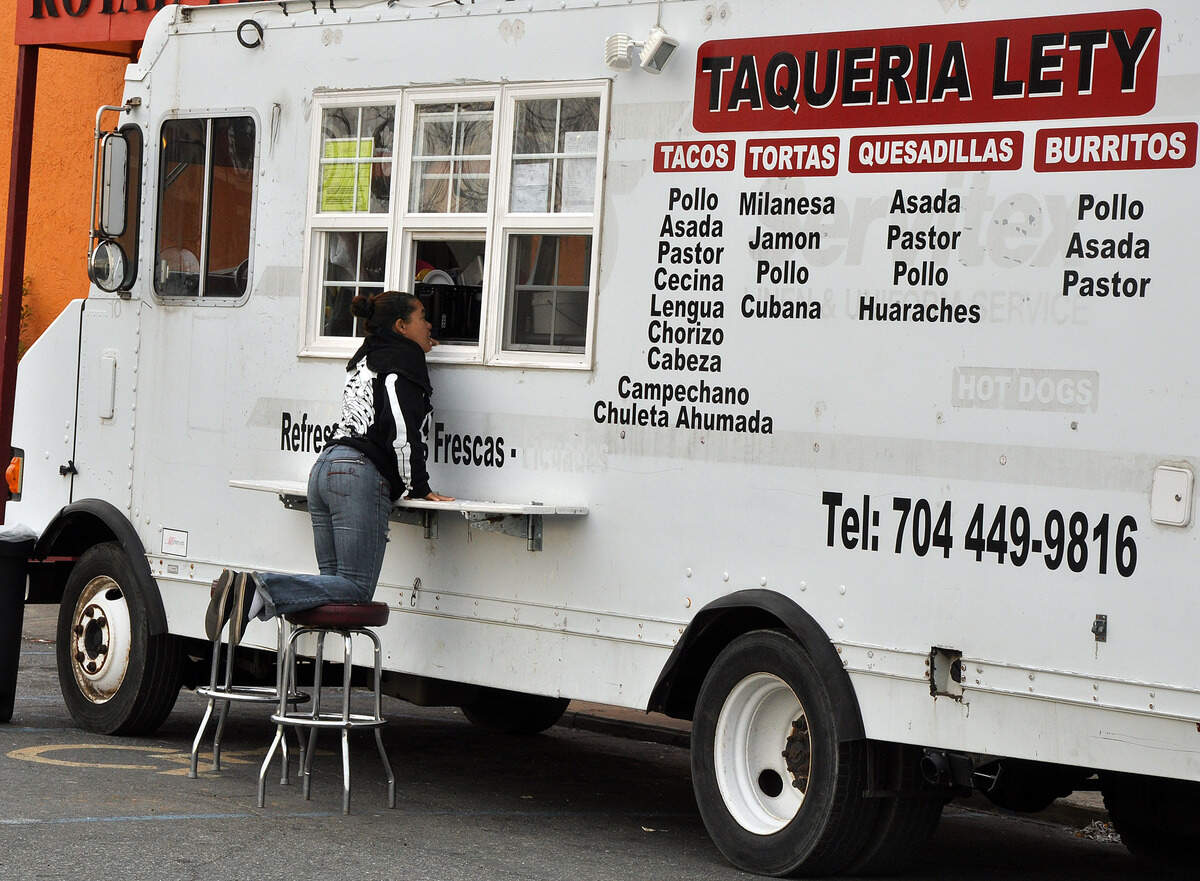
Those opposed to the trucks said they brought increased traffic, late night noise and trash. The so-called taco truck vendors (in reality, they weren’t always trucks and sold other menu items, too) said their businesses needed to function later in the evening to serve customers, including construction workers, returning from late work shifts. They also pointed out that the operating rules differed for uptown hot dog vendors.
“What they’re trying to do is eliminate Hispanics from the street,” Carlos Ordòñez, a native of Honduras, who operated a taco truck on Central Avenue, told The Charlotte Observer in May 2008.
The rise of food trucks
But even as Charlotteans debated, street food was becoming increasingly popular around the country. And as Charlotte’s immigrant population continued to grow, popular events featuring street food like the India Association of Charlotte’s Festival of India and the Latin Coalition’s Latin American Festival, both of which started in the early 1990s, continued to expand.
“We have lots of folks who are not only coming here from other parts of the globe, but other parts of the United States,” Hanchett said. In places like New York, Washington, D.C. and Los Angeles, food trucks were commonplace.
Innovations like the Korean Taco made by Korean American chef Roi Choi, who launched his Kogi BBQ truck in Los Angeles in 2008, also captured the public’s attention nationwide, Hanchett said. Choi won Food & Wine’s Best New Chef Award in 2010.
“It sounded delicious to me,” Hanchett said, “and people were going, “Oh, I hope somebody does that here.”
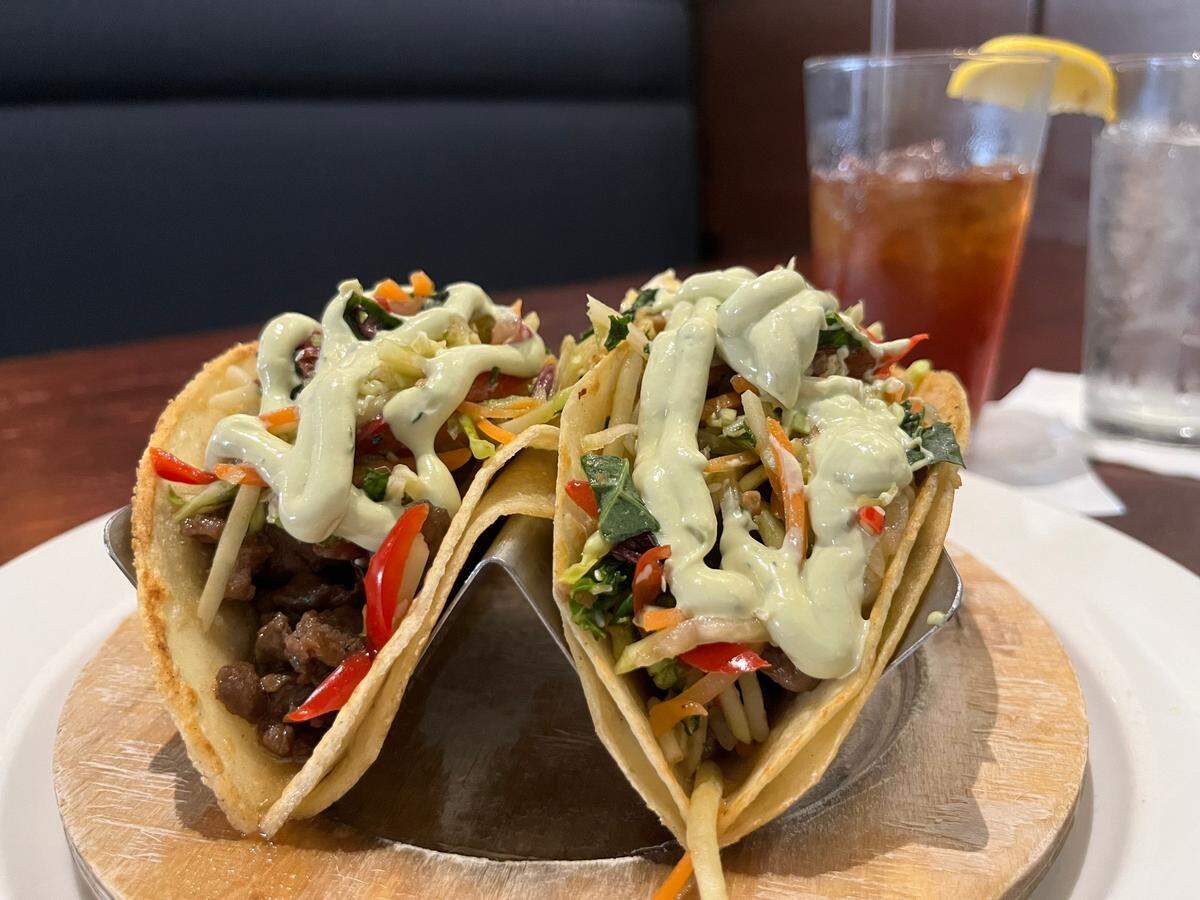
Around 2011, food trucks were starting to become a thing in Charlotte.
Restaurant writer Helen Schwab wrote at the time about the Thursday night Uptown Food Truck Rally in her Charlotte Observer column. (I also remember attending several Food Truck Friday events in an empty lot in South End around 2013 — back when there were still empty lots on that side of town.)
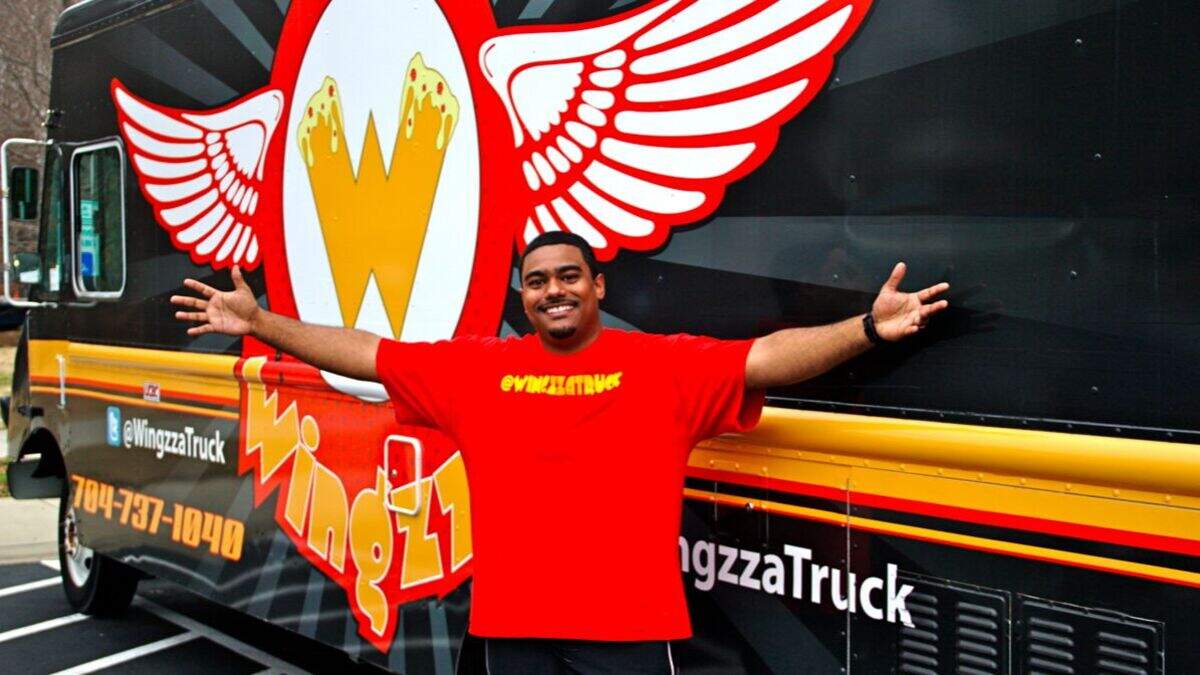
The 2014 film, “Chef,” written by and starring Jon Favreau about a celebrity chef who opens up a food truck also helped to bring the idea mainstream, Hanchett said.
“That really was a revelation because they were using social media, which was a new thing,” he added.
Charlotte’s food truck scene today
For Ashley Outlaw, social media was the critical factor in keeping her new food truck business afloat when she first opened. She launched Nacho Average Truck, Charlotte’s first nacho truck, in December 2019.
She chose the winter to start so she could slowly ramp up her business. But just as she was finding her footing — and perfecting her from-scratch recipes, including her sauces, seasonings and marinades — the COVID-19 pandemic shut down practically every business and public gathering spot around the city.
Food trucks could still operate, but the places that were welcoming her most frequently as a new business had been primarily late night bars and breweries on the weekends, all of which had shut down.
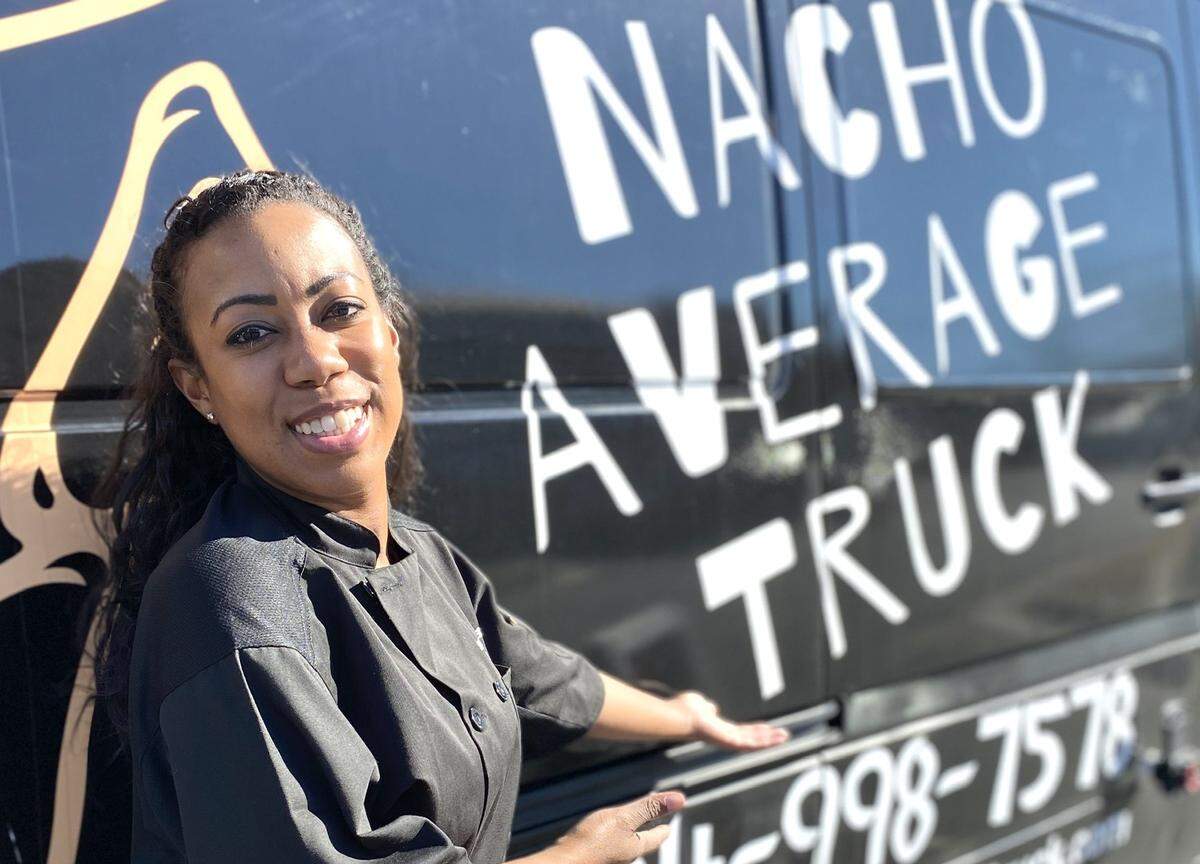
Outlaw knew she had to try something new. “Because I’m shelling out a lot of money, so I can’t afford to be parked. So I thought, ‘Where can I go?’”
Walking around her Lake Wylie neighborhood, she realized that COVID had sent everyone home. They were hanging out in their driveways, spending time online, sharing recipes and learning how to cook. That gave her an idea.
She hopped on the Nextdoor app and asked if anyone would be interested in having her food truck come to them. She got several responses immediately, and soon she was in high demand for neighborhoods and apartment complexes.
Now, most of her business comes from corporate clients, including office parks and area hospitals. But she said food trucks currently depend on a mix of clients — including neighborhoods, high school sporting events and breweries, and the scene is always changing.
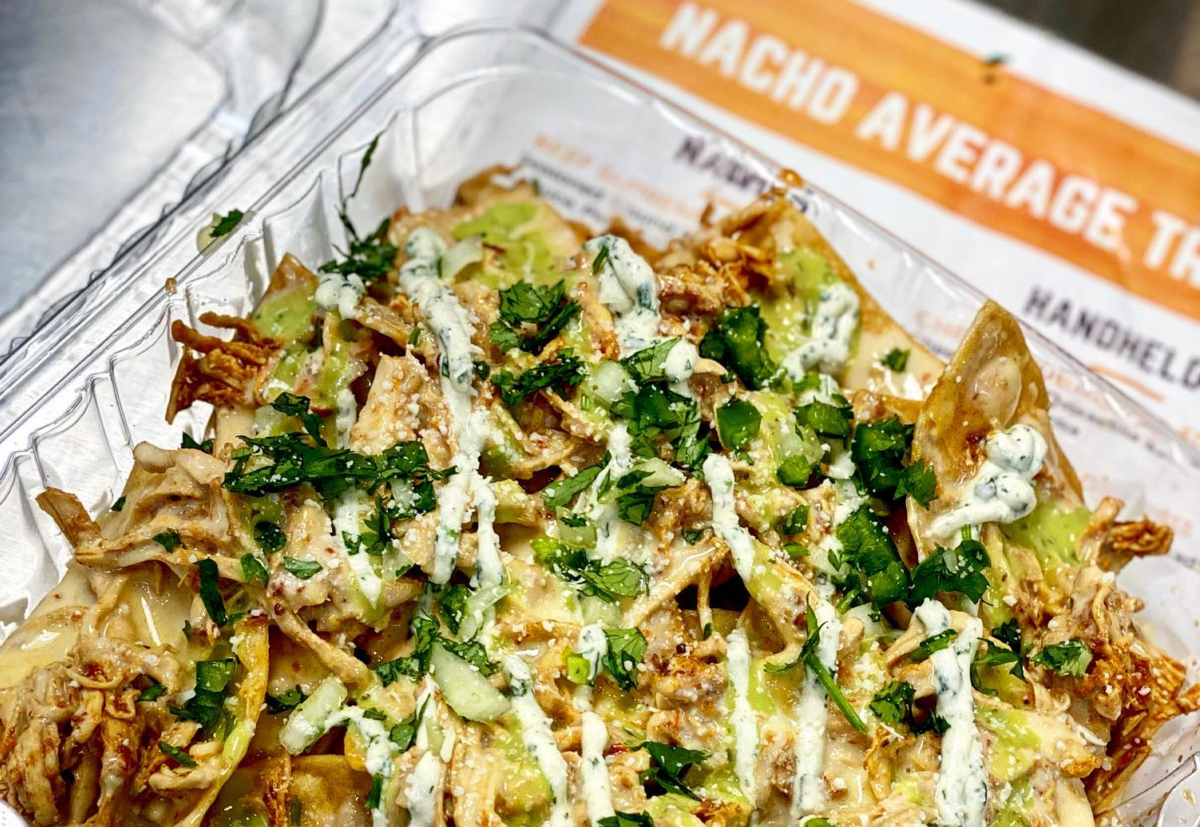
Today, social media continues to be an important ingredient in the success of food trucks and carts, which share their schedules online to let folks know where they will be each day.
The explosion of craft breweries in Charlotte, which generally have limited food options in their own kitchens, has also provided a perfect al fresco venue for food trucks.
But even that’s not a given anymore. “Charlotte has a lot of growth,” and there’s always something new and exciting opening, Outlaw said.
Some late night spots that used to depend on food trucks have expanded their own kitchens, so street food vendors in Charlotte are yet again adapting and serving clients in new ways, just like they always have.
Uniquely Charlotte: Uniquely Charlotte is an Observer subscriber collection of moments, landmarks and personalities that define the uniqueness (and pride) of why we live in the Charlotte region.
This story was originally published August 11, 2025 at 5:00 AM.