A Black American returns home from Japan, then finds culture shock in Charlotte.
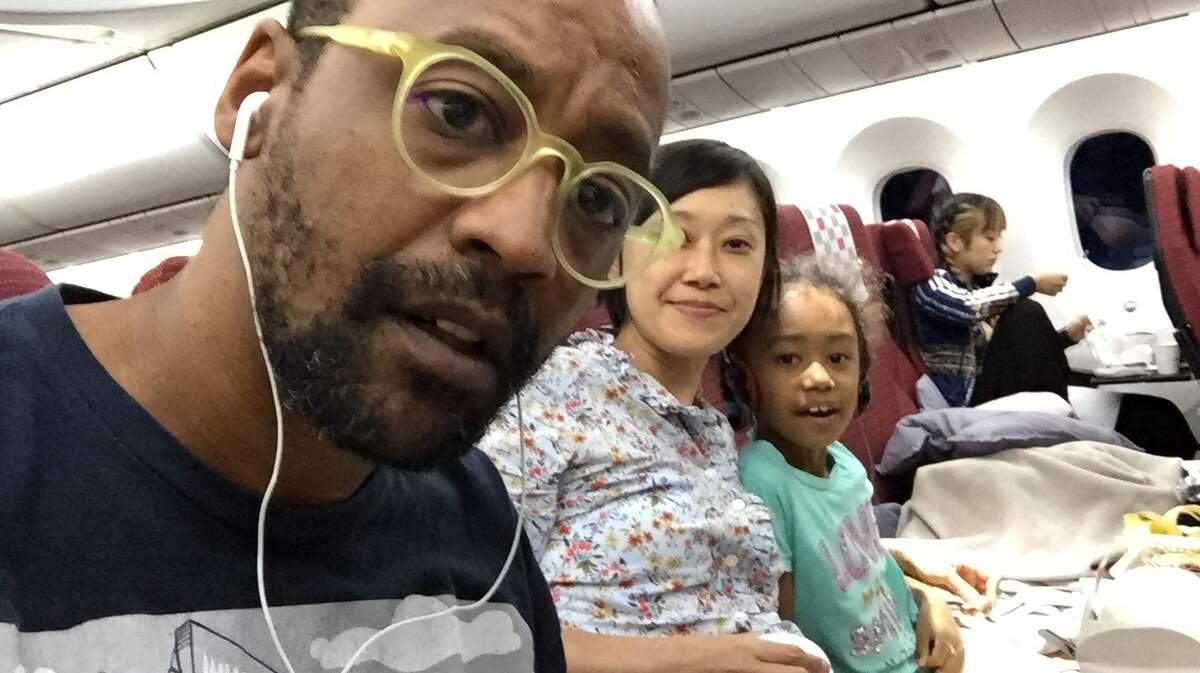
Moving to Japan from the United States felt like living in space. In Japan, I floated through zero gravity. To be weightless is to be hypersensitive without the constant fear of real danger.
I had been living in Tokyo, Japan, for the past nine years, until my family and I moved to Charlotte. We landed here in September. Anticipating the culture shock that awaited us, gravity felt like a looming presence.
But life in the cosmos has other effects on the body. The symptoms include seclusion, exposure to radiation and increased anxiety from inhabiting environments with people who treat you like a foreigner or an alien.
The American media machine had already misled the Japanese about Black folk. In 2017, foreigners made up 1.9% of Japan’s population. Of that total, Americans made up 3.7%. Black Americans are just a fraction of that percentage. They told them that we were stupid, scary and dangerous, but cool. My untethered connection to Japan’s language, culture and nationality made me a foreigner, an isolated outsider orbiting the exclusive inner world that my wife was from.
In Japan, some people were determined to befriend me despite my reluctance, while most believed the Black stereotypes. Upholding their civility, they’d closely watch me and keep their distance to elude embarrassment. In space, I would learn that the world isn’t according to the white men that enslaved Black people and waged war against other countries in the name of democracy.
America’s lies are as long as its walls are tall. Unless you travel to other places, you can’t see over them.
To me, the U.S. was Earth, a planet of sentient beings whose myriads of color are too wide to be sorted and categorized. By leaving my country almost a decade ago, I thought that I was putting my life in the apathetic hands of the unknown.
On arrival, an earthquake. At departure, a pandemic.
A week after reaching Tokyo, it seemed as if the city had become radioactive. On March 11, 2011, a 9.0 earthquake jolted northeastern Japan, spawning a tsunami that engulfed The Fukushima Daiichi nuclear power plant, causing it to have a triple nuclear meltdown. Waves 128 feet tall had stretched their mouths from the sea to devour six miles of land along the coast. The Great East Japan Earthquake moved the entire island 8 feet further east.
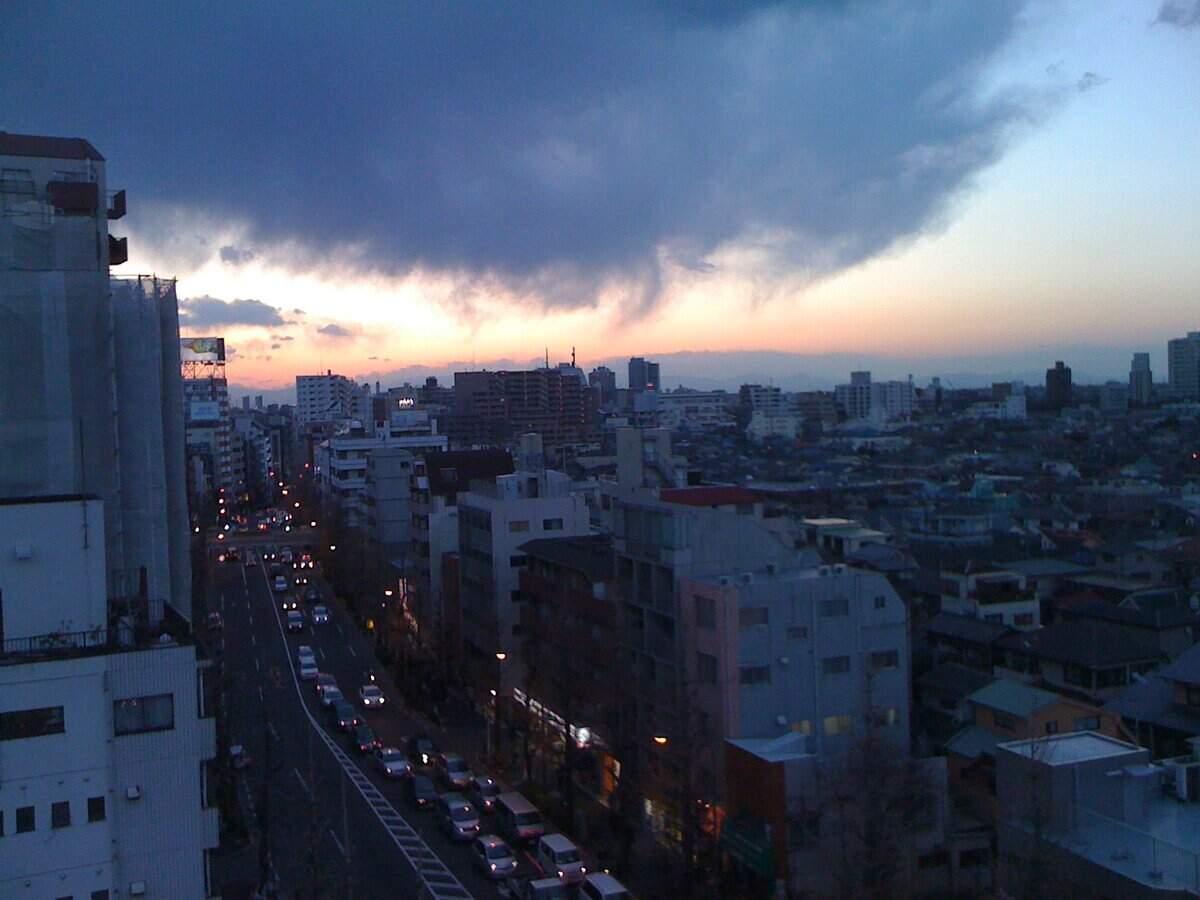
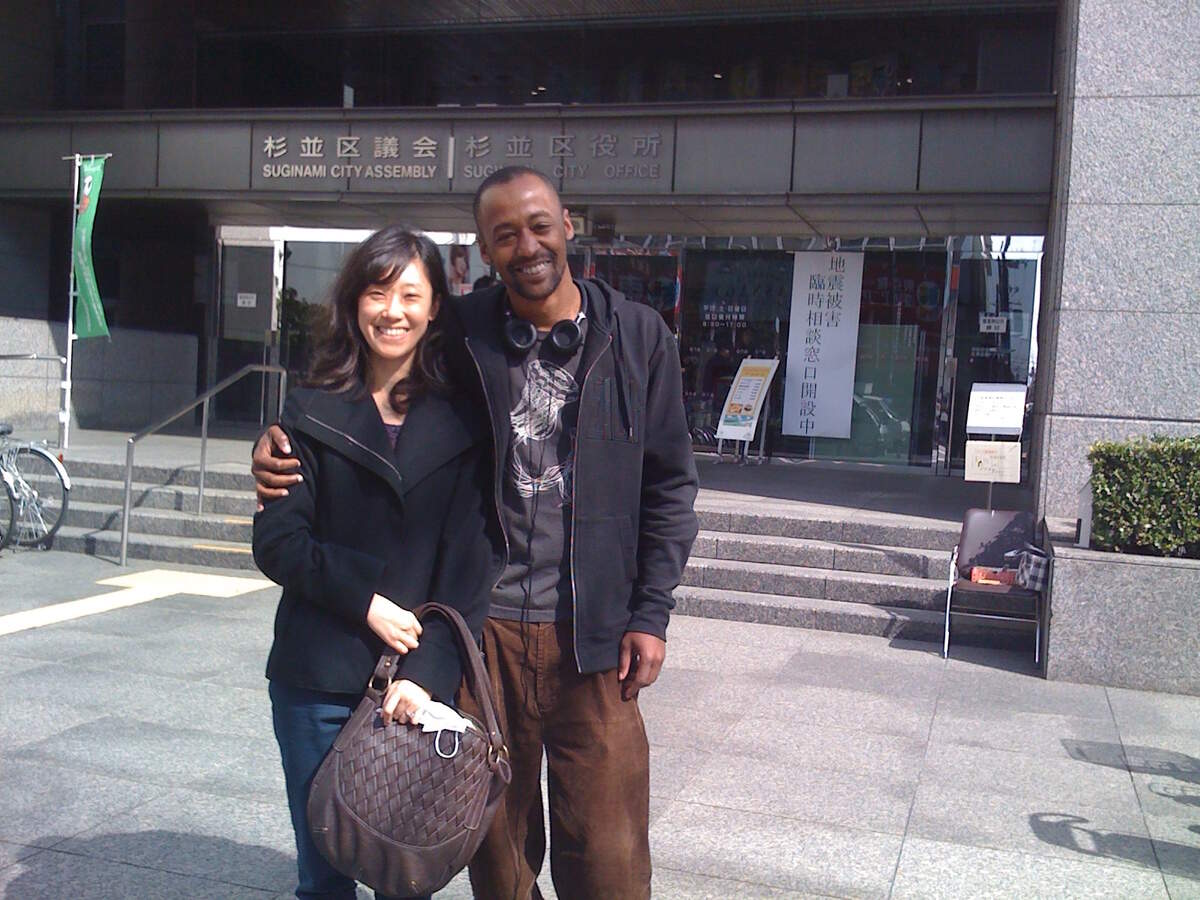
It was the day that my wife and I were supposed to get married, but we postponed. Almost 20,000 people died.
Just as an awful tragedy took place on my expected wedding day, nine years later we would leave Japan in the midst of the coronavirus pandemic that would kill, as of this writing, more than a million people around the world.
‘America is not going to be the way we experience it through the media’
I didn’t know that I had gotten used to living in the land of the rising sun until I realized that I’d no longer have access to the tranquil view that I had from up there looking down here. I couldn’t ignore the presence of a sociopathic madman running my country as I was returning. I thought about the recent videos of police beating up protesters fighting for Black lives, reminding me of my southern Daddy calling them “cracker cops.”
In Japan, it’s legal for police to racially profile foreigners and harass them, especially if they’re Black, but those incidents vary depending on the circumstance. Since there are no anti-hate speech laws, right-wing groups parade throughout the country, proudly preaching separatism and maintaining the purity of Japanese blood (which there’s no such thing), though gun-carrying zealots brandishing their deadly fantasies are absent.
“Oh, I think they know. I will talk to them,” my wife said about our long-living plants that began to die days before we started moving out of our apartment. Compared to our trivial sentimentality, the constant releasing of snuff films showing unarmed Black men getting murdered impressed upon our approaching future.
“America is not going to be the way we experience it through the media. You’ll see,” I told my wife. Three weeks after we’d get to Charlotte, an unarmed Black man, Jonathan Price would be tasered and shot four times by a Texas police officer in Wolfe City, killing him.
While in Japan, when Trump declared “America first,” I looked at the United States through my porthole window. I was expecting to see it morph into a space creature throwing tentacles, singing, “Try Jesus.”
It was the beginning of September when my 7-year-old said, “Do you know why October will be scary?”
Because we’ll be in America and I could get shot? “I don’t know, why?” I said.
“Because it’ll be Halloween,” she said.
“Oh.”
Running, playing — and then a warning
Spending the night for the first time in our apartment in Charlotte, we’d get an ominous warning. My wife was cleaning the bathtub while our daughter was getting to know her new home, running around and playing. She was a kid, kidding.
We heard a “bang bang bang.” Our floors and walls vibrated. Our neighbor below us was banging on her ceiling. “Hey, please stop running and stomping,” I said to my daughter. After midnight, while my child had already been asleep for hours, the banging continued without provocation as if to say, “You’re not supposed to live there.”
“What is that?” my wife asked. I told her that I thought the downstairs neighbor must think that we’re too loud.
My wife researched and discovered the Fair Housing Act, which described the sounds coming from our apartment as normal noise, not excessive noise. “We’re not doing anything,” she said.
The banging would happen at random times, day and night. Apparently our downstairs neighbor called the police on us, stating that she was hearing “disturbing noises” from our apartment, as if something nefarious was going on, but when the cops came and knocked on our door, we weren’t there.
A late-night food run
On our second night in Charlotte from Tokyo, I went to Carolina Ale House to pick up food late at night. Everything was closed down. The streets were dark, but I kept seeing cop cars parked on the roadside.
Driving down East 4th Street, I saw a large crowd of silhouettes in the street blocking cars. The gathering of bodies gots closer. I started backing up my car. “Black lives matter,” I hear them chant. It was almost midnight, and they were blocking traffic. I saw a white woman on the street yelling at somebody in a car. Can’t say I approved of her tactic, but her passion was necessary. “We’ll get you clear,” a white man said to me, holding a Black Lives Matter flag. I saw young Black men, some on bikes, popping wheelies in the middle of the street.
The protesters walked past my car. “Stay safe,” I said, lacking enthusiasm to raise my fist and shout revolution, I was an exhausted father trying to get food for my jet-lagged family. Still, I was stunned. Though for years I hadn’t participated in protests, watching these young people out past curfew, disrupting a sleepy city inspired hope. I’m home.
This story was originally published October 16, 2020 at 8:30 AM.