Is Charlotte a true comedy city now? That depends on who you ask.
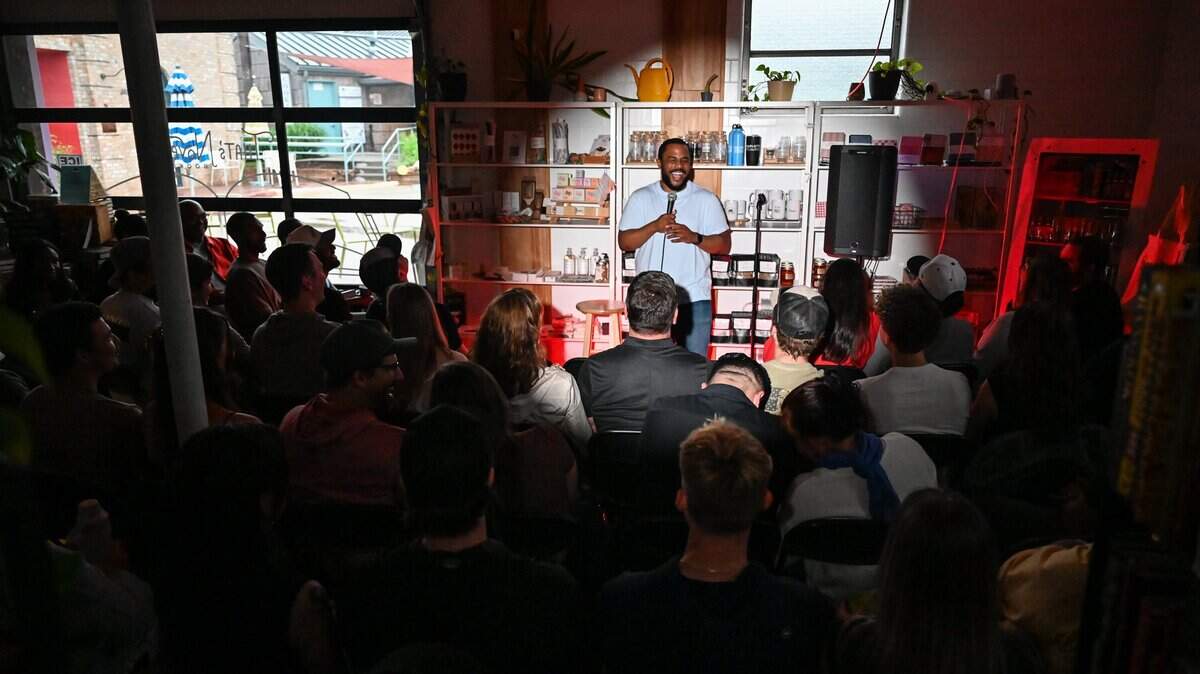
Ask six people to explain Charlotte’s comedy scene right now, and you’ll probably get six different answers.
One will tell you Charlotte needs more stages. Another will say it needs more audiences. One thinks the city is finally becoming a legitimate comedy destination. Another believes it’s still missing some of the ingredients that define a true comedy city.
What they do all agree on is this: Something is happening.
There are more clubs, more independent shows, more open mics and more opportunities to perform than there were just a few years ago. But whether that growth represents a boom, a breakthrough or simply a work in progress depends largely on whom you ask.
These six voices offer six very different perspectives on where Charlotte comedy stands right now.
Kayla “Kandi” Lanei
The Gatekeeper
Who she is: Preschool teacher, stand-up comic and host of Starlight on 22nd’s weekly open mic.
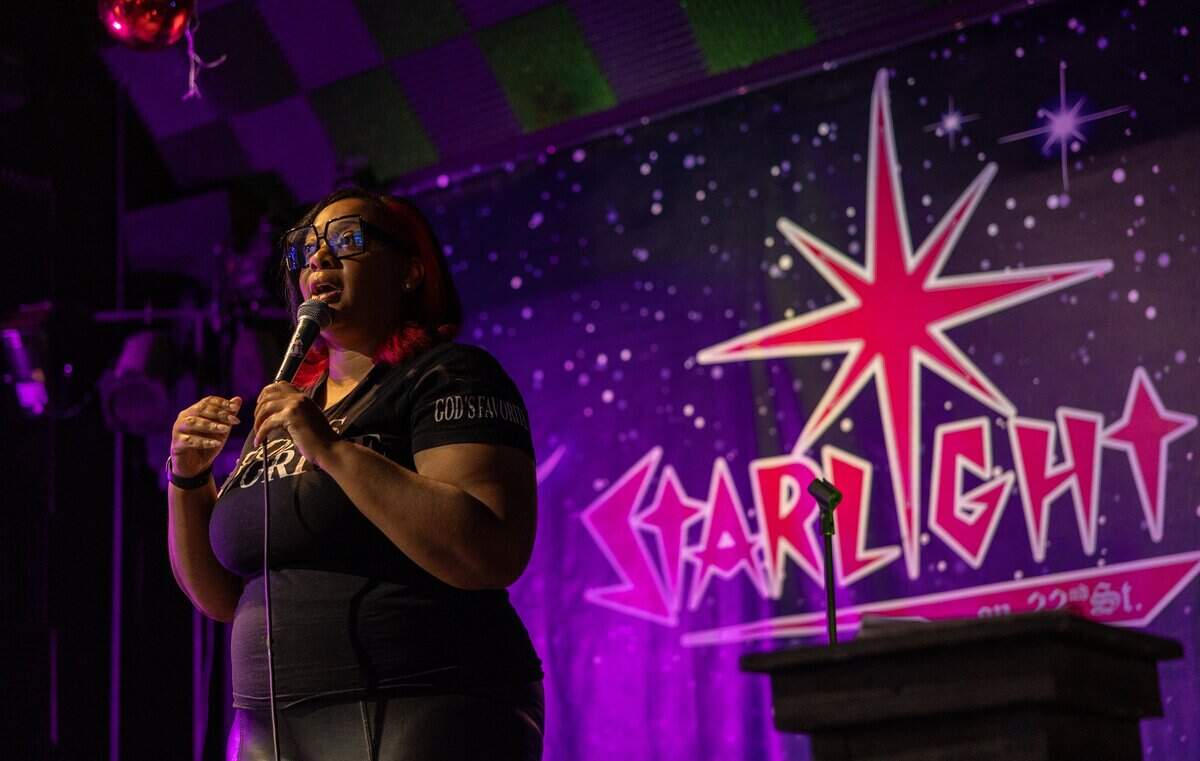
What she’s watching: Whether Charlotte can create more places for comedians to perform regularly.
Four years ago, Kayla “Kandi” Lanei wasn’t a comedian. She was a preschool teacher who attended a local comedy show, watched a performer bomb, and made the mistake of joking to her friends that she could probably do better.
One of them challenged her to prove it. She hasn’t stopped performing since.
Today, if Charlotte comedy has a front door, Lanei is standing beside it, as host of one of Charlotte’s most active proving grounds for new comics. On a typical Tuesday night at Starlight on 22nd’s open mic, she juggles dozens of performers, from first-timers to seasoned road comics dropping in to test new material.
But Lanei is also the first to admit that Charlotte still has holes in its comedy scene.
“We’re lacking better — ” she pauses for a moment, then corrects herself — “not even better stages. More stages,” she says, “for more opportunities for solid stage time.”
Every new room, she says, can mean another chance for someone to discover whether they want to get into the comedy game.
Key takeaway: “When I started, all the people who started before me were very helpful. ’Cause it’s hard to navigate, ‘What do you do when you’re a new person? How do you get on a show?’ ... So since they helped me, I’m helping the community (by leading this open mic).”
Skylar Schock
The Builder
Who she is: Comedian, actor, writer and co-creator of Group Chat Girlies.
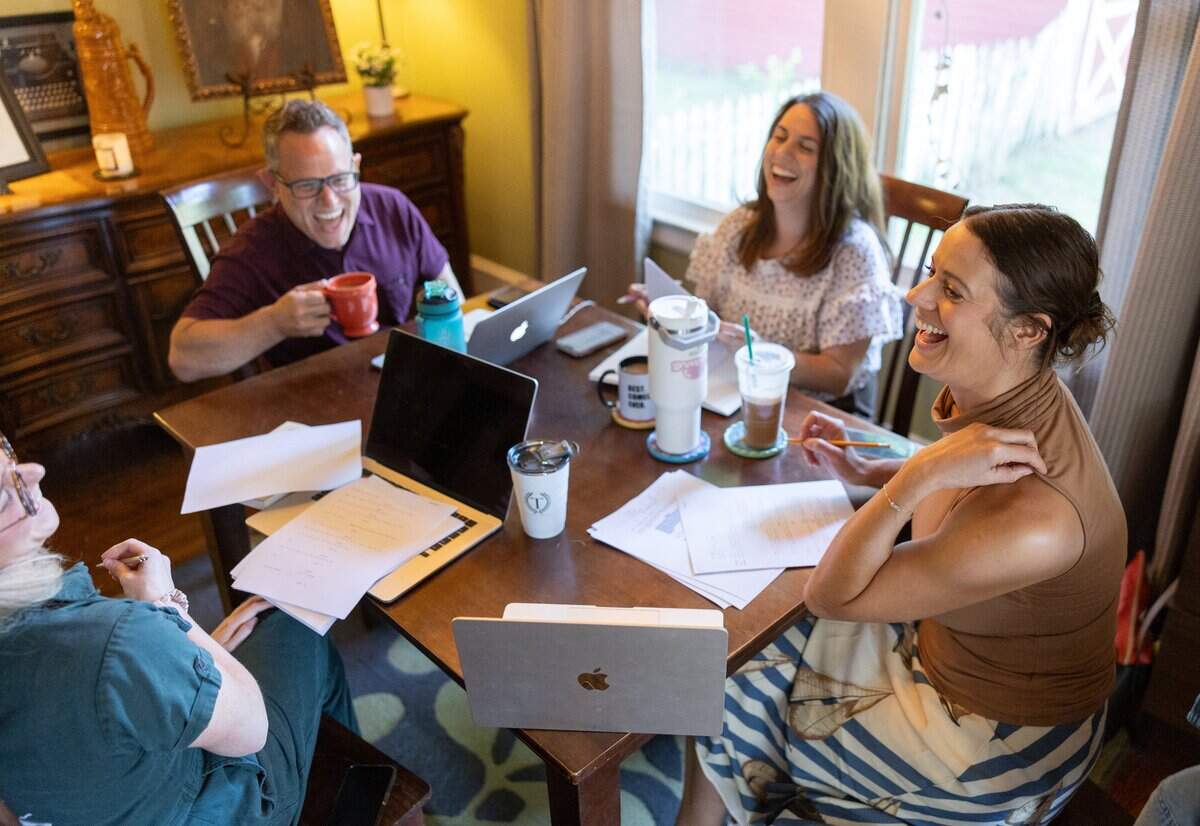
What she’s watching: Whether Charlotte can create more dedicated comedy audiences, not just more comedy shows.
When Skylar Schock arrived in Charlotte from Las Vegas in 2023, she expected to find comedy clubs, established audiences and a scene built around stand-up. Instead, she found comedians everywhere — but fewer spaces designed specifically for comedy fans.
So she decided to build one herself.
Schock teamed up with a fellow comedian named Carol Tyner (who she first met at “a horrible local show” they were both booked for) to create Group Chat Girlies, a hybrid comedy show, live conversation and newsletter built around a deceptively simple question: What would happen if women gathered in a room and talked about the things they actually wanted to talk about?
The concept grew from Schock’s belief that many local comedy producers make a crucial mistake.
“A lot of comedians want to perform, and they’re eager to create a space,” she says, “but they don’t think about who they’re talking to.”
Just a year after launching Group Chat Girlies, the show has expanded beyond Charlotte and is on tour this summer in cities including Raleigh (at Goodnights Comedy Club) and Livermore, California (at 3 Steves Winery).
Key takeaway: “In Charlotte what I see a lot of is ... people don’t have any idea how to produce comedy for a local audience. They’re producing comedy for their friends and for their fellow comedians — and then the audience is the last thing that gets brought into the picture.”
Will Wright
The Market Analyst
Who he is: Southeast regional producer for Don’t Tell Comedy, overseeing shows across multiple markets, including Charlotte.
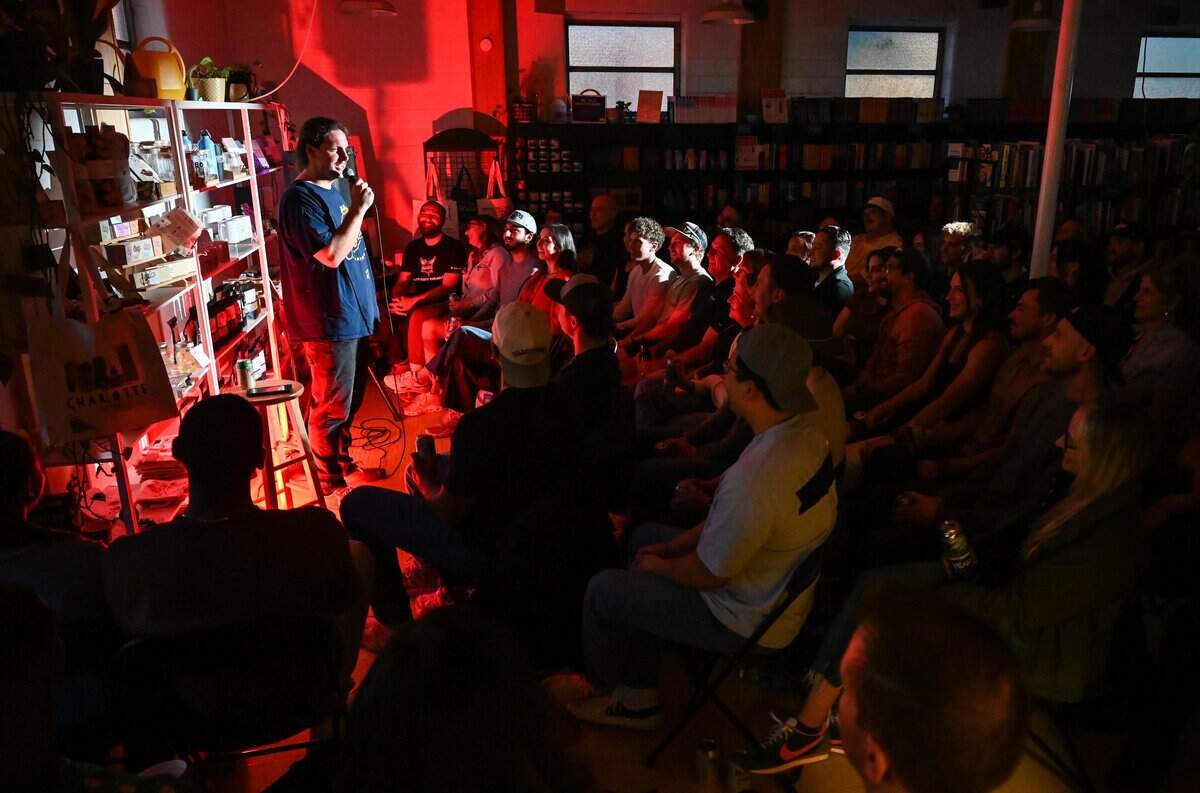
What he’s watching: Audience demand and whether Charlotte continues to grow as a destination for both comedy fans and developing comics.
For Don’t Tell Comedy — the rapidly growing secret-location comedy company — Will Wright isn’t just evaluating comedians. He’s evaluating markets.
And Charlotte, he says, consistently stands out as one of the best in the country for Don’t Tell, which stages roughly 60 to 75 shows per year here, often drawing crowds of 75 to 125 people.
But the Atlanta-based producer believes Charlotte’s biggest advantage may be that it isn’t New York, Chicago or Los Angeles. While aspiring comics in those cities compete against thousands of performers for limited stage time, Charlotte still offers plentiful opportunities for newcomers to get onstage and develop.
In other words, Wright says, a comedian can go from performing for a dozen people at an open mic to performing for a paying audience several times as large at a weekend showcase far sooner than they might elsewhere.
“It’s just a lot more attainable,” he says.
Key takeaway: “Charlotte’s a really young city ... and there’s a lot of disposable income. ... There’s really no massive competition on a week-to-week basis of things to do. ... So I would say that’s what leads to great sales and a lot of engagement.”
James R. Hustle
The Survivor
Who he is: Charlotte native, former drug dealer, golf-course chef and 10-year comedy veteran.
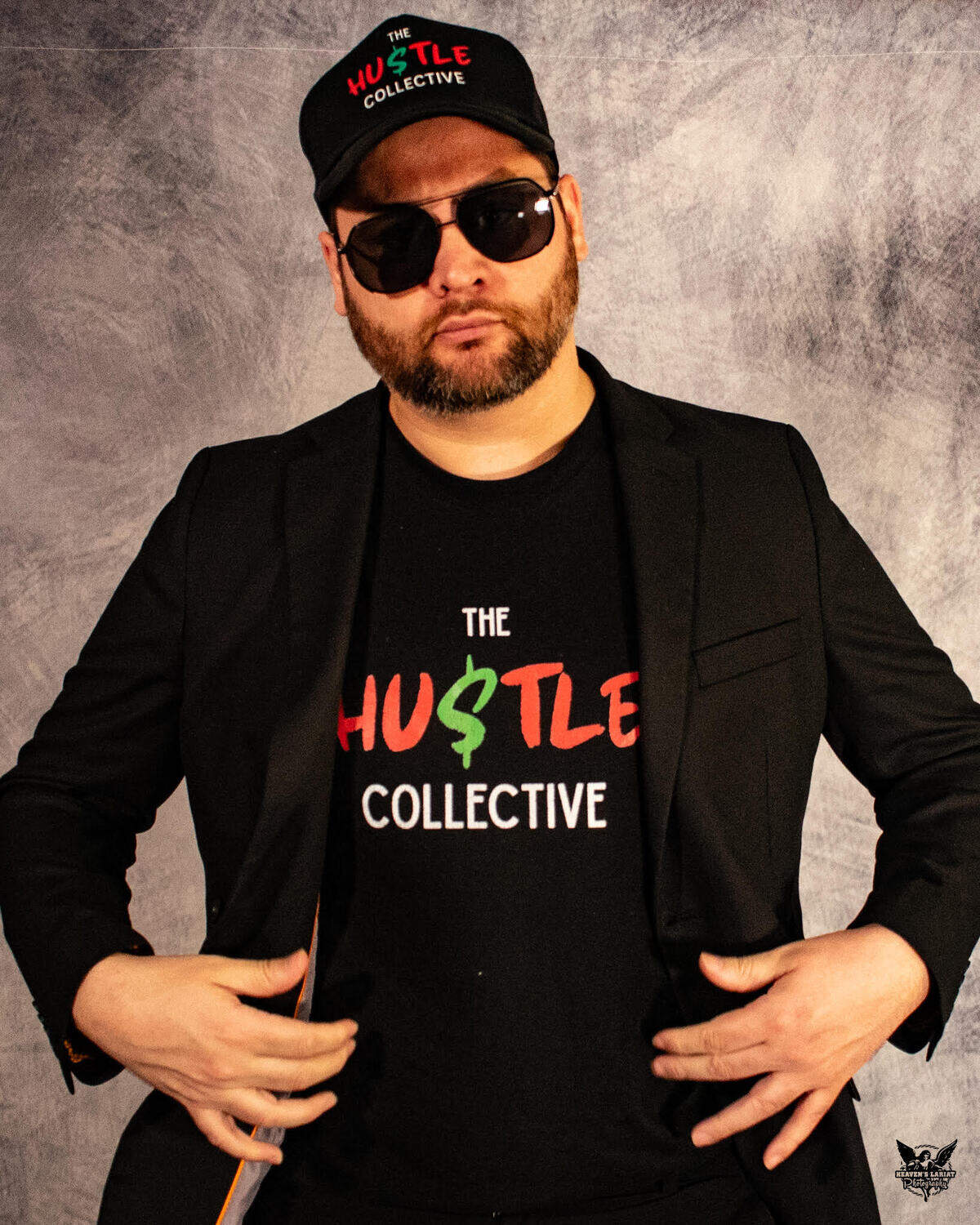
What he’s watching: Whether Charlotte comics can build careers without the backing of the city’s comedy gatekeepers.
The first time James R. Hustle stepped onstage in 2016, he told stories about being a former drug dealer trying to reinvent himself as a single father.
Over the course of just a few minutes, some of the hardest parts of his life became material — and he instantly became hooked.
“When you’re new in comedy, you will drive four hours to do five minutes on stage for free,” Hustle says. “It’s an obsession at the beginning. And after that first time I got those laughs, I couldn’t stop.”
But after years of grinding, he never achieved breakout success. Despite his belief that he had the talent, the experience, the work ethic, and even the respect of others in the scene, those attributes weren’t enough to gain him access to the right rooms and the right bookers.
It’s a reality that eventually pushed him toward another interest outside his regular job as a golf course head chef: professional wrestling, where he now moonlights as a manager for the fledgling Piedmont Wrestling Club, using many of the same skills he developed as a comedian.
Key takeaway: “Pretty much your only option is to go viral. ... That’s pretty much the way comedy has shifted nowadays. ... The bookers don’t care how funny you are or not. They just care about ‘how many tickets can you sell?’”
Joy Wills
The Export
Who she is: Former Charlotte comic who built her career locally before moving to Chicago in 2025.
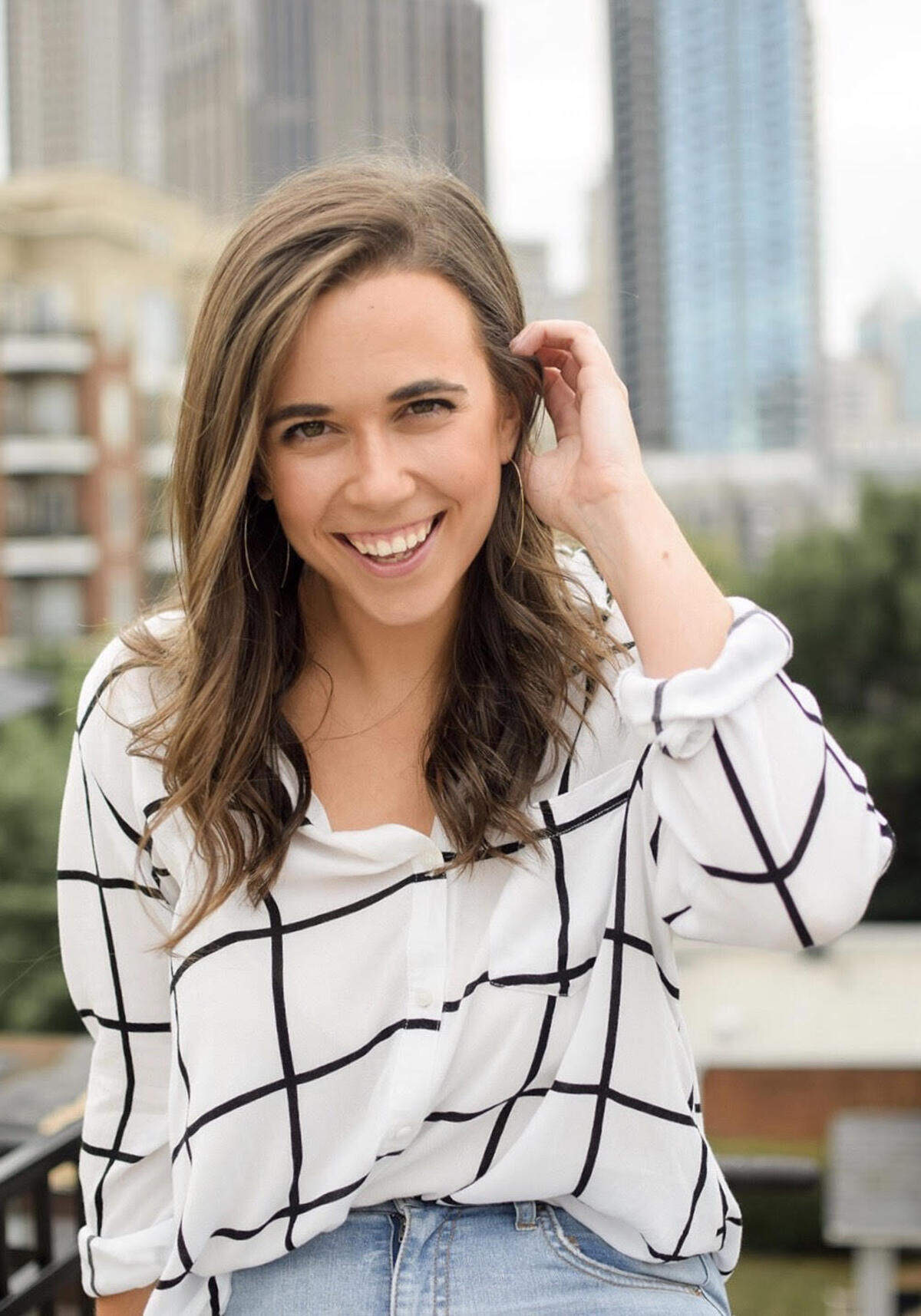
What she’s watching: Whether Charlotte can evolve from a place where comedians start into a place where more of them choose to stay.
When Joy Wills started studying improv in 2017, she already had a long track record of at least trying to make people laugh — by virtue of being raised in Memphis with five siblings. “At a young age, I started to think very quickly on my feet,” Wills says, “and made sure whatever I said was going to turn someone’s head.”
That unique experience paid off. Two years later, she segued from improv into stand-up, and over the next several years she became one of Charlotte’s most respected comics.
Then she left.
Last summer Wills transferred her day job to Chicago, one of America’s premier comedy cities, primarily to grow as a comic.
In that respect, Wills represents both Charlotte comedy’s biggest success and its lingering challenge: The city is increasingly capable of developing talented performers, but many of its most ambitious comics still feel compelled to leave to discover just how far they can go.
Key takeaway: “I think Charlotte is a great place to start. ... If you’re just looking for followers and tickets, you can do that on the internet. But I kind of felt to be a better comic, I needed to get into a bigger pool.”
Cale Evans
The Skeptic
Who he is: Veteran comedian, producer and founder of Queen City Comedy.
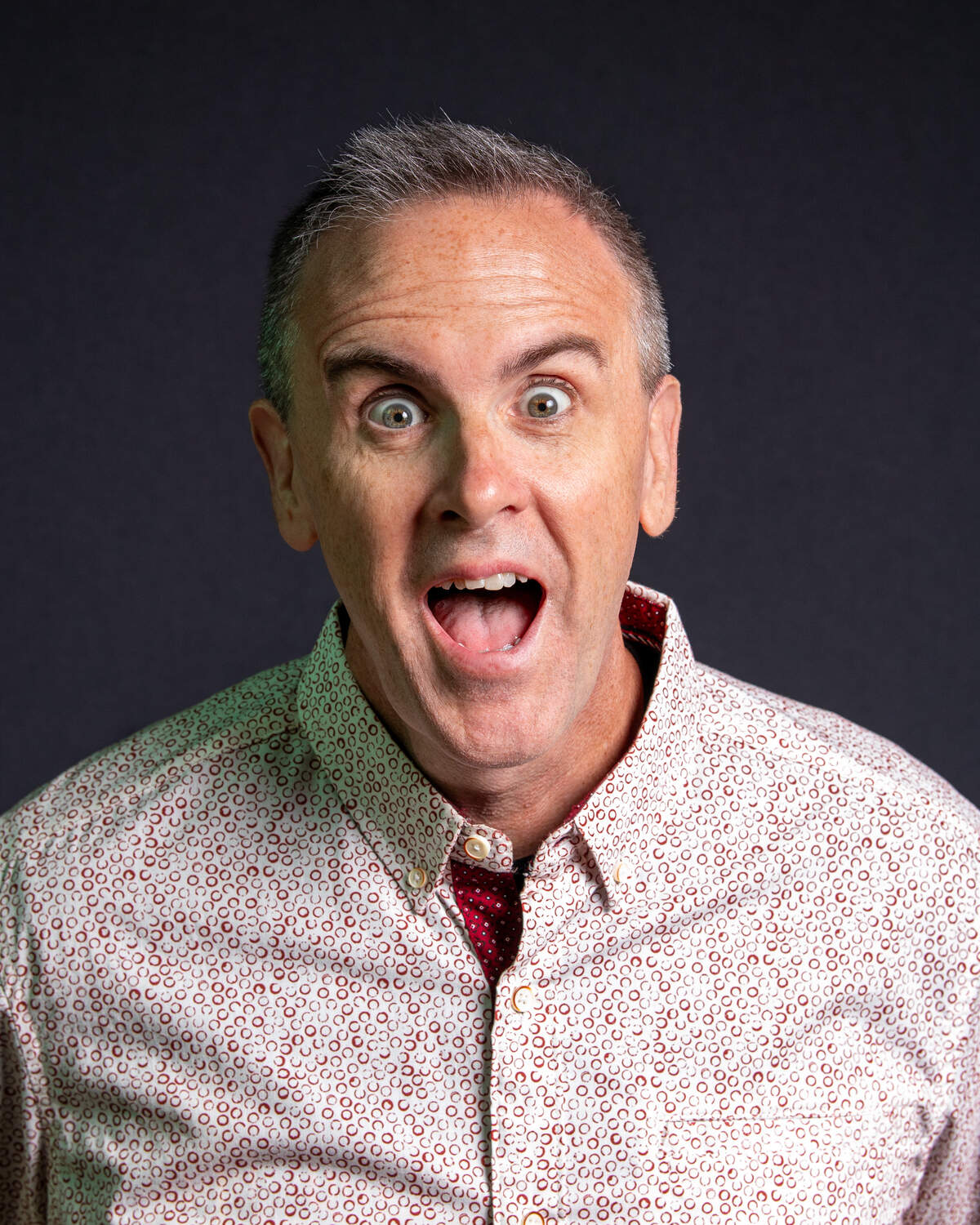
What he’s watching: Whether Charlotte can develop the kind of comedy culture that exists in more-established comedy cities.
While Cale Evans agrees that Charlotte now offers a growing number of ways for audiences to experience live comedy, he argues that growth and maturity are not the same thing.
“I would maybe call it an emergent city,” he says.
In terms of what it still lacks, he points to sponsorship struggles he experienced while helping organize the Queen City Comedy Experience — which folded after a run that lasted from 2017 to 2024 — and to the relative scarcity of the type of risk-taking that thrives in places like Atlanta and New York.
“There’s some of that here,” he says, “but ... there’s not an underground that is vibrant, where there’s going to be 40 people packed on a Tuesday night in a small club to see some new, weird format.”
So in Evans’s mind, the question isn’t whether Charlotte can become a true comedy city.
It’s whether Charlotte is willing to support one.
Key takeaway: “I don’t think we have the support for the arts — either institutionally or from the general audience. People are looking for something to do, and hanging out at a brewery is just as good as going to a comedy show. Whereas if you go to Atlanta, there are people actively seeking out the underground comedy show or the next big comedian.”